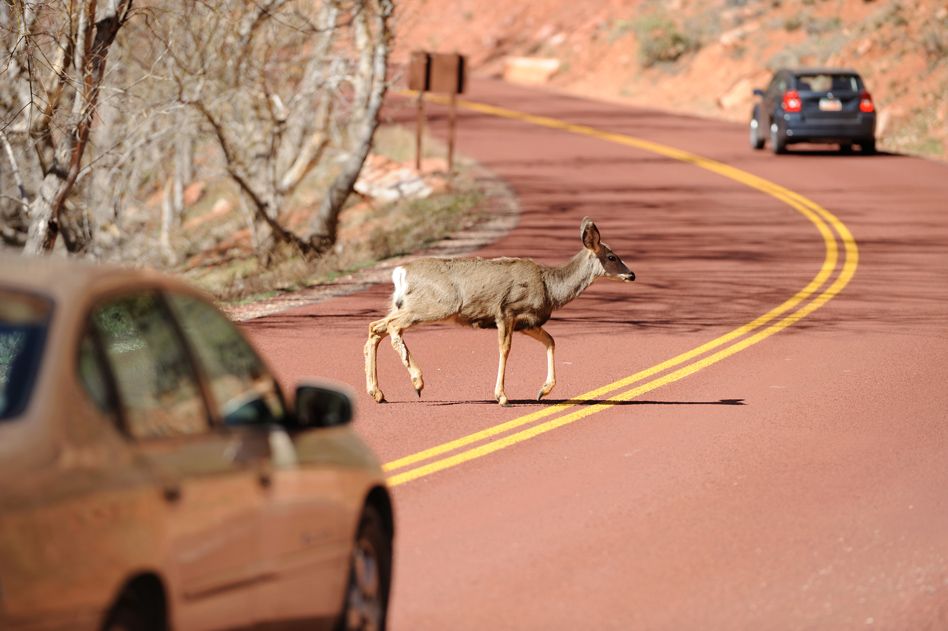
Every year, drivers across the world face sudden encounters with deer on the road. These moments can be frightening, dangerous, and confusing. If you have ever wondered why deer seem to freeze in headlights or why they dart across highways, you’re not alone. Understanding how deer react to vehicles is important for both drivers and wildlife safety. This article explores the behavior of deer near roads, the science behind their reactions, and how you can reduce the risk of accidents.
Why Do Deer Approach Roads?
Deer don’t seek out roads on purpose. Instead, roads often cut through their natural habitats, making encounters with vehicles more likely. Deer cross roads for several reasons:
- Searching for food: Roadside grass and plants attract deer.
- Migration: Seasonal movement leads deer across roads.
- Mating season: During “rut,” deer move more and pay less attention to dangers.
Deer are especially active at dawn and dusk. These are the times when drivers must stay alert.
How Do Deer Sense Vehicles?
Deer have strong senses, but they don’t always understand vehicles. Their eyesight is adapted for low light, making them sensitive to movement but not good at seeing details or bright lights. Their hearing is excellent; they notice engine sounds from far away. However, deer may not connect these sounds with danger.
Their sense of smell can warn them if a vehicle is close, but fast-moving cars often appear suddenly, giving deer little time to react.
Common Deer Reactions To Vehicles
When a vehicle approaches, deer show several behaviors. These reactions can seem strange or unpredictable to humans.
| Deer Behavior | What It Means |
|---|---|
| Freezing in place | Deer are confused or trying to hide |
| Sudden running | Fight-or-flight response to danger |
| Zigzag movement | Escape pattern to avoid predators |
| Staring at headlights | Eyes overwhelmed by bright light |
| Leaping across the road | Instinct to escape to the other side |
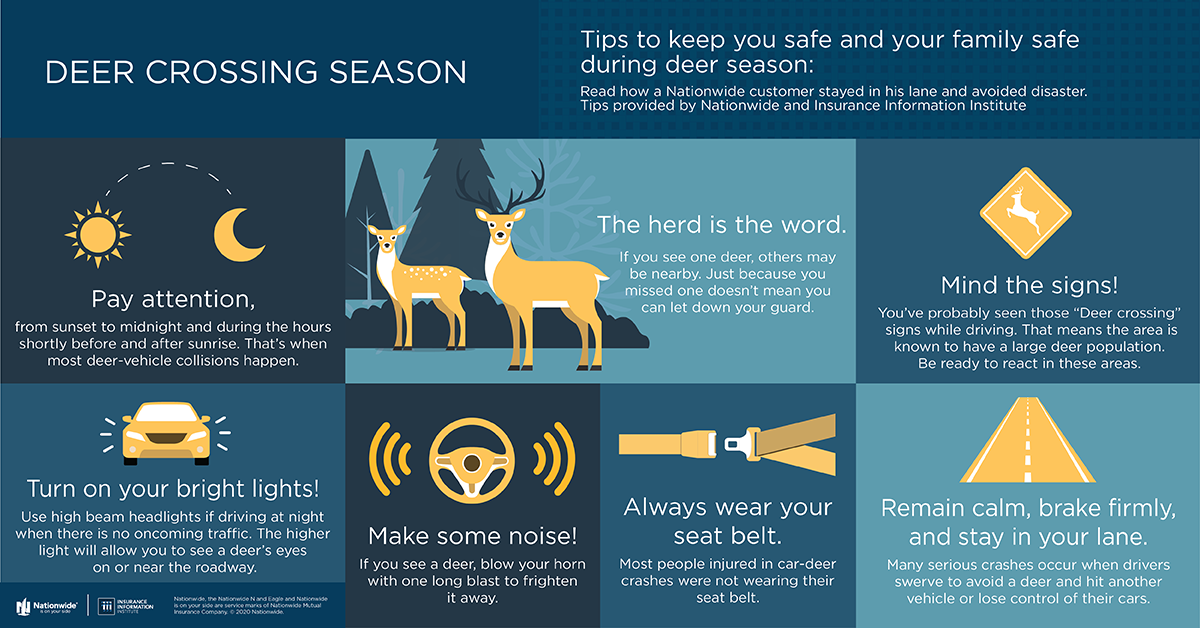
Many drivers are surprised to learn that deer often travel in groups. If you see one deer, there are often more nearby. This is a key reason why accidents often involve multiple animals.
The Science Behind “freezing” Behavior
Deer “freezing” in headlights is not just carelessness. Their eyes are made for the dark, so when hit by bright lights, they become temporarily blinded. The deer’s brain needs time to adjust, so it stops moving. This is called tonic immobility, a natural survival response.
Their brain’s instinct says, “Don’t move, or the predator won’t see you. ” Unfortunately, this works against them with vehicles.
Why Do Deer Jump In Front Of Cars?
It’s common to see deer leap directly into the path of a moving car. This behavior is linked to their flight response. Deer escape predators by running fast and jumping, often without looking. They do not understand how fast cars move, so they misjudge the danger.
Younger deer, or fawns, are especially likely to make mistakes. They have less experience and often follow adults without thinking.
When Are Deer-vehicle Collisions Most Likely?
Accidents can happen year-round, but some times are riskier:
- Autumn and early winter: Mating season means more movement.
- Spring: Young deer explore new areas.
- Dawn and dusk: Low light and increased activity.
Certain areas are also more dangerous. Rural roads, forest edges, and places with “deer crossing” signs are high-risk zones.
Impact On Wildlife And Drivers
Deer-vehicle collisions are serious. In the United States alone, over 1 million accidents happen every year, leading to hundreds of human injuries and thousands of deer deaths. Insurance claims for these accidents cost billions of dollars.
Drivers can suffer physical injury, emotional trauma, and financial loss. For deer, vehicle accidents are one of the leading causes of death.
Reducing The Risk Of Collisions
You can lower your chance of hitting a deer by using smart driving habits. Here are the most effective strategies:
- Slow down in deer zones, especially at dawn or dusk.
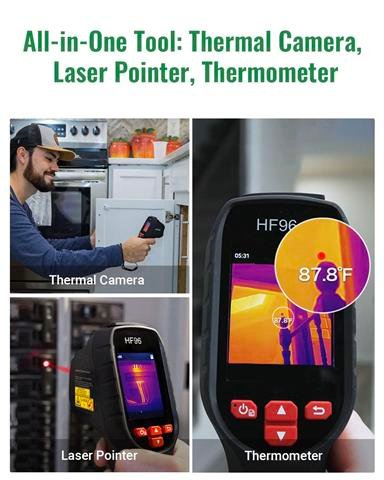
- Scan the sides of the road for movement or glowing eyes.
- Use high beams when possible, but dim them for oncoming cars.
- Never swerve suddenly. It’s safer to brake firmly.
- Pay attention to “deer crossing” signs. They are placed where accidents happen often.
- Be alert in autumn, when deer are most active.
If you see one deer, expect more. Deer often move in small groups, and several may cross the road in quick succession.
How Do Deer Learn About Vehicles?
Deer are not born understanding cars. They learn from experience and from other deer. Some deer may become more cautious if they survive close calls, but many do not live long enough to learn. Unlike pets, deer cannot be trained to avoid roads.
Interestingly, studies show that deer in areas with frequent traffic sometimes change their routines, feeding at different times to avoid vehicles. However, their natural instincts are still stronger than learned behavior.
Technology And Road Safety
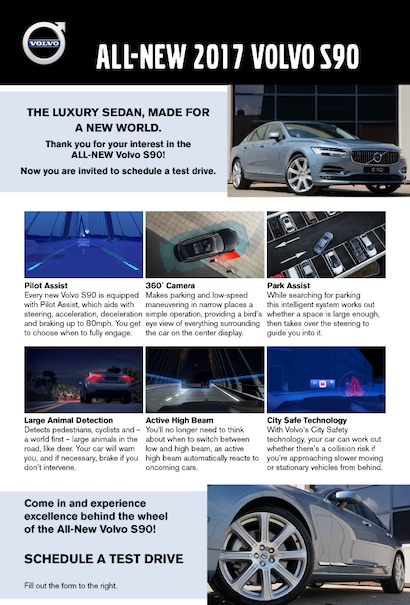
Technology helps reduce deer-vehicle accidents. Some highways use deer warning systems that sense animal movement and alert drivers. Others have fences or underpasses to guide deer safely across.
Here’s a comparison of common methods used to prevent collisions:
| Prevention Method | Effectiveness | Cost |
|---|---|---|
| Deer warning signs | Moderate | Low |
| Fences | High | High |
| Wildlife underpasses | Very high | Very high |
| Reflectors | Low to moderate | Medium |
Some drivers use whistles or devices on their cars, but research shows mixed results. The best safety comes from alert driving.
Non-obvious Insights
Many believe deer always run away from cars, but this is not true. Sometimes deer run alongside the road before crossing. Also, when deer are startled, they may double back across the road, surprising drivers who think the danger is over.
Another important detail: after a collision, injured deer can be unpredictable and may charge or kick, increasing risk for people who approach.
For further reading on wildlife and vehicle safety, you can visit Wikipedia.
Frequently Asked Questions
Why Do Deer Freeze In Headlights?
Deer eyes are made for low light. Headlights overwhelm them, causing temporary blindness. Their instinct is to stop moving, hoping the danger passes.
What Should I Do If A Deer Runs In Front Of My Car?
Stay calm. Brake firmly and stay in your lane. Swerving can cause worse accidents. Slow down and watch for more deer.
Are Deer Whistles Effective For Preventing Accidents?
Most studies show deer whistles do not reliably warn animals. The safest methods are slowing down and staying alert.
Why Do Deer Sometimes Move In Groups?
Deer are social animals. Moving in groups helps protect them from predators. If you see one deer, there may be more nearby.
What Time Of Year Are Deer-vehicle Accidents Most Common?
Autumn and early winter are the riskiest times due to mating season and migration. Be extra careful during these months.
Understanding how deer react to vehicles can help you drive more safely and protect both yourself and wildlife. Stay alert, respect warning signs, and know that deer are unpredictable, especially at night or during migration. Careful driving is the best way to avoid accidents and save lives on the road.