How Do Deer Avoid Predators?
Watching deer move quietly through a forest, it’s easy to forget how dangerous their world is. Predators like wolves, coyotes, cougars, and even humans constantly threaten them. Yet deer survive, and even thrive, in environments full of danger. Their survival isn’t luck; it’s the result of clever behaviors, physical adaptations, and teamwork. Understanding how deer avoid predators can teach us a lot about wildlife and nature’s balance.
Physical Adaptations For Survival
Deer are not the biggest or strongest animals, but their bodies are built for escape. Several key features help them detect and evade predators.
Acute Senses
Deer have excellent hearing. Their large, movable ears can pick up sounds from many directions. Even a small crack of a twig alerts them to possible danger.
Their sense of smell is just as powerful. Deer can detect the scent of a predator from over 400 meters away. This gives them time to freeze, hide, or run.
Sharp eyesight also plays a role, especially in low light. Deer eyes are on the sides of their heads, giving them a wide field of view. They can spot movement quickly, even if it’s not clear what made it.
Speed And Agility
Deer are fast runners. A white-tailed deer, for example, can reach speeds of up to 30 miles per hour (48 km/h). They can also leap over obstacles that are more than 2 meters high. This speed and agility help them escape predators in open areas and dense forests.
Camouflage
Deer fur is usually brown or gray. This camouflage helps them blend into their surroundings, especially during the day. Fawns (baby deer) have white spots on their fur, which look like sunlight spots on the forest floor, making them hard to see.
Behavioral Strategies
Physical traits alone are not enough. Deer use smart behaviors to stay safe.
Vigilance
Deer are almost always alert. While feeding, they often look up, sniff the air, and listen. In groups, at least one deer stays on watch while others eat. This teamwork increases their chances of detecting predators early.
Freezing And Fleeing
When a deer senses a threat, it often freezes. Staying still makes it harder for predators to spot them. If the threat gets closer, deer suddenly flee. This quick shift from stillness to rapid movement can surprise a predator, giving the deer a head start.
Alarm Signals
Deer have special ways to warn others of danger. A white-tailed deer will raise its tail, showing the white underside as a signal to other deer. Some species also stomp their hooves or snort loudly. These signals tell others to escape quickly.
Nocturnal Activity
In areas with many predators or human hunters, deer often feed and move more at night. Darkness offers more cover, reducing the risk of being seen.
Group Living Benefits
Deer are often seen in groups called herds. Living together offers several advantages.
- More Eyes and Ears: A group can spot danger faster than a single animal. Each deer does not have to be alert all the time.
- Confusion Effect: If a predator attacks, the herd may scatter in different directions. This confuses the predator and increases each deer’s chance of escape.
- Learning from Experience: Young deer learn from older ones. Watching how adults react to threats helps fawns survive their first year.
Habitat Choices
Where deer choose to live also affects their safety.
Dense Cover
Deer often bed down in thick brush, tall grass, or forests. These areas offer hiding places and protection from predators.
Edges And Escape Routes
Deer prefer areas where forests meet open fields. These edge habitats provide both food and cover. Deer can quickly retreat into the woods if threatened.
Predator Awareness And Learning
Deer are not born knowing all predators. They learn from experience and from watching others.
- Fawns rely on their mother’s behavior.
- Deer remember dangerous places and avoid them.
- They also recognize the scent and patterns of local predators over time.
Human Influence
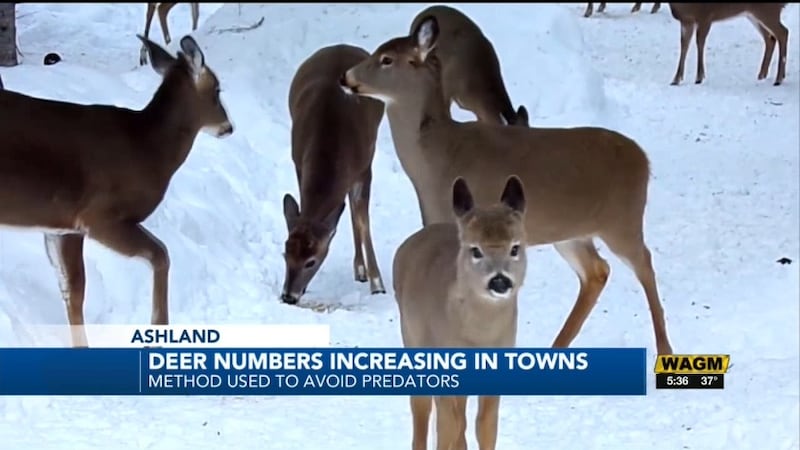
People are both a threat and an indirect help to deer. In some areas, hunting controls deer numbers. In others, urbanization removes predators, which can lead to overpopulation.
Deer adapt to human presence by feeding at night and avoiding roads during busy times. In parks and cities, they may lose some of their fear, which can make them more vulnerable.
Comparing Deer And Predator Abilities
Understanding how deer match up against their main predators shows why each survival skill matters.
| Deer Trait | Wolf | Coyote | Cougar |
|---|---|---|---|
| Top Speed (km/h) | 50-60 | 65 | 64 |
| Best Senses | Smell & Hearing | Smell & Hearing | Vision & Stealth |
| Hunting Style | Pack chase | Solo or pairs | Stalk and ambush |
This shows that while some predators are faster, deer rely on early detection and quick escape.
Examples From Nature
Deer in different regions face different challenges. For example:
- In North America, white-tailed deer face coyotes and humans. They use thick woods and night movement to stay safe.
- In Europe, roe deer deal with foxes and lynx. Their small size helps them hide in dense forests.
- In Asia, sika deer are hunted by tigers. They often gather in large groups to increase vigilance.

Non-obvious Insights
- Deer often use wind direction to their advantage. They move so the wind blows toward them, bringing scents of predators.
- They remember specific escape routes. If chased, a deer may run to a known river or rocky area where predators have trouble following.
Mistakes That Make Deer Vulnerable
Deer are not perfect. Young or sick animals often make mistakes:
- Feeding too long in open areas
- Ignoring warning signals
- Returning to the same spot after escaping
Predators learn these patterns, so deer must keep changing their habits.
Real-world Data: Predator Encounters
A wildlife study tracked deer survival in different habitats:
| Habitat Type | Deer Survival Rate (%) | Main Predator |
|---|---|---|
| Dense Forest | 87 | Wolves |
| Open Field | 64 | Coyotes |
| Edge Habitat | 80 | Mixed |
Dense cover clearly helps deer survive, while open fields are more dangerous.
The Balance Of Nature
Deer avoiding predators is not just about escape. It shapes their daily lives, where they eat, and how they move. Predators and deer are locked in a constant struggle, and both sides adapt over time. This natural balance keeps ecosystems healthy.
To learn more about animal adaptations and predator-prey relationships, you can check resources like the Wikipedia page on predation.

Frequently Asked Questions
Why Do Deer Freeze When They See A Predator?
Freezing makes deer less visible. Predators often notice movement more than still shapes, so staying still can keep the deer safe until the danger passes.
How Do Fawns Stay Safe From Predators?
Fawns rely on camouflage and lying still. Their spotted coats blend with the forest floor. Mothers leave them hidden while feeding, returning only to nurse.
Do Deer Ever Fight Back Against Predators?
Deer rarely fight. If cornered, a deer may kick with its strong legs. However, escape is their main defense.
Which Predator Is Most Dangerous To Deer?
This depends on the region. In North America, wolves and coyotes are major threats. In Asia, tigers are the main predator.
How Do Deer Communicate Danger?
Deer use tail signals, foot stomping, and snorting sounds to warn others of predators. These signals help the group escape quickly.
Deer survive by being alert, working together, and using every advantage nature gives them. Their methods are a fascinating example of how animals adapt to a world full of threats.