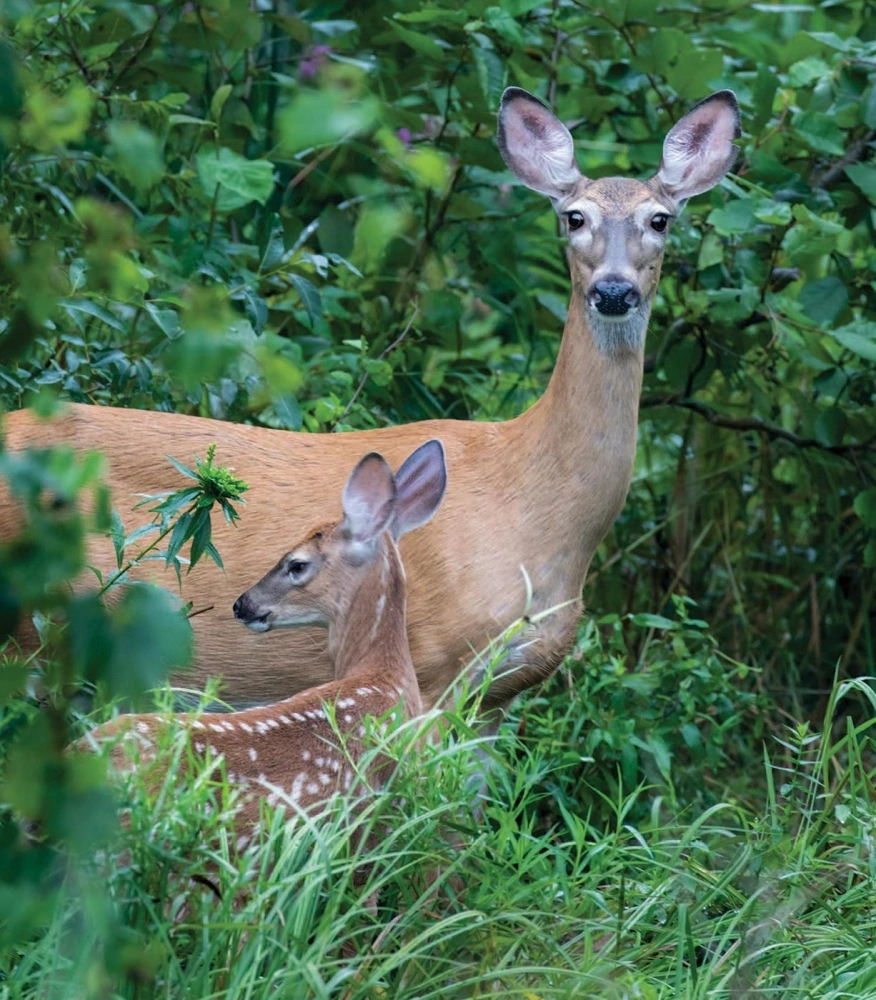
Many people see deer as peaceful animals quietly moving through forests. But their actions have a much bigger impact on these woodlands than most realize. In many parts of the world, deer are now more common than ever before. While they look harmless, large numbers of deer can change forests in ways that affect trees, plants, animals, and even people.
Understanding these effects is important for anyone who cares about healthy forests.
How Deer Change Forest Plants
Deer eat a lot of green plants, especially in spring and summer. Their favorite foods are young tree seedlings, wildflowers, and shrubs growing close to the ground. When deer populations are high, these plants can almost disappear from the forest floor.
What Do Deer Eat Most?
Deer are “selective browsers,” meaning they choose the tastiest plants first. They especially like:
- Young tree saplings (such as oak, maple, and yew)
- Wildflowers (like trillium and lady’s slipper)
- Soft shrubs (raspberry, viburnum)
When these plants are eaten faster than they can regrow, whole species may vanish from an area.
Effects On Forest Regeneration
Young trees are the future of any forest. If deer eat most of the seedlings, forests can’t grow back after storms, fires, or logging. In some places, new trees struggle to grow because deer eat every sapling that appears. This slows forest recovery and can even change which kinds of trees grow in an area.
Data Comparison: Forests With And Without High Deer Populations
| Condition | Average Saplings per Hectare | Wildflower Diversity Index |
|---|---|---|
| Low Deer Density | 400 | 7.2 |
| High Deer Density | 50 | 2.1 |
This table shows that forests with many deer have far fewer young trees and wildflower species.
Deer And Other Animals
When deer eat most of the low plants, it’s not just trees that suffer. Many animals depend on those plants for food and shelter.
Impact On Birds
Some forest birds, such as the wood thrush and ovenbird, nest on or near the ground. They need thick undergrowth to hide their nests from predators. When deer remove this cover, birds lose safe nesting places. Studies show that forests with too many deer have fewer of these bird species.
Small Mammals And Insects
Mice, rabbits, and many insects also need leafy plants for food and hiding spots. When deer over-browse, populations of these smaller animals can drop. This reduces food for predators like owls and foxes.
Food Chain Effects
Too many deer can break the forest food chain. When plants disappear, animals that depend on them also disappear, and the forest loses its balance.

Changes To Forest Structure
Deer don’t just eat plants; they shape how the whole forest looks and works.
Open Vs. Dense Forests
A healthy forest usually has three layers:
- Canopy (tall, mature trees)
- Understory (young trees and tall shrubs)
- Ground layer (wildflowers, ferns, seedlings)
When deer are common, the understory and ground layer can vanish, leaving only big trees and bare ground beneath.
Table: Forest Layers With And Without Deer Pressure
| Layer | Healthy Forest | Overbrowsed Forest |
|---|---|---|
| Canopy | Dense | Dense |
| Understory | Thick | Sparse/Absent |
| Ground Layer | Rich | Poor/Bare |
This loss of layers makes forests less healthy and less beautiful.
Soil And Water Effects
When fewer plants cover the ground, soil can wash away in rain. This is called erosion. Bare soil also heats up and dries out faster, making it harder for new plants to grow. Streams can become muddy, harming fish and other creatures.
How Deer Affect People And Forest Management
Deer don’t just change forests for animals and plants—they affect people, too.
Timber And Wood Products
Forests are valuable for wood. If deer eat all the young trees, fewer mature trees grow to replace old ones. This means less wood for future generations and lower profits for forest owners.
Spread Of Invasive Species
Deer often avoid eating invasive plants like Japanese barberry or garlic mustard. As deer remove native plants, these tough invaders take over. Invasive plants can be hard to control and make forests less healthy.
Human Health And Recreation
Fewer flowers and plants mean forests are less attractive for hiking and camping. Some invasive plants that deer ignore (like Japanese barberry) create good homes for ticks, which can spread Lyme disease to people.
Deer Population Control: Methods And Challenges
Managing deer numbers is not simple. Hunters, wildlife managers, and landowners use different methods to keep deer populations balanced.
Common Population Control Methods
- Hunting: Still the main tool in most countries. Regulated hunting helps control deer numbers.
- Fencing: Used to protect young trees or rare plants in small areas, but is expensive for large forests.
- Fertility Control: Special vaccines to reduce deer birth rates, but these are costly and hard to use in wild populations.
Table: Comparison Of Deer Control Methods
| Method | Effectiveness | Cost | Best Use |
|---|---|---|---|
| Hunting | High (if allowed) | Low | Large areas |
| Fencing | High (small areas) | High | Gardens, rare plants |
| Fertility Control | Moderate | Very High | Urban parks, closed areas |
Two Insights Most People Miss
- Deer effects can last for decades. Even after deer numbers drop, it can take 20 years or more for forests to recover fully.
- Small increases in deer population can have big effects. Sometimes, just a few more deer per square mile makes the difference between a healthy forest and a damaged one.
Frequently Asked Questions
What Is The Main Way Deer Change Forests?
Deer mostly affect forests by browsing on young trees, shrubs, and wildflowers. When too many deer are present, they eat these plants faster than they can grow back, changing the forest’s structure and health.
Can Forests Recover After Deer Numbers Are Reduced?
Yes, forests can recover if deer numbers are brought down and kept low for several years. However, recovery is slow. Some plants and animals may not return at all if they were wiped out locally.
Do All Forests Suffer From Too Many Deer?
No, not all forests have a deer problem. Forests with natural predators like wolves or mountain lions usually have healthier plant communities. Problems are most common in areas where predators have disappeared, or hunting is limited.
Are Deer Always Bad For Forests?
Deer are a natural part of many forests and help keep plant communities diverse at low densities. Problems only happen when their numbers get too high compared to what the land can support.
Where Can I Learn More About Deer And Forests?
A helpful resource is the Wikipedia page on deer and forestry, which provides research studies and expert advice.
A forest is more than just trees—it’s a living system where every plant and animal has a role. Deer can tip this balance if their numbers rise too high. By understanding their impact, we can make smart choices to keep forests healthy for everyone.