Every year, wildlife enthusiasts and nature lovers spot elk crossing lakes and rivers in places like Yellowstone National Park or the forests of Canada. These large, majestic animals seem perfectly at home in thick woods and open meadows, but what about water?
Can elk swim? The simple answer is yes, but there’s far more to the story. Understanding how elk interact with water helps us appreciate their survival skills, migration habits, and even the challenges they face in the wild.
This article dives deep into the swimming abilities of elk, exploring how and why they swim, what makes them good swimmers, and what risks they encounter. If you’re curious about elk or just love learning about animal behavior, you’re in the right place.
Elk Basics: Size And Habitat
Elk, known as Cervus canadensis, are one of the largest members of the deer family. Adult males, called bulls, can weigh up to 700 pounds (320 kg), while females, called cows, usually weigh between 500 and 600 pounds (225–270 kg). Their size and strength make them impressive, but also raise questions about how such big animals handle swimming.
Elk live in forests, grasslands, and mountainous regions across North America and parts of Asia. Their range often includes rivers, lakes, and marshes. Because water is part of their environment, swimming becomes a necessary skill.
Can Elk Really Swim?
Yes, elk can swim—and they do it well. Even though elk look heavy and awkward, their bodies are built for moving through water. They use swimming for several reasons: migration, escaping predators, searching for food, and crossing obstacles in their territory.
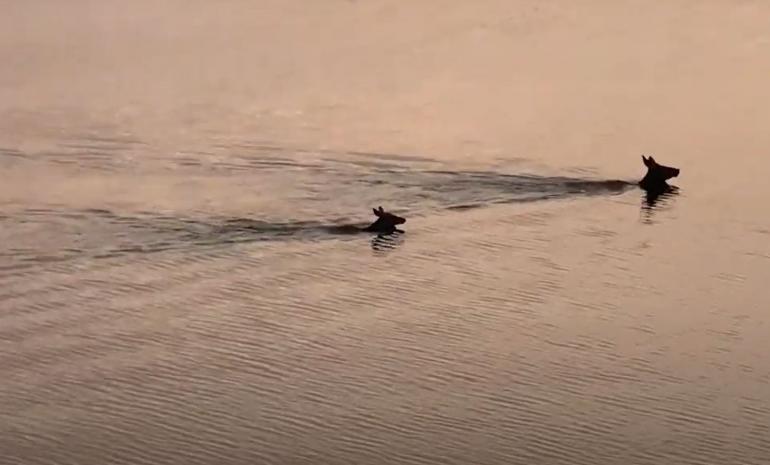
Some people are surprised to learn that elk start swimming when they are still calves. Young elk, only a few months old, can follow their mothers across rivers. This skill is not just a rare event; it’s a natural part of life for wild elk.
How Elk Swim: The Mechanics
Elk swim with a strong, steady motion. They keep their heads above water, using their powerful legs to paddle. Their long legs and large hooves help them push through currents, while their large lungs provide the stamina needed for longer swims.
Their fur also helps. Elk have a thick, oily coat that repels water and provides buoyancy. This means they can stay afloat more easily than many other large mammals.
Here’s a simple comparison of elk swimming ability versus two other large North American mammals:
| Animal | Max Swim Distance | Average Speed |
|---|---|---|
| Elk | Up to 1.5 miles (2.4 km) | Approx. 3 mph (4.8 km/h) |
| Moose | Over 6 miles (10 km) | Approx. 4 mph (6.4 km/h) |
| White-tailed Deer | Up to 1 mile (1.6 km) | Approx. 2 mph (3.2 km/h) |
While elk are not the fastest swimmers, their ability to cross wide rivers or lakes is impressive for their size.
Why Do Elk Swim?
Elk swim for several important reasons:
- Migration: In spring and fall, elk often migrate between summer and winter ranges. Rivers and lakes can block their paths, so swimming is essential for reaching new areas with better food and shelter.
- Escaping Predators: Wolves, bears, and cougars hunt elk. When chased, elk may plunge into water to escape. Many predators are less skilled swimmers, so water can be a safe refuge.
- Finding Food: In summer, elk often feed on aquatic plants. Swimming lets them reach islands or marshy places with lush vegetation.
- Crossing Obstacles: Elk territories are huge, sometimes over 500 square miles. Rivers and lakes are just part of their home, so crossing water is an everyday necessity.
- Cooling Off: In hot weather, elk sometimes swim or stand in water to cool down and avoid biting insects.
How Far And How Fast Can Elk Swim?
Most elk can easily swim across rivers that are 100 to 300 yards (90 to 275 meters) wide. There are records of elk swimming over a mile (1. 6 km) when needed. In rare cases, elk have crossed even larger bodies of water, though this is unusual.
Elk swim at a steady pace—about 2 to 3 miles per hour (3 to 5 km/h). This lets them save energy and stay afloat longer. Because elk are strong, they can handle moderate currents, but extremely fast or rough water can be dangerous.
Here’s a look at the distances elk have been seen to swim in different environments:
| Location | Typical Swim Distance | Reason |
|---|---|---|
| Yellowstone River | 200–500 yards (180–460 m) | Migration or escape |
| Alaska Coast | Over 1 mile (1.6 km) | Island access |
| Canadian Rockies | 500 yards (460 m) | Food search |
Elk Swimming Vs. Other Deer Species
People sometimes confuse elk with other large deer, like moose or red deer. All these species can swim, but there are key differences.
- Moose are excellent swimmers and can cover longer distances than elk. Moose have been seen crossing wide lakes and even swimming between islands.
- Red deer (found in Europe and Asia) swim well, but they tend to cross smaller rivers.
- White-tailed deer swim too, but they are lighter and less powerful than elk.
Another difference: elk usually swim in groups, especially during migration, while moose often swim alone.
Dangers And Challenges Elk Face In Water
Even though elk are strong swimmers, water can be dangerous. Here are some of the main risks elk face:
- Strong Currents: Fast-moving rivers can carry elk downstream or even cause them to drown, especially during spring melt.
- Cold Water: Hypothermia is a real risk. If elk swim in very cold water for too long, they may lose strength and become unable to climb out.
- Exhaustion: Elk sometimes overestimate their ability or the distance to shore. Long swims, especially for young or old animals, can be deadly.
- Predators: While water can be a refuge, sometimes predators wait on the other side, or even pursue elk into the water.
- Human Barriers: Dams, fences, and other man-made structures can block elk migration and force them into dangerous crossings.
Interestingly, one insight many people miss is that elk have learned to avoid river crossings during peak flooding. They often wait for water levels to drop, showing an ability to assess risk—a sign of their intelligence.
How Do Calves And Young Elk Learn To Swim?
Young elk, called calves, follow their mothers from a very early age. Within weeks of birth, calves can swim across rivers with the herd. The mother leads, and the calf’s natural instinct takes over. They do not receive special training; swimming is an instinctive skill.
However, the first crossings are risky. Calves are more likely to be swept downstream or separated from the group. Because of this, elk herds often choose safer, slower parts of rivers for their youngest members to cross.
Notable Examples Of Elk Swimming
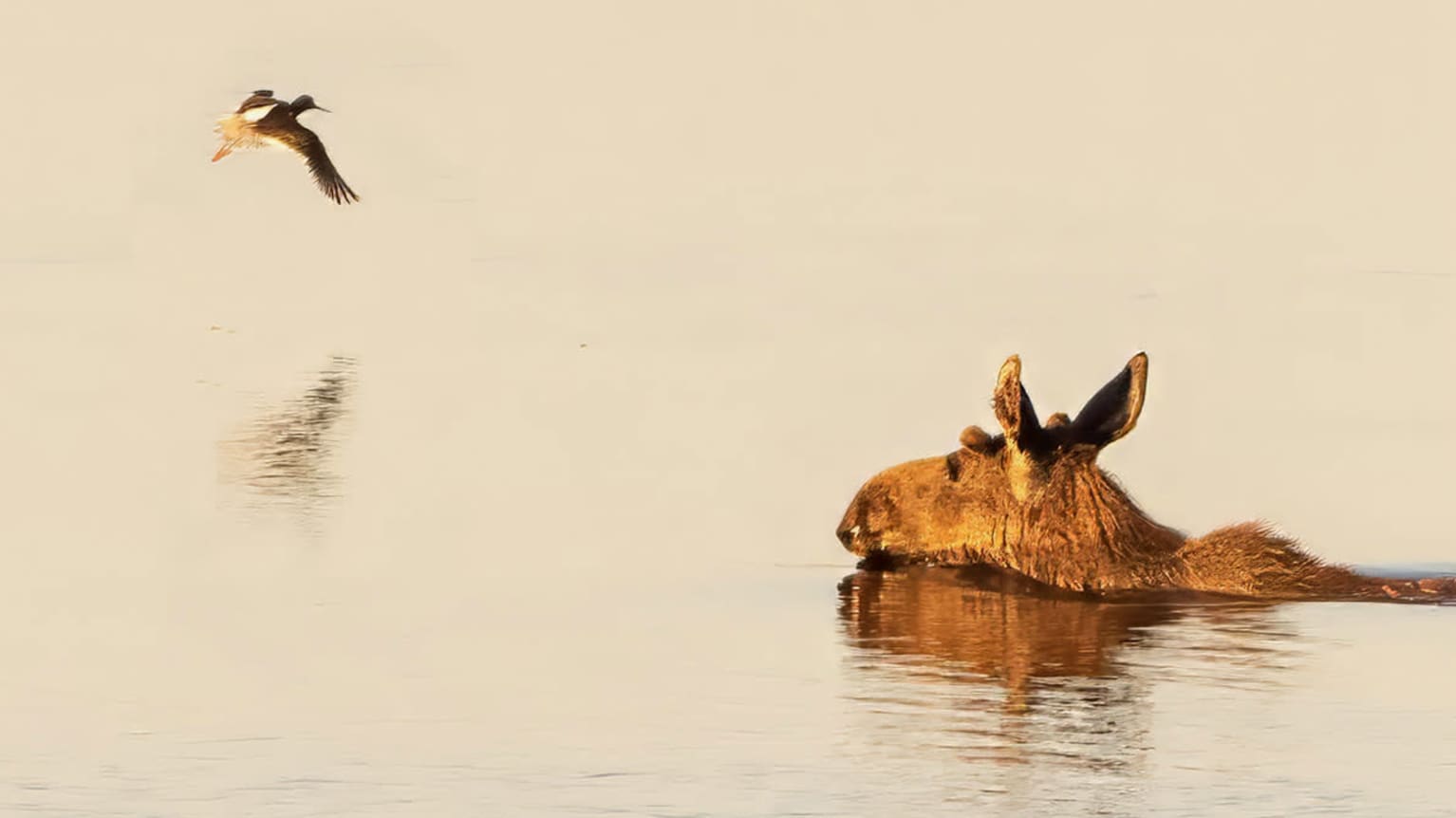
There are many stories of elk swimming across impressive distances. In Alaska, elk have been seen crossing from the mainland to islands more than a mile offshore. In Yellowstone, visitors sometimes see entire herds crossing the Yellowstone River together, creating a dramatic sight.
One famous example happened in British Columbia, Canada, where a group of elk swam nearly two miles (over 3 km) across a lake to reach a new feeding ground. Such journeys show both the determination and the swimming power of these animals.
Do Elk Swim At Night?
Elk will swim at any time if needed. While they prefer to cross water during daylight—when they can better judge distance and spot danger—they sometimes swim at night, especially if chased by predators. Night crossings are riskier, but elk’s strong senses and memory help them find safe paths.
How Humans Impact Elk Swimming
Human activity often changes rivers and lakes. Dams can block elk migration routes, forcing herds to swim longer distances or find new paths. In some places, roads and fences near water can trap elk or make crossings more dangerous.
Some wildlife managers build special passages, called wildlife corridors, to help elk cross safely. These corridors allow elk to avoid busy roads and dangerous water crossings. When planning new developments, considering how elk move through their home range can make a big difference for their survival.
Surprising Facts About Elk Swimming
Here are two insights that often surprise beginners:
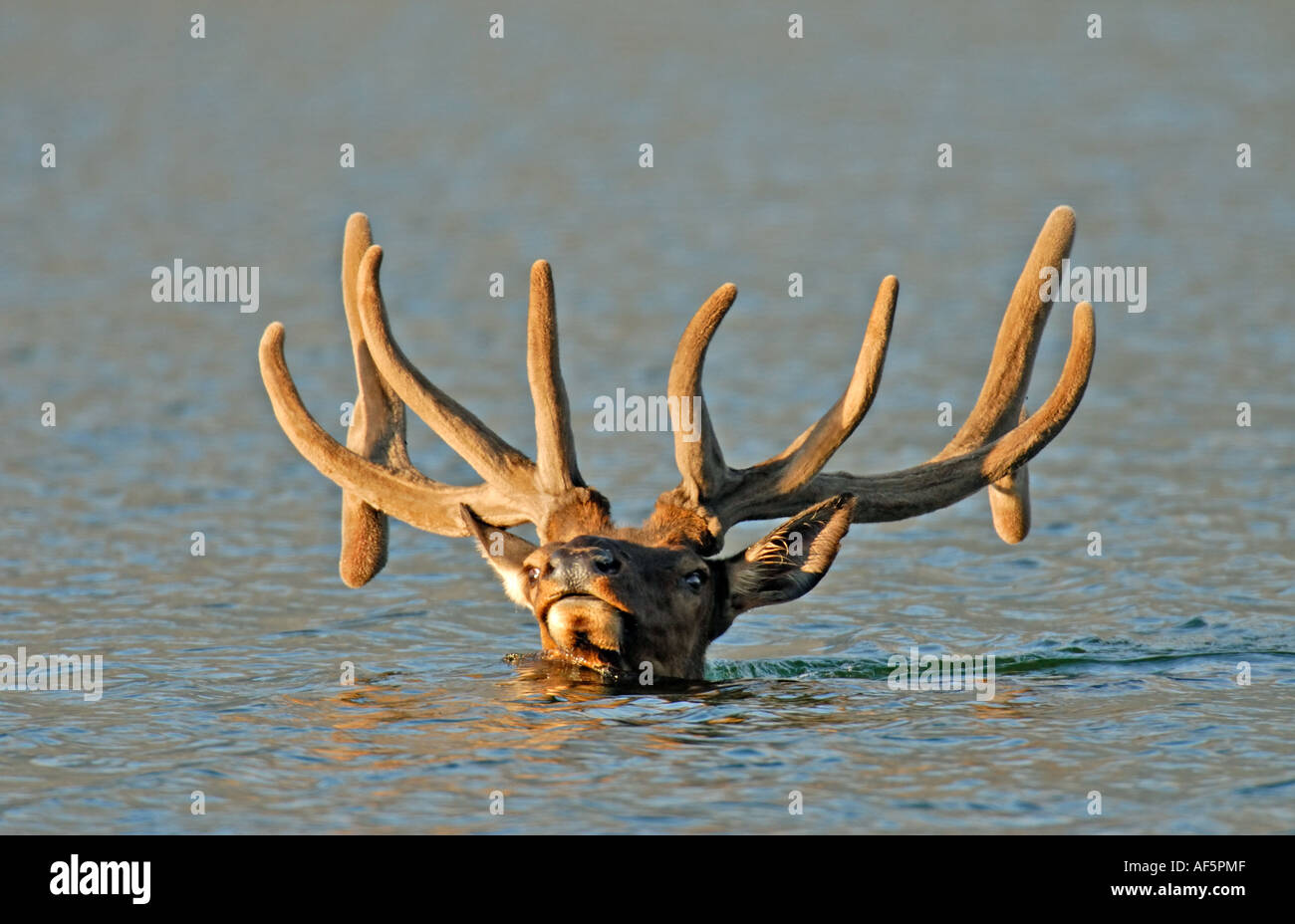
- Elk sometimes swim with their antlers above water, even when the rest of their body is submerged. This helps them breathe and keep balance, but also makes them visible from far away.
- Swimming is not just about strength—elk use their sense of smell and memory to find the safest crossing spots, often returning to the same places year after year.
What To Do If You Encounter Elk In Water
If you are hiking, boating, or fishing and see elk swimming, it’s important to keep your distance. Do not approach or try to help, unless an animal is clearly in distress and you have the skills and permission to assist.
Elk can panic if startled, increasing risk for them and for you.
Remember, elk are wild animals. Respecting their space keeps both you and the elk safe.
Frequently Asked Questions
How Long Can Elk Swim Without Stopping?
Most elk can swim for 30 to 60 minutes without rest, covering up to 1. 5 miles (2. 4 km) if needed. In rare cases, elk have been seen swimming even farther, but this is not typical.
Are Elk Better Swimmers Than Moose?
Moose are generally stronger swimmers and can cross larger bodies of water than elk. However, elk are still very skilled and can cross wide rivers and lakes with no trouble.
Do Elk Ever Drown While Swimming?
Sadly, yes. Elk can drown if caught in strong currents, trapped by ice, or exhausted after a long swim. Calves and older elk are at higher risk.
Can Elk Swim Underwater?
Elk do not swim underwater like some animals. They always keep their heads above water, using their nose and eyes to navigate.
Where Can I See Elk Swimming In The Wild?
Some of the best places to see elk swimming are Yellowstone National Park, the Canadian Rockies, and parts of Alaska. Early morning or late evening during migration seasons is the best time. For more about elk behavior and migration, visit the Wikipedia Elk page.
Elk are more than just land animals; they are surprisingly strong swimmers, using water as part of their daily lives. Whether for migration, escape, or finding food, their swimming ability is a key part of their survival. Next time you see a river winding through a wild valley, remember: for elk, it’s just another path to cross.