Have you ever tried to set up your telescope during the day and felt stuck trying to get it perfectly aligned? Polar alignment is key to smooth, accurate stargazing, but most guides focus on doing it at night.
What if you could nail this crucial step before the stars even come out? You’ll discover simple, effective ways to polar align your telescope during daylight hours. By mastering these techniques, you’ll save time, avoid frustration, and be ready to explore the night sky the moment darkness falls.
Keep reading—you’re about to unlock a game-changing skill for every amateur astronomer.

Why Daytime Polar Alignment Matters
Polar alignment is key for clear and steady views through a telescope. Most people do this at night, using stars as guides. But aligning your telescope during the day has its own value. It lets you set up early and avoid rushing in the dark.
Daytime polar alignment saves time and helps prepare for night observations. It also makes the process safer and easier for beginners. Understanding why daytime alignment matters can improve your overall stargazing experience.
Benefits Of Daytime Alignment
Daytime alignment lets you prepare your telescope before nightfall. This means more time for actual observing once it is dark. You can avoid the stress of working in low light. It also helps you double-check your setup in clear daylight.
Performing alignment during the day can be more comfortable. No need to deal with cold or insects. It allows you to learn and practice without pressure. This can build confidence for night use.
Challenges You Might Face
Daytime alignment lacks visible stars as reference points. This makes it harder to find the exact position of the North or South Pole. You may need special tools like a solar filter or compass. Bright sunlight can cause glare and make readings difficult.
Accuracy can be lower without stars to guide you. Small mistakes might affect night observations. Patience and careful adjustments are essential. Using a clear horizon and landmarks can help overcome these challenges.
Essential Tools You’ll Need
Polar aligning a telescope during daylight needs some key tools. These tools help you find the right position without the stars. Having the right gear saves time and improves accuracy. Below are the essential tools you will need for a successful daytime polar alignment.
Polar Scope And Mount
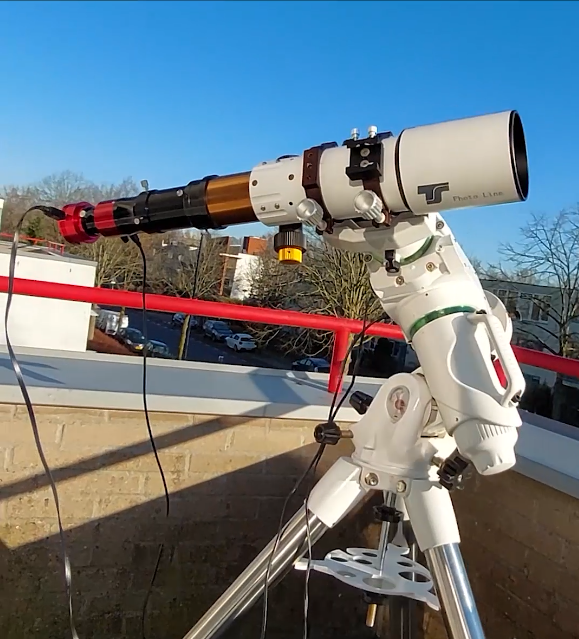
A polar scope is a small telescope built into the mount. It helps you see the celestial pole even in daylight. The mount holds your telescope steady and allows smooth adjustments. Both must be properly attached and calibrated. They guide you to align the telescope with Earth’s axis.
Compass And Level
A compass helps find true north, a must for polar alignment. Choose a compass with clear markings and good sensitivity. A level ensures your mount sits perfectly horizontal. Using both tools together sets a strong foundation. This improves the accuracy of your daytime alignment.
Smartphone Apps
Smartphone apps show the position of the celestial pole and Polaris. Many apps use GPS and compass features for precise direction. Some apps have night mode to protect your eyes during night setups. These apps make daytime polar alignment easier and faster. They are handy tools for beginners and experts alike.
Preparing Your Telescope
Preparing your telescope properly sets the stage for accurate polar alignment. It makes the whole process easier and more precise. You want your telescope steady and well positioned before starting. Small mistakes here can cause big problems later. Take your time and follow each step carefully.
First, get your equipment ready and find a flat, stable surface. Clear any clutter that might block your view or disturb the setup. Good preparation helps you avoid frustration and saves time during alignment.
Setting Up The Mount
Start by assembling the mount according to the manual. Ensure all parts are securely tightened. Loose parts can cause vibrations and misalignment. Keep the mount level and stable on the surface. Check that the mount allows smooth movement for adjustments. This step is key to a smooth polar alignment process.
Aligning The Tripod
Place the tripod on firm ground. Adjust the legs to make the tripod as level as possible. Use a bubble level if you have one for accuracy. Uneven tripods lead to errors in polar alignment. Spread the legs wide to increase stability. The tripod must not wobble or shift during use.
Locating The Celestial Pole Without Stars
Locating the celestial pole without stars can be tricky during the day. The sky lacks visible stars, so traditional methods won’t work. Still, you can align your telescope using the sun and landmarks. These tools guide you to the right spot for polar alignment. Follow simple steps to find the celestial pole without needing star visibility.
Using The Sun’s Position
The sun’s position changes throughout the day. This movement helps estimate the celestial pole location. Use a solar chart or app to track the sun’s angle at your location. Align your telescope’s mount to the sun’s position at specific times. This method requires careful timing and a clear sky. It lets you approximate the celestial pole direction without stars.
Relying On Landmarks
Fixed landmarks help point toward the celestial pole. Find a distant, stable object aligned with the pole’s direction. Use a compass to measure the azimuth angle from your spot. Align your telescope mount toward that landmark. This technique works well in open areas with clear views. Landmarks provide a steady reference during daytime polar alignment.
Step-by-step Daytime Polar Alignment
Daytime polar alignment helps you set up your telescope for accurate tracking. It avoids night-time guesswork and makes your observing easier. Follow these clear steps to align your telescope during daylight hours.
Adjusting The Altitude And Azimuth
Start by setting your mount’s altitude. Use a built-in scale or a digital level. Set it to your local latitude. Next, adjust the azimuth. Turn the mount left or right to roughly point north. Use a compass for this step. This initial setup positions your telescope close to the celestial pole.
Fine-tuning The Polar Scope
Look through the polar scope inside your mount. Focus the reticle to get a clear view. Identify the sun’s position or a bright daytime star. Move the scope’s crosshairs to center this object. Adjust altitude and azimuth slowly for precise alignment. This step improves the accuracy of your mount’s tracking.
Verifying Alignment
After adjustments, check if the mount tracks smoothly. Attach a camera or eyepiece. Observe a distant object for a few minutes. If the object stays centered, alignment is good. If not, repeat fine adjustments. This verification ensures your telescope will follow the sky correctly at night.
Tips For Improving Accuracy
Improving accuracy in polar aligning a telescope during the day is key for clear views. Small errors can cause big problems at night. Follow these tips to get better results and enjoy sharper images.
Avoiding Common Mistakes
Check your setup twice before starting. Make sure the tripod is level and stable. Don’t rush the alignment steps. Take your time to adjust the mount carefully. Avoid guessing the position of Polaris or the sun. Use precise measurements for latitude and azimuth. Double-check all screws and locks are tight. Clear any obstructions blocking the mount’s view.
Using Apps For Real-time Guidance
Use smartphone apps designed for polar alignment. These apps show the exact position of Polaris or the sun. They help you adjust your mount step-by-step. Some apps provide a compass and level tool too. Follow the app instructions slowly and carefully. Apps reduce guesswork and improve your accuracy. Update the app regularly for best performance.
Testing Your Alignment At Night
Testing your alignment at night is a key step in using your telescope effectively. After setting up your telescope during the day, night testing shows how well the telescope tracks stars. It helps confirm that your polar alignment is accurate. This step allows you to see if any changes are needed for better viewing.
Tracking Stars
Begin by selecting a bright star near the celestial equator. Center the star in your telescope’s eyepiece. Turn on the telescope’s tracking motor if it has one. Watch the star closely to see if it stays in the center. If the star drifts, your alignment needs adjustment. This test shows how well your telescope matches the earth’s rotation.
Making Final Adjustments
Use small movements of the mount to correct the star’s position. Adjust the azimuth and altitude controls slowly. Make tiny changes and observe the star for several minutes. The goal is to keep the star centered without drifting. Repeat this process until the star stays steady. These fine adjustments improve your view of the night sky.

Frequently Asked Questions
How Can I Polar Align A Telescope During Daylight?
You can use a solar filter and a compass to find Polaris’s approximate position. Then adjust your mount accordingly for daylight alignment.
What Tools Are Needed For Daytime Polar Alignment?
Essential tools include a solar filter, a compass, an inclinometer, and a polar scope adapter for precise daytime alignment.
Is Daytime Polar Alignment Less Accurate Than At Night?
Daytime alignment can be slightly less accurate due to limited star visibility but still effective with proper tools and techniques.
Can I Use My Smartphone For Daytime Polar Alignment?
Yes, smartphone apps with compass and inclinometer features help locate Polaris and adjust your telescope mount during the day.
Conclusion
Polar aligning a telescope during the day takes patience and practice. Use the sun and a compass to find the right direction. Small adjustments help you get better accuracy. Keep checking your alignment before each session. With time, daytime polar alignment becomes easier and more precise.
Clear skies will reward your efforts with sharp views at night. Try these steps, and enjoy your telescope’s full potential.