Have you ever tried to use binoculars but ended up with a blurry view? It’s frustrating when you want to see something clearly, but the image just won’t come into focus.
The good news is, learning how to focus binoculars is easier than you think. With a few simple steps, you can instantly sharpen your view and enjoy every detail, whether you’re birdwatching, hiking, or watching a game. Keep reading, and you’ll discover exactly how to get crystal-clear sights every time you look through your binoculars.
Choosing The Right Binoculars
Choosing the right binoculars is important for clear and comfortable viewing. The right pair helps you see objects sharply and reduces eye strain. It depends on your needs and the environment you will use them in. Understanding the types and features can guide your choice.
Types Of Binoculars
Binoculars come in different types for various uses. Roof prism binoculars are slim and light. They fit easily in a backpack. Porro prism binoculars offer better depth and wider views. They are bulkier but often cheaper. Compact binoculars are small and easy to carry. They work well for casual use. Full-size binoculars have larger lenses. They gather more light for bright images. Choose the type based on comfort and use.
Key Features To Consider
Magnification shows how close objects appear. A 7x or 10x magnification suits most needs. Lens diameter controls light entry. Bigger lenses show brighter images but are heavier. Field of view is the width you see through. Wide views help in tracking moving objects. Eye relief is the distance your eye can be from the lens. Longer eye relief is better for glasses wearers. Waterproof and fog-proof binoculars last longer outdoors. Focus type also matters. Some have center focus; others have individual eyepiece focus. Pick features that match your activity and comfort.

Basic Parts Of Binoculars
Understanding the basic parts of binoculars helps you focus them better. Each part plays a role in making images clear and sharp. Knowing these parts makes it easier to adjust your binoculars correctly.
Eyepieces And Lenses
Eyepieces are the small lenses you look through. They bring the image closer to your eyes. The large lenses at the front gather light from far away. Clear lenses give bright and sharp views. Clean lenses improve your viewing experience.
Focus Wheel And Diopter
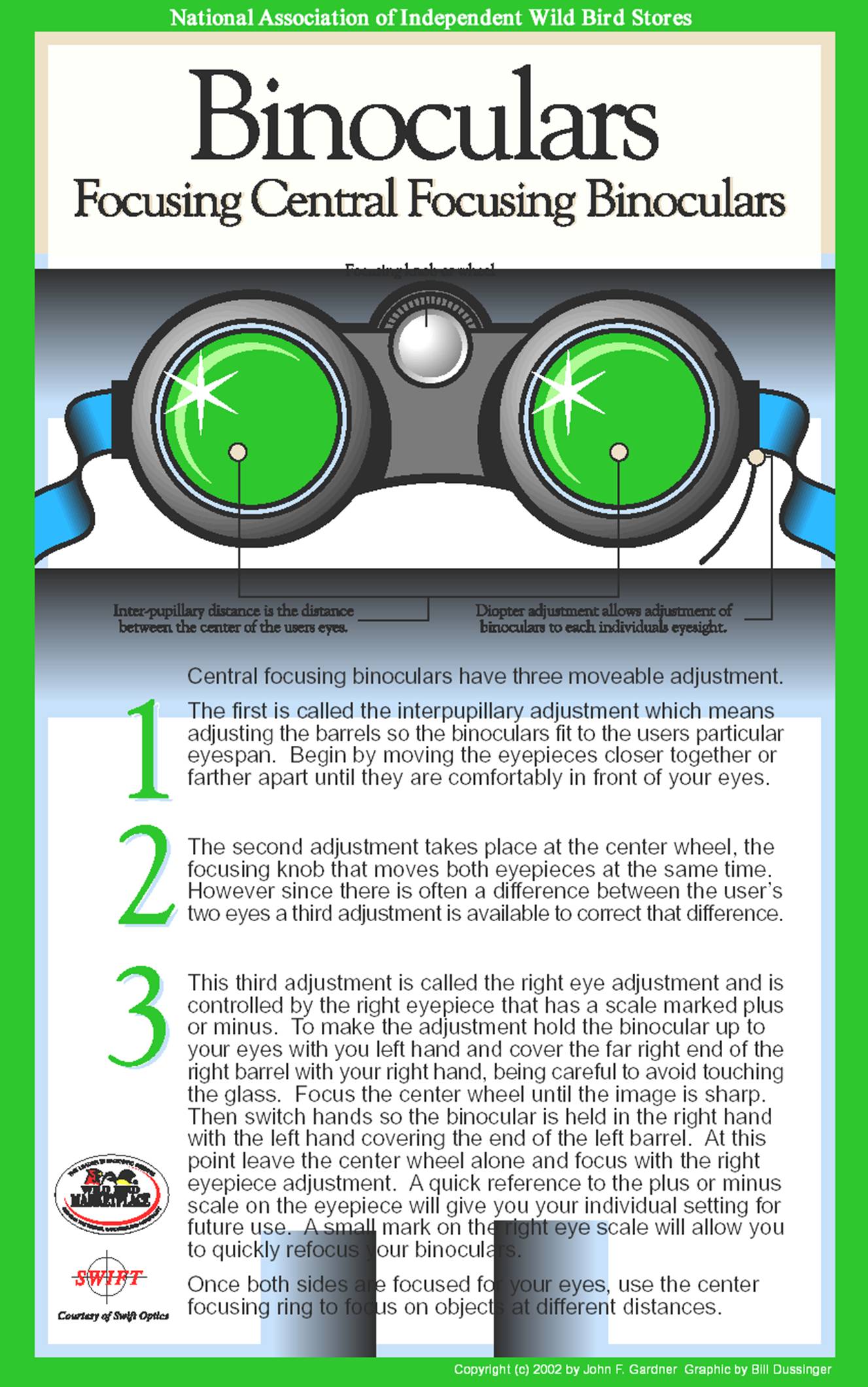
The focus wheel is in the center of binoculars. It adjusts the distance to make objects sharp. The diopter adjusts differences between your eyes. It helps balance the focus for both eyes. Use these controls to get a clear picture.
Preparing For Focus
Preparing your binoculars for focus is an important first step. Proper setup ensures a clear and sharp view. Taking time to adjust the basics saves frustration later. Follow simple steps to get ready for focusing your binoculars.
Start by making sure the binoculars fit your eyes well. Then, adjust settings to match your vision. These steps help you see details clearly and comfortably.
Adjusting The Interpupillary Distance
Interpupillary distance (IPD) is the space between your eyes. Each person’s eyes have a unique distance. Adjusting the binoculars to match this distance is key.
Hold the binoculars up to your eyes. Slowly move the barrels closer or farther apart. Stop when you see one clear, round image. This alignment prevents double vision and eye strain.
Setting The Diopter
The diopter adjusts for differences between your two eyes. It helps to sharpen the image for the eye that needs correction. Most binoculars have a diopter ring near one eyepiece.
Close your right eye and look through the left eyepiece. Focus on a distant object using the center focus wheel. Then, close your left eye and open your right eye.
Adjust the diopter ring until the object appears sharp and clear. This step customizes the focus to your vision perfectly. Once done, both eyes will see a crisp image.
Step-by-step Focusing Process
Focusing binoculars correctly is key to seeing clear, sharp images. The process involves adjusting two main parts. First, you use the central wheel to get a rough focus. Then, you fine-tune the focus with the diopter setting. This step-by-step approach helps you see details clearly and comfortably.
Focusing With The Central Wheel
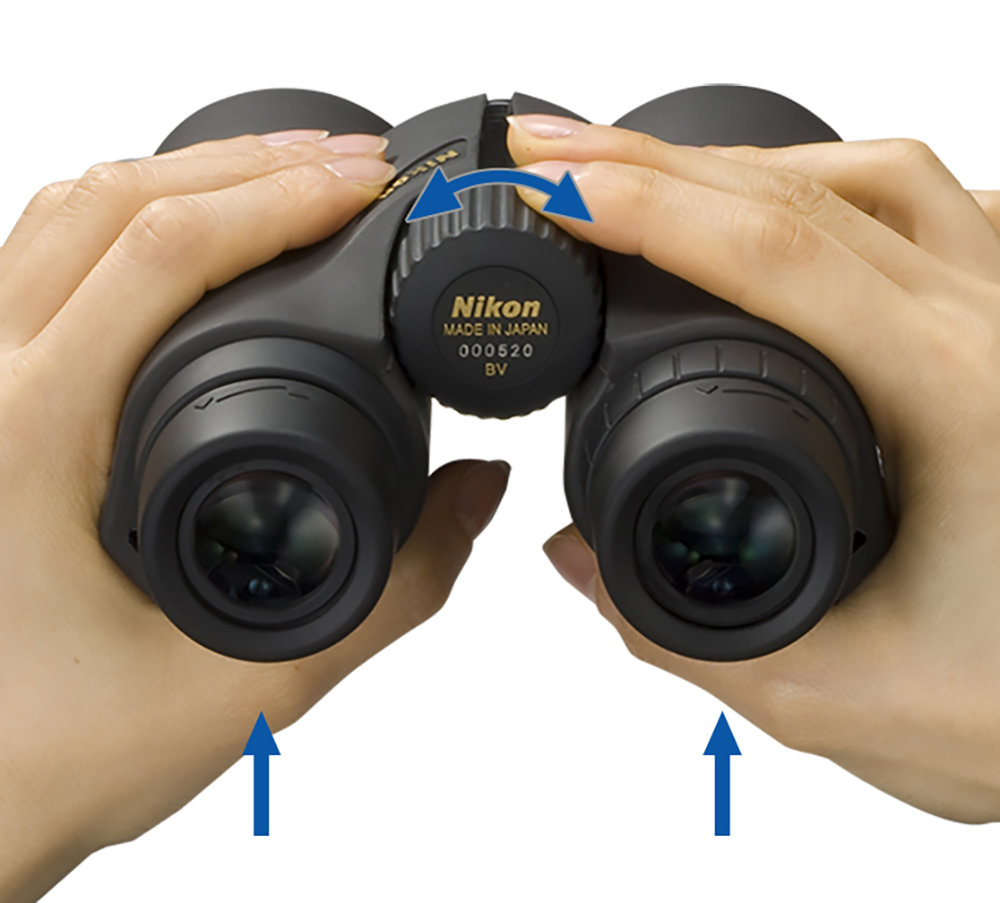
Hold the binoculars up to your eyes. Look at an object far away. Use your index finger to turn the central wheel slowly. Watch the image as it becomes clearer. Stop turning when the object looks sharp and focused. This step sets the main focus for both eyes together.
Fine-tuning With The Diopter
Close your right eye or cover the right lens. Use the central wheel again to focus with your left eye only. Once the left eye’s image is clear, open both eyes. Now, close your left eye or cover the left lens. Turn the diopter ring on the right eyepiece. Adjust it until the right eye sees a sharp image. This step balances the focus for each eye.
Tips For Stable Viewing
Stable viewing is key to getting clear images through your binoculars. Shaky hands can blur the view and tire your arms quickly. Small adjustments in how you hold your binoculars can make a big difference. This section shares simple tips to keep your view steady and sharp.
Proper Holding Techniques
Hold binoculars close to your face for better control. Keep your elbows tucked in to your body. This reduces arm movement and helps steady your view. Use both hands to support the binoculars evenly. Avoid gripping too tightly, as it can cause tension and shaking. Breathe slowly and gently to stay calm and steady. Take breaks to relax your arms during long viewing sessions.
Using A Tripod For Clarity
A tripod provides the best stability for your binoculars. Attach a tripod adapter to your binoculars if needed. Set the tripod on a flat surface to avoid wobbling. Adjust the height to match your eye level. Use the tripod to hold the binoculars steady for long periods. This method is perfect for bird watching or stargazing. With a tripod, you get a clear, sharp view every time.
Common Focusing Issues
Focusing binoculars can sometimes be tricky. Users often face common issues that affect clarity and comfort. Understanding these problems helps fix them fast. Clear vision depends on proper focus and alignment. Below are frequent focusing issues and simple ways to solve them.
Blurry Image Causes
Blurry images often result from incorrect focus settings. The central focus wheel might not be adjusted properly. Dirty lenses can also blur the view. Sometimes, the eyepiece diopter is set wrong. Each eye sees a different image sharpness. This difference causes an overall blurry effect. Environmental factors like fog or dust may reduce clarity.
Fixing Misalignment Problems
Misalignment happens when binoculars do not line up correctly. This problem makes the image double or causes eye strain. Checking the barrels for proper alignment is key. Gently adjust the hinge until both eyes see one image. Dropped or rough use can cause misalignment. Professional repair might be needed for severe cases. Regular care keeps your binoculars aligned and clear.
Maintenance For Clear Vision
Maintaining your binoculars ensures clear vision every time you use them. Dirt, dust, and moisture can blur the lenses and reduce image quality. Proper care keeps the lenses clean and the binoculars working well for years.
Cleaning The Lenses
Use a soft brush or air blower to remove loose dust. Avoid using rough cloths that can scratch the glass. Gently wipe the lenses with a microfiber cloth designed for optics. Use lens cleaning solution if needed. Never use household cleaners or paper towels on lenses.
Storing Binoculars Safely
Store binoculars in a dry place to avoid moisture damage. Use a protective case to keep dust and dirt away. Keep them away from extreme temperatures and direct sunlight. Always close the lens caps when not in use. Proper storage helps maintain sharp and clear vision.
Frequently Asked Questions
How Do I Adjust Focus On Binoculars?
To focus binoculars, first set the diopter ring to match your eye difference. Then, use the central focus wheel to sharpen the image for both eyes.
Why Is My Binocular Image Blurry After Focusing?
Blurry images often result from incorrect diopter settings or improper focusing. Recalibrate the diopter and adjust the central focus wheel slowly until the image is clear.
Can I Focus Binoculars For Multiple Users?
Yes, but each user must adjust the diopter to their eyesight. The central focus wheel adjusts the main focus for both eyes simultaneously.
How To Focus Binoculars For Close Objects?
Turn the central focus wheel slowly while looking at the close object. Stop adjusting when the image becomes sharp and clear to your eyes.
Conclusion
Focusing binoculars is simple with practice and patience. Start by adjusting the central wheel for a clear view. Then, fine-tune the diopter to match your eyesight. Take your time and avoid rushing the process. Clear images make outdoor activities more enjoyable.
Keep these steps in mind every time you use your binoculars. Soon, focusing will feel natural and quick. Enjoy sharper views with just a few easy adjustments.