Flying a drone with FPV (First Person View) cameras is like putting yourself in the pilot’s seat. The camera sends live video to your goggles or screen, letting you see what the drone sees. But as more people want clearer, sharper video, a big question comes up: *Do FPV cameras support HD video?* The answer isn’t as simple as yes or no. FPV technology has changed a lot in recent years, and not all FPV setups are the same. Some still use standard definition, while others now offer beautiful HD feeds.
For drone pilots—whether you’re racing, filming, or just flying for fun—the quality of your FPV camera can change your whole experience. This article breaks down how FPV cameras work, what “HD video” really means in this context, the types of FPV cameras available, and what you should know if you want high-definition video.
You’ll learn not only about camera specs, but also about the other gear needed for a true HD experience. If you’re considering upgrading your FPV setup, or just want to understand the tech better, this guide will help.
What Is An Fpv Camera?
An FPV camera is a small, lightweight camera mounted on drones, RC cars, or airplanes. Its main job is to send live video to the pilot’s goggles or monitor. This “first person” view lets you control your vehicle as if you were inside it.
Unlike action cameras like GoPro, FPV cameras are designed for real-time transmission with as little delay (latency) as possible. They usually connect to a video transmitter (VTx), which sends the video signal wirelessly to your receiver.
FPV cameras come in different shapes and sizes, but they share some common features:
- Low latency: Fast video feed, so your movements match what you see.
- Wide field of view: Lets you see more of the environment.
- Lightweight build: So your drone stays agile.
These cameras are essential for FPV racing, freestyle flying, and even professional drone cinematography.
Understanding Hd Video In Fpv
When people talk about HD video, they usually mean video with a resolution of at least 720p (1280×720 pixels) or higher. In the FPV world, “HD” has a specific meaning, because not all FPV systems can handle true high-definition video.
What Counts As Hd?
In general, standard definition (SD) FPV video is 480p or lower (720×480 pixels or less). HD FPV video starts at 720p and can go up to 1080p or even 4K for recording, but most live feeds max out at 1080p due to technology limits.
Why Is Hd Hard In Fpv?
Sending HD video live is more challenging than recording it. You need:
- High-bandwidth transmission: More data means you need better wireless systems.
- Low latency: HD video takes more time to process, which can introduce delay.
- Compatibility: All devices (camera, VTx, goggles/monitor) must support HD.
Many older or cheaper FPV setups still use analog video, which is limited to SD. Newer systems use digital transmission for HD, but these are more expensive and require special equipment.
Types Of Fpv Cameras And Their Video Quality
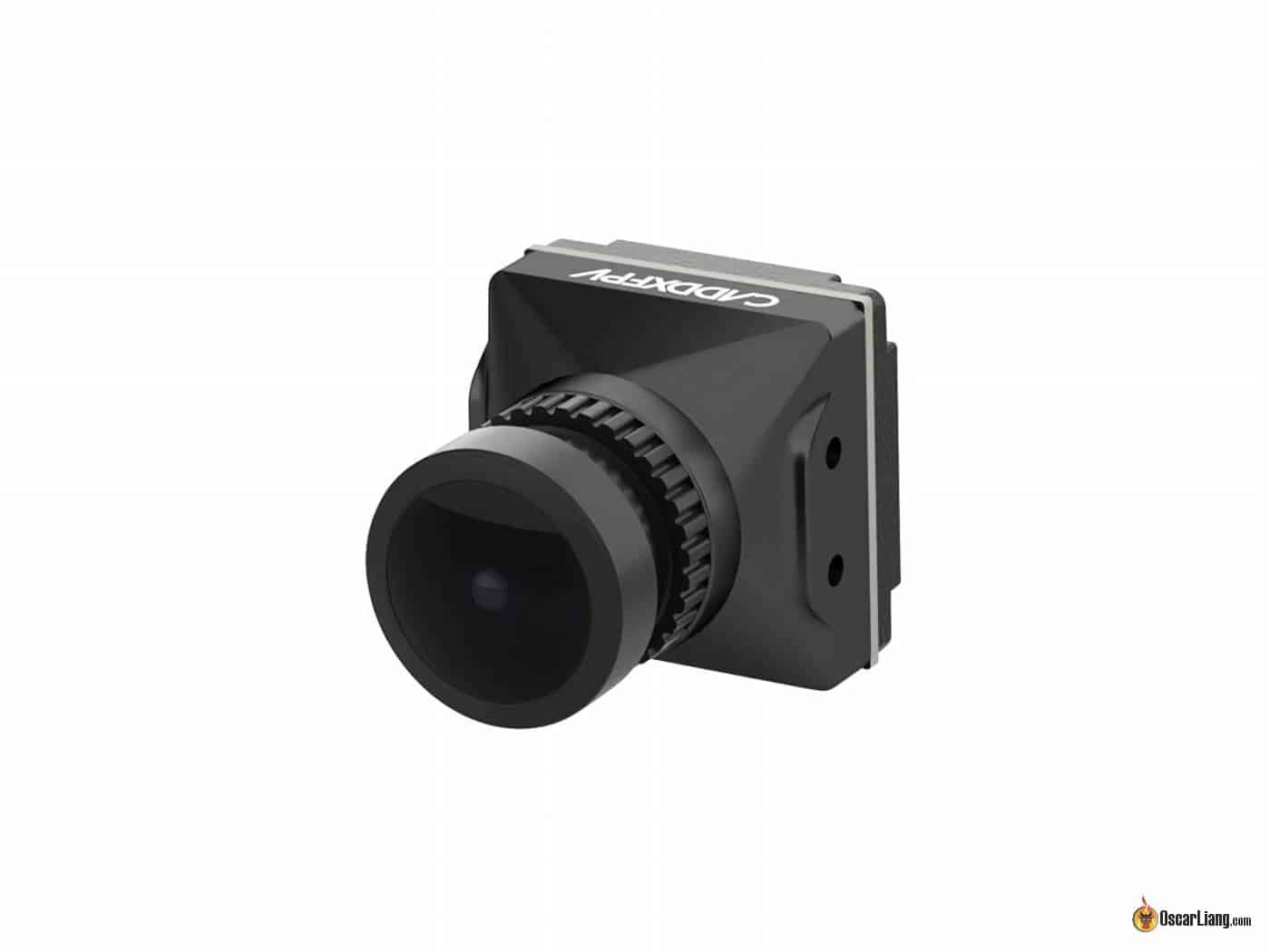
FPV cameras come in two main types: analog and digital. The video quality and the ability to support HD depend on which type you use.
Analog Fpv Cameras
Analog cameras have been the standard for many years. They send video using older TV signals (like NTSC or PAL), which means:
- Maximum resolution is SD (usually 480p or less)
- Very low latency
- Simple and lightweight
- Compatible with most FPV goggles and monitors
Analog is popular for racing drones because fast response is more important than image quality. However, analog video often looks fuzzy, with visible static and color distortion.
Digital Fpv Cameras
Digital FPV systems are the new standard for HD video. They send video as digital data, similar to your phone or computer.
- Supports 720p, 1080p, or higher
- Much clearer image with real colors
- Slightly higher latency, but still fast enough for most uses
- Requires digital VTx and compatible goggles
Popular digital systems include DJI FPV, Walksnail Avatar, and HDZero. These systems are more expensive but offer a much better viewing experience.
Camera And System Comparison
Here’s a quick look at how analog and digital FPV camera systems compare:
| Feature | Analog FPV | Digital FPV |
|---|---|---|
| Resolution | SD (up to 720×480) | HD (720p to 1080p+) |
| Latency | Very Low (~10-20ms) | Low to Moderate (20-40ms typical) |
| Image Quality | Fuzzy, some static | Sharp, clear, real colors |
| Cost | Lower | Higher |
| Compatibility | Most goggles | Needs special goggles/receivers |
Do All Fpv Cameras Support Hd Video?
The short answer is no. Only digital FPV cameras (and their systems) can send HD video live. Analog FPV cameras are limited to SD.
Here are a few key points:
- Analog cameras: Cannot send true HD video. Even if the sensor is high quality, the analog transmission limits the video to SD.
- Digital cameras: Designed for HD video. These cameras, paired with digital VTx and goggles, can send 720p or 1080p video live.
This means if you want HD video, you need to invest in a digital FPV system from the start. Swapping only the camera won’t upgrade your video if the rest of your system is analog.
Popular Fpv Camera Brands And Their Hd Support
Not all FPV cameras are equal. Some brands focus on analog, some on digital, and some offer both.
Top Brands Supporting Hd Fpv
- DJI: Their FPV Air Unit and O3 camera systems are famous for 720p/1080p live HD video.
- Walksnail Avatar: Competes with DJI, offering digital HD FPV systems.
- HDZero: Focuses on low-latency HD digital FPV for racing and freestyle.
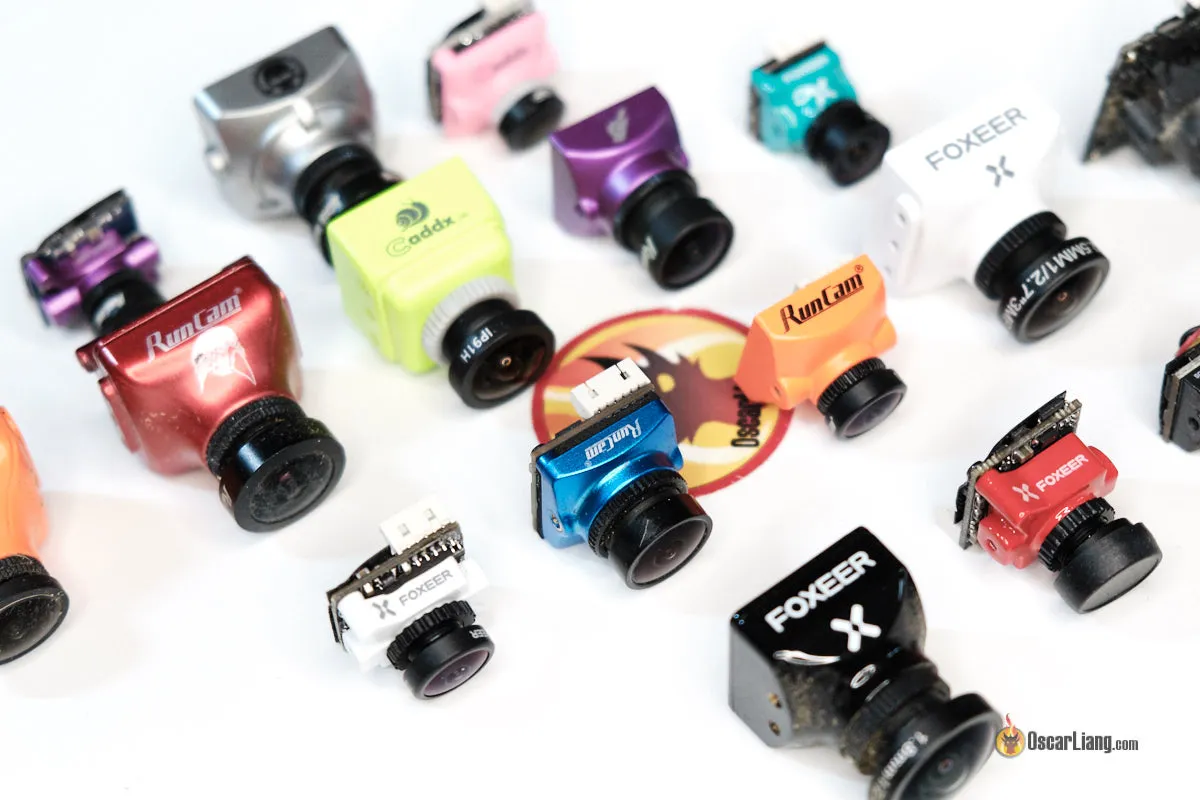
- RunCam: Offers both analog and digital FPV cameras. Their “Split” series records HD but sends SD live, unless paired with digital VTx.
- Caddx: Makes cameras for both analog and digital systems, including DJI-compatible models.
- Foxeer: Known for analog cameras but also offers digital FPV options.
Example Camera Specifications
Let’s compare three popular FPV cameras:
| Model | Type | Max Live Resolution | Latency | Best For |
|---|---|---|---|---|
| DJI O3 Air Unit | Digital | 1080p 60fps | ~30ms | Freestyle, Cinematic |
| RunCam Phoenix 2 | Analog | 720×480 | ~20ms | Racing |
| HDZero Nano | Digital | 720p 60fps | ~20ms | Racing, HD |
What Do You Need For Hd Fpv Video?
Simply buying an HD FPV camera is not enough. To get real-time HD video, your whole FPV system must support it.
Essential Components For Hd Fpv
- Digital FPV Camera: The starting point. Must be designed for digital transmission.
- Digital Video Transmitter (VTx): Sends high-bandwidth video signal wirelessly.
- Compatible Receiver/Goggles: Needs to decode and display HD video. Analog goggles won’t work.
- Antenna System: Good antennas reduce video dropouts and improve signal quality.
- Power Supply and Wiring: Digital systems often use more power than analog.
Example: Dji Digital Fpv System
A typical DJI HD setup includes:
- DJI camera (built into the Air Unit or O3 system)
- DJI Air Unit (VTx)
- DJI FPV Goggles (receiving and displaying HD video)
- Power and antennas
If you mix analog and digital parts, the system will only work in SD.

Analog Fpv: Why It’s Still Popular
You may wonder why many pilots still use analog cameras if HD is so much better. There are a few reasons:
- Lower cost: Analog systems are much cheaper, making them good for beginners.
- Lower latency: Analog has less delay, which is important for competitive racing.
- More flexible: Easier to repair, lighter, and works with older goggles.
- Better penetration: Analog video sometimes handles obstacles (like trees or walls) better.
For fast drone racing, a split-second delay can mean missing a gate or crashing. That’s why many racers stick with analog, even though the video is less clear.
Digital Fpv: The Rise Of Hd Video
In the last few years, digital FPV has gotten much better. DJI’s system led the way by making HD video easy to use and reliable.
Advantages Of Digital Hd Fpv
- Much clearer image: You can see leaves, wires, and small details.
- Recording and live view: Many digital systems can record in 4K while sending 1080p live.
- No static: Digital video either works or cuts out—no fuzzy lines.
- Easier sharing: Video can be saved and uploaded easily.
Limitations Of Digital Fpv
- More expensive: Higher cost for camera, VTx, and goggles.
- Compatibility: Must use matching digital parts.
- Slightly higher latency: Still fast, but not as instant as analog for top racers.
- Signal dropouts: Digital systems may freeze or “blue screen” instead of showing static.
Key Features To Look For In An Hd Fpv Camera
If you’re shopping for an HD FPV camera and system, consider these features:
- Resolution: Look for at least 720p; some systems offer 1080p or higher.
- Frame Rate: 60fps is smoother for fast flying; some cameras offer 120fps.
- Latency: Lower is better for racing or freestyle.
- Field of View (FOV): A wider FOV helps with situational awareness.
- Light Performance: Good cameras handle bright sunlight and shadows better.
- Weight and Size: Important for small drones.
- Compatibility: Make sure your camera matches your VTx and goggles.
Common Mistakes When Upgrading To Hd Fpv
Switching to HD FPV is exciting, but beginners often make these mistakes:
- Mixing analog and digital parts: The system will only work in analog if not all parts are digital.
- Ignoring latency: Some digital systems have higher latency than expected.
- Underestimating cost: Upgrading everything for HD can be expensive.
- Forgetting antennas: Cheap or mismatched antennas can ruin your HD signal.
- Power issues: Digital systems may need better batteries or wiring.
Plan your upgrade carefully. Read reviews, check compatibility, and ask other pilots for advice.
Real-world Uses For Hd Fpv Cameras
Why go to all the trouble for HD FPV? Here’s where HD makes a big difference:
Cinematic Drone Footage
For drone filmmakers, HD FPV lets you see exactly what you’re filming. You can frame shots perfectly, avoid obstacles, and make sure every detail is sharp.
Freestyle Flying
Freestyle pilots love HD because it shows every branch, wire, or gap. You can pull off tricks with more confidence.
Search And Rescue
HD FPV helps rescuers spot people, animals, or hazards more easily in challenging terrain.
Inspections
For inspecting towers, roofs, or other structures, HD video helps spot small cracks or problems that SD might miss.
The Future Of Fpv Cameras And Hd Video
FPV technology is still changing fast. Each year, new systems promise better video and lower latency. Some trends to watch:
- 4K FPV: Some digital systems can now record in 4K while sending 1080p live.
- Wireless advances: New protocols and frequencies for less interference.
- Better compression: Lower latency with high quality.
- Integrated systems: Cameras, VTx, and recording in one small unit.
More pilots are choosing digital HD systems as prices fall and quality improves. Analog will stick around for racing and budget builds, but HD is the future for most other uses.
A Closer Look: Recording Vs Live Hd Video
It’s important to understand that some FPV cameras can record HD video, but only send SD live. For example, the RunCam Split series has an SD analog output for live FPV, but records up to 4K on a memory card. True HD FPV means the live video you see in your goggles is HD—not just the recording.
Here’s how recording and live video compare:
| Feature | FPV Live Video | Onboard Recording |
|---|---|---|
| Purpose | See in real-time as you fly | Save high quality video for later |
| Resolution | SD (analog) or HD (digital) | Up to 4K |
| Latency | Very important | Not important |
| What you need | Camera, VTx, receiver/goggles | Camera with SD card slot |
If you want both: choose a camera/system that supports HD live feed and onboard recording.
Is Hd Fpv Video Right For You?
Choosing between analog and digital FPV depends on your needs and budget:
- Racing: Stick with analog for lowest latency and cost.
- Freestyle or Cinematic: Go digital for HD video and better image quality.
- Learning: Analog is easier and cheaper for practice drones.
If you care about seeing every detail or want to share beautiful flight footage, digital HD FPV is worth the investment. If you just want to fly fast and crash without worry, analog still works.
Frequently Asked Questions
What Resolution Is Considered Hd For Fpv Cameras?
In FPV, HD resolution usually means 720p (1280×720) or higher for live video. Some systems offer 1080p live feeds, and a few can record up to 4K. For true HD FPV, both the camera and the rest of your system must support digital HD transmission.
Can I Use An Hd Fpv Camera With Analog Goggles?
No. Analog goggles can only show SD video. To see HD, you need digital FPV goggles or a monitor that matches your camera’s digital system (like DJI or Walksnail). Some digital goggles can show analog with a special receiver module, but the main purpose is for digital HD video.
Is Hd Fpv Video Good Enough For Racing?
Digital HD FPV has improved a lot, but top racers still prefer analog for the lowest possible latency. Most digital systems are fast enough for freestyle and casual racing, but in top-level races, even a 10–20ms delay can matter. For most pilots, HD is fast enough.
What Is The Best Hd Fpv System For Beginners?
The DJI FPV system is popular for beginners because it’s easy to set up and offers great video quality. Walksnail Avatar and HDZero are good alternatives with their own strengths. Choose a system with good support and clear instructions. For more details, you can check the Wikipedia FPV entry.
Can I Upgrade My Analog Fpv Drone To Hd?
Yes, but you need to replace all main parts: the camera, video transmitter, and goggles/receiver. It’s not just a camera swap. Make sure your drone has enough space and power for the new digital gear. Plan your upgrade to avoid compatibility problems.
Flying with FPV cameras is an amazing experience, and HD video makes it even better. Whether you’re a racer, a filmmaker, or just flying for fun, understanding your camera’s capabilities—and the rest of your FPV system—is the key to getting the best view from above.