What Does Fpv Mean In Drones?
Drones have changed how we see the world, making aerial photography, racing, and exploration easier than ever. If you’ve read about drones or watched videos online, you’ve probably seen the term FPV. But what does FPV mean in drones? And why is it so important for both hobbyists and professionals? This article explains FPV in simple words, covers how it works, its uses, and why it’s different from other ways to fly drones. Whether you’re curious or planning to buy your first drone, understanding FPV will help you make smarter decisions.
The Meaning Of Fpv In Drones
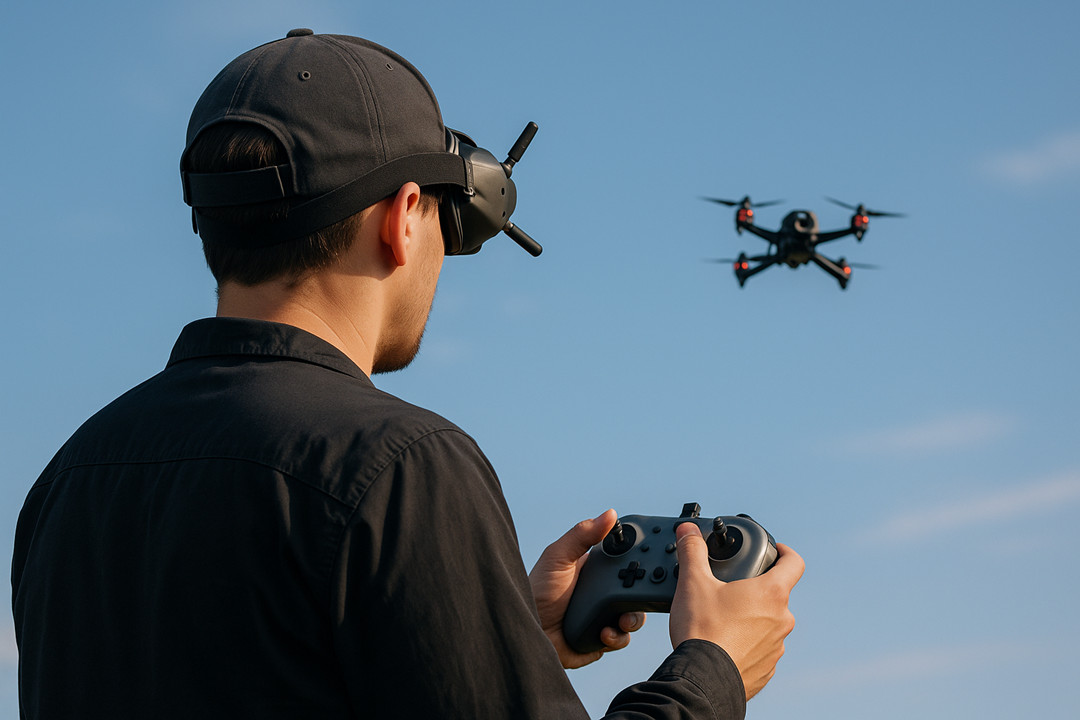
FPV stands for First Person View. In the world of drones, FPV means you see what the drone sees, almost as if you are sitting inside it. Instead of controlling the drone from the ground and watching it from afar, you get a live video feed from a camera mounted on the drone. This video stream is sent to a screen, smartphone, or special FPV goggles. With FPV, flying becomes more immersive and accurate.
Most traditional drones use Line of Sight flying. This means you watch the drone in the sky and steer it by looking at its movements. FPV changes this. You focus on the live video, not the drone itself. This style is popular for racing, exploring tight spaces, and capturing dramatic footage.
How Fpv Works In Drones
FPV is possible thanks to a combination of camera, video transmitter, receiver, and display. Here’s how each part helps:
- Camera: The drone has a small camera fixed at the front. This camera captures real-time video as the drone flies.
- Video Transmitter (VTX): The camera’s video is sent to a transmitter. This device converts the video into a signal and sends it wirelessly.
- Video Receiver (VRX): On the ground, a receiver picks up the signal. This receiver could be built into FPV goggles, a monitor, or a smartphone.
- Display Device: The receiver sends the video to your eyes. With FPV goggles, you see the drone’s view in real time.
Most FPV systems use analog transmission (like TV broadcasting), but digital FPV is becoming more common. Digital FPV provides clearer images but can be more expensive.
Fpv Transmission Range And Latency
One important factor in FPV is transmission range—how far the video signal can go before breaking up. Typical analog FPV setups have a range between 500 meters to 2 kilometers, depending on power and obstacles. Digital systems can reach similar ranges but often require stronger transmitters.
Latency is the delay between what the camera sees and what you see in your goggles or screen. Low latency is critical for racing and fast reactions. Analog FPV often has latency under 30 milliseconds, while digital systems may have 30–50 milliseconds.
Fpv Frequency Bands
FPV uses different radio frequency bands. The most common are 5.8 GHz, 2.4 GHz, and 1.3 GHz. Each has strengths and weaknesses:
- 5.8 GHz: Most popular, short range but good video quality.
- 2.4 GHz: Longer range, more interference from WiFi devices.
- 1.3 GHz: Longest range, larger antennas needed.
Here’s a quick comparison:
| Frequency | Range | Quality | Interference |
|---|---|---|---|
| 5.8 GHz | Short | High | Low |
| 2.4 GHz | Medium | Medium | High |
| 1.3 GHz | Long | Low | Low |
Choosing the right frequency depends on where you fly, how far you want to go, and what devices are nearby.

Types Of Fpv Drones
Not all drones are FPV drones. Some are made for FPV, while others are standard models with cameras for recording only. FPV drones come in different styles:
Racing Drones
FPV racing drones are built for speed and agility. They are small, lightweight, and fast—often reaching speeds of 80–120 mph. Pilots wear FPV goggles and race through courses with obstacles. Racing drones have powerful motors and responsive controls.
Freestyle Drones
Freestyle drones are similar to racing models but focus on tricks and smooth flying. Pilots perform flips, rolls, and other stunts, often recording their flights for online videos. These drones need durable frames and high-quality FPV cameras.
Cinewhoop Drones
Cinewhoop FPV drones are used for cinematic shots. They are usually small, have protected propellers, and carry action cameras like GoPro. Cinewhoops can fly indoors or through tight spaces, making them popular for creative filming.
Long-range Fpv Drones
Some FPV drones are built to fly long distances, sometimes several kilometers away. They use larger batteries, efficient motors, and lower-frequency bands like 1. 3 GHz. Long-range FPV is for exploration and mapping.
Ready-to-fly Vs Custom Fpv Drones
FPV drones can be Ready-To-Fly (RTF) or custom-built. RTF drones are pre-assembled and easy for beginners. Custom FPV drones allow users to choose parts, build their own, and tweak for performance.
| Type | Ease of Use | Performance | Customization |
|---|---|---|---|
| RTF FPV Drones | High | Medium | Low |
| Custom FPV Drones | Low | High | High |
Beginners often start with RTF models, while advanced pilots build their own.
Fpv Vs Non-fpv Drones: Key Differences
You may wonder how FPV drones differ from camera drones or standard models. Here are the main differences:
- Live View: FPV gives you a real-time video feed. Non-FPV drones may only record video or send it with delay.
- Control Style: FPV pilots rely on the video feed, not visual line of sight. Standard drones use line of sight.
- Immersion: FPV feels like you’re inside the drone. Regular drones feel more remote.
- Speed and Agility: FPV drones are built for fast, precise flying. Camera drones are heavier and slower.
- Purpose: FPV is for racing, tricks, and immersive flying. Non-FPV drones focus on photography and stable shots.
Example Comparison
Let’s compare a popular FPV drone (DJI FPV) and a camera drone (DJI Mavic Air 2):
| Feature | DJI FPV | DJI Mavic Air 2 |
|---|---|---|
| Video Transmission | Real-time FPV | Delayed/HD |
| Speed | 87 mph | 42 mph |
| Camera Quality | 4K/60fps | 4K/60fps |
| Flight Style | Immersive | Stable |
| Purpose | Racing/Freestyle | Photography |
FPV drones and camera drones serve different needs. It’s important to know which fits your goals.
Benefits Of Fpv In Drones
FPV makes drone flying more exciting and useful. Here are the main benefits:
- Immersive Experience: FPV goggles let you feel like you’re flying, not just watching.
- Better Control: You see obstacles and paths from the drone’s view, making navigation easier.
- Racing and Competition: FPV is the only way to compete in drone races, which are growing worldwide.
- Creative Filming: FPV drones create unique shots that are impossible with ground cameras.
- Exploration: FPV allows you to explore places you can’t reach by walking.
- Learning and Skill Building: FPV flying teaches fast reactions, hand-eye coordination, and technical skills.
Two Non-obvious Insights
- Many beginners miss that FPV flying requires practice. The immersive view can be confusing at first, and crashes are common. Flight simulators help you train before using real drones.
- FPV systems are sensitive to signal interference. Flying near metal structures or WiFi networks can disrupt the video feed, leading to “blackouts” or lag.
Challenges And Risks Of Fpv Flying
FPV is exciting, but it comes with challenges and risks:
- Learning Curve: FPV controls are different. Beginners often crash or lose orientation.
- Signal Loss: If you fly too far or in places with obstacles, the video signal may drop, making you lose control.
- Legal Issues: Many countries have rules about FPV flying. In the US, FPV pilots must keep the drone in sight or have a “spotter.”
- Equipment Costs: FPV systems can be expensive. Goggles, transmitters, and receivers add to the cost.
- Safety Concerns: High-speed FPV drones can cause injuries or damage. Always check your surroundings before flying.
Common Mistakes
- Flying without checking battery levels. FPV drones use powerful batteries, but flights are short (3–7 minutes).
- Ignoring local regulations. FPV drones sometimes break rules about flying near airports or people.
- Not practicing in simulators. Many crashes happen because pilots skip training.
Fpv Equipment: What You Need
If you want to try FPV, you’ll need some basic equipment. Here’s what’s required:
- FPV Drone: Choose a model that fits your needs (racing, freestyle, cinewhoop).
- FPV Camera: Quality matters. Look for cameras with low latency and wide field of view.
- Video Transmitter (VTX): Make sure it’s compatible with your receiver and has enough range.
- FPV Goggles or Monitor: Goggles are immersive; monitors are easier for beginners.
- Remote Controller: Needed for steering and controlling flight.
- Batteries: FPV drones use LiPo batteries. Always have extras.
- Charger: Fast and safe charging is important.
- Spotter (optional): For legal compliance and safety.
Popular Fpv Goggles
- Fat Shark: Known for high-quality analog FPV goggles.
- DJI FPV Goggles: Offer digital video with clear images.
- Skyzone: Good mix of price and features.
Fpv For Beginners: Tips And Guidance
If you’re new to FPV, start slow and learn step by step. Here are some tips:
- Try a Simulator: Before flying a real drone, use FPV simulators like Liftoff or DRL Simulator. They help you practice controls and get used to the FPV view.
- Choose an RTF Drone: Ready-to-fly models are easier for beginners. You won’t need to build or set up parts.
- Start in Open Spaces: Fly where there are few obstacles. Parks or empty fields are best.
- Keep Flight Short: FPV drones drain batteries fast. Limit flights to 3–5 minutes at first.
- Learn Regulations: Check your country’s rules about FPV flying. In the US, drones must be registered and flown below 400 feet.
- Practice Recovery: Learn how to control the drone if you lose signal or orientation.
- Use a Spotter: Having someone watch the drone while you fly FPV helps avoid accidents.
Two Insights Beginners Miss
- FPV cameras often have lower resolution than regular cameras. The focus is on speed and low latency, not perfect image quality.
- Weather affects FPV video. Fog, rain, or strong sunlight can disrupt the signal or make it hard to see.
Fpv Drone Racing: The Sport Explained
Drone racing is one of the most exciting uses of FPV. Pilots compete by flying through courses at high speed, using FPV goggles to navigate. Races are held indoors or outdoors, and courses have gates, tunnels, and turns.
Racing Leagues
- Drone Racing League (DRL): One of the biggest FPV racing leagues, with televised events and big prizes.
- MultiGP: Community-driven racing events in the US and worldwide.
Racing drones are custom-built for speed. Most have carbon fiber frames and powerful motors. Pilots use special controllers and practice for hours.
Stats
- FPV racing drones reach up to 120 mph.
- Races last 1–2 minutes per round.
- Top pilots earn thousands in prize money.
FPV racing is growing fast, with new leagues and events every year.
Fpv In Cinematic Filmmaking
FPV drones are used in movies, ads, and YouTube videos. They create shots that move through buildings, forests, or crowds. Cinewhoop drones are especially popular for this.
Example
The opening sequence of the movie “Red Notice” used FPV drones to fly through tight spaces and follow actors. Many commercials use FPV for dramatic effect.
Benefits
- Unique angles and movement.
- Fast, smooth transitions.
- Ability to fly indoors or close to objects.
Filmmakers love FPV for creative storytelling.
Fpv In Industrial And Commercial Use
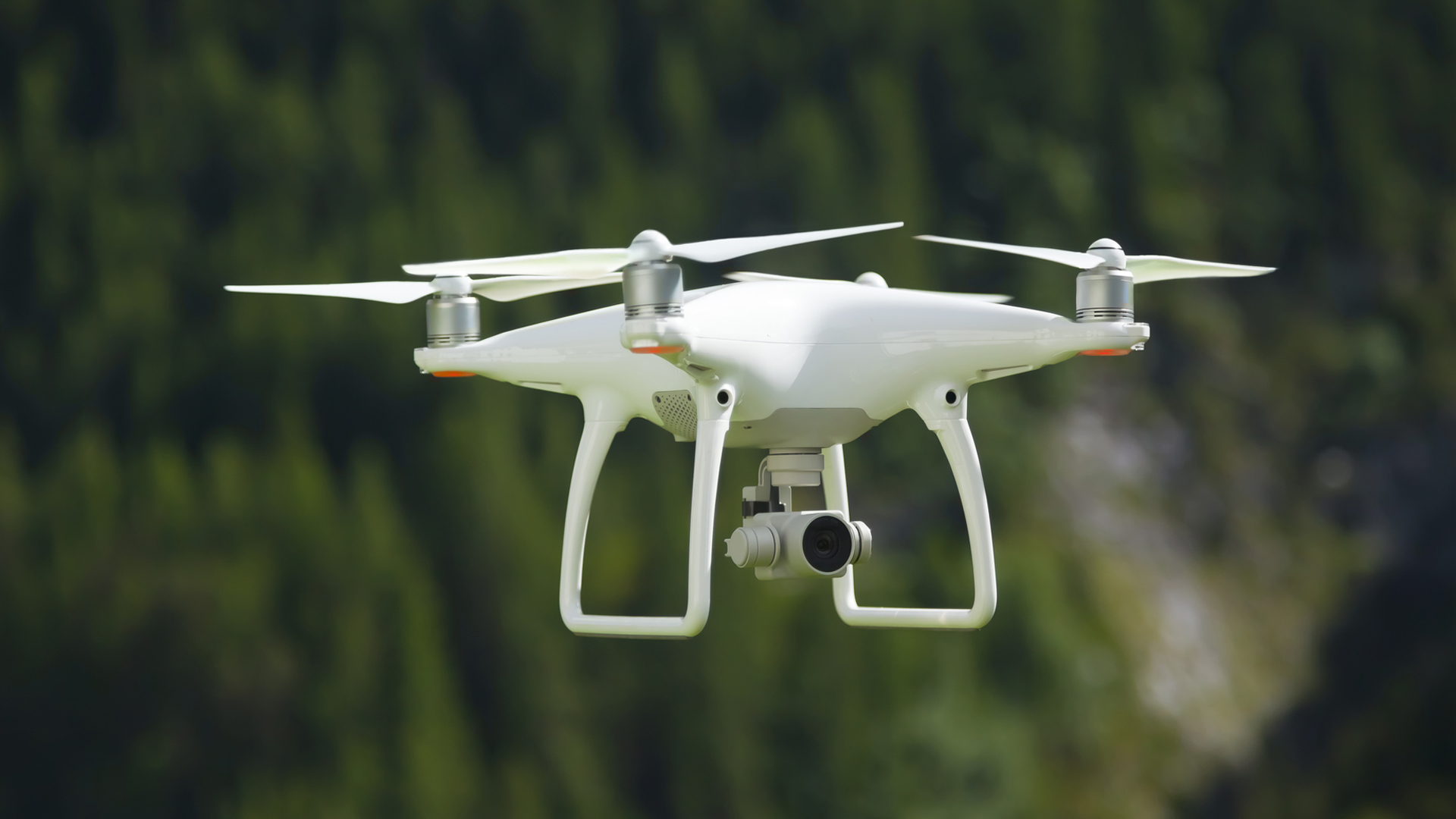
FPV isn’t just for fun. Many companies use FPV drones for work:
- Inspection: FPV drones check bridges, towers, and power lines.
- Search and Rescue: FPV drones reach hard-to-access areas to find missing people.
- Mapping: FPV drones scan land for farming or construction.
FPV makes these jobs safer and faster. Operators see what’s happening in real time and react quickly.
Legal And Safety Considerations
FPV drones are subject to rules. Here are the main points:
- Visual Line of Sight: In many countries, you must keep the drone in sight or have a spotter.
- Registration: Drones over a certain weight must be registered (in the US, over 250 grams).
- No Fly Zones: Avoid airports, military bases, and crowded areas.
- Altitude Limits: Usually under 400 feet.
- Insurance: For commercial use, insurance is recommended.
Breaking these rules can result in fines or confiscation.
For more details, check the FAA’s official guidelines at FAA Drone Rules.
Frequently Asked Questions
What Does Fpv Stand For In Drones?
FPV means First Person View. In drones, FPV lets you see live video from the drone’s camera, making you feel like you’re flying from inside the drone.
Do I Need Special Goggles For Fpv Flying?
FPV goggles are not required, but they make flying more immersive. You can also use a monitor or smartphone. Goggles are best for racing and fast flying.
Is Fpv Legal Everywhere?
FPV is legal in many countries, but rules vary. Usually, you must keep the drone in sight or use a spotter. Always check your local regulations before flying.
Can I Use Fpv For Photography?
Yes, but FPV cameras focus on speed and low delay. For high-quality photos, use drones with dedicated cameras. Cinewhoop FPV drones can capture creative video shots.
What’s The Difference Between Fpv And Line Of Sight Flying?
FPV uses a camera and live video feed to control the drone. Line of sight means you watch the drone from the ground and steer based on its movements. FPV is more immersive and precise.
Flying FPV drones opens a world of possibilities—from racing to filmmaking to exploration. It’s a skill worth learning, but it requires practice, good equipment, and following rules. FPV makes drone flying more exciting and personal, letting you see the world from a whole new angle.