Are Fpv Cameras Analog Or Digital?
Flying a drone using FPV cameras is like seeing through the drone’s eyes. But if you’re new to FPV (First Person View) flying, you might wonder: are FPV cameras analog or digital? This question is important because it affects how you see images, the quality of your flight experience, and even what equipment you need. Let’s dive deep and explain everything in clear, simple English. You’ll understand the main differences, know what matters when choosing, and avoid common beginner mistakes.
What Is An Fpv Camera?
An FPV camera is a small camera mounted on a drone, RC car, or other remote-controlled vehicle. It sends live video to a pilot’s goggles or screen, allowing the pilot to control the vehicle as if they were inside it. FPV cameras are central to drone racing, freestyle flying, and aerial photography.
FPV cameras must be lightweight and compact. They are different from action cameras (like GoPro) because their main job is to stream real-time video, not record high-quality footage. Real-time means there is very little delay (latency) between what the camera sees and what you see.
Analog Vs. Digital: What’s The Real Difference?
FPV cameras can be analog or digital. This difference isn’t just about technology—it changes your experience.
Analog Fpv Cameras
Analog cameras send video using a traditional analog signal (like old TV broadcasts). The signal is continuous and changes based on the light captured by the camera. Most analog FPV systems use the NTSC or PAL standard, which were designed for television.
- Image quality: Usually lower resolution, slightly fuzzy or grainy.
- Latency: Very low (almost instant).
- Transmission: Uses radio frequencies (5.8 GHz is most common).
- Compatibility: Works with most FPV goggles and monitors.
- Price: Generally cheaper.
Digital Fpv Cameras
Digital cameras convert the image to digital data, which is sent as packets. The receiver then processes this data to display a clear, sharp image.
- Image quality: Much higher resolution, often HD or even 4K.
- Latency: Slight delay, but improving with new technology.
- Transmission: Uses digital protocols (like DJI’s proprietary system, or HDZero).
- Compatibility: Needs matching digital receivers and goggles.
- Price: Usually more expensive.
How Analog Fpv Cameras Work
Analog FPV cameras use simple technology. When light hits the camera sensor, it creates an electrical signal that represents the image. This signal is sent to a video transmitter (VTX), which broadcasts it wirelessly. Your FPV goggles pick up the signal and show the video in real time.
Analog signals are continuous, not digital. This means the camera does not process or compress the image. As a result, latency is extremely low. Pilots can react quickly to obstacles or changes, which is crucial in drone racing.
However, analog signals are easily affected by interference (static, noise, or other signals). The image can become snowy, distorted, or lose color. Still, analog systems are reliable and simple, making them popular for beginners and racers.
How Digital Fpv Cameras Work
Digital FPV cameras use more advanced sensors. The camera captures the image and turns it into digital data. This data is then compressed and sent to a digital transmitter. The receiver (goggles or monitor) decodes the signal and displays the image.
Digital transmission allows for higher resolution and better color accuracy. You get clearer pictures and can see more details. Digital systems also use advanced technology to reduce interference. Many digital FPV systems include features like recording the video, overlays (OSD), and even remote camera settings.
The main downside is latency. Digital systems need to compress and process the video before sending it. This takes a tiny bit of time—usually measured in milliseconds. Modern systems (like DJI) have reduced this latency to very low levels, but analog still has the edge for pure speed.
Comparison: Analog Vs. Digital Fpv Cameras
To make things clearer, here’s a comparison of the most important factors:
| Factor | Analog FPV Camera | Digital FPV Camera |
|---|---|---|
| Resolution | Up to 800TVL (approx. 480p) | 720p, 1080p, 4K |
| Latency | ~10 ms (very low) | ~20-40 ms (low) |
| Signal Interference | Prone to static/noise | Better resistance, sometimes digital artifacts |
| Cost | $20-$50 per camera | $60-$150 per camera |
| Compatibility | Wide, most goggles/monitors | Requires specific digital receiver/goggles |
| Recording | Usually not supported | Often supported |
Why Are Analog Fpv Cameras Still Popular?
Despite digital technology improving, analog FPV cameras remain popular for several reasons:
- Low latency: Racers need instant feedback. Analog delivers this best.
- Affordable: Analog cameras and transmitters are cheaper.
- Simple setup: Analog systems are easier to install and troubleshoot.
- Wide support: Almost all FPV goggles and monitors accept analog signals.
- Durability: Analog equipment can handle crashes and rough use.
Analog is also less picky about environments. It works well in areas with lots of radio interference, and the signal degrades gracefully (gets fuzzy, not lost).
Why Are Digital Fpv Cameras Becoming More Common?
Digital FPV cameras are growing fast, especially for aerial photography and freestyle flying. Here’s why:
- High image quality: Digital FPV offers clearer, sharper images. You see more details.
- Extra features: Digital systems often support recording, overlays, and camera control.
- Improved interference handling: Digital signals are less affected by noise.
- Easier sharing: HD footage can be shared online without extra equipment.
Pilots who want cinematic footage or fly in open spaces often choose digital. As technology advances, digital systems are getting lighter, faster, and more affordable.
Key Factors To Consider When Choosing Fpv Cameras
When picking between analog and digital FPV cameras, look at these factors:
1. Purpose
- Racing: Analog is usually better due to low latency.
- Freestyle/Photography: Digital is preferred for high-quality images.
2. Budget
Analog systems are cheaper. If you’re starting out or have a tight budget, analog is a smart choice.
3. Equipment Compatibility
Check what your goggles and transmitter support. Analog systems work with more equipment. Digital needs matching receivers and goggles.
4. Image Quality
If clear video matters more than instant response, digital is better.
5. Environment
Analog works well in crowded areas with lots of signals. Digital can struggle if there’s too much interference.
6. Expansion
Digital systems are getting better every year. If you want to upgrade later, consider future-proofing your setup.
Real-world Example: Racing Vs. Cinematic Flying
Let’s say you want to race drones. You need to see obstacles instantly and react fast. Analog FPV cameras shine here. Even a small delay can cause crashes.
If you’re filming beautiful landscapes or freestyle tricks, digital FPV cameras give you stunning images. You can record HD video and share it online. The slight extra latency is not a problem.
Analog Fpv Camera Technologies
Analog cameras use either CCD or CMOS sensors.
- CCD (Charge-Coupled Device): Older, more expensive, but handles light changes well. Used in some high-end analog cameras.
- CMOS (Complementary Metal-Oxide Semiconductor): Cheaper, uses less power, slightly worse in low light but improving.
Most modern analog FPV cameras use CMOS sensors because they are lighter and cheaper. They offer good performance for racing and casual flying.
Digital Fpv Camera Technologies
Digital FPV cameras use advanced CMOS sensors. They pair with strong digital transmitters, often using proprietary technology.
Dji Digital Fpv System
DJI’s system is the most popular digital FPV platform. It uses a custom protocol and offers HD video, recording, and overlays. DJI goggles are required to view the signal.
Hdzero
HDZero is another digital FPV system. It offers low latency (comparable to analog) but with HD video. It is popular among racers who want better image quality without sacrificing speed.
Other Systems
Some FPV cameras use Wi-Fi or custom digital links. These are less common, often used in toy drones or for special purposes.
Signal Transmission And Frequency
Both analog and digital FPV cameras usually transmit on the 5.8 GHz frequency. This is a common band for FPV because it offers good range and avoids interference from most Wi-Fi devices.
Digital systems sometimes use other frequencies (like 2. 4 GHz) for extra features or backup links. Signal strength, antenna quality, and environment all affect performance.
Example: How Latency Impacts Fpv Flying
Latency is the delay between what the camera sees and what you see in your goggles.
- Analog latency: Usually under 10 milliseconds. You see almost instantly.
- Digital latency: Can range from 20 to 40 milliseconds. New systems are getting faster (DJI claims 28 ms).
For most people, these differences are small. But racers flying at 60 mph feel every millisecond. A tiny delay can mean hitting a gate or missing a turn.
Image Quality: What Does Resolution Really Mean?
Analog FPV cameras measure resolution in TVL (TV Lines). Most analog cameras offer 600–800 TVL, which is roughly 480p.
Digital FPV cameras measure resolution in pixels (720p, 1080p, 4K). You see more detail, sharper edges, and clearer colors.
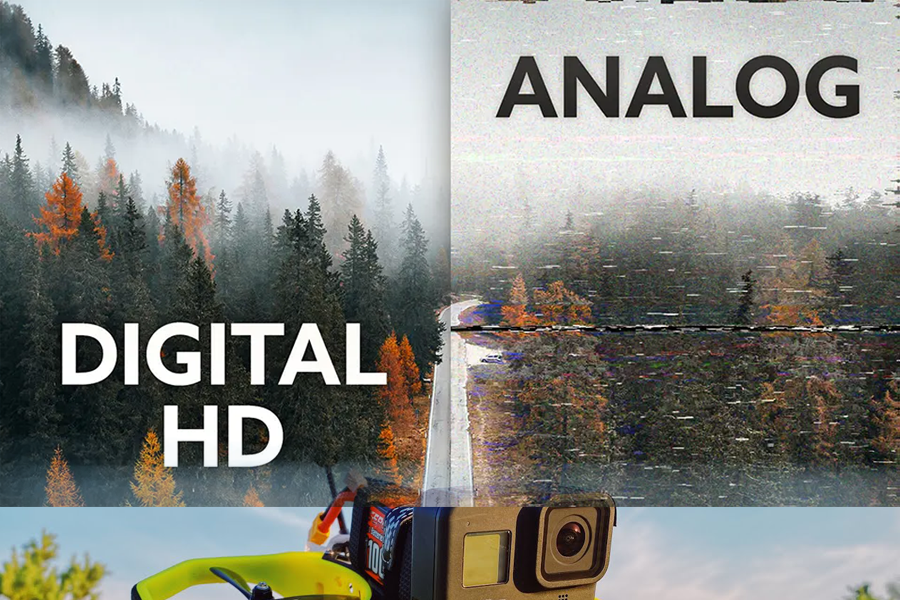
Here’s a side-by-side image quality comparison:
| Camera Type | Typical Resolution | Image Example |
|---|---|---|
| Analog | 800TVL (480p) | Fuzzy, grainy, muted colors |
| Digital | 1080p (HD) | Sharp, vibrant, clear details |
Common Mistakes Beginners Make
- Mixing analog and digital equipment: Goggles, transmitters, and cameras must match. Analog gear won’t work with digital, and vice versa.
- Ignoring latency: If you’re racing or flying fast, choose low-latency equipment.
- Underestimating signal interference: Crowded areas can ruin your signal. Use high-quality antennas and check your environment.
- Buying for image quality alone: Don’t forget compatibility and budget.
- Skipping research: Always check specs, reviews, and compatibility before buying.
Practical Tips For Choosing Fpv Cameras
- Start simple: For your first FPV setup, analog is easier and cheaper.
- Upgrade later: You can switch to digital as your skills improve.
- Check compatibility: Always match your camera, transmitter, and goggles.
- Test before buying: If possible, try both analog and digital systems.
- Ask experienced pilots: Local clubs or online forums can help you choose.
Future Trends In Fpv Cameras
Digital FPV cameras are improving fast. Latency is dropping, prices are coming down, and compatibility is getting better. Analog systems are also getting lighter and more robust.
Some experts believe analog will always be best for pure racing, while digital will dominate freestyle and cinematic flying. New hybrid systems may offer the best of both worlds, with low latency and high image quality.
Data: Fpv Camera Market Share
Recent surveys show:
- Analog FPV cameras: 70% of the market (2023)
- Digital FPV cameras: 30% and growing fast
Most new pilots start with analog. Digital systems, especially DJI, are gaining ground in freestyle and photography.
Non-obvious Insights Beginners Miss
- Digital cameras need matching transmitters and goggles. Buying a digital camera alone won’t work unless your whole system is digital.
- Analog signals degrade gradually. If you lose signal, the image gets fuzzy but you can still fly. Digital signals can drop out suddenly.
- Recording FPV video is easier with digital cameras. Analog systems require extra gear to record.
Example Brands And Models
Analog Fpv Camera Brands
- RunCam: Offers affordable, reliable analog cameras.
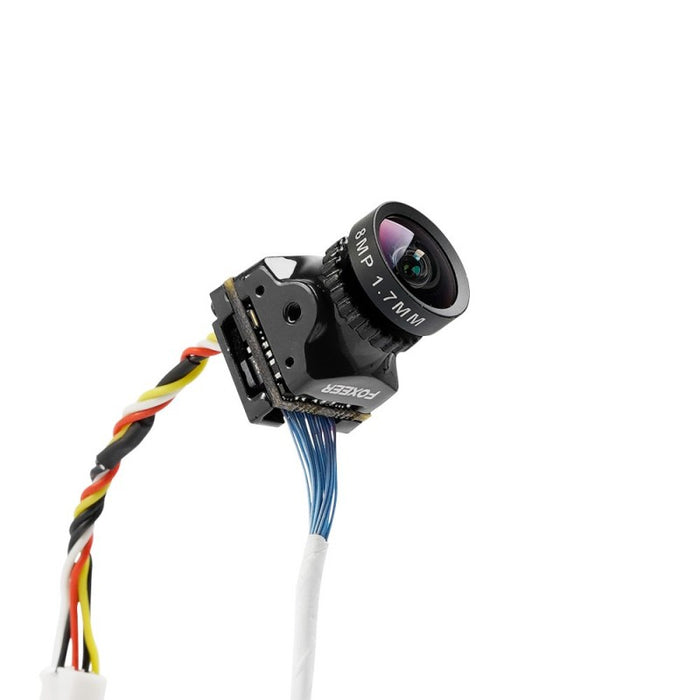
- Foxeer: Known for durable, high-quality models.
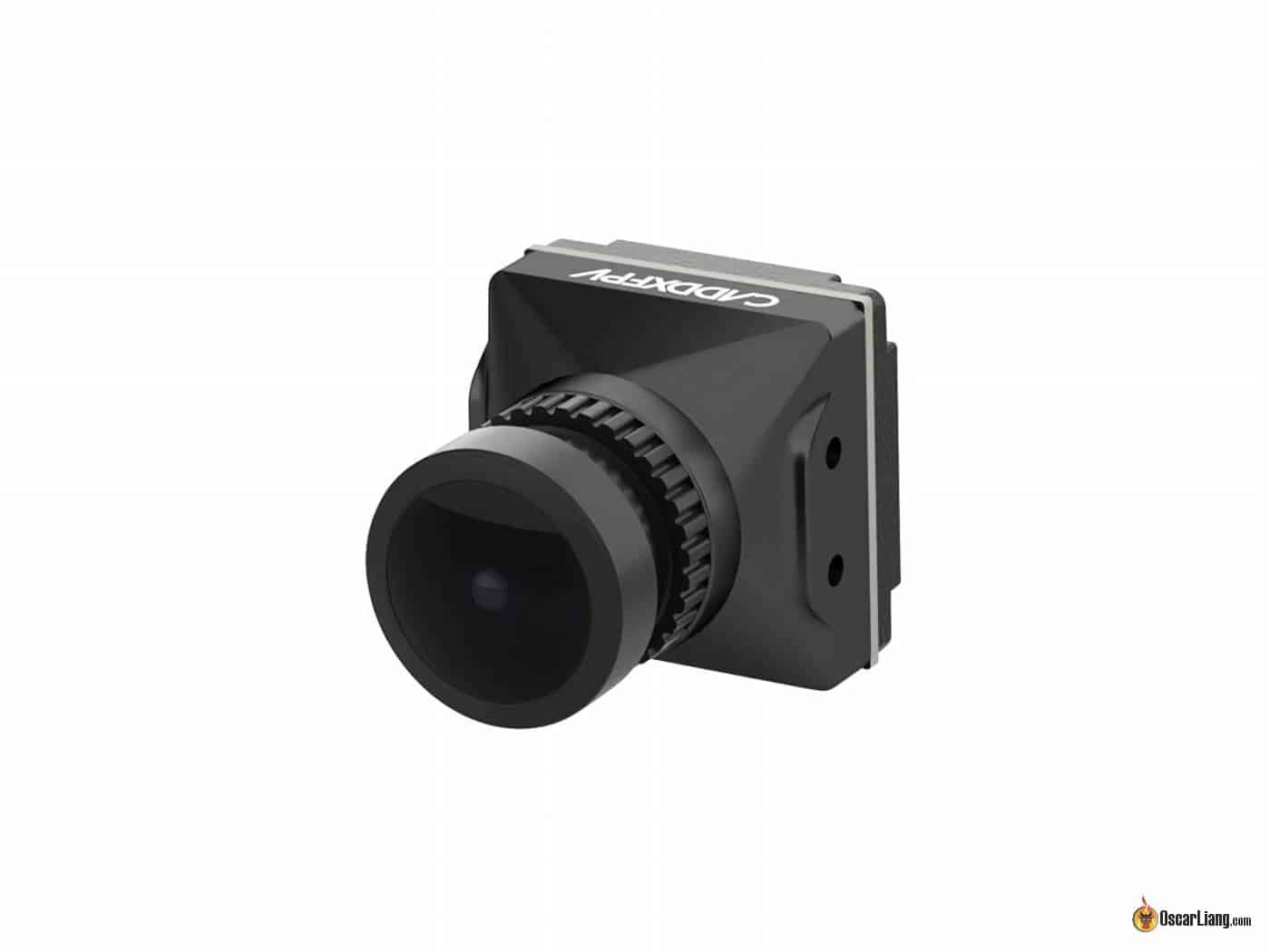
- Caddx: Popular in racing and freestyle.
Digital Fpv Camera Brands
- DJI: Leading HD FPV system.
- HDZero: Fast-growing digital platform.
- Walksnail: New, promising digital FPV system.
How To Upgrade From Analog To Digital
Switching from analog to digital FPV is a big step. Here’s how you can do it:
- Replace your camera: Buy a digital FPV camera.
- Upgrade your transmitter: Use a digital VTX.
- Update your goggles: Get digital-compatible FPV goggles.
- Check wiring and setup: Digital systems often need special cables and connectors.
Upgrading can be expensive, but it’s worth it if you want HD footage and extra features.
External Resource
For more detailed technical information, you can visit Wikipedia.
Frequently Asked Questions
What Is The Main Difference Between Analog And Digital Fpv Cameras?
Analog FPV cameras send continuous signals, resulting in low latency but lower image quality. Digital FPV cameras send data packets, offering higher resolution but slightly more latency.
Can I Use An Analog Fpv Camera With Digital Goggles?
No. Analog cameras work only with analog receivers and goggles. Digital goggles need a digital camera and transmitter.
Is Digital Fpv Better For Drone Racing?
Not always. Analog is preferred for racing due to lower latency. Digital FPV is better for freestyle and filming, where image quality matters.
How Much Does An Fpv Camera Cost?
Analog FPV cameras cost around $20–$50. Digital FPV cameras cost $60–$150. Prices vary by brand and features.
Can I Record Fpv Video With Analog Cameras?
Usually not directly. You need extra equipment, like a DVR. Digital FPV cameras often have built-in recording.
FPV camera technology is changing fast. Both analog and digital options have pros and cons. The right choice depends on your goals, budget, and equipment. Whether you’re racing or filming, understanding these differences will help you fly smarter and enjoy your FPV experience more.