Every year, millions of people spot deer in forests, parks, or even their own backyards. But how do you know if the deer you see is male or female? For hunters, wildlife photographers, and nature lovers, learning to tell the difference is not just fun—it can be important for legal hunting, population studies, or simply understanding animal behavior.
Luckily, you don’t need advanced training to spot the clues. With a little practice and the right tips, anyone can learn how to identify male and female deer with confidence.
Key Physical Differences Between Male And Female Deer
The fastest way to tell male deer (bucks or stags) from female deer (does or hinds) is by looking at their body and head. However, not all differences are obvious at first glance, and some can change depending on the season or the species.
Antlers: The Most Obvious Sign
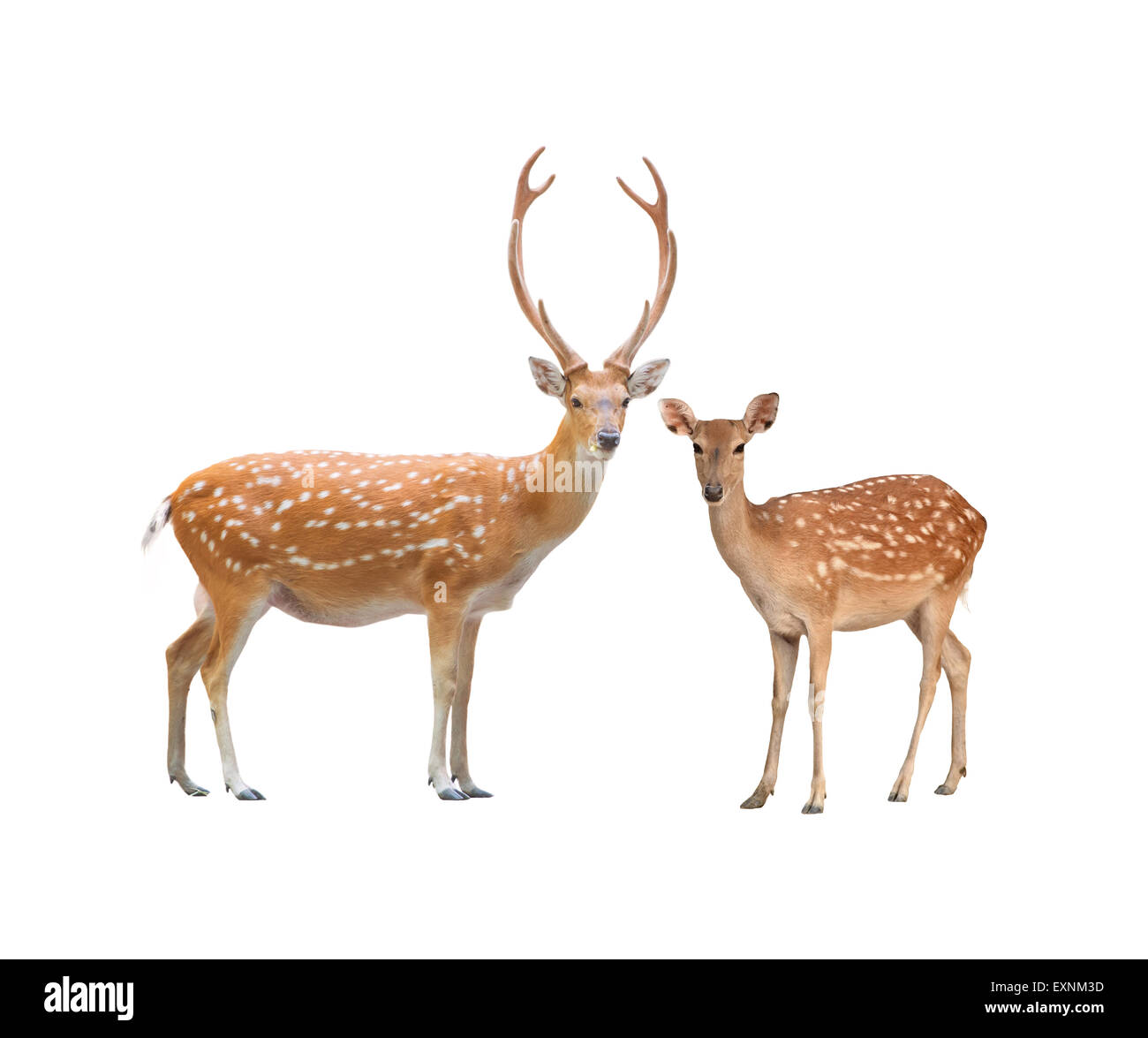
Most people know that male deer grow antlers. These are the large, branched bones that grow from the top of a deer’s head. In almost all deer species, only males have antlers. They use them to fight other males and show off to females.
- Male deer: Grow antlers every year, usually starting in spring and shedding them in late winter.
- Female deer: Almost never have antlers, except for a few rare species (like reindeer/caribou, where both sexes have antlers).
Some beginners get confused when they see a male without antlers in late winter. This happens because bucks shed their antlers after the mating season. Look for the base where the antlers were; it appears as rough, bumpy spots on top of the head.
Body Size And Shape
Males are usually larger and heavier than females. Their bodies look more muscular, especially around the shoulders and neck.
- Male deer: Bigger chest, thicker neck, and a more blocky head.
- Female deer: Slimmer, with a longer, more delicate face and neck.
Here is a simple comparison of body size between male and female white-tailed deer:
| Feature | Male (Buck) | Female (Doe) |
|---|---|---|
| Average Weight | 150-300 lbs (68-136 kg) | 90-200 lbs (41-91 kg) |
| Neck Thickness | Thick, muscular | Thin, graceful |
| Head Shape | Square, broad | Long, narrow |
Genitalia And Urination Posture
If you see a deer standing still, look at the area between the back legs and under the tail. This is not always easy, but sometimes you can spot genital differences.
- Male deer: Have a visible penis sheath on their lower belly, in front of the hind legs.
- Female deer: Have a vulva under the tail, closer to the base.
Watch how the deer urinates. Bucks (males) urinate forward between their back legs, while does (females) urinate straight down behind their hind legs. This detail often helps in the wild when other signs are hard to see.
Seasonal Changes That Affect Identification
The appearance of deer changes during the year, especially for males. Knowing these changes can help you avoid mistakes.
Antler Growth And Shedding
- Spring and Summer: Males grow velvet-covered antlers. They look fuzzy and thicker.
- Autumn: Antlers harden, and bucks use them to fight.
- Winter: Males shed antlers. For a few weeks, it may be hard to tell males from females, except for their larger size and neck.
Coat Color And Condition
Both sexes change coat color with the seasons. In winter, their fur is grayish and thick; in summer, it is reddish-brown and thin. While this does not help with gender, it is important to remember that other signs may be less obvious with a thick winter coat.

Behavioral Clues: How Males And Females Act Differently
Behavior can give away a deer’s sex, especially during the rut (breeding season) or when raising young.
During The Rut
- Males are more aggressive, chase other males, and may walk alone or with a group of females.
- Females stay in small family groups, often with fawns.
With Fawns
If you see a deer with one or more spotted fawns in spring or summer, it is almost always a female. Bucks do not care for young deer.
Species Differences: Not All Deer Look Alike
There are over 40 deer species worldwide, and not all follow the same rules. For example, in reindeer (caribou), both sexes grow antlers, but males’ antlers are much larger. Here’s a quick comparison:
| Species | Male Antlers | Female Antlers |
|---|---|---|
| White-tailed Deer | Yes, large | No |
| Red Deer | Yes, large | No |
| Reindeer (Caribou) | Yes, very large | Yes, smaller |
| Muntjac | Yes, small | No |
Always check what species of deer live in your area. The rules above work for most, but not all, deer worldwide.
Common Mistakes And Less-known Tips
Some beginners make mistakes when trying to tell male and female deer apart. Here are some common errors, plus a few tips most people miss:
- Antlerless does: Not all deer without antlers are females. Bucks shed antlers, so look for the bumpy bases.
- Young bucks: Yearling males have small, spike-like antlers that are easy to miss.
- Behavior cues: Males are more likely to be seen alone outside the breeding season.
- Fawn presence: Only females care for fawns, so use this clue when you see young deer.
- Ear size and scars: Bucks often have more scars or torn ears from fighting.
A less-known fact: In some areas, older females can be as large as younger males. Size is a helpful clue, but always look for two or more signs before making your decision.
Practical Examples For Quick Identification
Imagine you’re hiking and see three deer: One with large antlers and a thick neck, one smaller and slim, and one without antlers but with a bumpy spot on its head. The first is clearly a male, the second a female, and the third is likely a male who lost his antlers.
If you spot a group with fawns, focus on the adult staying close to the young ones—this is the mother (female). If you’re unsure, watch how they urinate for more clues.
For more detailed information on deer biology and behavior, you can visit the Wikipedia Deer page.

Frequently Asked Questions
How Can I Tell A Young Male Deer From A Female?
Look for small antler buds, which young males (yearlings) often have. Also, young bucks may have a slightly thicker neck than females.
Do Female Deer Ever Have Antlers?
In most species, no. However, female reindeer (caribou) do grow antlers, but theirs are smaller than the males’.
Is Body Size A Reliable Way To Tell Male And Female Deer Apart?
It helps, but it’s not perfect. Large old females can be similar in size to young males. Always check for antlers, neck size, and other features too.
Can You Use Color Or Spots To Tell The Difference?
No, both sexes have similar coat colors. Only fawns (both male and female) have white spots.
Why Is It Important To Know The Difference Between Male And Female Deer?
It’s important for ethical hunting, wildlife management, and understanding natural behavior. In some regions, hunting laws protect females to ensure healthy populations.
Learning to identify male and female deer is a skill anyone can master. With attention to antlers, body shape, and behavior, you’ll gain a new appreciation for these beautiful animals and the natural world around you.