How Do Deer Mark Trails?
If you have ever walked through a forest or a field and noticed narrow, well-worn paths, you may have discovered a deer trail. These trails are not random. Deer use specific ways to mark and maintain these routes, which help them find food, water, and safety. Understanding how deer mark trails can help hunters, wildlife watchers, and anyone curious about nature. Let’s explore the fascinating world of deer trail marking and the secrets behind their quiet navigation.
Why Deer Mark Trails
Deer do not wander aimlessly. They follow established trails to move safely and efficiently. These trails connect bedding areas, feeding spots, and water sources. By marking trails, deer can:
- Guide themselves and other deer
- Avoid danger by sticking to safe, known routes
- Communicate presence and territory to other animals
The way deer mark and maintain these trails is both simple and smart. Each method plays a key role in their survival.
Main Methods Deer Use To Mark Trails
1. Scent Marking
Deer rely heavily on scent. Their sense of smell is far stronger than humans. They use several scent glands to mark trails and areas.
- Interdigital glands: These are found between their toes. Every step leaves a tiny amount of scent on the ground.
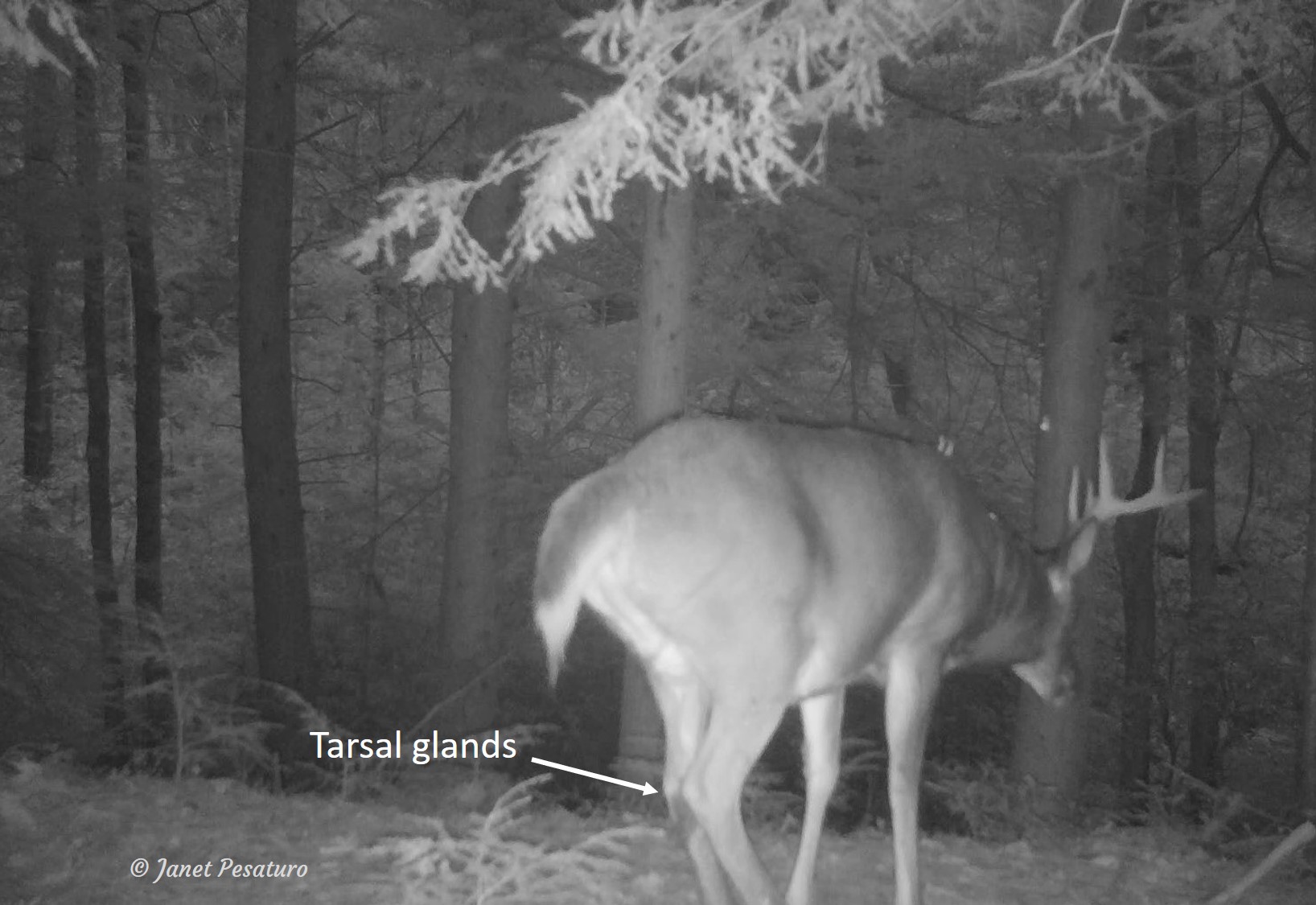
- Tarsal glands: Located inside the hind legs. When a deer rubs these together, it releases a stronger scent.
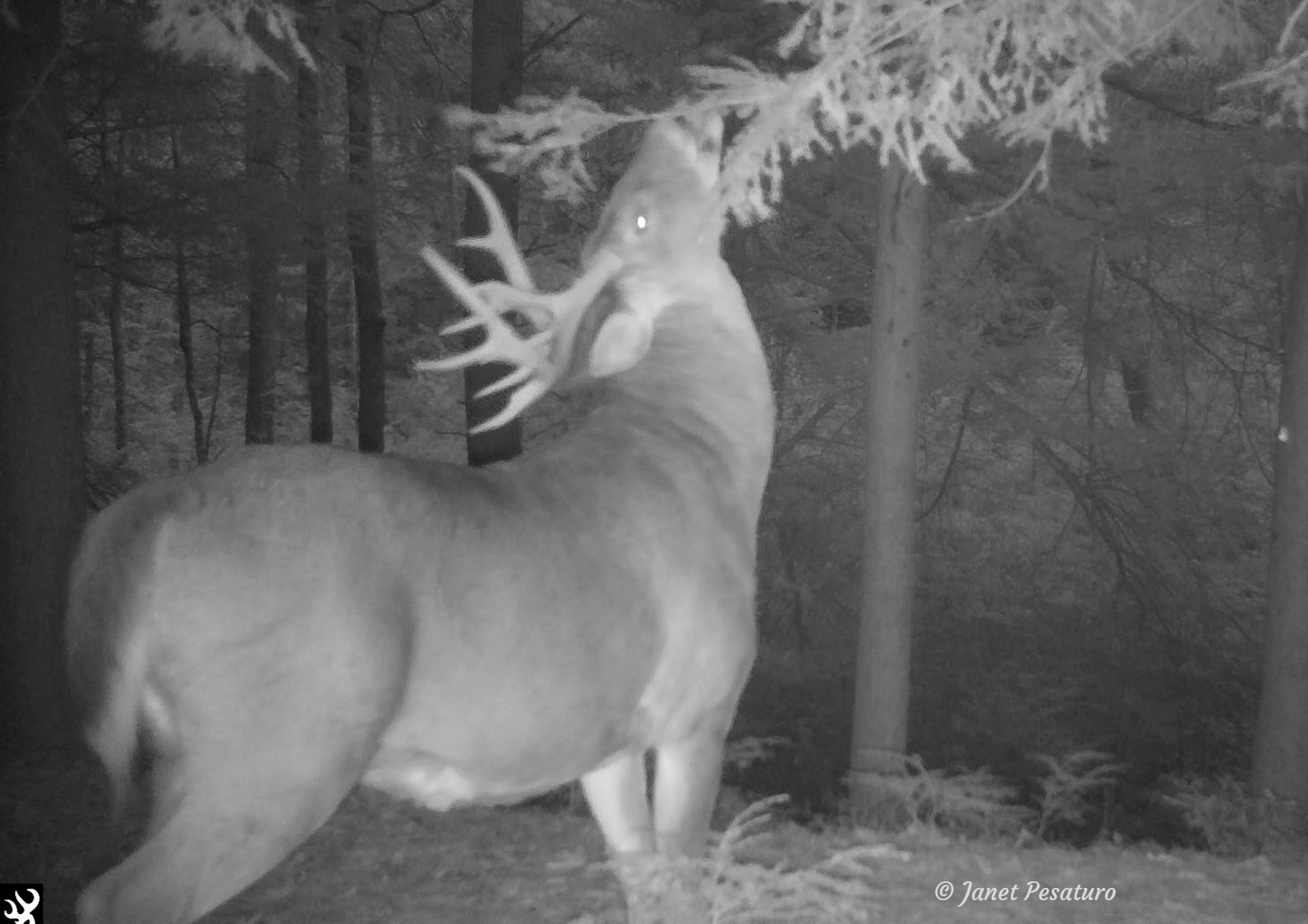
- Preorbital glands: Near the eyes. Used when rubbing their face on branches.
When a deer walks along a trail, it leaves a unique scent signature. Other deer can “read” these scents to learn who passed by, when, and in what condition. This helps deer recognize each other and avoid or follow certain individuals.
2. Physical Signs
Deer also make visible marks along trails. These are clear to other deer and sometimes to humans.
- Rub lines: Bucks (male deer) rub their antlers on trees, scraping away bark. This not only sharpens antlers but also leaves scent from forehead glands.
- Scrapes: Deer use their hooves to clear away leaves and dirt, making a bare patch on the ground. They often urinate here, adding more scent.
- Trampled vegetation: Repeated use of a trail flattens grass and undergrowth. Over time, this forms a distinct path.
These signs make it easier for deer to follow the same route, especially in dense woods or tall grass.
3. Visual Markers
Deer trails are sometimes marked by broken branches, bent grass, or disturbed soil. These visual clues are not just byproducts of movement—they help deer see where others have passed, especially in low light.
- Broken twigs at deer height
- Muddy patches from frequent hooves
- Trails that weave around obstacles in a consistent pattern
These subtle signs are easy for deer to spot, even if humans miss them.
How Bucks And Does Mark Trails Differently
Bucks and does (female deer) both use trails, but their marking habits are a bit different.
| Behavior | Bucks | Does |
|---|---|---|
| Rub lines | Common, especially before mating season | Rare |
| Scrapes | Frequent, often combined with urination | Uncommon |
| Scent marking with glands | Very active, especially during rut | Less intense, but still present |
| Trail selection | Often near bedding or territory | Focus on safe routes for fawns |
Bucks are more aggressive in marking, especially during the rut (mating season). Their marks signal dominance and attract does. Does, on the other hand, look for the safest and quietest trails, especially when caring for young.
Seasonal Changes In Trail Marking
Deer trail marking changes with the seasons. Here’s how:
- Spring/Summer: Trails are used to reach food-rich areas. Scent marking is steady but not intense.
- Fall (rut season): Bucks increase marking activity. Rubs and scrapes become much more common.
- Winter: Trails focus on safe paths to sheltered bedding areas and scarce food. Physical marking slows, but trails become even more visible due to snow or mud.
This seasonal pattern means that if you want to spot fresh deer signs, fall is the best time to look.
How Deer Trails Benefit The Herd
Marking trails is not just about single deer. It helps the whole group, or herd, in several ways:
- Safety in numbers: By following marked trails, deer can move as a group, making them harder to surprise.
- Efficient travel: Trails allow fast, quiet movement, reducing noise that might alert predators.
- Information sharing: Scent marks tell deer about recent activity, helping them avoid danger or find mates.
Sometimes, trails become so established that they are used by generations of deer. In some regions, scientists have tracked deer trails that are centuries old.
How Humans Spot Deer Trails
Learning to recognize deer trails can be useful for hunters, photographers, and nature lovers. Here are some tips:
| Sign | Description | What to Look For |
|---|---|---|
| Worn paths | Narrow, packed down soil | About 5-10 inches wide, weaving through brush |
| Rubs | Bark scraped off at deer height | Fresh wood visible, especially on young trees |
| Scrapes | Clear, oval patches of bare earth | Leaves pushed aside, sometimes with deer tracks |
| Tracks | Hoof prints | Split, heart-shaped prints, 2-3 inches long |
| Dropped antlers | Shed antlers found on trails | Common in late winter to early spring |
A common beginner mistake is to confuse deer trails with paths made by smaller animals. Deer trails are wider and more consistent in direction.
Two Insights Beginners Often Miss
- Scent lasts longer than you think: Even if you don’t see fresh tracks, scent marks from a deer’s glands can last for days, especially in cool weather.
- Trail crossings: Where two or more trails cross, it’s a sign of heavy deer activity. These spots are often used for communication and can be great locations to observe deer.
Real-world Example: White-tailed Deer
The white-tailed deer is one of the most studied species in North America. According to research from the National Park Service, these deer use the same trails for years. Bucks create long rub lines before mating season, and does show their fawns which trails are safe. This family teaching helps new generations survive.
Frequently Asked Questions
What Is The Main Reason Deer Mark Trails?
Deer mark trails to communicate with other deer, establish safe routes, and share information about food, danger, and mating.
How Can I Tell If A Trail Is Made By Deer?
Look for narrow, worn paths with split hoof prints, rubs on trees, and scrapes on the ground. The trail will often connect food sources, water, and bedding areas.
Do Only Male Deer Mark Trails?
No, both male (bucks) and female (does) deer mark and use trails, but bucks are more aggressive, especially during mating season.

Can Humans Smell Deer Trail Markings?
Most scent marks are too faint for humans to notice, but deer can detect them easily due to their strong sense of smell.
Are Deer Trails Used By Other Animals?
Yes, many animals like foxes, coyotes, and raccoons use deer trails because they offer easy movement through dense areas.
Deer trails are more than just animal highways; they are communication lines, safety routes, and survival tools. The next time you see a narrow trail in the woods, you’ll know the secrets behind how deer mark and use these silent paths.