
What Is A Mule Deer?
If you’ve ever traveled through western North America, you might have seen a deer with large, rabbit-like ears and a gentle look. This unique animal is called the mule deer. Its name comes from its big ears, which look similar to those of a mule. Mule deer are one of the most iconic wildlife species in the western United States, Canada, and parts of Mexico. But what really makes this animal special? Let’s take a closer look at the mule deer’s appearance, habitat, life, and its role in nature.
Physical Features Of Mule Deer
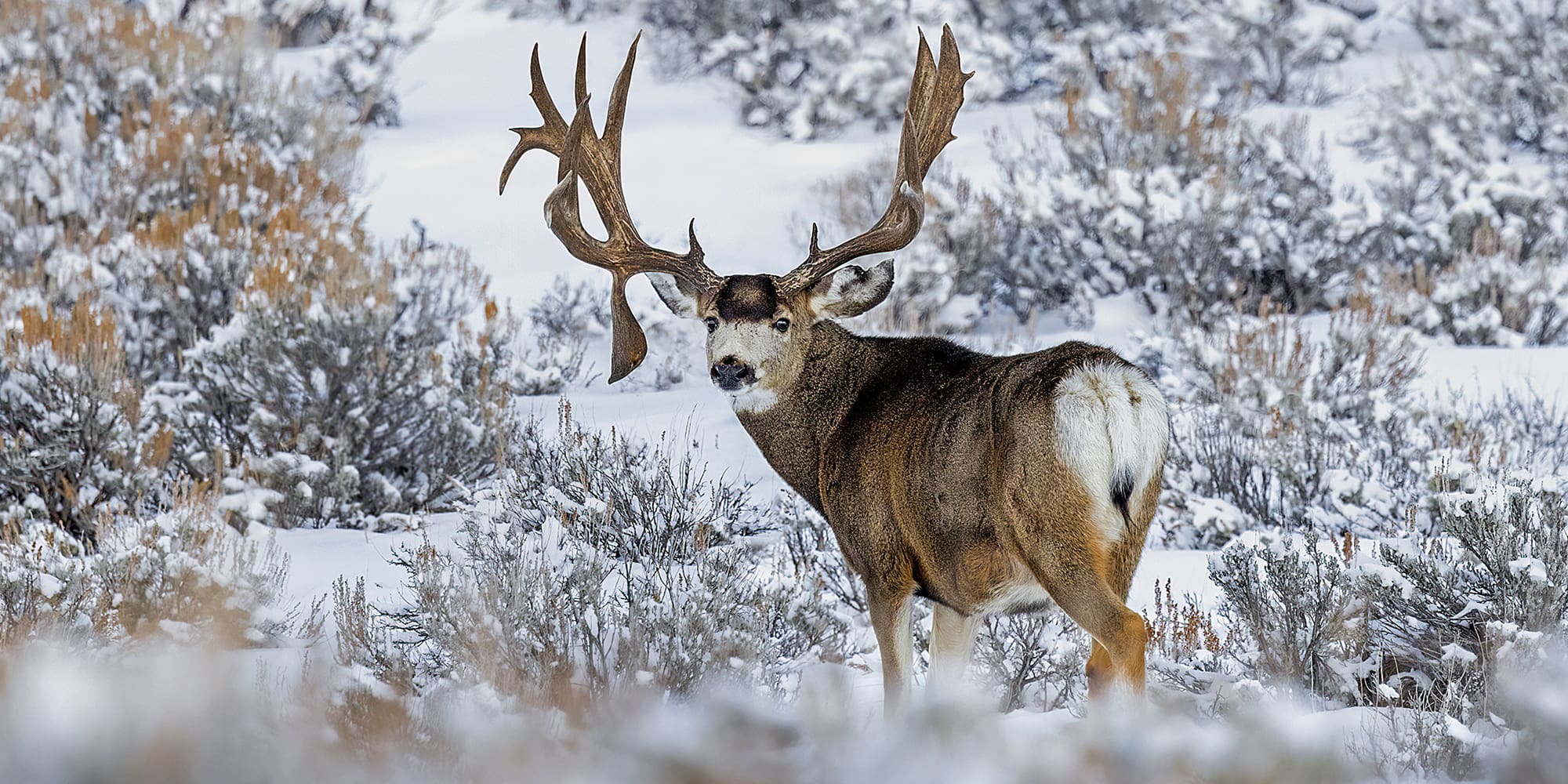
The most noticeable feature of the mule deer is its ears. They are large, usually about three-quarters the length of the head. These ears help the deer hear danger from far away. Mule deer also have a black-tipped tail and a white patch on their rump, which is different from the closely related white-tailed deer.
Adult male mule deer, called bucks, have antlers that fork as they grow. This means each main beam splits into two as it grows, creating a “Y” shape. Females, called does, do not have antlers. Bucks weigh between 120 to 330 pounds (55 to 150 kg), while does are lighter, ranging from 95 to 200 pounds (43 to 90 kg).
Here’s a comparison between mule deer and white-tailed deer:
| Feature | Mule Deer | White-tailed Deer |
|---|---|---|
| Ears | Very large, mule-like | Smaller, rounded |
| Tail | Black-tipped, white patch | Broad, white underside |
| Antlers | Branch in Y-pattern | Main beam with tines |
Where Mule Deer Live
Mule deer are found across western North America. You can see them from the deserts of Mexico up to the forests of Canada. They prefer open areas such as prairies, foothills, mountain slopes, and even dry deserts. They are especially common in the Rocky Mountains and the Great Basin.
These deer are adaptable. In summer, they move to higher elevations to find cooler temperatures and fresh plants. In winter, they migrate to lower, warmer valleys. This migration can be more than 100 miles for some herds. Mule deer need a mix of shrubs, grasses, and open ground for food and safety.
Diet And Eating Habits
Mule deer are herbivores, which means they only eat plants. Their diet changes with the seasons. In spring and summer, they eat green grasses, forbs (flowering plants), and leaves. In the fall and winter, when green plants are rare, they switch to shrubs, twigs, and woody plants.
A typical diet includes:
- Sagebrush and other shrubs
- Wildflowers
- Grasses
- Acorns and berries (when available)
Mule deer are “browsers. ” They pick the best parts of each plant, moving from one shrub to another. This is different from “grazers,” like cows, which eat mostly grass.
Life Cycle And Behavior
Mule deer have a clear yearly pattern. In late fall, bucks and does come together to mate. This time is called the rut. Bucks fight for the chance to mate, using their antlers in short battles. After mating, does give birth in late spring or early summer.
A doe usually has one or two fawns. The young deer have white spots for camouflage. Fawns stay hidden for the first weeks, while the mother feeds nearby. Mule deer live about 9 to 11 years in the wild, but many do not survive that long because of predators, disease, or cars.
Mule deer are active mostly at dawn and dusk. This is called being “crepuscular. ” They use their excellent hearing, smell, and sight to avoid danger.

Mule Deer And Other Wildlife
Mule deer are important for the ecosystem. They are a key food source for many predators, such as:
- Mountain lions
- Coyotes
- Bears
- Wolves (in some areas)
By eating plants, mule deer help shape the plant communities where they live. They also spread seeds through their droppings, which helps new plants grow. When mule deer numbers get too high, they can damage the landscape by eating too much vegetation, which affects other animals.
Threats And Conservation
Mule deer face many dangers. The biggest threats are:
- Habitat loss: Cities, roads, and farms reduce the places mule deer can live.
- Vehicle collisions: Thousands die each year when crossing highways.
- Predators: Natural predators keep populations in check, but human hunting can add extra pressure.
- Disease: Illnesses like chronic wasting disease (CWD) are spreading in some areas.
Conservation groups and wildlife managers work to protect mule deer by:
- Creating wildlife crossings over highways
- Restoring natural habitats
- Researching diseases and finding solutions
Data shows that mule deer populations have dropped in some areas over the last 20 years. Still, they are not endangered overall. With good management, their future can be secure.
Here’s how mule deer populations compare to other North American deer:
| Species | Estimated Population | Main Range |
|---|---|---|
| Mule Deer | 4-5 million | Western North America |
| White-tailed Deer | 30 million | Most of North America |
| Black-tailed Deer | 1-2 million | Pacific Coast |
Unique Behaviors And Adaptations
One special thing about mule deer is their way of running. They use a movement called stotting or pronking. This means they bound with all four feet hitting the ground at once. It looks odd, but helps them escape predators on rough ground.
Mule deer also have sharp senses. Their eyes are placed on the sides of their head, giving them a wide field of view. Their large ears can turn to catch sounds from any direction. These features give mule deer an advantage in the wild.
Common Mistakes When Identifying Mule Deer
Many people confuse mule deer with white-tailed deer. Here’s how to tell them apart:
- Ears: Mule deer have much larger ears.
- Tail: Mule deer tails are short with a black tip.
- Antlers: Mule deer antlers fork evenly, while white-tailed deer antlers have one main beam with points.
Mistaking these features is common, especially for beginners. Taking time to look at the ears and tail can help you identify mule deer correctly.
Fun Facts About Mule Deer
- Mule deer can jump up to 8 feet high and cover distances of 15 feet in a single bound.
- They can run up to 45 miles per hour when chased.
- Some herds migrate over 150 miles each year, one of the longest migrations for any North American land animal.
- Mule deer have a strong sense of smell, which helps them find food and avoid danger.
Frequently Asked Questions
What Do Mule Deer Eat?
Mule deer eat a wide variety of plants. They prefer shrubs, leaves, grasses, and sometimes berries or acorns. In winter, they mostly eat twigs and woody plants.
Where Can I See Mule Deer?
You can find mule deer in western North America, especially in the Rocky Mountains, deserts, and foothills. They are common in places like Colorado, Utah, and Alberta.
How Long Do Mule Deer Live?
In the wild, mule deer usually live 9 to 11 years. Some can live longer in areas with fewer predators and good habitat.
Are Mule Deer Endangered?
Mule deer are not endangered overall. However, some local populations are declining due to habitat loss, car accidents, and disease. Conservation efforts are ongoing.
How Are Mule Deer Different From White-tailed Deer?
Mule deer have large ears, a black-tipped tail, and antlers that split in a “Y” shape. White-tailed deer have smaller ears, a wide, white tail, and antlers with a single main beam.
For more in-depth information, you can visit the Wikipedia page on Mule Deer.
Mule deer are a remarkable part of North American wildlife. By understanding and protecting them, we help keep nature’s balance and ensure future generations can enjoy seeing these graceful animals in the wild.