What Is A Deer Herd?
When you walk through a forest or open field and spot several deer together, you are seeing a deer herd in action. But what does this really mean? A deer herd is much more than just a group of deer wandering together. It is a complex social structure shaped by nature, survival needs, and seasonal changes. Understanding how deer herds work helps us appreciate wildlife and manage deer populations better.
What Defines A Deer Herd?
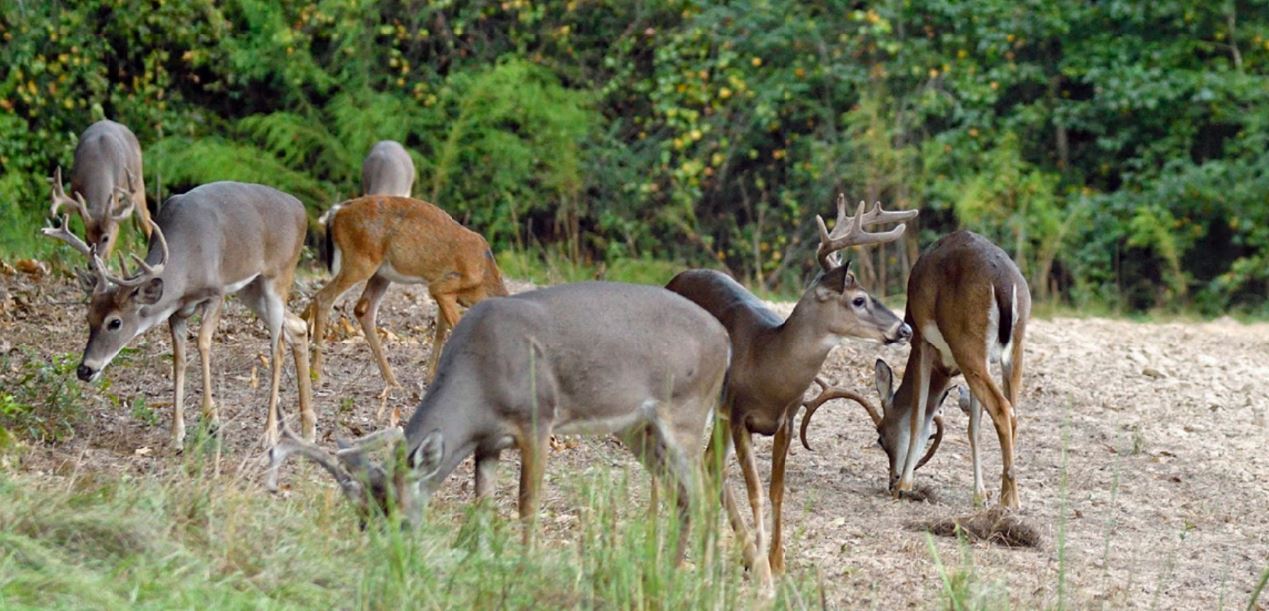
A deer herd is a group of deer that lives, moves, or feeds together. This group can range from a few individuals to more than a hundred, depending on the species, location, and time of year. The herd gives deer several advantages, such as safety from predators, better chances to find food, and support in caring for young fawns.
Not all deer species form herds in the same way. For example, white-tailed deer in North America usually gather in small family groups, while red deer in Europe and Asia often form much larger herds.
Herd Structure And Social Organization
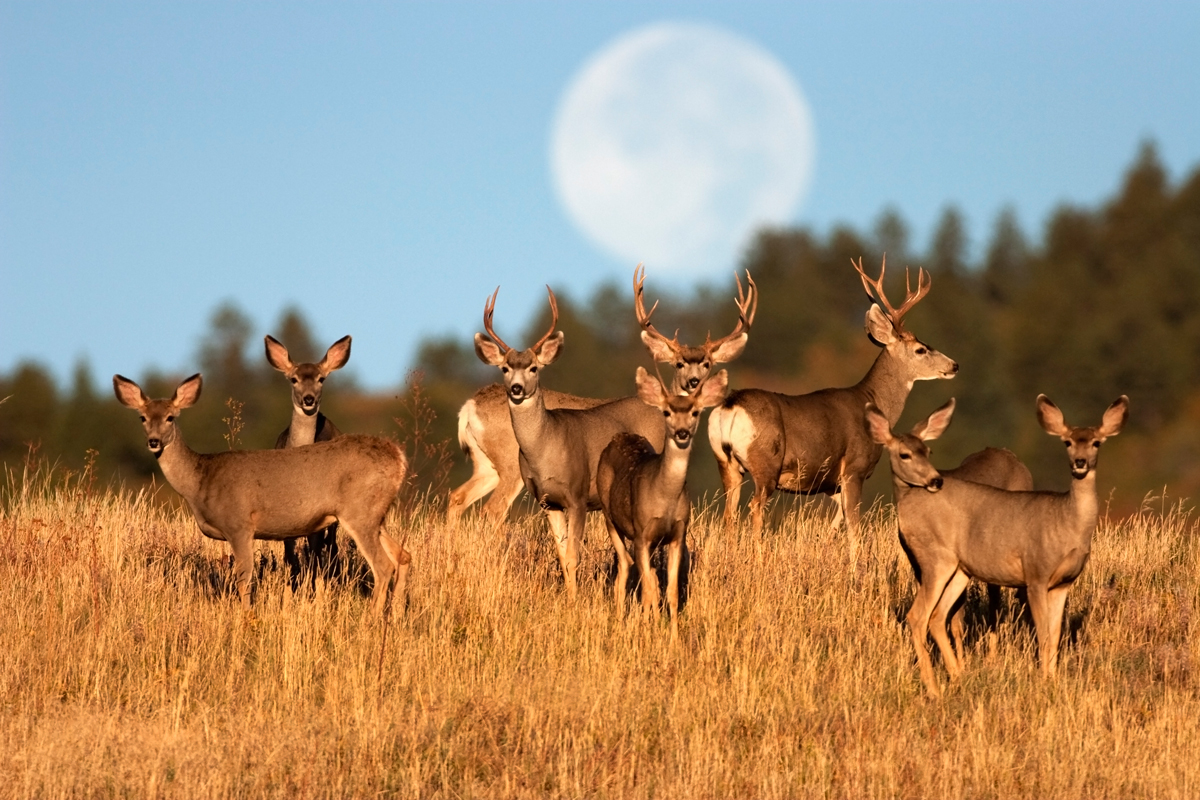
Deer herds are not random collections. They have clear social roles and rules. Most herds are matriarchal, meaning female deer (does) lead and organize the group. These groups often include:
- Adult females
- Their fawns (baby deer)
- Sometimes yearlings (young deer from the previous year)
Male deer (bucks or stags) usually stay alone or form separate male groups, especially outside the breeding season. During the rut (breeding season), males may join female herds or compete for leadership.
Here’s how a typical deer herd is structured:
| Member Type | Role in Herd | Common Time in Group |
|---|---|---|
| Adult Female (Doe) | Leader, caretaker | Year-round |
| Fawn | Learning, protected | Spring to Autumn |
| Yearling | Transitional member | Varies |
| Adult Male (Buck/Stag) | Breeding, sometimes protector | Mostly during rut |
Why Do Deer Form Herds?
Being in a herd provides several benefits:
- Protection: A group can spot predators, such as wolves or coyotes, faster. More eyes and ears mean a higher chance of survival.
- Finding Food: Herds can help locate food sources, especially in winter when resources are scarce.
- Caring for Young: Mothers can watch over fawns together, making it harder for predators to attack.
- Learning: Young deer learn important survival skills by watching older members.
However, being in a large group also means more competition for food and a higher chance of spreading disease.
Seasonal Changes In Herds
Deer herds do not stay the same all year. Their size and structure change with the seasons and the needs of the group.
- Spring and Summer: Herds are smaller, usually just mothers and their fawns. Males live alone or in small bachelor groups.
- Autumn (Rut Season): Males join female herds to compete for mating. There is more movement and sometimes fighting.
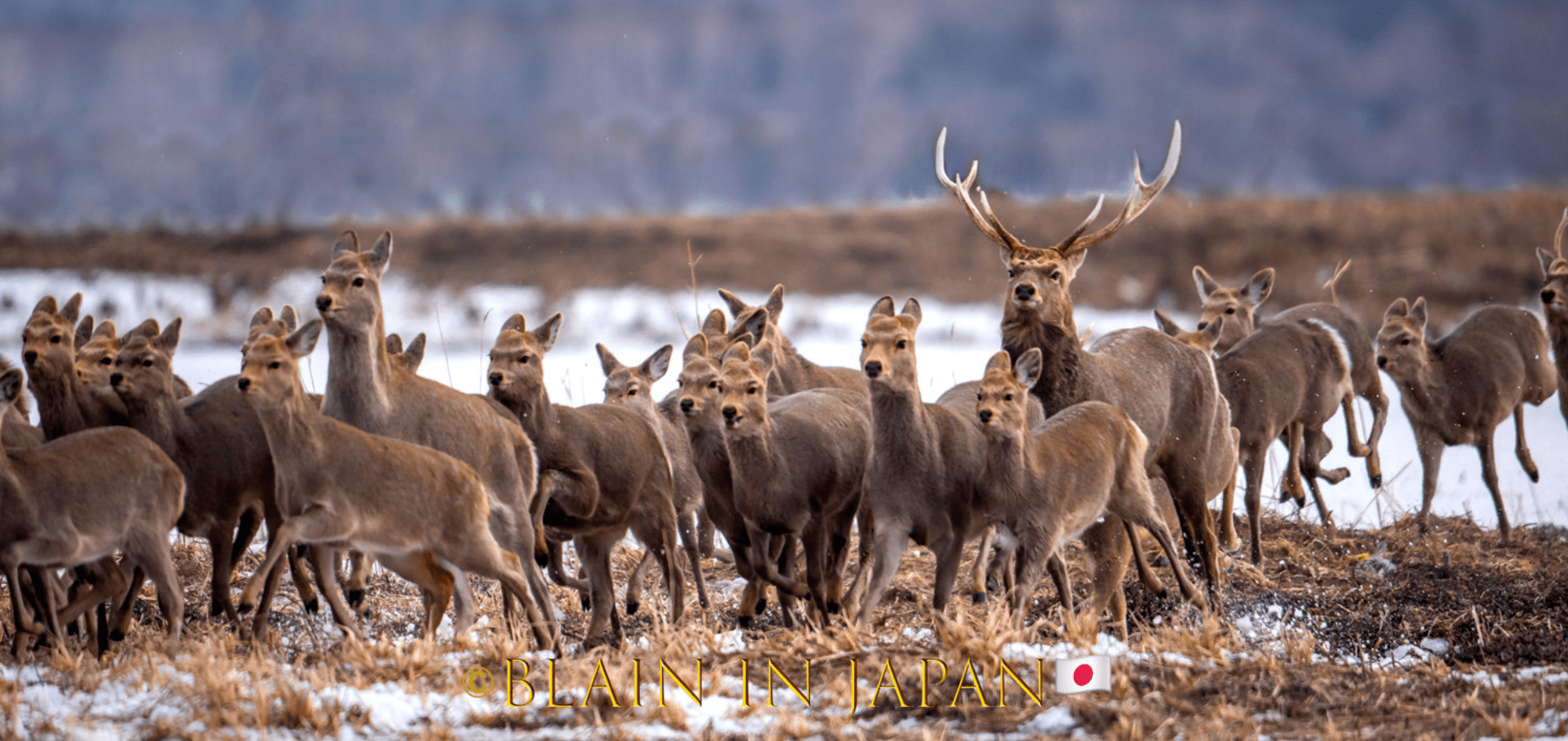
- Winter: In cold climates, deer may form larger herds to share warmth and find food. In mild areas, herds stay smaller.
The size of a herd can range from just three or four deer in the summer to groups of 50 or more in winter.
| Season | Typical Herd Size | Group Composition |
|---|---|---|
| Spring | 3-10 | Females, fawns |
| Summer | 2-8 | Females, fawns, yearlings |
| Autumn (Rut) | 6-20 | Males, females, yearlings |
| Winter | 10-50+ | Mixed groups |
Communication And Behavior In Herds
Deer use many ways to communicate within a herd. They rely on body language, sounds, and even smells. For example:
- Stomping a hoof warns others of danger.
- Raising the tail signals alertness.
- Soft grunts or bleats help mothers and fawns find each other.
A non-obvious fact is that deer can “freeze” as a group when they sense danger. This makes them harder for predators to spot.
Another insight is that dominant females often decide when and where the group moves. Leadership is not always about size or strength, but about experience and calmness.
Types Of Deer Herds Around The World
Different species form herds in unique ways. Here are some examples:
- White-tailed deer: Small, loose family groups in forests and fields.
- Red deer: Large, organized herds in open meadows and woodlands.
- Mule deer: Small groups, often in rough terrain.
- Reindeer (Caribou): Massive herds, sometimes thousands, migrate over long distances.
These differences depend on habitat, climate, and danger from predators.
| Species | Typical Herd Size | Region |
|---|---|---|
| White-tailed deer | 3-12 | North America |
| Red deer | 20-400 | Europe, Asia |
| Mule deer | 2-10 | Western North America |
| Reindeer (Caribou) | 100-100,000+ | Arctic, Subarctic |
Human Impact On Deer Herds
Human activities can change the way deer herds form and survive. Urban growth, farming, and roads can break up habitats, forcing herds into smaller areas. Hunting can also change herd size and the balance of males and females.
Wildlife managers study herds to keep populations healthy. They may limit hunting or help create safe spaces for deer. These actions balance the needs of deer with those of people and other animals.
One important detail is that feeding wild deer in winter, a common practice in some areas, can actually harm herds. It causes deer to gather in unnatural numbers, spreading disease and stressing habitats.
For more scientific details on deer behavior and herd structure, visit the Wikipedia Deer Page.
Frequently Asked Questions
What Is The Main Benefit Of A Deer Herd?
The main benefit is protection from predators. More eyes and ears help spot danger early, which keeps the group safer.
Do Male And Female Deer Stay Together All Year?
No, male deer often live alone or in small groups outside the breeding season. They join female herds mainly during the rut.
How Big Can A Deer Herd Get?
A herd’s size depends on the species and environment. White-tailed deer may group in tens, while reindeer herds can reach thousands.
What Is A Matriarchal Herd?
A matriarchal herd is led by a female deer, often the oldest or most experienced. She decides where the group moves and when.
Can Human Actions Affect Deer Herds?
Yes, human activities like hunting, habitat loss, and feeding can change herd size, behavior, and health.
Understanding the deer herd shows us the balance in nature. These groups are not just a random gathering; they are families and communities. Each herd tells a story about survival, learning, and cooperation in the wild. By learning about them, we become better stewards of the land and its living creatures.