Every year, as the air turns cold and snow covers the ground, many people wonder how wild animals manage to survive. One animal that often sparks curiosity is the deer. These gentle creatures don’t migrate far south or hibernate, yet they make it through some of the harshest winters.
The secret to their survival lies in a mix of physical changes, smart behavior, and ancient instincts. Understanding how deer live through winter can teach us a lot about nature’s design and the power of adaptation.
Physical Changes That Help Deer Survive
When winter arrives, deer go through several changes to prepare for the cold. These changes begin long before the first snow falls.
Winter Coat
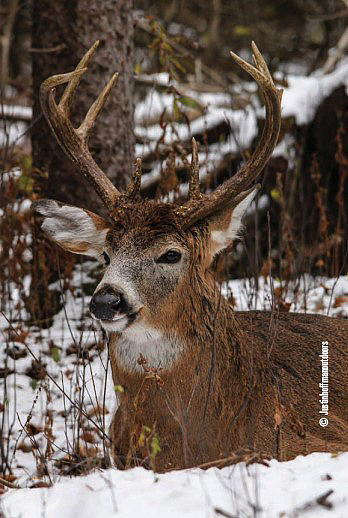
Deer grow a thick winter coat made of two layers. The outer layer has hollow guard hairs that trap air and keep heat close to the body. The undercoat is soft and dense, providing extra insulation. This coat is so effective that snow can rest on a deer’s back without melting.
Fat Storage
In the fall, deer eat more and build up body fat. This fat acts like a blanket and an energy reserve. By winter, fat may make up 20% of a deer’s total body weight. The extra fat helps deer survive when food is scarce.
Reduced Metabolism
Deer slow down their metabolism during the coldest months. This means their bodies burn less energy, so they don’t need to eat as much. Their heart rate and body temperature drop a little, which also saves energy.
Behavioral Strategies
Physical changes are just part of the story. Deer also change how they act in winter to stay alive.
Yard Up
In deep winter, deer often “yard up.” This means they gather in groups in a small area called a deer yard. These yards are usually in dense forests with evergreen trees. The trees block wind and catch snow, making it easier for deer to move and find shelter. Grouping together also helps protect them from predators.
Move Less, Rest More
Deer limit their movements in winter. Every step in deep snow costs a lot of energy. By staying in one area and moving slowly, they save calories. They often rest in spots where the wind is blocked, like under pine trees or next to fallen logs.
Change In Diet
When snow covers the ground, grass and herbs disappear. Deer switch to eating woody plants—twigs, bark, and evergreen leaves. They eat what they can reach, even if it’s not their favorite food. Sometimes, they even eat tree buds and the tips of branches.
Finding Food In Winter
Food is much harder to find in winter. Deer have a four-part stomach, which helps them digest tough plants. Still, winter food is low in nutrition. Let’s look at what deer can eat during these months:
| Food Source | Winter Availability | Nutritional Value |
|---|---|---|
| Woody Browse (twigs, bark) | High | Low |
| Evergreen Leaves | Medium | Medium |
| Acorns, Nuts | Low | High (if found) |
| Dried Grass | Medium | Low |
Deer usually lose weight during winter, but their bodies are built to handle it. The fat they stored in the fall helps them stay alive until spring.
Shelter And Habitat Choices
The places deer choose to live in winter are very important. Good shelter can mean the difference between life and death.
Thick Forests And Swamps
Deer look for evergreen forests or thick swamps. These spots block cold wind and hold less snow on the ground. The cover from trees keeps the area warmer and helps deer hide from predators.
South-facing Slopes
Deer sometimes rest on slopes that face the sun. These spots are warmer and the snow melts faster, making it easier to move and find food.
Comparison: Summer Vs. Winter Habitat
Here’s how a deer’s home changes through the year:
| Season | Main Habitat | Main Food |
|---|---|---|
| Summer | Open fields, forest edges | Green plants, leaves, fruit |
| Winter | Dense forests, swamps | Twigs, bark, evergreen leaves |

Dangers And Survival Rates
Winter is a risky time for deer. Food shortages, deep snow, and predators can all be deadly.
Starvation
If winter lasts too long or if food is too hard to find, deer can starve. Young, old, or weak deer are most at risk. In harsh winters, up to 30% of deer in some areas may not survive.
Predators
Wolves, coyotes, and bobcats hunt deer more in winter. Deep snow makes it harder for deer to run away. Grouping in deer yards can help, but it’s not a guarantee.
Human Impact
Human activities, like cutting forests or feeding deer, can hurt more than help. Feeding deer in winter may seem kind, but it can make them sick or draw them close to roads.
Non-obvious Insights About Deer Survival
- Antler Loss: Male deer shed their antlers in winter to save energy. Growing and carrying antlers takes a lot of nutrients, so dropping them helps bucks survive until spring.
- Digestive Shift: Deer’s stomach bacteria change with the seasons. Their gut microbes adjust so they can better digest woody plants in winter, which would be hard to break down at other times.

How Deer Prepare For Next Winter
Survival is a year-round job for deer. In spring, they start to eat more and rebuild body fat. By summer, they focus on growth and reproduction. Autumn is a time to eat as much as possible and grow a new winter coat.
Table: Deer’s Seasonal Preparation
| Season | Main Activity |
|---|---|
| Spring | Recover from winter, eat new plants |
| Summer | Grow, raise fawns, build strength |
| Fall | Store fat, grow new coat |
| Winter | Conserve energy, survive |
Frequently Asked Questions
How Do Deer Find Food Under Deep Snow?
Deer use their hooves to paw through snow and reach twigs, leaves, or fallen acorns. In very deep snow, they rely more on woody plants above the surface.
Do Deer Ever Hibernate In Winter?
No, deer do not hibernate. They stay active all winter, but move less and rest more to save energy.
What Is A Deer Yard And Why Do Deer Use Them?
A deer yard is a spot where many deer gather during winter, usually in dense evergreen forests. These areas provide shelter from wind and make moving in snow easier.
Why Don’t Deer Freeze In Very Cold Weather?
Deer have a special winter coat with hollow hairs that trap heat. Their body fat and lower metabolism also help them keep warm, even in freezing temperatures.
Is It Helpful To Feed Wild Deer In Winter?
Feeding wild deer is usually not recommended. Sudden changes in diet can cause health problems. It can also attract deer to dangerous areas, like roads. For more, check advice from US Forest Service.
Deer are true survivors, using both body and brain to get through tough winters. Their story is a reminder of the balance and beauty in nature. Next time you see deer tracks in the snow, you’ll know just how much effort goes into each step.