Every autumn, forests and fields change as deer begin their mating season. If you have ever seen male deer locking antlers or chasing each other through the woods, you might wonder: do deer really fight during mating season? The answer is yes—these dramatic battles are a key part of deer behavior. But why do they fight, how intense are these clashes, and what happens to the winners and losers? Let’s explore the fascinating world of deer during the rut.
Why Do Deer Fight During Mating Season?
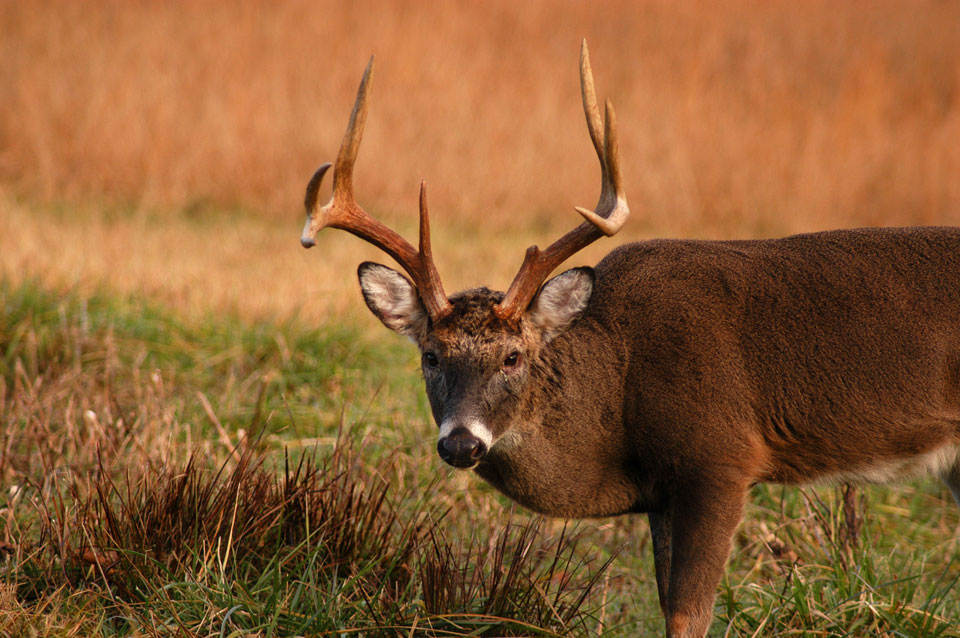
Male deer, called bucks, compete for the right to mate with female deer, or does. This competition is strongest during a period called the rut, which usually happens in the fall. Bucks fight to show they are the strongest and most fit. The winner often gets access to more does, while the loser must move away.
These fights are not just for show. They decide which males will pass on their genes to the next generation. This helps keep the deer population healthy and strong.
How Do Deer Fights Happen?
Deer fights are not random. Bucks follow a set of behaviors before and during a clash.
- Sizing Up: Bucks first look at each other. They walk side by side, showing off their size and antlers.
- Displays: They may lower their heads, paw at the ground, or make grunting sounds.
- Locking Antlers: If neither buck backs down, they clash their antlers together and push with their strength.
- Pushing Match: The fight can last a few seconds or several minutes. Each tries to push the other back.
- Winner and Loser: When one gives up, he runs away. The winner often stays with the group of does.
It’s important to know that most fights do not end in serious injury. Bucks prefer to avoid risky battles if possible. But sometimes, fights can lead to cuts, broken antlers, or even death.

What Triggers These Fights?
Several factors can cause a deer fight:
- Mating Rights: The main reason is to win access to does.
- Territory: Bucks may defend their space, especially if food or shelter is nearby.
- Antler Size: Bucks with larger antlers are more likely to challenge others.
Interestingly, not all bucks fight. Young or smaller bucks often avoid battles with bigger, older males. Instead, they might wait until the dominant bucks are busy or tired.
When And Where Do Deer Fights Occur?
Deer fights happen most often during the peak of the rut. This is when does are ready to mate, and bucks are most aggressive. In North America, this is usually from late October to early December, but the exact timing depends on the region and species.
Fights mostly take place in open areas where does gather, such as fields, forest edges, or clearings. Bucks want to show off their strength in front of potential mates.
How Do Fights Affect The Deer Population?
These fights have important effects on the deer group:
- Gene Pool: Only the strongest and healthiest bucks mate, which keeps the population strong.
- Injuries and Death: Some bucks are hurt or killed, which may seem harsh but helps control numbers.
- Antler Growth: Bucks grow bigger antlers each year if they survive, giving them a better chance in future fights.
Young bucks learn from watching fights. They may practice sparring with other young males, but these are not as serious as real battles.
Comparing Deer Fights: Species And Intensity
Not all deer species fight the same way. Some use their antlers in different styles, and the fights can look very different.
Here’s a look at three common deer species:
| Species | Antler Type | Fight Style | Typical Rut Season |
|---|---|---|---|
| White-tailed Deer | Branched | Lock and push | Nov – Dec |
| Mule Deer | Forked | Boxing and wrestling | Nov |
| Red Deer | Large, branched | Roaring, then clashing | Sep – Oct |
As you can see, the rut season and fight style vary by species. White-tailed deer are famous for their head-to-head antler battles, while red deer often roar before clashing.

What Happens To The Losers?
Losing a fight can have real consequences for bucks. Usually, the loser moves away from the group and may not get to mate that year. However, not all is lost. Some bucks will try again next season or find does when the dominant buck is busy.
Older bucks, even after losing, may still father young because they have more experience or use clever tactics to avoid fights. Injured or weak bucks may have to spend more time hiding or feeding alone.
Impact Of Deer Fights On The Environment
Deer fights do not just affect the deer. They also play a role in the local environment:
- Trampled Areas: The ground where bucks fight can become bare and muddy.
- Broken Trees or Bushes: Antlers can damage small trees and shrubs during a fight.
- Predator Attraction: The noise and movement might attract predators, but deer are alert and usually escape quickly.
These changes are usually small and part of the natural balance in forests and fields.
Surprising Facts About Deer Fights
Many people think deer are gentle, but their fights can be intense.
- Bucks can run at speeds of up to 30 miles per hour when charging into a fight.
- In rare cases, antlers can become locked together, and both bucks may die if they cannot separate.
- Bucks use their sense of smell to know if a rival is nearby, and sometimes they can avoid a fight just by scent.
Human Observations And Deer Behavior
Wildlife researchers have studied deer fights for many years. Using trail cameras, they learned that most fights happen at dawn or dusk, when deer are most active.
Hunters and nature lovers watch the rut to see these behaviors. Some even use antler rattling to mimic fights and attract bucks, a technique used in ethical wildlife management.
If you want to learn more about deer mating and behavior, the resource from the Wikipedia: Rut (Mammalian Reproduction) offers more detail.
Frequently Asked Questions
How Dangerous Are Deer Fights?
Most fights are not deadly. Bucks try to avoid serious injury. But sometimes, sharp antlers can cause cuts, and rarely, fights can be fatal if antlers become stuck.
Do Does Ever Fight During Mating Season?
No, does do not usually fight. They may show mild aggression to protect their young, but they do not battle for mates like bucks do.
Can Deer Fights Be Heard From Far Away?
Yes, the sound of antlers clashing can travel through the woods, especially on quiet mornings or evenings.
Do All Male Deer Grow Antlers For Fighting?
Almost all male deer species grow antlers, mainly for fighting and display. Some tropical deer have small or no antlers, and female reindeer also grow antlers.
Why Do Young Bucks Avoid Fighting Older Bucks?
Young bucks avoid fighting because they are smaller and less experienced. Fighting an older, bigger buck is risky, so they often wait for a better chance in future years.
Deer fights are a true test of strength and skill. They are loud, dramatic, and important for the survival of the species. If you ever see two bucks locking antlers, you are witnessing nature’s way of choosing the fittest to lead the next generation.