How Long Do Deer Live?
The lifespan of a deer is a question that fascinates hunters, wildlife lovers, and anyone who enjoys nature. Deer are graceful animals found across the world, from deep forests to city parks. But how long do deer really live? The answer is not simple.
Many factors affect a deer’s life, including species, predators, food, diseases, and even human activity. Learning about deer lifespans helps us understand their behavior, their role in the ecosystem, and how we can protect them better.
Average Lifespan Of Deer In The Wild
Most wild deer live 4 to 5 years on average. However, some can survive much longer if they avoid natural dangers. The oldest wild deer have reached about 10 to 12 years, but this is very rare.
Several things shorten a deer’s life in the wild:
- Predators like wolves, coyotes, and mountain lions.
- Hunting by humans.
- Lack of food during harsh winters.
- Diseases and parasites.
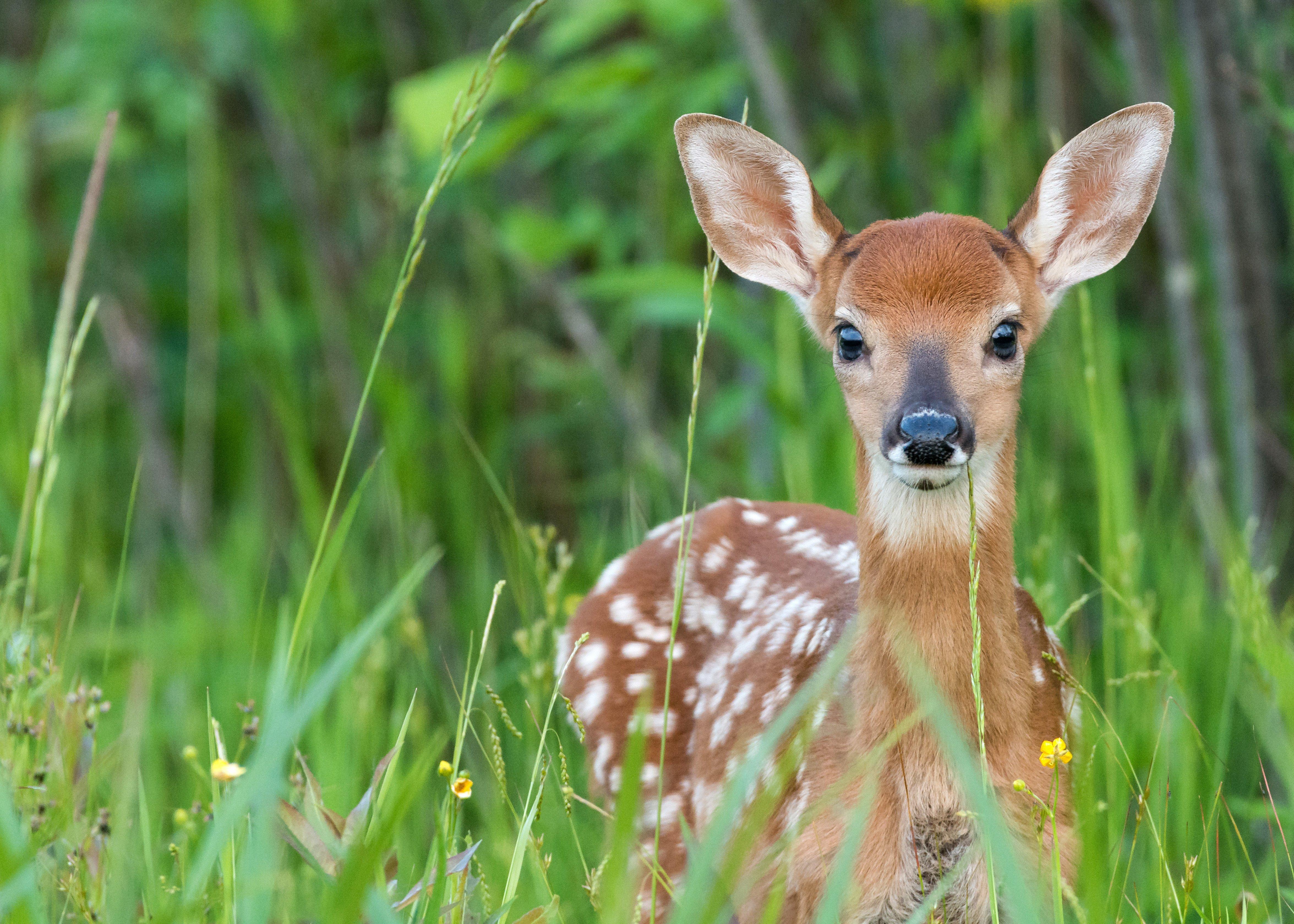
Fawns, or baby deer, have a high mortality rate. More than half do not survive their first year because they are easy targets for predators and can die from harsh weather or lack of food.
Lifespan Of Different Deer Species
Different species of deer have different average lifespans. Here is a comparison of some common types:
| Deer Species | Average Lifespan (Wild) | Average Lifespan (Captivity) |
|---|---|---|
| White-tailed Deer | 4-6 years | 10-14 years |
| Mule Deer | 9-11 years | 15-20 years |
| Roe Deer | 7-9 years | 12-17 years |
| Red Deer | 10-13 years | 15-20 years |
| Moose (largest deer) | 10-12 years | 20-25 years |
As the table shows, deer usually live much longer in captivity because they are safe from predators and get regular food and medical care.
Main Factors That Affect Deer Lifespan
Predation
Deer are prey for many animals. In North America, white-tailed deer often face coyotes, wolves, bobcats, and mountain lions. Young fawns are especially at risk. Predation is the main reason why many deer die young.
Disease And Parasites
Deer can catch diseases like chronic wasting disease and bovine tuberculosis. Parasites such as ticks and worms also harm their health and can shorten their lives. In some areas, disease outbreaks can kill many deer quickly.
Food And Habitat
Deer need enough food and safe places to hide. If food is scarce in winter, or if forests are cut down, deer can starve or become easy targets for predators.
Weather
Cold winters and heavy snow make it hard for deer to find food. Fawns and older deer may not survive long periods of snow and ice.
Human Impact
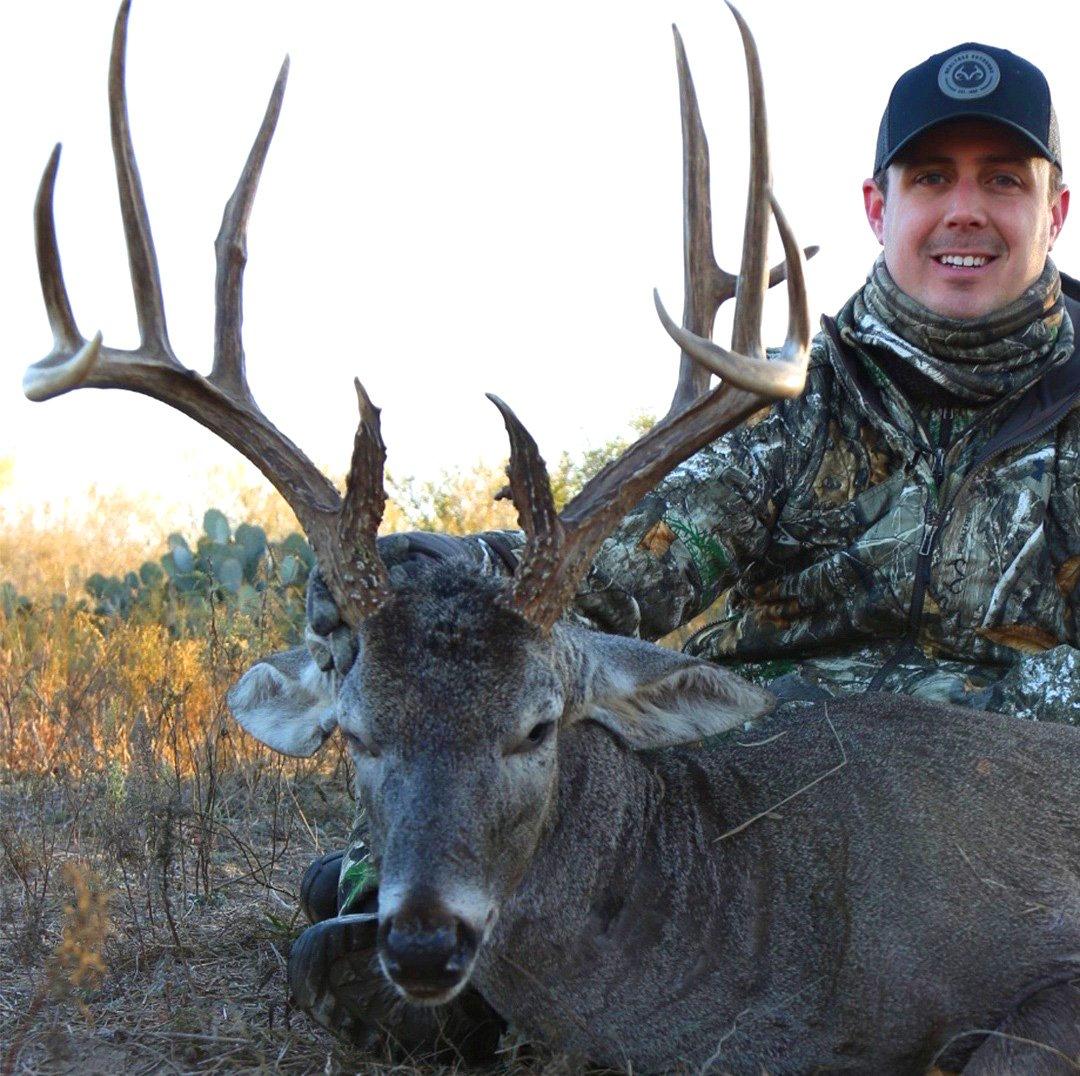
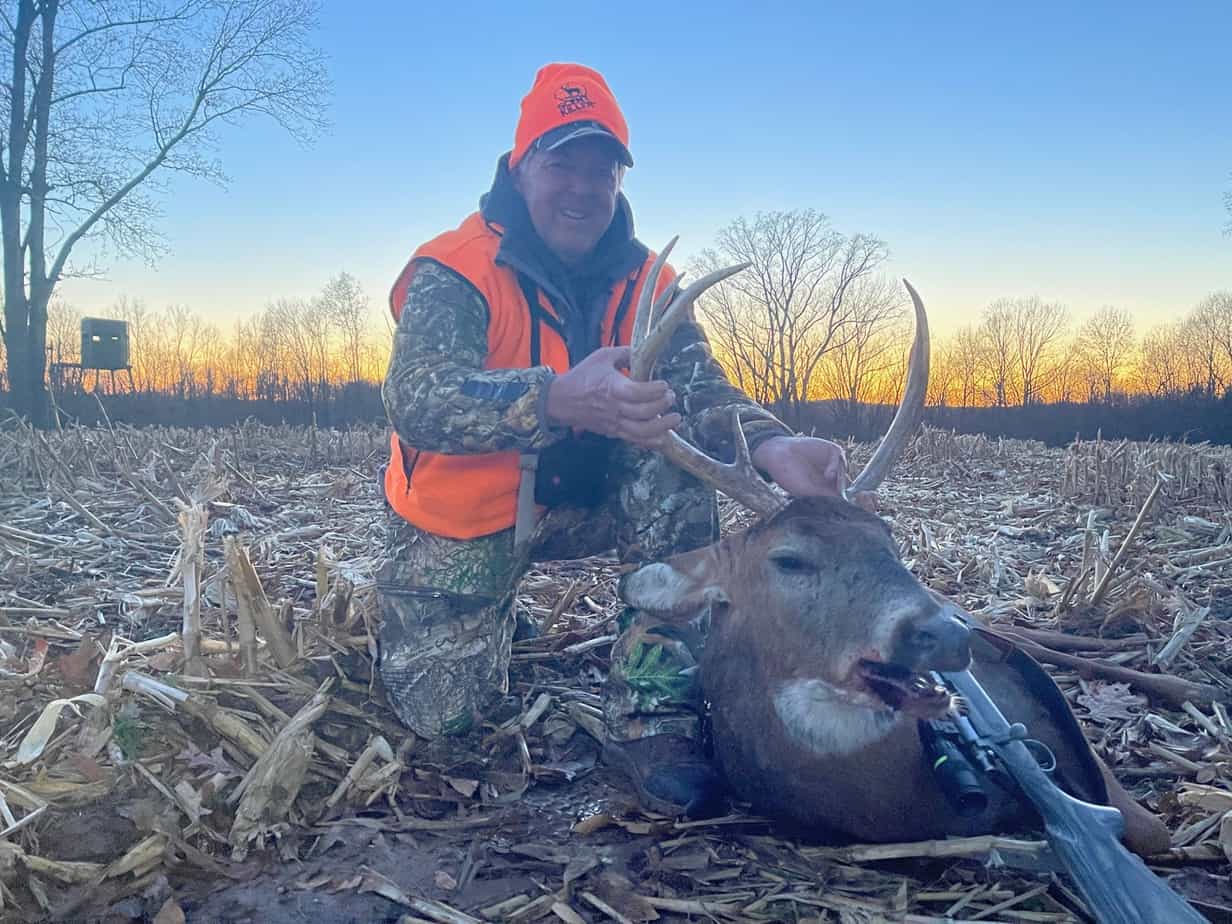
Hunters often target older, larger males. Roads and cars are dangerous for deer, and urban development destroys habitats. On the other hand, some parks and reserves protect deer, helping them live longer.
Deer Lifespan In Captivity
Deer in zoos or protected parks often live much longer than wild deer. With no predators, good food, and veterinary care, many can reach double the age of their wild relatives. For example, some white-tailed deer have lived up to 20 years in captivity.
But deer in captivity can have other problems. They may get diseases from other animals, or suffer stress if they cannot roam freely. Still, their survival rates are much higher than in the wild.
How Scientists Determine A Deer’s Age
Wildlife experts use several methods to tell how old a deer is:
- Tooth wear – Deer teeth wear down as they age. By looking at tooth patterns, experts can estimate age.
- Antler size – In males, antlers get bigger until about age 5. After that, growth slows.
- Body size – Young deer are smaller. Growth slows after 2-3 years.
These methods are not perfect. For the most accurate results, biologists often check multiple signs together.
Comparing Deer Lifespans To Other Wild Animals
It helps to compare deer lifespans with those of other common wild mammals:
| Animal | Average Lifespan (Wild) |
|---|---|
| White-tailed Deer | 4-6 years |
| Elk | 10-13 years |
| Rabbit | 1-2 years |
| Wolf | 6-8 years |
| Brown Bear | 20-30 years |
Deer live longer than small mammals like rabbits, but much less than predators like bears.
Non-obvious Insights Most People Miss
Many people believe that deer in safe areas will always live to a “full” age, like 15 or 20 years. In reality, very few wild deer reach old age, even in areas with no hunters. Disease, harsh winters, and car accidents are always risks.
Another common misunderstanding is that bigger antlers always mean an older deer. Sometimes, young deer with good food grow big antlers early, while old, unhealthy deer have small antlers. Body condition and nutrition play a big role.
Practical Tips For Helping Deer Live Longer
If you want to help deer in your area:
- Drive carefully in places where deer cross roads, especially at dawn and dusk.
- Support forest and habitat conservation groups.
- Avoid feeding wild deer, as this can spread disease.
For more on deer biology and conservation, read this excellent overview from the Wikipedia Deer Page.
Frequently Asked Questions
How Long Do White-tailed Deer Live?
White-tailed deer usually live 4-6 years in the wild. In captivity, they can live up to 14-20 years.
What Is The Oldest Recorded Deer?
The oldest wild deer recorded was a white-tailed deer that lived about 20 years in captivity. Wild deer rarely reach this age.
Do Male Or Female Deer Live Longer?
Female deer often live longer than males. Males are more likely to die from fighting, hunting, and stress during mating season.
Can Deer Die From Old Age?
Yes, but it is rare in the wild. Most deer die from predators, disease, or accidents before reaching old age.
How Can You Tell If A Deer Is Old?
Look for worn teeth, a thin body, and smaller antlers on males. Old deer also move more slowly and may have gray fur.
Understanding how long deer live gives us a deeper respect for these animals and the challenges they face. By learning more about their lifespans and the threats they face, we can make better choices to help protect deer for future generations.