How Do Deer Sleep?
Sleep is important for all animals, but wild creatures like deer have unique ways to rest. Many people are surprised to learn how deer sleep and how their sleep habits help them survive. Understanding these habits can reveal much about their daily lives and how they avoid danger.
Where Do Deer Sleep?
Deer are very careful about where they rest. They do not sleep in open areas. Instead, they look for safe, hidden spots to stay out of sight from predators. Common sleeping places include:
- Tall grass or thick bushes
- Under low-hanging tree branches
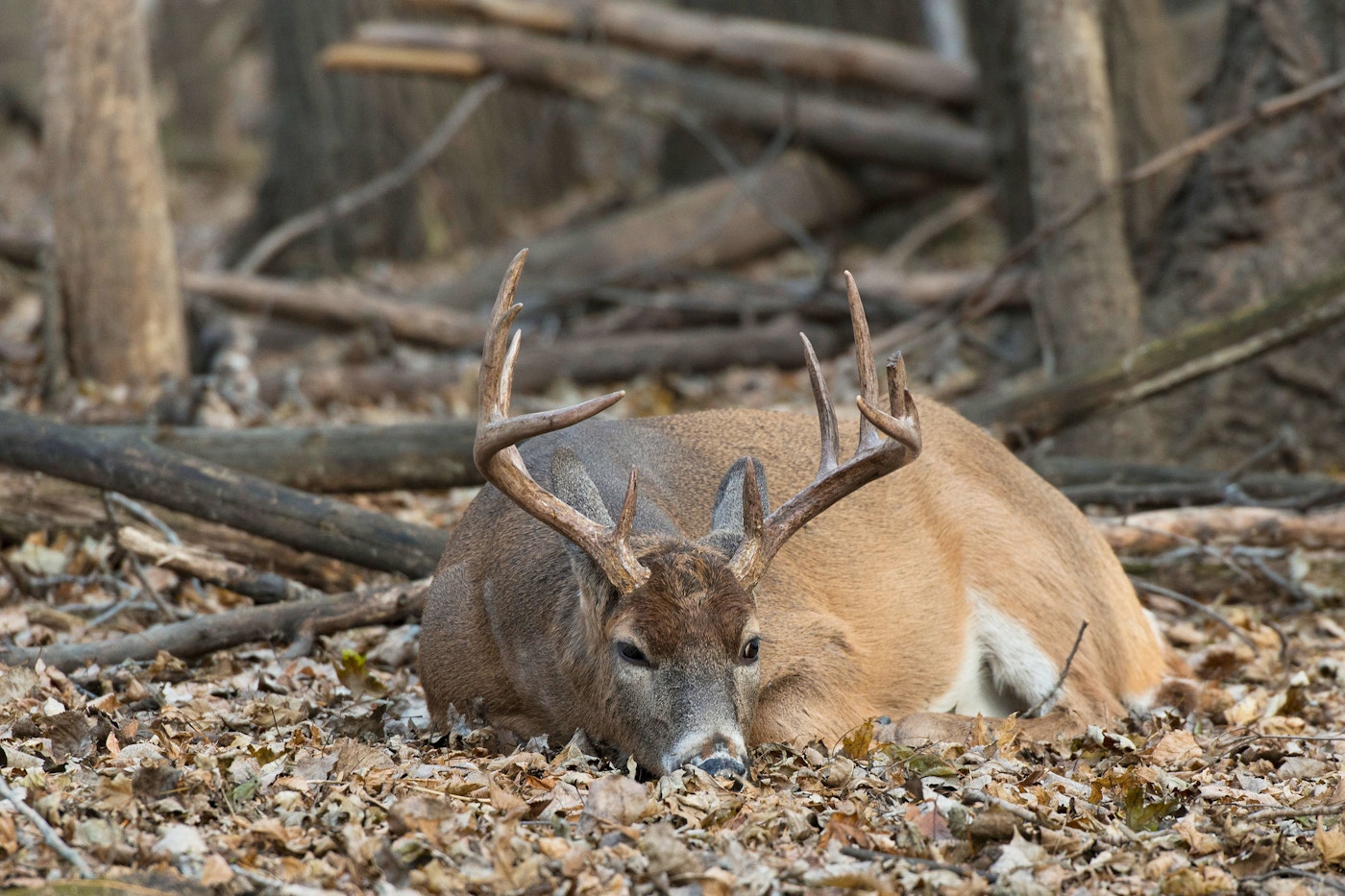
- In forests with fallen leaves for cover
These spots give them natural camouflage. Deer often choose locations with good wind direction, so they can smell danger coming from behind. They also avoid places with strong human scent.
How Long Do Deer Sleep?
Deer do not sleep for long stretches like humans. Instead, they take many short naps throughout the day and night. On average, a deer sleeps about 3 to 4 hours in a 24-hour period. But these are not solid hours; deer break their sleep into several short periods, often just 10 to 20 minutes each.
Research shows that deer are most likely to rest during the day and are more active at dawn and dusk. This pattern is called crepuscular behavior. It helps them avoid both nighttime and daytime predators.
How Do Deer Sleep Physically?
Deer have a special way of sleeping that keeps them alert. They often sleep lying down, but not always fully. A deer will fold its legs under its body and keep its head up, with ears moving to listen for sounds. This way, even while resting, they are ready to run if there is danger.
Sometimes, deer do doze off standing up, but this is rare and usually just for a few minutes. The most restful sleep happens when they are lying down in a hidden spot.
| Deer Position | Alert Level | How Common |
|---|---|---|
| Lying down, head up | High | Very common |
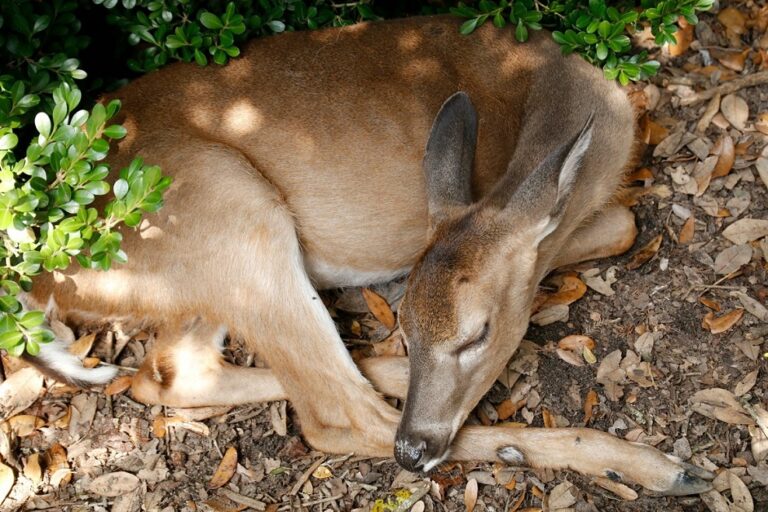
| Lying down, head on ground | Low | Less common |
| Standing up | Very high | Rare |
Do Deer Sleep Alone Or In Groups?
This depends on the species and situation. Female deer (does) often sleep in small groups with their young, called fawns. This offers more protection, as several deer can watch for danger. Male deer (bucks) are more likely to sleep alone, especially outside the mating season.
During winter, deer sometimes form larger groups. This is called “yarding. ” By grouping together, they keep each other warm and safe.
Light Sleep Vs. Deep Sleep
Deer experience both light sleep and deep sleep. Most of their rest is light, called “dozing.” In this state, their eyes may be partly open, and their ears keep moving. They can wake up in seconds.
Deep sleep is shorter and happens when the deer feels very safe. During deep sleep, the body relaxes more, and the head may drop to the ground. This phase is important for the brain, just like it is in humans.
Unique Sleep Adaptations In Deer
Deer have developed some interesting ways to sleep safely:
- One side of the brain awake: Like some birds, deer can keep part of their brain alert while the rest sleeps. This helps them notice sudden movements or sounds.
- Frequent waking: Deer wake up often to sniff the air, listen, or look around. This habit reduces the risk of being surprised by predators.
- Memory of safe spots: Deer remember places where they have slept safely before and return to these spots.
These adaptations help deer survive in the wild, where threats are everywhere.
How Seasons Affect Deer Sleep
Deer change their sleep patterns with the seasons. In summer, cover is thick, and food is easy to find. Deer may sleep more during the day, hiding in leafy areas. In winter, cover is less, and food is scarce. Deer sleep less and must move more to search for food.
Cold weather also means deer must save energy, so they rest together to share body heat.
| Season | Sleeping Area | Main Challenge |
|---|---|---|
| Summer | Thick grass, leafy woods | Staying cool, hiding from predators |
| Winter | Pine forests, wind-protected spots | Staying warm, finding food |
Fawn Sleeping Habits
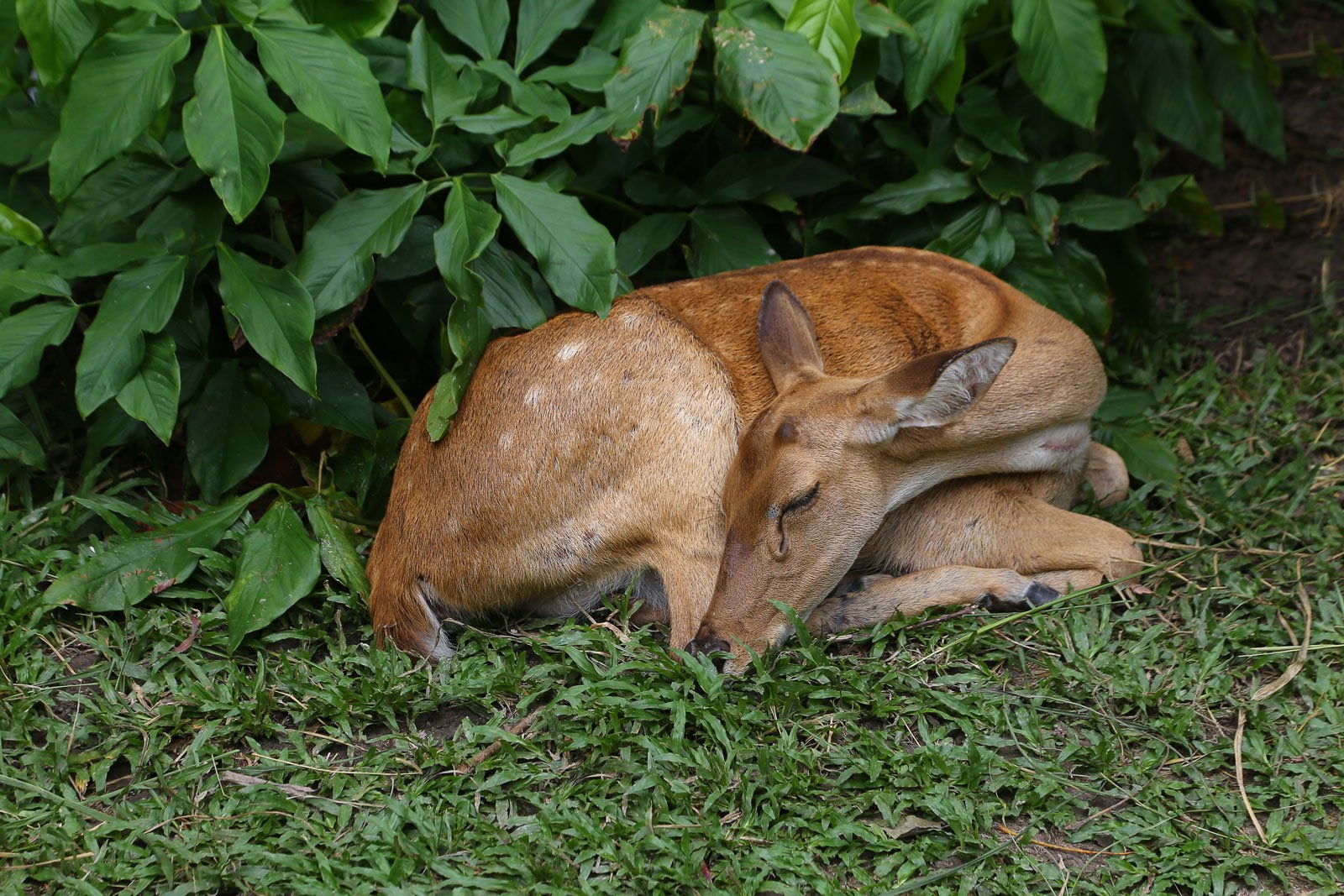
Fawns (baby deer) have different sleep habits than adults. For the first weeks of life, fawns spend most of their time lying still and sleeping, hidden in tall grass. Their mother visits them only a few times a day to feed them. This helps keep predators from finding the fawn by smell or sight.
Fawns can sleep for several hours at a time. Their spotted coats help them blend in with their surroundings, making them almost invisible.
Common Misconceptions About Deer Sleep
Many people believe deer sleep standing up, but this is rare. Others think deer are always on the move, but rest is vital for their health. The truth is, deer are experts at finding safe, hidden places and can nap many times a day without being noticed.
Another common mistake is thinking deer sleep all night like humans. In reality, their sleep is broken and cautious.
Human Impact On Deer Sleep
Urban development, roads, and farming can change where and how deer sleep. When humans disturb their natural habitats, deer may sleep in less safe places, increasing their risk from predators, cars, and even hunters. Some deer adapt by sleeping closer to cities or in suburban parks, where there are fewer natural dangers but more human threats.
How To Spot Sleeping Deer
Finding a sleeping deer is not easy. Their camouflage and careful choice of resting spot make them hard to see. If you come across a deer lying down with its head up and ears moving, it may be resting. It is important not to approach or disturb sleeping deer. If you see a fawn alone, do not touch it; the mother is usually nearby.
Comparison: Deer Sleep Vs. Other Animals
Deer have unique sleep habits, but how do they compare to other common animals?
| Animal | Average Sleep per Day | Sleep Style |
|---|---|---|
| Deer | 3-4 hours | Short naps, alert |
| Horse | 2-3 hours | Short naps, standing or lying |
| Rabbit | 8-9 hours | Burrowed, hidden |
| Human | 7-9 hours | Deep sleep, long stretch |
Practical Insights For Nature Observers
If you want to observe deer in the wild, understanding their sleep patterns is helpful. Early morning and late evening are the best times to see deer moving. Avoid walking through thick brush quietly, as you may startle resting deer without seeing them.
Remember, a deer’s main defense is to stay hidden and alert. Most people walk past sleeping deer without ever knowing.
For more about animal sleep, see this Wikipedia page on sleep in animals.
Frequently Asked Questions
How Do Deer Avoid Predators While Sleeping?
Deer choose hidden locations and sleep lightly, often waking up to check for danger. Their ears and nose stay alert, and they are ready to run at any sign of trouble.
Do Deer Sleep At Night Or During The Day?
Deer sleep at different times, usually during the day and sometimes at night. They are most active at dawn and dusk, so their sleep is spread throughout the 24 hours.
Can Deer Sleep Standing Up?
Deer can doze while standing for short periods, but true restful sleep happens when they are lying down, usually with legs tucked under and head up.
How Do Fawns Sleep Differently From Adult Deer?
Fawns sleep more and stay hidden alone for safety. Their mother returns only to feed them, keeping predators away from the sleeping spot.
Do Deer Dream?
Research on deer dreams is limited, but like other mammals, deer likely experience REM sleep during deep rest, which is when dreaming happens.
Deer are survivors, and their sleep habits are a key reason why. By understanding how deer sleep, we gain a deeper respect for their ability to live in the wild, always alert, always adapting.