Deer are known for their beauty and grace, but there’s a hidden world happening in the forests and fields where they live. They spend much of their time sending messages to other deer, telling them where they belong, who is in charge, and where their boundaries lie. One of the most important ways they do this is by marking territory. But how do deer actually mark their land? What signs do they leave behind, and why do these signals matter so much? Understanding these behaviors can open your eyes to the secret life of deer—and help you spot their presence even if you never see them.
Why Do Deer Mark Territory?
Deer are social animals, but they also need their own space. Territory marking helps deer:
- Avoid fights by showing who “owns” an area
- Attract mates during the breeding season
- Warn rivals to stay away
Not all deer species defend territory in the same way. For example, whitetail bucks are famous for their clear markings, while some other species are less direct. Still, most deer use similar methods to send signals.
Main Ways Deer Mark Territory
Deer use a mix of scent, physical markings, and behavior to send their messages. These are the most common methods:
1. Scrapes
A scrape is a spot where a deer uses its hooves to clear away leaves, grass, or snow, creating a bare patch of earth. Bucks often make these marks under low-hanging branches.
- Bucks urinate on the scrape to leave their scent.
- They may visit and freshen scrapes daily during mating season.
Scrapes are a billboard that says, “I’m here. This is my place. ”
2. Rubs
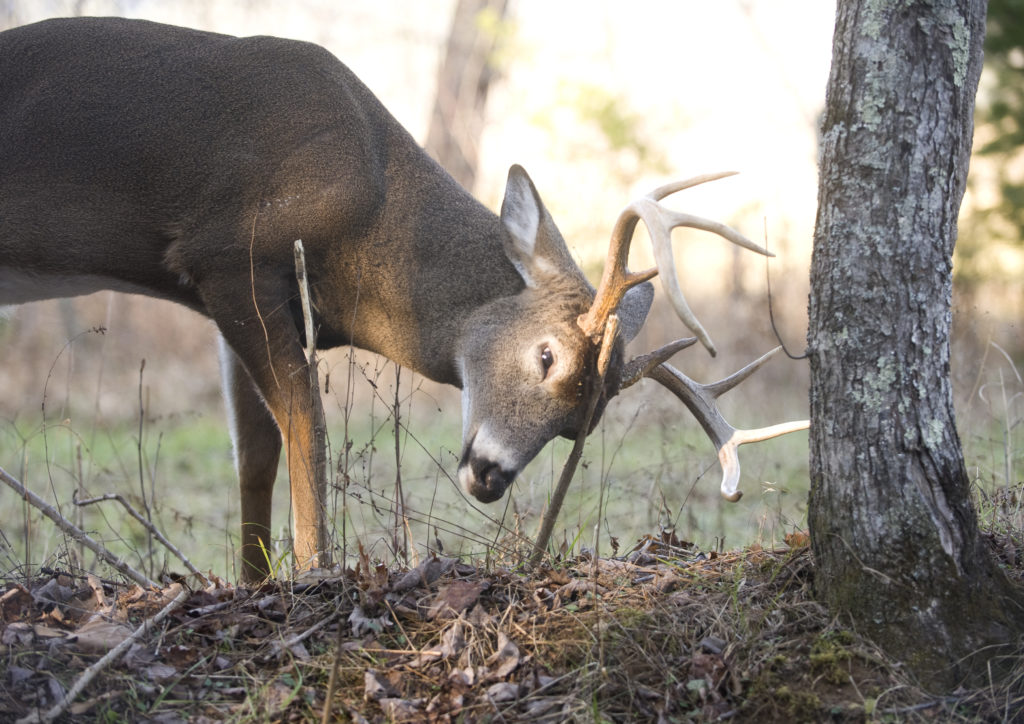
Rubs are made when a buck uses his antlers to strip bark from small trees or shrubs.
- The scent from glands on their forehead rubs off onto the tree.
- Rubs can show other deer the size and strength of the buck.
These marks are easy to spot: look for smooth, pale patches on tree trunks about 2-3 feet above the ground.
3. Scent Glands
Deer have special scent glands for marking. The main ones are:
- Forehead glands (leave scent on rubs)
- Tarsal glands (inside back legs, used when urinating on scrapes)
- Preorbital glands (by the eyes, rubbed on branches)
- Metatarsal glands (on the lower outside of the hind legs, thought to help signal stress or alarm)
By rubbing or urinating, deer deposit unique scents that tell others about their age, sex, and even mood.
4. Urine And Droppings
Urine is not just waste—it’s a message. When bucks urinate over their tarsal glands onto a scrape, it creates a powerful scent signal.
- Other deer can “read” these messages to learn who was there and when.
- Droppings may also be used, but urine is much more important for marking territory.
5. Licking Branches
Above most scrapes, you’ll find a licking branch. Bucks and does both use these.
- Deer rub their preorbital glands and sometimes their mouths on the branch.
- This action leaves scent and spreads saliva, adding more information.
Licking branches are like a deer’s version of social media—they keep communication going between animals.
6. Physical Presence And Behavior
Sometimes, just being present is enough. A dominant buck may herd does or chase away rivals, showing control over an area. Deer may also stomp, snort, or use body language to warn others.

Comparing Scent Marking Methods
Here’s how the main territory marking methods compare in terms of purpose and strength:
| Marking Method | Main Purpose | Strength of Signal |
|---|---|---|
| Scrapes | Attract mates, warn rivals | Very High |
| Rubs | Show strength, claim area | High |
| Scent Glands | Personal identification | Medium |
| Licking Branches | Ongoing communication | Medium |
| Urine/Droppings | Signal presence | High (urine), Low (droppings) |
When Do Deer Mark Territory Most?
Marking is not the same all year. It changes with the seasons:
- Pre-rut (late summer to early fall): Bucks start making rubs to shed velvet and show strength.
- Rut (breeding season): Scrapes and scent marking peak as bucks look for mates.
- Post-rut (late fall to winter): Marking slows down, but some signals remain.
Bucks are busiest in fall, but does also use scrapes and licking branches, mostly for social reasons.
Hidden Insights: What Most People Miss
Most beginners think only bucks mark territory, but does also use some signals, especially licking branches. In areas with high deer numbers, you may find community scrapes—spots used by many deer, not just one dominant buck.
Another thing many miss: rubs and scrapes are not just for the current season. Old marks can influence how deer move for months, sometimes shaping travel paths for generations.
How Far Does A Marked Territory Go?
Deer do not mark huge, fixed borders like some other animals. Instead, they create a network of marks across their home range.
Here’s a quick look at typical home ranges for common deer:
| Species | Average Home Range | Territory Overlap? |
|---|---|---|
| White-tailed Deer | 0.5–1.5 square miles | Yes, especially does |
| Mule Deer | 1–4 square miles | Yes |
| Roe Deer | 0.2–0.5 square miles | Less overlap for bucks |
Territories often overlap, but dominant bucks will defend core areas, especially in the rut.
Why Should You Care?
Understanding how deer mark territory is useful for hunters, wildlife watchers, and anyone curious about nature. If you find a fresh scrape or rub, you’re close to where deer are active. These signs also help scientists study deer health, numbers, and behavior.
For those managing land, knowing about deer marking can help balance wildlife and protect crops or gardens. For more on deer behavior and biology, check out Wikipedia’s deer page.
Frequently Asked Questions
How Can I Spot A Deer Scrape Or Rub?
Look for bare patches of earth (scrapes) under low branches or smooth, pale bark on small trees (rubs). Scrapes are often 2-3 feet wide, while rubs are found about knee-high.
Do Female Deer Mark Territory?
Yes, does may use licking branches and even scrapes, mainly for communication with other does or young deer. They are less aggressive than bucks.
What Time Of Year Do Deer Mark Most?
Deer mark territory most in autumn, especially during the rut (breeding season). This is when bucks are searching for mates.
How Long Does A Scent Mark Last?
Scent marks can last days to weeks, depending on rain, wind, and temperature. Deer refresh marks often to keep their messages clear.
Are Rubs And Scrapes Always A Sign Of Many Deer?
Not always. A single mature buck can make dozens of marks in a season. But several marks in one area can suggest high deer activity.
Deer territory marking is a fascinating window into animal communication. Next time you walk in the woods, look for these signs—you might discover a hidden drama happening right under your feet.