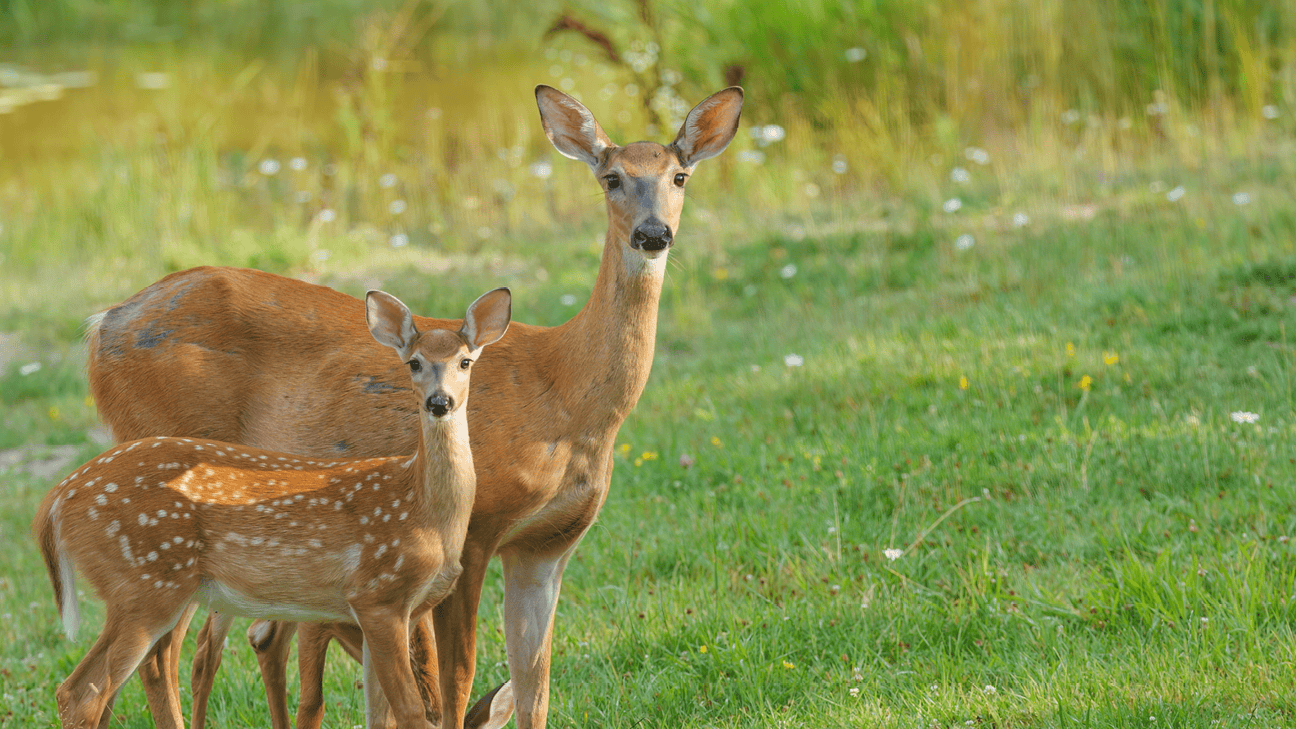
Deer are beautiful animals that play an important role in forests and grasslands. They help shape plant life and are also a food source for many predators. But in some places, deer populations are shrinking, while in others, they are growing too much and causing problems.
Learning how to conserve deer populations helps keep nature balanced and supports the needs of both wildlife and people.
Understanding Deer Population Challenges
Deer face many threats today. Habitat loss is a major issue. As cities and farms grow, forests and fields disappear. This leaves deer with less space and fewer food sources.
Overhunting can quickly reduce deer numbers. In some regions, hunting is not controlled well, and too many deer are taken each year. On the other hand, in places where hunting is banned or predators are missing, deer can become too numerous, harming plants and causing car accidents.
Diseases like Chronic Wasting Disease can spread quickly in crowded areas. Pollution, climate change, and road development also put pressure on deer populations.
Conserving deer means finding a balance. It’s about making sure there are enough deer for nature and people, but not so many that problems arise.
Key Strategies To Conserve Deer Populations
1. Protecting And Restoring Habitat
Healthy habitats are the foundation for strong deer populations. This means saving forests, meadows, and wetlands where deer find food, water, and shelter.
- Support land protection programs that create parks or reserves.
- Restore damaged areas by planting native trees and grasses.
- Connect small forests with wildlife corridors, so deer can move safely.
Example: In the United States, organizations buy land or work with private owners to keep forests undeveloped, helping deer and other wildlife.
2. Sustainable Hunting Management
Regulated hunting is a tool to control deer numbers. When done right, it helps populations stay healthy and avoid overgrazing.
- Governments set limits on how many deer can be hunted.
- Special hunting seasons protect deer during breeding times.
- Hunters may be asked to report what they harvest.
Data comparison:
| Country | Annual Deer Hunting Limit | Estimated Deer Population |
|---|---|---|
| USA | Varies by state (1-5 per hunter) | ~30 million |
| UK | No bag limits (some species) | ~2 million |
Setting the right hunting rules is tricky. Too many restrictions may lead to overpopulation, while too few can harm the species.
3. Monitoring Deer Health And Numbers
Regular surveys tell wildlife experts how many deer live in an area and how healthy they are.
- Use cameras, tracks, and aerial surveys to count deer.
- Collect samples to check for diseases.
- Tag and track some deer to study their movements.
Non-obvious insight: Many beginners think deer numbers are easy to estimate. In reality, counting deer is hard, especially in thick forests. Using technology like drones and GPS collars has made this job more accurate.
4. Managing Predators And Competitors
Deer need predators like wolves and mountain lions to keep their numbers balanced. But in many regions, predators are rare or missing.
- In some places, reintroducing predators helps restore balance.
- Where predators are gone, controlled hunting mimics their effect.
- Monitor other herbivores that compete with deer for food.
Example: In Yellowstone National Park, bringing back wolves changed how deer (elk) move and feed, improving the health of the ecosystem.
5. Disease Prevention And Control
Diseases can spread quickly among deer, especially in crowded or stressed populations.
- Monitor for diseases like Chronic Wasting Disease (CWD) and Epizootic Hemorrhagic Disease (EHD).
- Remove sick animals to stop disease from spreading.
- Limit deer feeding stations, which can spread germs.
Comparison of Common Deer Diseases:
| Disease | Symptoms | Impact on Population |
|---|---|---|
| Chronic Wasting Disease | Weight loss, strange behavior | Can cause large die-offs |
| Epizootic Hemorrhagic Disease | Fever, swelling, death | Sudden, local outbreaks |
6. Reducing Roadkill And Human-deer Conflicts
As roads cross deer habitats, car accidents become a serious threat.
- Build wildlife crossings or tunnels where roads cut through deer areas.
- Put up warning signs in high-risk zones.
- Use fencing to keep deer off busy highways.
Practical tip: Installing reflectors or scent markers can help warn deer away from roads, but these are not always effective everywhere.
7. Public Education And Community Involvement
People play a big role in deer conservation. Teaching communities why deer matter and how to help is vital.
- Offer workshops on responsible hunting.
- Encourage landowners to protect deer habitats.
- Get volunteers to help with surveys or tree planting.
Non-obvious insight: Many deer problems start when people feed deer in their yards. This can attract too many deer and spread disease. Educating the public about these risks makes a real difference.
8. Supporting Research And Innovation
New science and tools are always improving deer conservation.
- Fund studies on deer genetics, nutrition, and movement.
- Test creative solutions, like using drones for counting deer.
- Share results with other regions to spread success.
Example: Some researchers use DNA from deer droppings to estimate population size without needing to see the animals.
The Importance Of Balance
Conserving deer is not just about raising numbers. Too few deer can hurt predators and hunters. Too many can damage forests, crops, and even cause more car accidents. Finding the right balance takes teamwork from scientists, hunters, landowners, and the public.
This is why many countries use adaptive management: they adjust their strategies each year based on new data and changing conditions.
Comparison of Management Approaches:
| Approach | Pros | Cons |
|---|---|---|
| Strict Protection | Quick population recovery | Possible overpopulation, crop damage |
| Regulated Hunting | Balances numbers, supports tradition | Needs good data, risks overharvest |
Frequently Asked Questions
How Can I Help Conserve Deer Populations Near My Home?
You can protect natural areas, avoid feeding wild deer, and support local conservation groups. If you drive through deer habitats, slow down and watch for deer crossings.
Why Is Hunting Allowed If We Want To Conserve Deer?
Controlled hunting keeps deer numbers healthy and prevents overpopulation, which can harm forests and the deer themselves.
What Happens If There Are Too Many Deer?
Too many deer can eat all the young trees and plants, leading to poor forests and less food for other wildlife. They can also cause more car accidents and spread disease.
Are Deer Endangered?
Most deer species are not endangered, but some, like the Key deer in Florida, are at risk. Conservation efforts focus on both common and rare species.
Where Can I Learn More About Deer Conservation?
You can visit the National Geographic deer facts page for more information on deer species and their conservation worldwide.
Efforts to conserve deer populations require ongoing care, smart management, and cooperation among all who share the land. By staying informed and taking action, we can ensure deer thrive for generations to come.