Are Deer Dangerous?
Many people see deer as gentle animals wandering through forests or fields. Their big eyes and quiet movements make them seem harmless. But is this really true? Could deer be dangerous to humans or other animals? This question is more important than most people think, especially for those living near wildlife or spending time outdoors.
This article explores the risks of encountering deer, their behavior, when they can become aggressive, and how to stay safe. You’ll also learn about the hidden dangers deer pose, such as road accidents and disease transmission. The goal is to give you a full understanding of whether deer are dangerous, and what you should do if you meet one.
When Can Deer Be Dangerous?
Deer are usually shy and avoid people. However, certain situations make them risky:
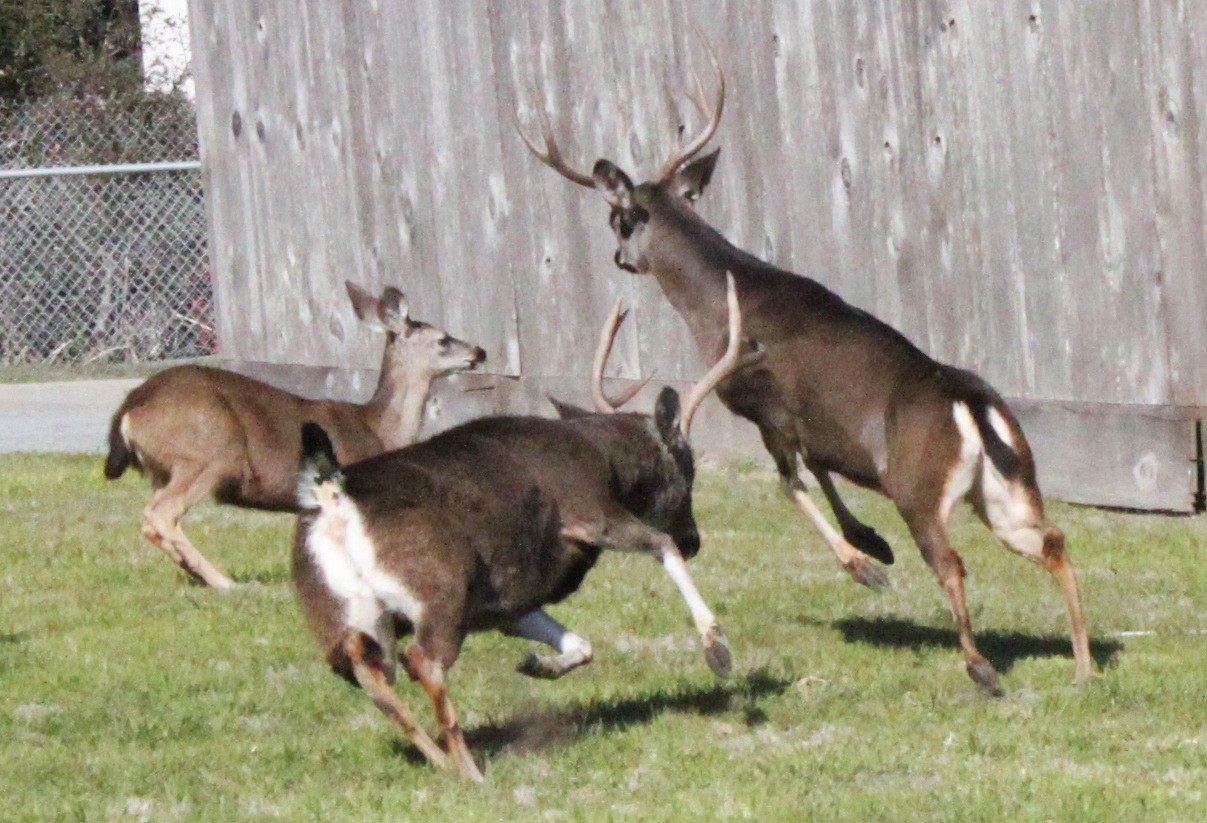
- Mating Season (Rut): During autumn, male deer (bucks) become more aggressive. Their hormones rise, and they fight for mates. At this time, they may attack anything they see as a threat, including humans.
- Protecting Young: Female deer (does) protect their fawns strongly. If you approach a fawn, even by accident, the mother may charge you.
- Cornered or Injured: Any wild animal, including deer, can become dangerous if they feel trapped or are hurt. Fear can turn their escape reflex into aggression.
- Feeding by Humans: In parks or gardens, deer that are fed by people lose their natural fear. They may become bold, demand food, or even attack if they feel threatened.
These moments are rare, but they do happen. Knowing when deer might act aggressively helps you avoid trouble.
Types Of Danger Deer Present
Deer can be dangerous in more ways than most people expect. Here are the main risks:
Physical Attacks
While rare, deer have hurt or even killed people. Male deer use their antlers as weapons, especially during the rut. Females may kick with their sharp hooves if they think their young are in danger. Attacks are often quick and can cause serious injuries.
Road Accidents
One of the biggest dangers from deer is on the road. In the United States alone, there are over 1. 5 million deer-vehicle collisions each year. According to the Insurance Institute for Highway Safety, these accidents cause about 200 human deaths and over $1 billion in vehicle damage annually.
Here’s a comparison of deer-related road accidents in a few countries:
| Country | Annual Collisions | Annual Deaths |
|---|---|---|
| United States | 1,500,000+ | 200+ |
| Canada | 45,000 | ~20 |
| United Kingdom | 42,000 | ~20 |
These numbers show that deer are a real safety risk on roads, especially in rural or wooded areas.
Disease Transmission
Deer can carry ticks that spread Lyme disease, which is a serious illness for humans. In North America and parts of Europe, deer ticks are the main carriers. Deer may also spread other diseases, such as chronic wasting disease, to other animals.
Damage To Property
Deer sometimes enter gardens, farms, or parks, eating plants and crops. Large groups can destroy fields in a few days. This is a financial danger for farmers and gardeners.
Hidden Dangers
Many people forget that deer, while not predators, can cause indirect harm. For example, a deer running across a bike path can knock over cyclists. In winter, feeding stations attract deer, which can bring wild predators closer to homes.

Signs Of Aggressive Deer
Most deer run away from humans. But when they feel threatened, their body language changes. Watch for these warning signs:
- Stomping: Deer stomp their front hooves when alert or angry.
- Lowered Head: If a buck lowers his head and shows his antlers, he may be ready to charge.
- Ears Laid Back: This means the deer is not relaxed and could attack.
- Snorting or Wheezing: Deer make these sounds to warn others or scare off threats.
If you see these signs, slowly back away and give the deer space.
Staying Safe Around Deer
You can greatly lower your risk of harm by following some simple rules:
- Keep Distance: Never approach deer, especially if you see fawns or large males.
- Do Not Feed: Feeding wild deer makes them lose fear and act unpredictably.
- Stay Calm: If you meet a deer, stay quiet and move away slowly. Do not run or turn your back.
- Be Careful Driving: Slow down in areas with deer crossing signs, especially at dawn and dusk when deer are active.
- Protect Pets: Keep dogs on a leash when hiking in deer country. Dogs can trigger defensive attacks from deer.
- Check for Ticks: After being outdoors, check your clothes and body for ticks to avoid disease.
Most importantly, respect deer as wild animals. Observing them from a safe distance is enjoyable and safe.

Real-life Examples
There are several news reports and research studies about deer attacks and road accidents. In 2011, a man in Arkansas was killed by a buck he had wounded during hunting. In the United Kingdom, a cyclist was seriously injured after being charged by a deer in Richmond Park.
Here is a comparison of deer versus other large animals in terms of human danger:
| Animal | Annual Human Fatalities (Global) | Typical Cause |
|---|---|---|
| Deer | ~200 (mostly vehicle accidents) | Road collisions |
| Moose | ~10 | Direct attacks, vehicle accidents |
| Bear | ~5 | Direct attacks |
As you can see, deer cause more deaths than bears or moose, mainly through indirect means like car crashes.
Non-obvious Insights About Deer Dangers
Many people think only large, aggressive animals are dangerous. But deer, because they are so common and often live near humans, cause more injuries than expected. Another point is that deer look slow, but they can run up to 30 miles per hour.
This speed means they can surprise drivers or people on foot.
What To Do If A Deer Approaches
If a deer walks toward you and acts threatening:
- Make yourself look big by raising your arms.
- Speak in a calm, firm voice.
- Slowly back away; do not run.
- If attacked, try to put a solid object like a tree or bench between you and the deer.
- Seek medical help if injured, especially for bites or wounds from antlers or hooves.
Frequently Asked Questions
What Should I Do If I Hit A Deer With My Car?
First, pull over safely and turn on your hazard lights. Do not approach the deer, as it may be alive and dangerous. Call the police or animal control for help. Check your car for damage before driving again.
Can Deer Attack Pets Or Livestock?
Yes, deer can kick or charge at dogs, especially during spring fawning or autumn rut. Keep pets on a leash near deer habitats.
Are Certain Types Of Deer More Dangerous?
Larger species like white-tailed deer and elk can be more dangerous due to their size and antlers, but all deer can attack if threatened.
How Can I Avoid Hitting Deer While Driving?
Drive slowly in areas with deer crossing signs, especially at dawn and dusk. Use high beams when possible, and watch for groups, as deer often travel together. For more safety tips, see the Insurance Institute for Highway Safety.
Do Deer Spread Diseases To Humans?
Deer themselves don’t often spread diseases directly, but the ticks they carry can transmit Lyme disease and other illnesses. Always check for ticks after spending time outdoors.
Deer are beautiful animals, but they are not always harmless. By understanding their behavior and risks, you can enjoy wildlife safely and avoid the hidden dangers they may bring.