What Do Deer Antlers Mean?
Deer antlers have fascinated people for centuries. These impressive structures are more than just headgear for animals in the wild. They carry deep meaning in nature, culture, and even science. People see them as symbols of power, growth, and change. At the same time, antlers play a critical role in the life of a deer. If you want to understand deer antlers, you need to look at what they mean in different areas: biology, traditions, and symbolism.
The Science Behind Deer Antlers
Antlers are not just horns. They are unique to the deer family (Cervidae) and differ from other animal horns in several ways.
How Antlers Grow
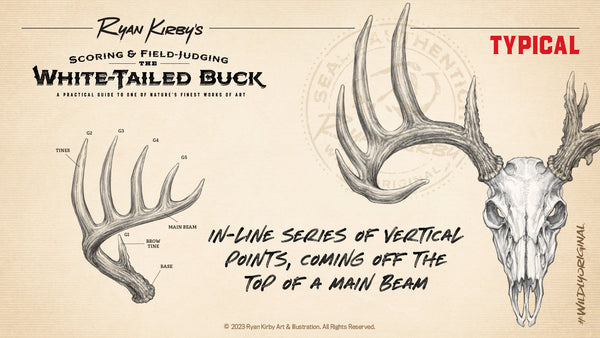
Antlers start growing in spring and are made of bone. Young antlers are covered with a soft skin called velvet, which supplies blood and nutrients. By late summer, the velvet dries up and the deer rubs it off, leaving hard, polished antlers. Most deer shed their antlers every year and grow new ones.
Why Deer Have Antlers
Male deer use antlers for fighting during the mating season. The size and shape of antlers show a deer’s age and health. Bigger antlers often mean a stronger or more dominant animal. Female deer usually do not have antlers (except for reindeer).
| Feature | Deer Antlers | Other Animal Horns |
|---|---|---|
| Material | Bone | Keratin |
| Growth Pattern | Shed yearly | Permanent |
| Covered in Velvet? | Yes | No |
Not Just For Show
While antlers are used in fights, they are also important for display. A large set of antlers can attract females and scare off other males. Antlers are a way for deer to show off their genes without having to fight every time.
Symbolic Meanings Of Deer Antlers
Antlers have appeared in human stories and art for thousands of years. Their meaning changes across cultures, but some ideas are common.
Power And Leadership
In many cultures, antlers are a sign of strength and leadership. The biggest antlers belong to dominant males, so people often connect them with kings, warriors, or strong leaders. You can see antler symbols on old coins, flags, and even thrones.
Growth And Renewal
Because deer shed and regrow their antlers each year, many people see them as a symbol of rebirth and transformation. Some believe that antlers represent the cycle of life, death, and renewal.
Spiritual Connection
In Native American traditions and Celtic myths, antlers are linked to the spirit world. The stag is often seen as a guide between the human and spiritual realms. In art, antlers can look like trees or branches, connecting the earth and the sky.
Modern Symbolism
Today, you might see antlers in home decor or as tattoos. People choose them to represent personal growth, courage, or a connection with nature. They also appear in company logos, outdoor brands, and sports teams.
Cultural Significance Around The World
Antlers have different meanings depending on where you go.
- Europe: The stag is a symbol of nobility. In ancient times, hunters believed that seeing a stag meant good luck.
- Asia: Deer and their antlers are seen as a sign of long life and wisdom, especially in China and Japan.
- North America: Native Americans use antler motifs in art and tools. The white-tailed deer is a sacred animal for many tribes.
- Africa: While true deer are rare, antelope horns (sometimes confused with antlers) are important in local rituals.
| Region | Antler Symbolism |
|---|---|
| Europe | Nobility, luck, masculinity |
| Asia | Longevity, wisdom |
| North America | Spiritual power, protection |
| Africa | Strength (antelope horns) |
Antlers In Art, Medicine, And Modern Life
Antlers are not just important in the wild or in stories. People use them in real life, too.
Art And Decoration
Antlers have long been used as trophies. Hunters mount them on walls to remember a hunt or show their skill. Artists carve antlers into tools, jewelry, or sculptures.
Traditional Medicine
In some countries, powdered antler is used in traditional medicine. For example, in China, “deer velvet” (the soft, growing part of the antler) is used as a health tonic. While some studies show minor benefits, most experts say there is not enough strong evidence to support these claims.
Eco-friendly Material
Antlers are often collected after deer shed them and used as a sustainable resource. They can be made into dog chews, buttons, or knife handles. Because they regrow every year, this does not harm the animal.
| Use | Description | Benefits |
|---|---|---|
| Art | Carvings, sculptures | Unique, natural patterns |
| Medicine | Powdered antler, velvet | Traditional remedies |
| Household Items | Buttons, handles, dog chews | Eco-friendly, durable |
Two Insights Most People Miss
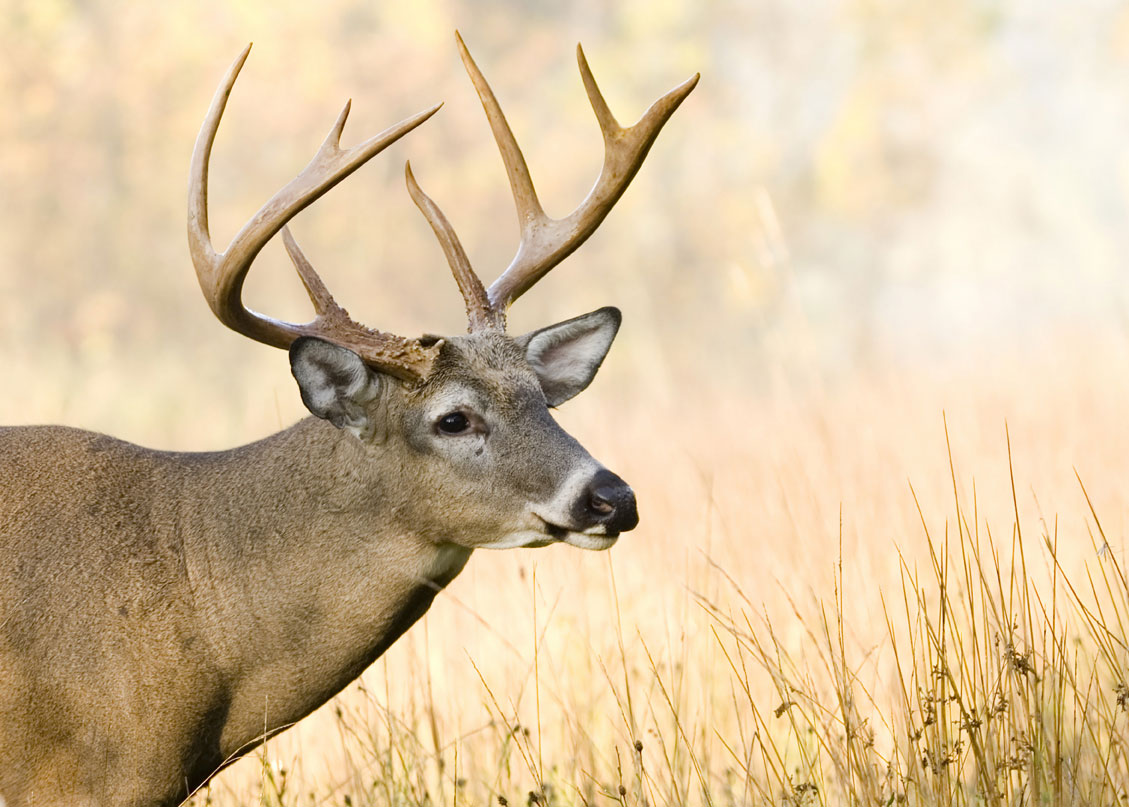
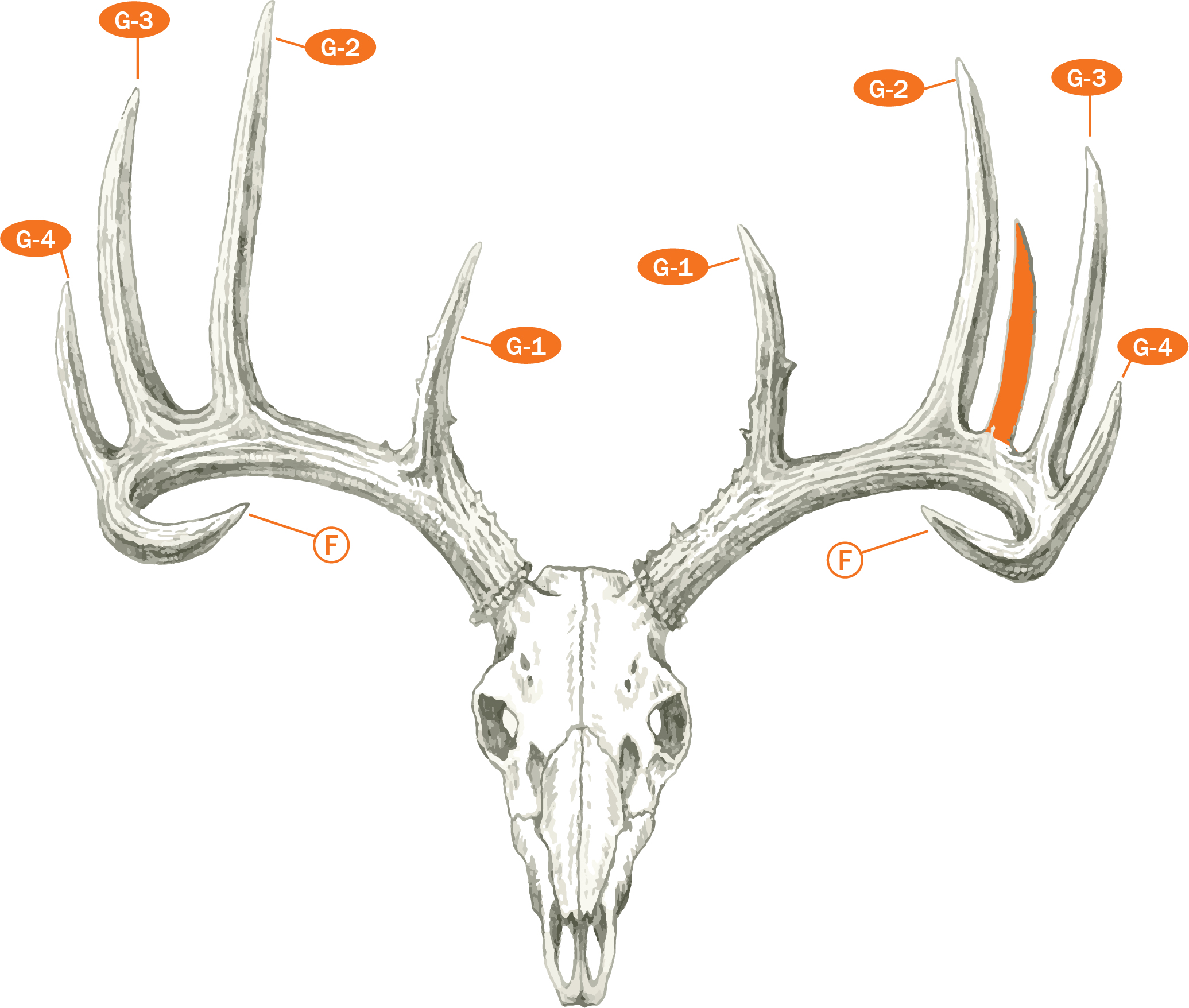
Many beginners think that all antlers are the same, but there are over 40 species of deer, and each has a unique antler shape. For example, the moose has wide, palm-shaped antlers, while the white-tailed deer has branched antlers.
Another common mistake is believing only males have antlers. In reality, female reindeer also grow antlers, especially to protect food in the snowy Arctic winter.
Why Antlers Matter For The Ecosystem
When deer shed their antlers, these bones add minerals back to the forest floor. Small animals and rodents chew on old antlers for calcium. Antlers are not just for deer—they are part of the bigger cycle of life in the woods.
Frequently Asked Questions
Why Do Deer Shed Their Antlers Every Year?
Deer shed their antlers because hormone levels change after the breeding season. Lower testosterone causes antlers to fall off. Growing new antlers each year helps deer stay healthy and ready for competition.
Do Antlers Hurt When They Fall Off?
No, deer do not feel pain when antlers fall off. The tissue connection is weak by the time they drop, and the process is natural and safe.
Can You Tell A Deer’s Age By Its Antlers?
Antlers give some clues, but they are not always reliable for age. Nutrition, genetics, and health affect antler size and shape as much as age does.
Are Antlers And Horns The Same Thing?
No. Antlers are made of bone and shed yearly. Horns (like on cows or goats) are permanent and made of keratin, not bone.
Is It Safe To Collect Shed Antlers In The Wild?
Yes, picking up naturally shed antlers is safe and legal in most places. However, some parks protect antlers for the ecosystem, so always check local rules.
Deer antlers are more than just bones on a head. They are a sign of power, change, and connection with nature. Whether you see them in a forest, on a hunter’s wall, or in ancient art, antlers tell a story that goes beyond the animal itself. For more about antlers and their roles, you can check the Wikipedia page on antlers. Understanding these natural structures helps us appreciate the beauty and meaning of wildlife in our world.