Are Deer Endangered?
When people see deer in forests, parks, or even their own backyards, they often think these animals are everywhere. But the real story is more complex. While some deer species are common, others are struggling to survive. Understanding if deer are endangered means looking at the facts, the threats they face, and how each species is doing around the world.
What Does “endangered” Mean?
The word endangered has a specific meaning in science. The International Union for Conservation of Nature (IUCN) uses categories like “Least Concern,” “Vulnerable,” “Endangered,” and “Critically Endangered” to show how safe or at-risk a species is. A species is called endangered when it faces a very high risk of extinction in the wild.
But not all deer are in the same situation. There are over 50 different species of deer worldwide, and each one has a unique story.
Deer Species: A Global Snapshot
Deer live on almost every continent except Australia and Antarctica. Some, like the white-tailed deer in North America, are thriving. Others, such as the Père David’s deer, only exist today because of special help from humans.
Here is a look at the status of some well-known deer species:
| Species | Region | IUCN Status |
|---|---|---|
| White-tailed deer | North America | Least Concern |
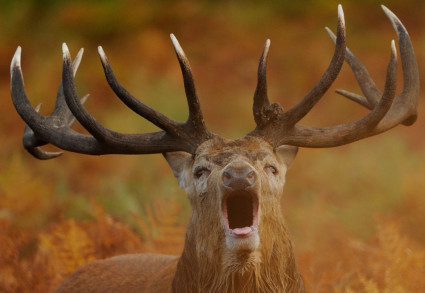
| Red deer | Europe, Asia | Least Concern |
| Reindeer (Caribou) | Arctic, subarctic | Vulnerable |
| Barasingha | India, Nepal | Vulnerable |
| Père David’s deer | China (extinct in wild) | Extinct in Wild |
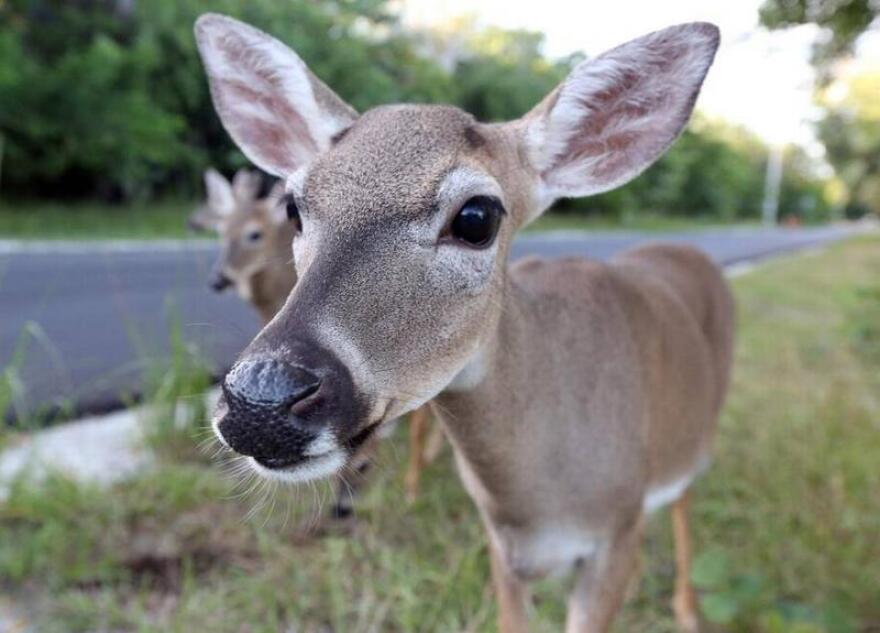
| Key deer | Florida, USA | Endangered |
| Bawean deer | Indonesia | Endangered |
| Huemul | Chile, Argentina | Endangered |
As you can see, while some species are safe, others face serious risks.
Why Are Some Deer Endangered?
Several reasons put deer at risk. These threats are not the same everywhere but are often connected:
- Habitat loss: Cutting forests for farms, roads, and cities destroys the places deer live.
- Poaching: Illegal hunting for meat, antlers, or hides can quickly reduce deer populations.
- Climate change: Rising temperatures and changing weather affect food, water, and migration routes.
- Diseases: New illnesses can spread quickly among deer, especially if they live close together.
- Competition with livestock: In some places, cattle and goats eat the same plants as deer, leaving less food.
One less-known risk is that small deer populations can lose their genetic diversity. This makes them weaker and less able to survive changes in their environment.
Examples Of Endangered Deer
To understand the problem, let’s look at a few deer species that are in real danger today.
Key Deer
The Key deer lives only in the Florida Keys. Habitat loss from building and road accidents are big problems for this small deer. Only about 800-1,000 are left. Conservation efforts include building wildlife crossings to help them move safely.
Bawean Deer
Found only on Bawean Island in Indonesia, the Bawean deer is endangered because of deforestation and hunting. Fewer than 250 mature individuals remain. Limited space and food make their situation even harder.
Père David’s Deer
The story of the Père David’s deer is unique. This deer disappeared from the wild in China more than 100 years ago. Luckily, some animals survived in European zoos. Thanks to breeding programs, they now exist in captivity and small reserves, but they are still considered extinct in the wild.

Deer Species That Are Not Endangered
It’s important to know that many deer species are not at risk. In fact, some are increasing:
- White-tailed deer: Their population in North America is over 30 million, thanks to hunting rules and forest management.
- Red deer: Found across Europe and Asia, they have adapted well to changes in their habitat.
- Roe deer: Common across Europe, they thrive even in areas with people nearby.
These species are so numerous that in some places, they can damage forests by eating too many young trees.
How Are Deer Protected?
Many countries have laws to protect deer. Some of the most effective actions are:
- Creating protected areas: National parks and reserves give deer safe places to live.
- Anti-poaching patrols: Guards and technology help stop illegal hunting.
- Captive breeding: Raising deer in zoos or farms to release them later.
- Community education: Teaching people why deer are important to nature.
Here’s a quick look at how some methods compare:
| Protection Method | Strengths | Weaknesses |
|---|---|---|
| Protected areas | Safe habitat, controls hunting | Need large space, expensive to manage |
| Anti-poaching patrols | Stops illegal hunting | Requires funding, constant effort |
| Captive breeding | Helps rebuild populations | Animals may struggle in wild after release |
| Education programs | Reduces human-wildlife conflict | Slow results, needs community support |
A surprising fact: sometimes, hunting bans do not help if local people rely on deer for food. In these cases, involving communities in conservation works better.
What You Might Not Know About Endangered Deer
Many people think that endangered animals always live in remote places, but some endangered deer are found near cities or farmland. For example, the Huemul in South America is endangered even though its range includes some protected parks.
Another thing most people miss: the loss of one deer species can affect many other animals and plants. Deer spread seeds, shape forests, and are food for predators. Saving deer helps protect entire ecosystems.
Can Deer Be Saved?
There is hope for endangered deer. The success of the Père David’s deer shows that strong action and cooperation can bring a species back from the edge. But it takes money, science, and support from local people.
For those who want to help, supporting organizations that protect wildlife and learning about local deer species are good first steps. Reading more from trusted sources like the IUCN Red List can also help you stay informed.
Deer are a symbol of wild places. Protecting them protects much more than just one animal.
Frequently Asked Questions
What Is The Most Endangered Deer Species?
The Père David’s deer is considered extinct in the wild, while the Bawean deer and Huemul are among the most endangered with very low numbers in nature.
Are All Deer Endangered?
No, not all deer are endangered. Many species like the white-tailed deer and roe deer are common and stable.
Why Do Some Deer Species Thrive While Others Decline?
It depends on habitat, hunting pressure, disease, and how well they adapt to changes caused by humans. Some deer can live close to people; others need wild, untouched forests.
How Many Deer Species Are Endangered?
Out of more than 50 deer species worldwide, about 10 are listed as endangered or worse by the IUCN.
What Can I Do To Help Endangered Deer?
Support wildlife charities, avoid buying products made from deer parts, and learn about the deer species in your area. Small actions can help make a difference.
Deer face different futures depending on where they live and the challenges they face. While some species are safe, others need urgent help. By understanding their stories and supporting good conservation, anyone can play a part in their survival.