
Can Deer Live In Europe?
Many people wonder if deer can survive in Europe, or if they are only found in North America and Asia. In fact, deer have a long history on the European continent. Their presence has shaped forests, influenced hunting culture, and even changed the way people manage land.
But how well do deer really fit into Europe’s landscapes today? Let’s explore the reality behind deer in Europe, their species, habitats, and the challenges they face.
Deer Species Native To Europe
Europe is home to several native deer species. These animals have lived and evolved here for thousands of years. Some of the most common include:
- Red deer (Cervus elaphus): The largest and most widespread European deer. They are found in forests, mountains, and even open moorlands from Spain to Russia.
- Roe deer (Capreolus capreolus): Small and agile, roe deer are common across much of Europe. They prefer woodland edges, farmland, and even city parks.
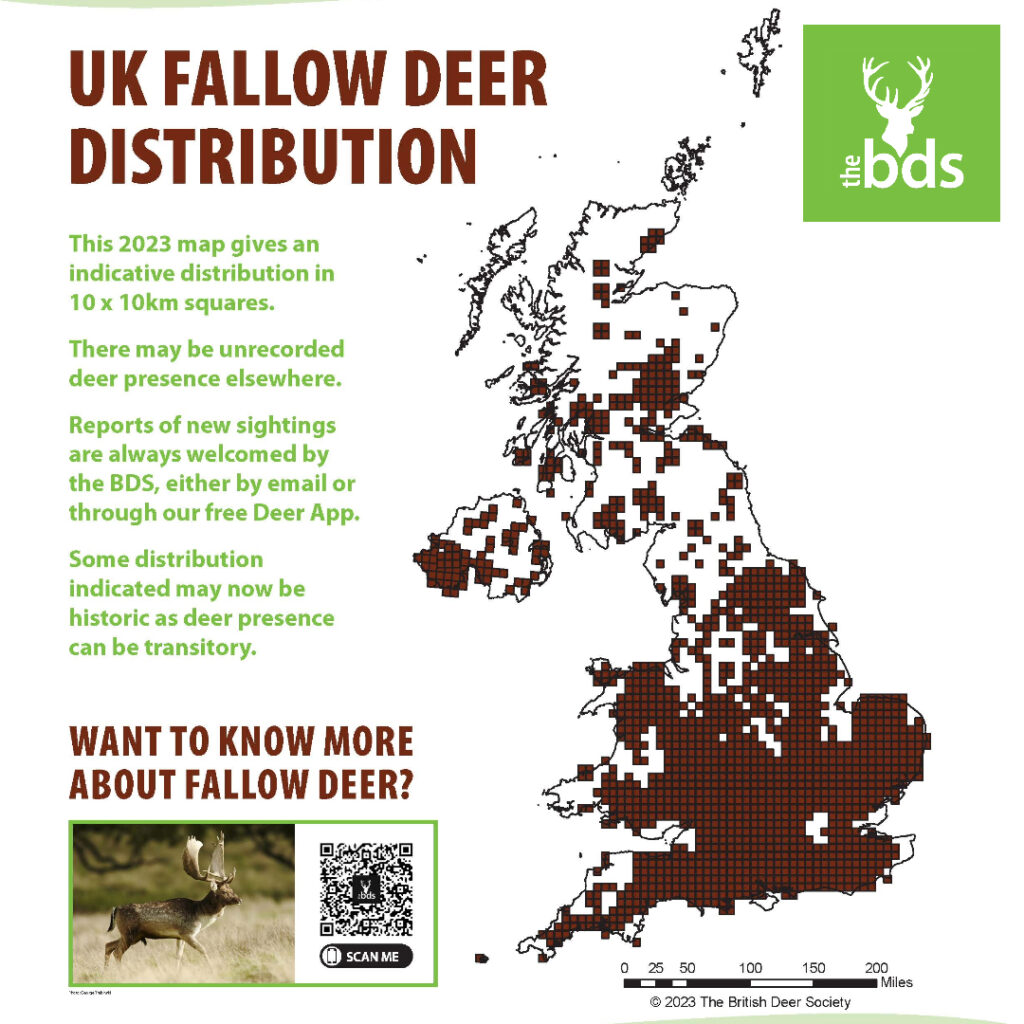
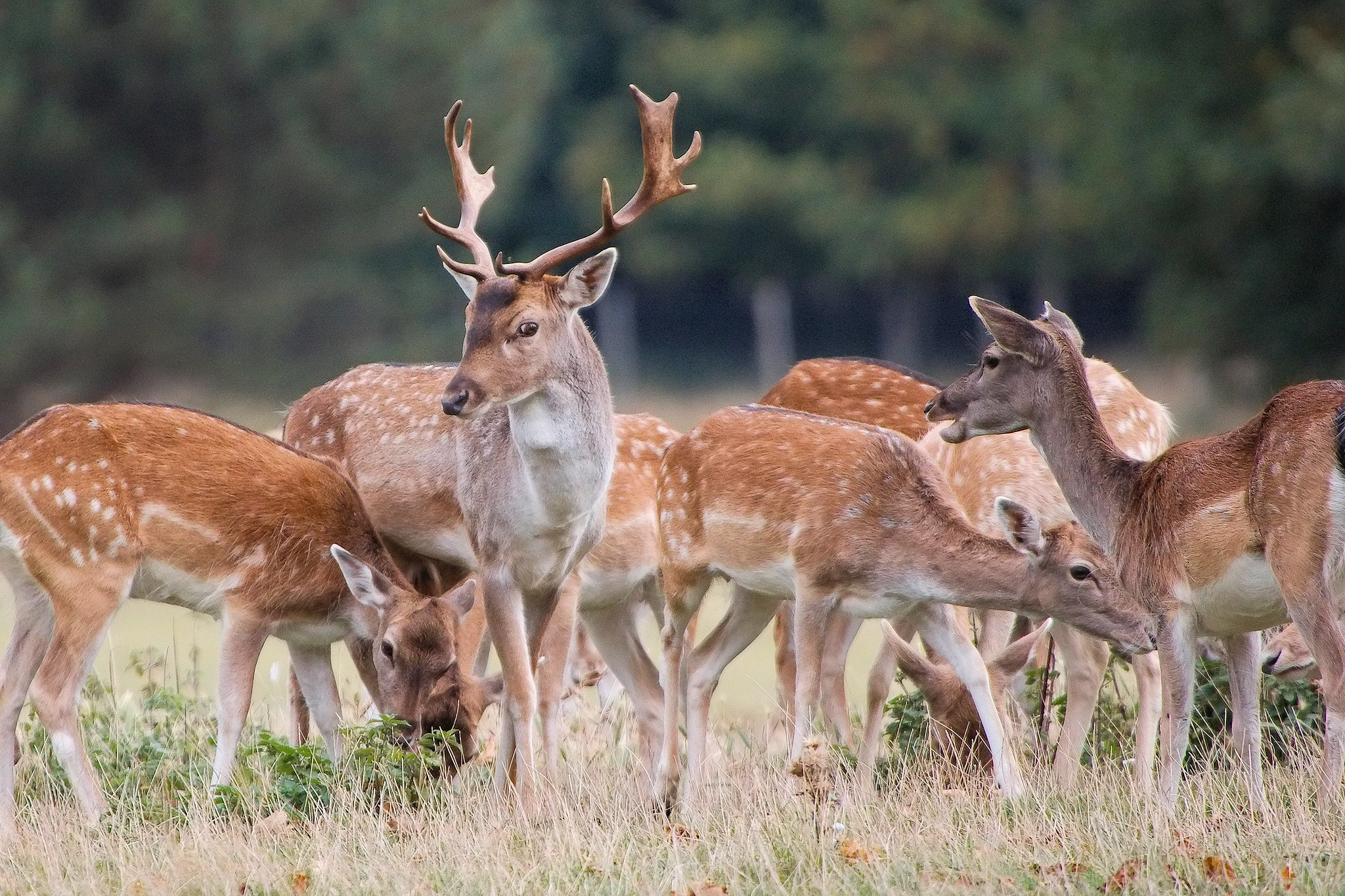
- Fallow deer (Dama dama): Originally from the eastern Mediterranean, fallow deer were introduced widely across Europe by the Romans and later by nobility.
- Reindeer (Rangifer tarandus): Sometimes called caribou, reindeer are native to northern regions, especially Scandinavia and Russia.
- Elk or moose (Alces alces): The largest member of the deer family, moose are found in Scandinavia, the Baltic States, and parts of Eastern Europe.
These species adapt well to Europe’s diverse climates and landscapes.
Non-native And Introduced Deer
Some deer species are not originally from Europe but have become established due to human introduction. Key examples include:
- Sika deer (Cervus nippon): Native to East Asia, sika deer were introduced to the UK, Ireland, and some parts of mainland Europe. They sometimes hybridize with red deer.
- Muntjac deer (Muntiacus reevesi): Brought from China to England in the 20th century, muntjac now live wild in southern England and are spreading.
- White-tailed deer (Odocoileus virginianus): Native to North America, a few small populations exist in Europe, especially in Finland, but are not widespread.
Introduced deer can sometimes compete with native species for food and space.
European Habitats Suitable For Deer
Europe offers a wide range of habitats where deer can live:
- Deciduous and mixed forests: Provide shelter, food, and cover for most deer species.
- Mountainous regions: Red deer and reindeer thrive in upland areas with less human disturbance.
- Farmland and field edges: Roe deer and fallow deer often use agricultural landscapes for grazing.
- Boreal forests and tundra: Reindeer and moose are at home in these cold, northern zones.
However, deer need access to food, water, and safe cover. They avoid open plains without shelter, very dry regions, and areas with too many people or predators.
Deer Population Trends In Europe
Deer numbers in Europe have changed over time due to hunting, land use, and conservation efforts. Here is a comparison of population trends for major species:
| Species | Population Trend (Last 50 Years) | Main Causes |
|---|---|---|
| Red deer | Increasing | Conservation, fewer predators |
| Roe deer | Stable/Increased | Adaptable, farmland expansion |
| Fallow deer | Increasing | Introductions, park escapes |
| Reindeer | Stable/Declining | Climate change, habitat loss |
| Moose | Stable/Increasing | Hunting control, habitat recovery |
Red deer and roe deer have especially benefited from improved habitat and less hunting pressure.
Ecological Role Of Deer In Europe
Deer are not just beautiful animals. They play important roles in European ecosystems:
- Seed dispersal: Many plants rely on deer to move their seeds.
- Maintaining open areas: By eating young trees and bushes, deer help keep forests from becoming too dense.
- Food for predators: Wolves, lynx, and bears depend on deer as prey.
But too many deer can also cause problems. They can overgraze forests, damage crops, and even reduce the number of birds and small mammals.
Human-deer Relationships
People and deer have a long, complex history in Europe. Some key points include:
- Hunting traditions: Deer have been hunted for meat, antlers, and sport for centuries.
- Cultural importance: Deer appear in European art, folklore, and even coats of arms.
- Conflicts with farming: Deer sometimes eat crops, leading to tension with farmers.
- Road accidents: In countries with lots of deer, cars hitting deer is a safety concern.
Modern wildlife management tries to balance deer populations with human needs.
Challenges For Deer Survival
Deer in Europe face several challenges today:
- Habitat fragmentation: Roads, cities, and farmland cut forests into smaller pieces, making it hard for deer to move and find mates.
- Disease: Illnesses like chronic wasting disease could threaten populations if they spread from North America.
- Climate change: Warmer winters and drier summers can change food availability, especially for reindeer in the north.
- Predator return: Wolves and lynx are coming back to Europe, which may change deer numbers and behavior.
Despite these challenges, most deer species are holding their own or even increasing, thanks to active management.
How Deer Adapt To European Environments
Deer are surprisingly adaptable. Some ways they survive in Europe include:
- Changing diet: Eating crops, garden plants, and new types of vegetation.
- Urban living: Roe deer and muntjac are now seen in city parks and gardens.
- Seasonal movement: Red deer and reindeer migrate to find food in winter and avoid deep snow.
One thing beginners often miss is that deer can quickly change their habits if pressured by hunting or disturbed by people. For example, they may become more active at night or move into areas people don’t expect.
Comparing European And Other Deer Habitats
How does Europe compare to other regions for deer survival? Here’s a quick look:
| Region | Common Deer Species | Main Habitat Type | Biggest Threat |
|---|---|---|---|
| Europe | Red, roe, fallow, reindeer, moose | Forests, mountains, farmland | Fragmentation, vehicle collisions |
| North America | White-tailed, mule, elk, moose | Forests, prairies, tundra | Hunting, disease |
| Asia | Sika, sambar, chital, reindeer | Woodlands, grasslands | Poaching, habitat loss |
This shows that Europe is a stronghold for several deer species, with unique challenges but also many opportunities for deer to thrive.
Frequently Asked Questions
Can All Types Of Deer Live In Europe?
No, not all deer species can live in Europe. Only certain types are native or have been successfully introduced. Local climate, food, and space are important for survival.
What Is The Most Common Deer In Europe?
The roe deer is the most widespread and common species in Europe, found in forests, fields, and even near towns.
Are Deer A Problem For European Farmers?
In some regions, yes. Deer can eat crops, fruit trees, and young plants, causing economic loss. Many countries use fences, hunting, or compensation programs to help.
Is Hunting Deer Allowed In Europe?
Yes, but it is strictly regulated. Countries have rules on hunting seasons, licenses, and which species can be hunted to keep populations healthy.
Where Can I Find More Information About Deer In Europe?
You can visit the Wikipedia page on Deer in Europe for more detailed information and references.
Europe’s forests, fields, and mountains are still home to many healthy, wild deer populations. With careful management and respect for nature, deer and people can continue to share these landscapes for generations.