How Heavy Is A Deer?
When you see a deer in the wild, you might wonder, “How much does that animal actually weigh?” The answer is not so simple because deer species are found all over the world, and their weights can be very different. Understanding a deer’s weight is important for hunters, wildlife managers, and anyone who loves nature. It also helps people know how much food a deer needs, or how a car might be damaged in a collision. Let’s look closer at the weights of different deer, what affects their size, and why it matters.
How Much Do Different Deer Species Weigh?
Deer come in many sizes. The world’s smallest deer can weigh less than a housecat, while the largest can weigh more than a motorcycle. Here’s a look at some common species and their average weights.
| Deer Species | Average Adult Weight (kg) | Average Adult Weight (lb) |
|---|---|---|
| White-tailed Deer | 45–135 | 100–300 |
| Mule Deer | 55–150 | 120–330 |
| Red Deer | 95–240 | 210–530 |
| Moose (largest deer) | 270–700 | 600–1,540 |
| Pudu (smallest deer) | 6–13 | 13–29 |
The white-tailed deer is the most common in North America. Adult males (bucks) usually weigh 68–136 kg (150–300 lb), while females (does) are lighter. Moose are the giants of the deer family, sometimes weighing over 700 kg (1,540 lb).
Male Vs. Female Deer: Who Weighs More?
In almost every deer species, males are heavier than females. This is called sexual dimorphism. Bucks need to be bigger and stronger for fights during the mating season. For example, a male red deer (stag) can be almost twice as heavy as a female (hind).
| Species | Male Weight (kg) | Female Weight (kg) |
|---|---|---|
| White-tailed Deer | 68–136 | 45–90 |
| Red Deer | 160–240 | 95–120 |
| Moose | 380–700 | 270–360 |
So, when someone asks, “How heavy is a deer? ” the answer is different for males and females. If you see a large deer in a field, it’s likely a male.

Fawn, Yearling, And Adult: Age Makes A Difference
Deer do not stay the same weight their whole lives. Newborn deer, called fawns, are much lighter than adults. Let’s see how weight changes as deer grow.
- Fawns (newborns): Most weigh between 2–6 kg (4–13 lb) at birth.
- Yearlings (1 year old): Usually 27–45 kg (60–100 lb), depending on species.
- Adults: Reach full weight at 3–4 years old.
Moose calves are also born large, often at 13–16 kg (29–35 lb). But a moose will keep growing for several years, unlike smaller deer.
What Affects A Deer’s Weight?
Not all deer of the same species weigh the same. Many things change how heavy a deer will be:
- Genetics: Some deer have genes for larger bodies.
- Food: More food means bigger, healthier deer.
- Habitat: Forest deer may weigh less than deer in open fields.
- Season: Deer gain weight in autumn for winter, then lose some by spring.
- Health and Parasites: Sick deer weigh less.
A white-tailed deer in Texas may be much lighter than one in the Midwest because of different foods and climates.

Heaviest And Lightest Deer In The World
The moose holds the record for the heaviest deer. The largest moose ever recorded weighed around 820 kg (1,800 lb). On the other end, the Southern pudu is the world’s smallest deer, with adults as light as 6 kg (13 lb).
| Record Holder | Weight (kg) | Location |
|---|---|---|
| Heaviest (Moose) | 820 | Alaska |
| Lightest (Southern Pudu) | 6 | Chile/Argentina |
Why Does Deer Weight Matter?
Understanding deer weight is more than just curiosity. Here’s why it’s important:
- Wildlife Management: Helps decide hunting limits and manage herds.
- Vehicle Safety: Knowing deer size helps estimate damage in accidents.
- Research: Scientists study weight to understand health and survival.
- Hunting: Hunters use weight to judge meat yield and trophy quality.
One non-obvious insight: antler size is not always related to weight. A deer with large antlers might not be the heaviest in its group, especially if it is old or sick.
Another detail: body condition can trick the eye. A deer may look heavy if it has a thick winter coat but actually weigh less under the fur.
How To Estimate A Deer’s Weight In The Field
Hunters and wildlife watchers often need to guess a deer’s weight. Here are a few practical tips:
- Body Length: Longer bodies often mean heavier deer.
- Chest Girth: Measure around the chest just behind the front legs. There are formulas to estimate weight from this.
- Look at the Neck and Hindquarters: Thicker necks and rear muscles mean a heavier animal.
Some hunters use field guides or apps with photos and weight charts to compare.
Deer Weight Around The World
Deer are found in North and South America, Europe, Asia, and even North Africa. In the UK, the red deer is the largest wild land animal, while in India, the sambar deer can reach 300 kg (660 lb). In South America, tiny pudus live in forests, rarely seen.
If you want to learn more about different deer species globally, the Wikipedia Deer Page is a reliable resource.
Frequently Asked Questions
How Much Does A White-tailed Deer Weigh?
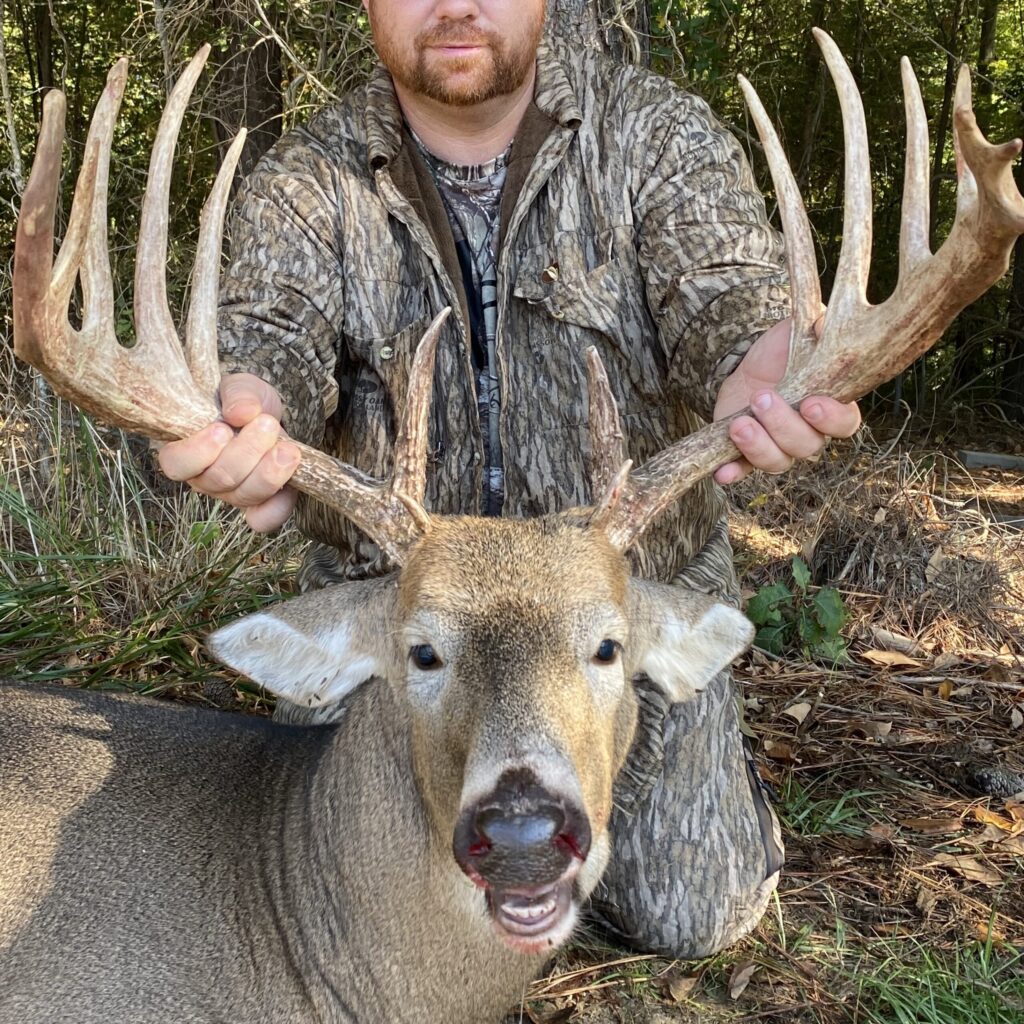
Adult white-tailed deer usually weigh between 45–135 kg (100–300 lb). Males are heavier than females.
What Is The Heaviest Deer Ever Recorded?
The heaviest deer was a moose in Alaska, weighing about 820 kg (1,800 lb).
How Much Do Baby Deer (fawns) Weigh?
Newborn fawns usually weigh 2–6 kg (4–13 lb), depending on the species.
Do Deer Lose Weight In Winter?
Yes, deer often lose weight during winter because food is scarce and they use stored body fat for energy.
Can You Guess A Deer’s Weight Just By Looking?
You can make a rough guess based on size and body shape, but it is easy to be wrong. Measuring chest girth or using a scale gives better results.
Understanding how heavy a deer is gives us a window into their lives and the world they live in. Whether you are a hunter, a wildlife watcher, or just curious, knowing about deer weight helps you appreciate these amazing animals even more.