Hunters and wildlife enthusiasts often wonder about the real volume of a deer call. Is it loud enough to reach a buck hundreds of yards away, or is it more subtle than it seems? Understanding just how loud a deer call is can make a big difference in your hunting strategy or wildlife observation. Let’s explore the facts, compare different types, and discover why the right volume matters more than you might think.
What Is A Deer Call?
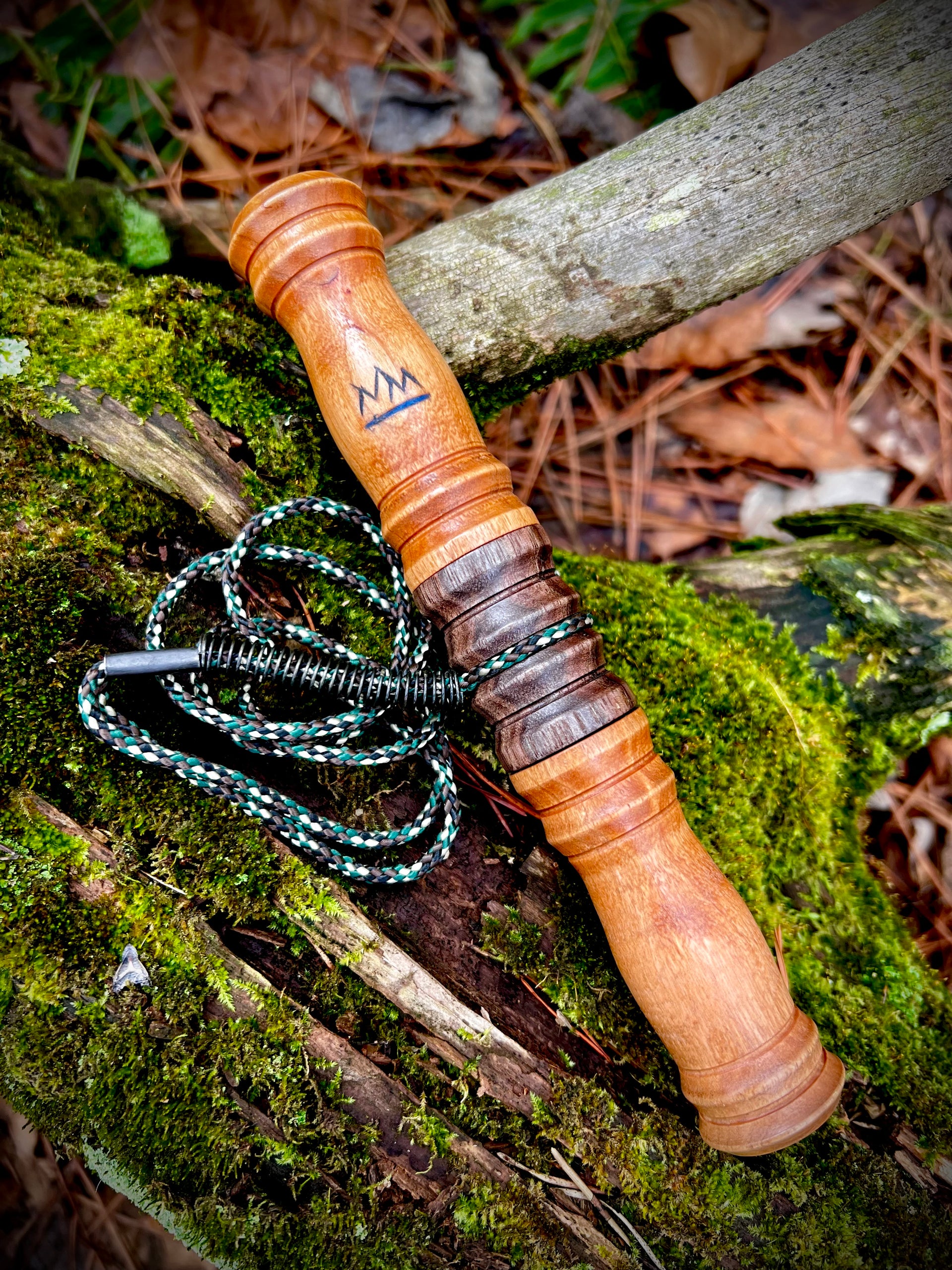
A deer call is a tool or device that mimics the sounds made by deer. Hunters use them to attract deer by imitating their communication noises, such as grunts, bleats, or rattling antlers. These sounds can signal safety, curiosity, or even challenge, depending on the situation and the type of call. Some deer calls are made with your mouth, while others are mechanical or electronic.
How Sound Travels In The Woods
Before discussing how loud a deer call is, it’s important to know how sound behaves in the outdoors. Sound can travel differently depending on:
- Wind direction and speed
- Humidity and temperature
- Density of trees and brush
On a calm, cold morning, sound carries farther than on a windy or rainy day. In thick forests, sound is absorbed more, so calls seem quieter and don’t reach as far.
Measuring The Loudness Of A Deer Call
The volume of sound is measured in decibels (dB). Normal human conversation is about 60 dB, while a car horn can be 110 dB or more. Most deer calls fall between 70 and 100 dB, but the actual loudness depends on the type of call and how it’s used.
Here’s how different deer calls compare:
| Type of Deer Call | Average Decibel Level (dB) | Typical Range |
|---|---|---|
| Grunt Tube | 80-90 | 100-200 yards |
| Bleat Can | 75-85 | 75-150 yards |
| Antler Rattling | 90-100 | 200-400 yards |
| Electronic Call | 80-100 (adjustable) | 100-300 yards |
As you can see, antler rattling is usually the loudest, while bleat cans are more subtle.
Why Volume Matters In Deer Calling
Getting the volume right is crucial. Too loud, and you might scare off nearby deer. Too soft, and distant deer won’t hear you. Here’s what to consider:
- Location: In open fields, you might need more volume. In thick woods, less is better.
- Deer Behavior: During rut, bucks are more aggressive and respond better to loud calls like rattling. Early season, soft grunts or bleats work best.
- Weather: On windy days, calls must be louder to travel the same distance.
Beginners often miss that deer have excellent hearing. Over-calling or using an unnatural volume can make deer suspicious. Sometimes, silence or a gentle call is more effective.

Comparing Mouth, Mechanical, And Electronic Calls
Let’s look at how different deer call types stack up for loudness and use.
| Call Type | Manual Control | Volume Range | Best For |
|---|---|---|---|
| Mouth-blown | Yes | 70-95 dB | Experienced hunters |
| Mechanical (Can/Tube) | Some | 75-90 dB | Beginner to intermediate |
| Electronic | Variable | 80-100 dB | Long-range calling |
Mouth-blown calls give you the most control, but they require skill to use at the right volume. Mechanical calls are easy to use but less flexible. Electronic calls can be adjusted for volume and repeated, which is helpful in large or windy areas.
Real-world Examples
Imagine you’re in a dense forest. You use a grunt tube at normal strength—about 85 dB. The sound travels maybe 120 yards, enough for deer in your area but not much farther. If you switch to antler rattling, the sound might reach out 300 yards or more, but only if the wind is calm.
On a windy day, even the loudest call loses effectiveness. The sound breaks up, and deer further away won’t hear it. Many hunters overestimate how far their calls carry, especially in tough conditions.
Common Mistakes To Avoid
- Calling too often: Deer may become wary if they hear too many calls, especially at high volume.
- Using maximum volume all the time: Louder isn’t always better. Start soft, then increase volume only if needed.
- Ignoring surroundings: If you’re close to bedding areas, use gentle calls to avoid spooking deer.
Many new hunters believe “louder means better. ” In reality, matching your volume to the environment gives better results.
Practical Tips For Deer Call Volume
- Test your call at home. Use a decibel meter app to see how loud your call is.
- Start low. Begin with soft calls—deer nearby will hear.
- Adjust with distance. If you don’t see results, increase volume in steps.
- Watch deer reaction. If deer look alert or nervous, lower your volume.
- Practice with different calls. Each type needs a different touch.
You can find more on deer hearing and behavior at the Wikipedia: Deer page.

How Deer Call Volume Compares To Other Animal Calls
Here’s a quick look at how deer calls compare to other wildlife calls:
| Animal Call | Average Loudness (dB) |
|---|---|
| Deer Grunt | 80-90 |
| Duck Call | 85-100 |
| Elk Bugle | 100-110 |
| Turkey Yelper | 75-90 |
Most deer calls are in the middle range, not as loud as an elk bugle but louder than a turkey yelp.
Frequently Asked Questions
How Far Can A Deer Call Be Heard?
Most deer calls can be heard up to 200 yards in average conditions. Antler rattling may carry up to 400 yards in open areas, but thick woods or wind reduce range.
Can Deer Calls Be Too Loud?
Yes, especially at close range. Too much volume can startle deer and make them suspicious. It’s better to start soft and increase volume only if needed.
Do Electronic Deer Calls Work Better Because They Are Louder?
Electronic calls can be adjusted for volume and consistency, but they don’t guarantee better results. Realistic sound and proper timing matter more than just loudness.
Is It Possible To Measure My Deer Call’s Loudness At Home?
Yes. Use a decibel meter app on your phone. Stand a few yards away and call as you would in the field. This gives you a good estimate of your call’s true volume.
What’s The Quietest Type Of Deer Call?
Bleat cans are usually the quietest, averaging 75-85 dB. They are ideal for close-range work and calling in thick cover.
Mastering the volume of your deer call is as important as choosing the right sound. By understanding how loud your calls really are, and adjusting for conditions, you’ll have a better chance of bringing deer close—without giving yourself away.