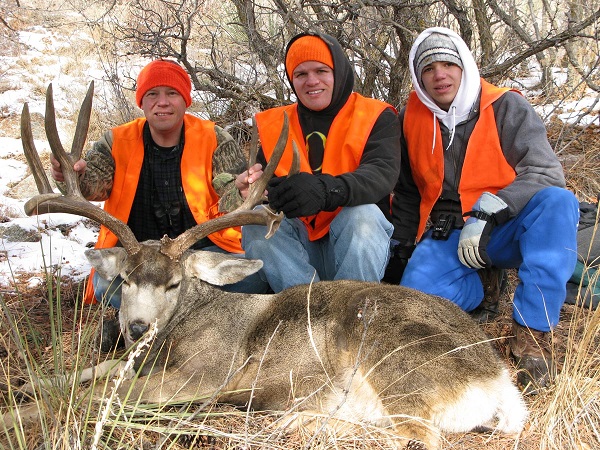
Conflicts during deer hunting season can become tense and even dangerous. Whether you’re a landowner, hunter, or simply enjoy the outdoors, these conflicts can affect safety and enjoyment for everyone. Each year, thousands of people face challenges like property disputes, misunderstandings about hunting laws, or safety concerns in shared spaces.
The good news is that most conflicts can be avoided with the right steps and communication.
This article explains how to prevent deer hunting conflicts using practical strategies. You’ll learn why these conflicts happen, how to avoid them, and what to do if a problem arises. By following these guidelines, you can help create a safer and more respectful environment for everyone.
Understanding Deer Hunting Conflicts
Deer hunting conflicts happen when people disagree about land use, safety, or hunting rights. Sometimes, conflicts are between hunters and landowners. Other times, hikers, neighbors, or even other hunters are involved. Most issues come from poor communication, unclear property boundaries, or different ideas about hunting rules.
For example, a hunter might accidentally cross a property line, or a landowner might not know someone is hunting nearby. In some states, over 60% of reported hunting conflicts involve trespassing or property disputes. Knowing the causes is the first step toward prevention.
Steps To Prevent Deer Hunting Conflicts
Avoiding problems is possible if everyone takes action early. Here’s how you can reduce or prevent deer hunting conflicts:
1. Clear Communication
- Talk before hunting season. Hunters should contact landowners and neighbors. Share your plans and ask about their concerns.
- Post contact information at entry points. This makes it easy to reach each other if questions come up.
- Respect private conversations and listen to concerns. Many conflicts fade when people feel heard.
2. Mark Property Boundaries
- Walk property lines with all involved parties.
- Use bright signs, paint, or flags to show boundaries. This removes confusion for hunters and non-hunters.
- Update maps or GPS coordinates and share them with everyone hunting in the area.
3. Respect Landowner Rights
- Always get written permission before hunting on private land.
- Follow landowner rules about access times, stand locations, and vehicle use.
- If you’re a landowner, explain your rules clearly and in writing.
4. Know And Follow Local Hunting Laws
- Study state and local hunting laws each year. Rules can change.
- Understand bag limits, legal hunting hours, and weapon restrictions.
- Check with your local wildlife agency for updates.
5. Use Safe Hunting Practices
- Wear hunter orange. This keeps you visible to other hunters and non-hunters.
- Avoid shooting near homes, roads, or trails.
- Place stands away from property lines and main trails.
6. Set Up A Written Agreement
- For group hunts or shared leases, create a simple contract.
- List rules for safety, stands, and how to handle disputes.
- A signed agreement helps prevent misunderstandings.
7. Inform Neighbors And The Public
- Let nearby residents know when and where you’ll hunt.
- Post “Hunting in Progress” signs at entrances if allowed.
- This reduces surprise encounters and keeps everyone alert.
8. Handle Trespassing Properly
- Do not confront trespassers aggressively.
- Note details (date, time, vehicle) and contact local authorities.
- Landowners should post “No Trespassing” signs and maintain fences.
9. Share The Outdoors
- Remember, trails and woods are used by hikers, bikers, and others.
- Avoid hunting in high-traffic recreation areas.
- Respect posted hours for different activities.
10. Use Technology For Safety
- Share GPS locations with your hunting group.
- Use mobile apps to track boundaries and report issues.
- Technology can help prevent accidental trespass and increase safety.

Comparing Conflict Prevention Methods
Here’s a look at how different strategies stack up for preventing deer hunting conflicts:
| Method | Effectiveness | Ease of Use |
|---|---|---|
| Clear Communication | High | Easy |
| Marking Boundaries | High | Moderate |
| Written Agreements | Moderate | Moderate |
| Using Technology | High | Easy |
Common Mistakes That Lead To Conflict
Many conflicts start because people forget simple steps. Here are mistakes to avoid:
- Assuming you know the boundaries without checking.
- Ignoring local laws or not staying updated.
- Hunting alone without letting others know your location.
- Failing to communicate with landowners or other hunters.
- Leaving gates open or damaging property.
By avoiding these errors, you greatly reduce the risk of problems.
Real-world Example
In Wisconsin, a group of hunters had a long-standing agreement with a landowner. One year, a new neighbor moved in and was not informed about hunting days. The neighbor called authorities about “trespassers,” causing confusion and stress. After the season, the group realized they needed to introduce themselves to new neighbors every year and share their schedule.
The following year, conflicts dropped to zero.
What To Do If A Conflict Happens
Even with the best prevention, conflicts can occur. Here’s what to do:
- Stay calm and respectful. Arguments can make things worse.
- Listen to the other person’s concerns. Sometimes, a quick apology or explanation helps.
- Use your written agreement or contact the local wildlife agency if you cannot resolve the issue.
- For legal issues, document the problem and involve authorities if needed.
The Benefits Of Preventing Conflict
Taking these steps leads to:
- Safer hunting seasons for everyone.
- Better relationships with neighbors and landowners.
- Less stress and more enjoyment of the outdoors.
- Fewer legal problems and misunderstandings.
Comparison Of Safety Gear For Deer Hunting
Using the right safety gear can also prevent misunderstandings and accidents.
| Safety Gear | Main Benefit | Recommended For |
|---|---|---|
| Hunter Orange Vest | High visibility | All hunters |
| GPS Tracker | Location sharing | Groups, remote areas |
| Whistle | Emergency signaling | Solo hunters |
Data On Hunting Conflicts
Recent studies show:
| Year | Reported Conflicts (USA) | Main Cause |
|---|---|---|
| 2021 | 3,500+ | Trespassing |
| 2022 | 3,200+ | Property damage |
| 2023 | 2,900+ | Miscommunication |
These numbers show the importance of prevention.
Deer hunting is a tradition for many, but it works best when everyone feels respected and safe. By using these strategies, you can enjoy the season without unnecessary disputes.
Frequently Asked Questions
What Is The Most Common Cause Of Deer Hunting Conflicts?
Most conflicts come from trespassing or unclear property boundaries. Hunters sometimes cross into private land by mistake, leading to disputes.
How Can Landowners Protect Their Property During Hunting Season?
Landowners should post clear signs, walk their property lines, and talk with neighbors and hunters before the season starts.
Do I Need Written Permission To Hunt On Private Land?
Yes, in most states, you need written permission to hunt on private property. Always check your local laws for details.
What Should I Do If I Encounter A Conflict While Hunting?
Stay calm and listen. Try to resolve the issue politely. If that doesn’t work, contact the local wildlife officer or law enforcement.
Where Can I Learn More About Safe Hunting Practices?
You can find resources and safety guidelines at the National Wildlife Federation.
Taking a few extra steps before and during the season can make a huge difference. Preventing deer hunting conflicts not only protects people but also keeps hunting traditions strong for the future.