When the temperature drops and winter arrives, many animals disappear from sight. People often wonder what happens to deer during these cold months. One common question is: Do deer hibernate? The answer may surprise you. While some animals, like bears and bats, sleep through winter, deer have a different survival strategy. Understanding how deer manage harsh winters can help us appreciate their resilience and adaptability.
Do Deer Hibernate?
Deer are well-known for their ability to survive in many habitats, from deep forests to snowy mountains. However, deer do not hibernate. Instead, they stay active all year, even in the coldest climates. This applies to species like the white-tailed deer, mule deer, and red deer.
Hibernation is a process where animals enter a deep sleep, slowing their heartbeat and lowering their body temperature to conserve energy. Deer, on the other hand, adapt in unique ways to survive winter without hibernating.
How Deer Survive Winter
Deer use several strategies to make it through the difficult winter months.
1. Growing A Winter Coat
As autumn approaches, deer start to grow a thicker winter coat. This coat is made of hollow, insulated hairs that trap heat and keep them warm. The outer layer is also water-resistant, helping to keep snow and rain off their skin.
2. Changing Behavior
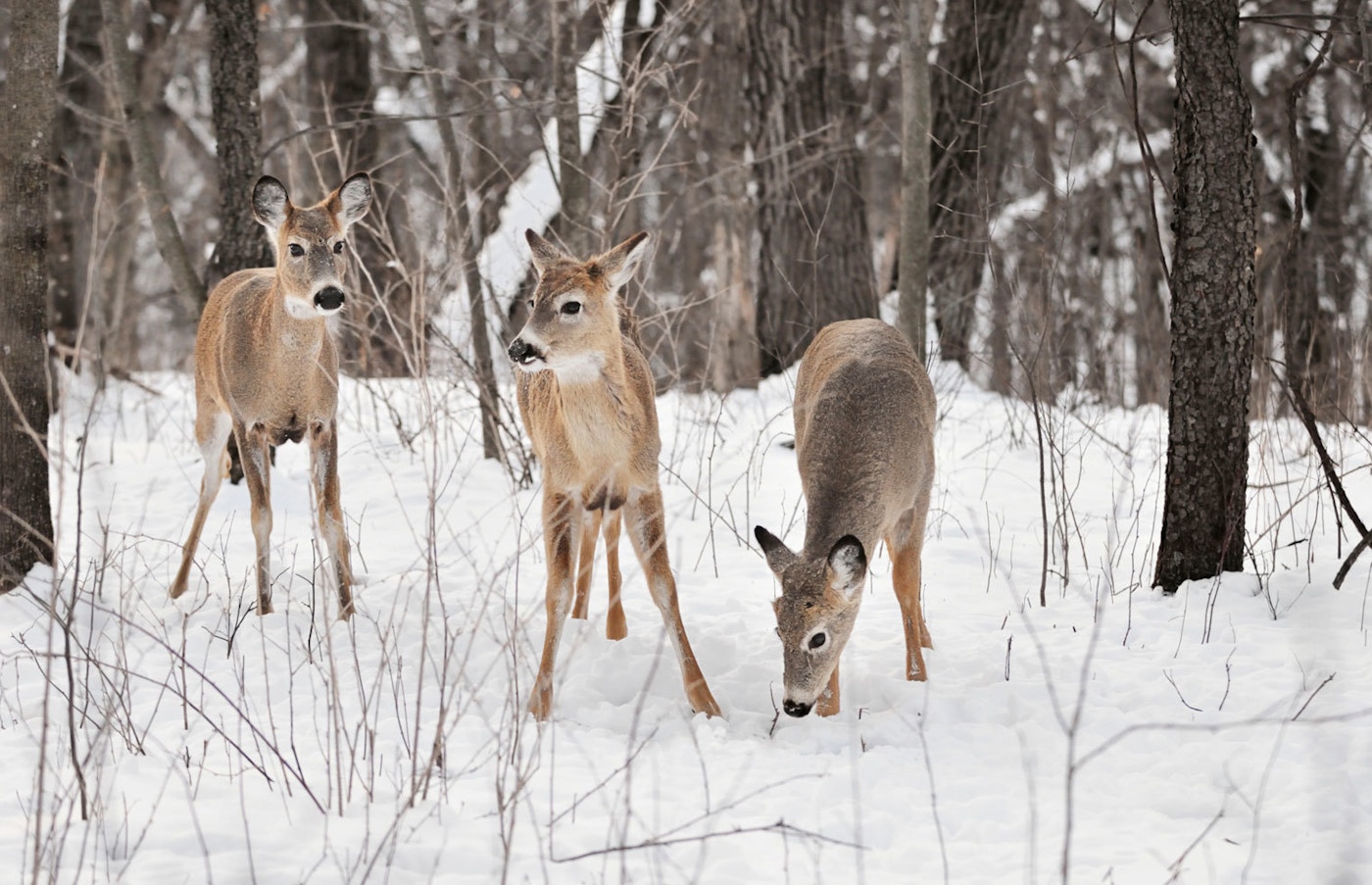
Deer move less during winter to save energy. They often gather in “yards”—areas with good cover and less snow, such as dense forests or cedar swamps. In these places, deer can find shelter from wind and access to food.
3. Adjusting Diet
Finding food is harder in winter. Deer eat what they can find, such as twigs, bark, and leftover plants. Their stomachs slowly adjust to digest these tougher foods. They also eat less, relying on fat stored during summer and fall.
4. Slowing Down Metabolism
While not true hibernation, deer lower their metabolic rate in winter. This means their bodies use less energy, so they need less food to survive. Their heart rate drops from about 60-70 beats per minute to as low as 40.
5. Using Fat Reserves
Deer build up fat during warmer months. This fat reserve provides energy when food is scarce. Adult deer can lose up to 20% of their body weight over winter and still survive.
How Deer And Hibernating Animals Differ
It’s easy to confuse deer’s winter survival with true hibernation, but there are key differences.
| Feature | Deer | Hibernators (e.g., bears) |
|---|---|---|
| Activity Level | Active, but less movement | Inactive, deep sleep |
| Body Temperature | Stays nearly normal | Drops significantly |
| Heart Rate | Slows slightly | Much slower |
| Food Search | Continues searching | No eating during hibernation |
Factors That Help Deer Survive Without Hibernating
Several special traits allow deer to face winter without sleeping through it.
Adaptable Eating Habits
Deer are browsers, which means they eat a variety of plants. In winter, they switch to whatever is available, including buds and evergreen needles. This flexibility is key to their survival.
Social Behavior
Deer sometimes form small groups during winter. This helps them find food and protect against predators. Group living also helps them create and maintain paths through snow.
Smart Use Of Landscape
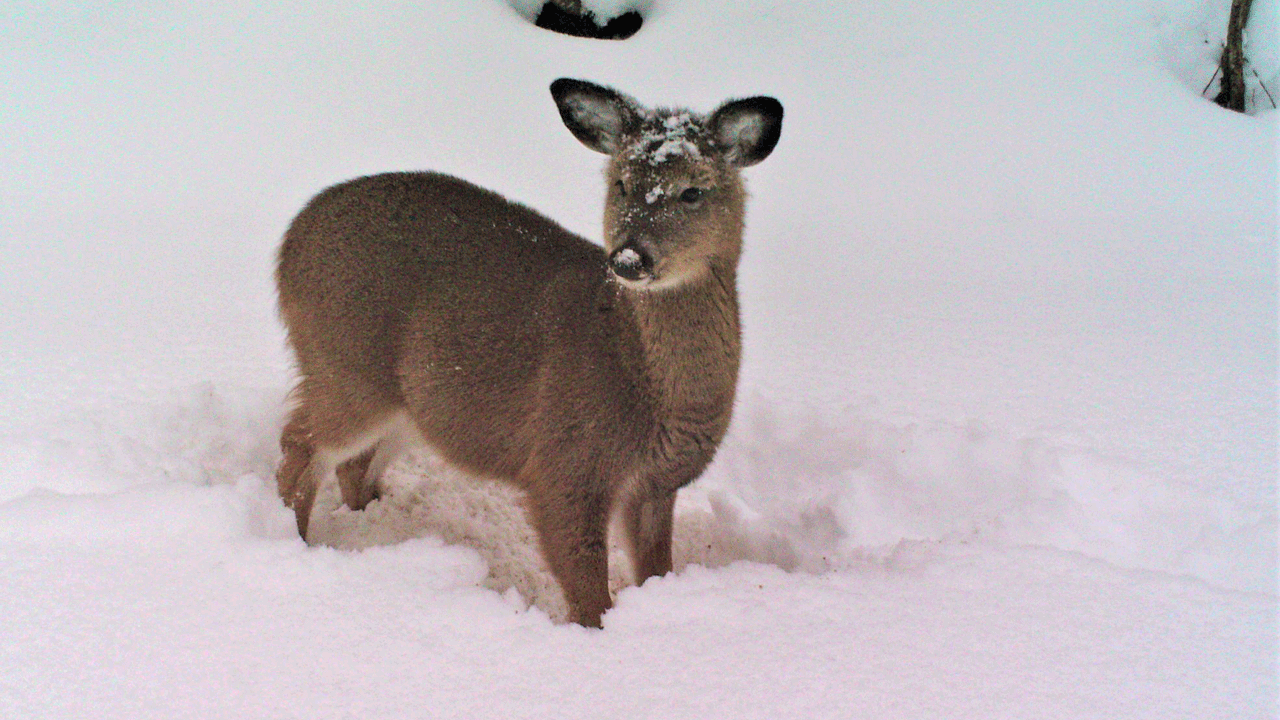
Deer choose winter homes carefully. They prefer areas where the snow is shallow and there is shelter from wind. They also use the same trails repeatedly, making it easier to move through deep snow.
Common Myths About Deer And Winter
Many people believe myths about how deer survive the cold. Let’s clear up some common ones:
1. “deer Sleep All Winter.”
Deer do not hibernate or sleep for months. They are awake and active, though less energetic.
2. “deer Only Survive With Human Help.”
While some deer may eat from feeders, wild deer have survived winters long before people offered food.
3. “all Deer Face The Same Winter Challenges.”
The type of winter deer face depends on their region. For example, deer in southern areas may not deal with much snow.
Regional Differences In Deer Winter Survival
Deer in different places have unique challenges. Here’s how survival can vary:
| Region | Main Challenge | Deer Strategy |
|---|---|---|
| Northern US/Canada | Deep snow, cold | Yarding, thick coats |
| Midwest US | Ice, changing temperatures | Flexible diet, shelter use |
| Southern US | Milder winters | Stay active year-round |
| Europe (Red Deer) | Variable snow, human presence | Move to lowlands, adjust diet |
Two Insights Many People Miss
First, deer’s ability to digest woody plants is not automatic. Their stomach bacteria need weeks to adjust to eating more twigs and bark. If a sudden snowstorm arrives early, deer can actually starve—even with food around—because their bodies aren’t ready for the new diet.
Second, human feeding can harm deer. Giving them corn or other rich foods suddenly in winter can cause sickness or even death. Deer’s stomachs adapt to low-quality food, so a sudden change is dangerous.
Observing Deer In Winter
If you want to see deer during winter, look for tracks near forests, fields, or swamps, especially in early morning or late afternoon. Move quietly and keep a safe distance. Remember, deer are alert for predators and will run if they feel threatened.
Frequently Asked Questions
Why Don’t Deer Hibernate Like Bears?
Deer are built to stay active and move for food all year. Their bodies cannot slow down enough to enter hibernation like bears or groundhogs.
How Do Deer Keep Warm In Freezing Weather?
Their winter coat has two layers: a dense undercoat and long, hollow hairs that trap body heat. This keeps them warm even when temperatures drop below zero.
What Do Deer Eat In Winter?
Deer eat twigs, bark, buds, and evergreen plants during winter. They switch to whatever is available and easy to find.
Do All Deer Survive Harsh Winters?
Not all deer survive. Fawns, older deer, and those with little fat are at higher risk, especially in severe winters. Food shortages and deep snow can be deadly.
Should People Feed Deer In Winter?
Feeding deer can do more harm than good. Sudden changes in diet can cause health problems. It’s best to let deer find their natural food sources. Learn more about deer and winter from the Wikipedia Deer page.
Deer are impressive survivors, using their unique adaptations instead of hibernation. By understanding how they manage winter, we can better appreciate their place in nature and the balance of wild ecosystems.