Can Deer Swim?
If you have ever walked near a lake or river and spotted a deer, you might wonder if these graceful animals can swim. Many people think of deer as fast runners, not swimmers. But nature has given deer more survival skills than most people realize.
In this article, you will discover if deer can swim, how well they do it, and why swimming is sometimes a part of their daily life. You will also learn about the challenges deer face in water, some fascinating facts, and how their swimming ability compares to other animals.
This knowledge may surprise you and help you understand these animals in a new way.
Can Deer Swim? The Short Answer
Yes, deer can swim. In fact, all deer species have the natural ability to swim from a young age. Swimming is not just possible for deer; it’s a skill they use to survive. Deer often swim to escape danger, find food, or move between islands and riverbanks. Their bodies are built for both land and water, which helps them stay safe in different environments.
How Well Can Deer Swim?
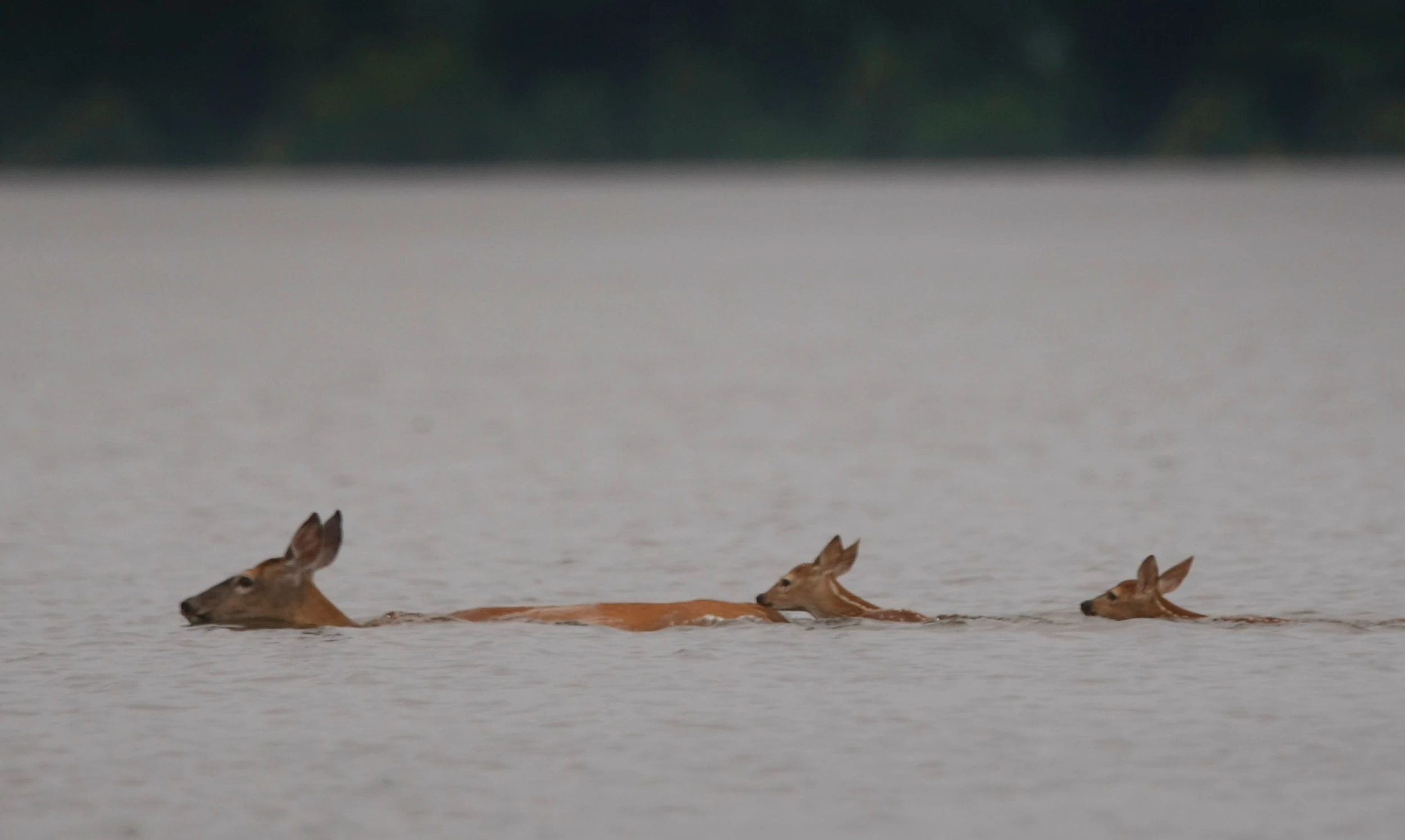
Deer are better swimmers than most people expect. They use their long, strong legs to paddle through the water. Their hooves spread wide, acting like paddles. While swimming, a deer’s head stays above the water, and their nose points forward to help them breathe easily.
Speed And Distance
A healthy adult deer can swim at speeds of up to 13 mph (21 km/h). This is as fast as a skilled human swimmer. For distance, deer can swim for several miles if necessary. There are reports of deer crossing wide rivers and even swimming between islands. For example, white-tailed deer have been seen swimming across the Mississippi River, which is over a mile wide in some places.
Comparison With Other Animals
Here’s a look at how deer compare to other animals in swimming speed and distance:
| Animal | Top Swimming Speed (mph) | Typical Distance (miles) |
|---|---|---|
| Deer | 13 | 2-6 |
| Moose | 6 | Up to 10 |
| Human (Olympic) | 5 | 1-2 |
| Dog (Labrador) | 4 | 0.5-2 |
As you can see, deer are faster swimmers than many land mammals, even some trained dogs.

Why Do Deer Swim?
Swimming is not just a random skill. Deer swim for important reasons:
- Escape from Predators: Water can slow down predators like wolves or coyotes. Deer sometimes jump into rivers or lakes to escape.
- Find New Habitat: When food is low, deer will cross rivers or lakes to reach better places.
- Mating and Migration: Some deer populations cross water during migration or to find mates.
- Explore Territory: Young deer, called fawns, may follow their mothers across water as they learn about their home.
These reasons show that swimming is often a matter of life and death for deer.
Physical Adaptations For Swimming
Deer have several body features that help them swim well:
- Long Legs: They use these as paddles to move quickly.
- Large Hooves: Their hooves spread out, increasing surface area, which helps them push against the water.
- Lightweight Body: Deer have hollow hair, which gives their body extra buoyancy and helps them float.
- Strong Muscles: Their muscles are built for both running and swimming, giving them strength and stamina.
These adaptations let deer cross even wide rivers and lakes without much trouble.

Examples Of Deer Swimming In The Wild
Real-life examples help show how skilled deer are in water. In the United States, white-tailed deer are often seen swimming across lakes and rivers. In Canada, moose (a member of the deer family) swim between islands to feed on plants.
In parts of Europe, red deer are known to cross wide rivers during migration.
One famous event was in 2011, when a group of deer swam across the Mississippi River near Iowa. The current was strong, but the deer made it safely to the other side. Such stories are not rare; in many places, people living near water have seen deer swimming, sometimes with fawns following close behind.
Challenges And Dangers For Swimming Deer
Swimming is useful, but it is not always safe for deer. They face several dangers:
- Strong Currents: Fast-moving rivers can sweep deer away or tire them out.
- Cold Water: Hypothermia can set in quickly, especially in winter.
- Boats and Humans: In busy waterways, deer risk being hit by boats or getting stranded.
- Exhaustion: Young, old, or sick deer may not have the strength for long swims.
Sometimes, deer get trapped on islands or in city canals. People often help rescue these animals when they are in trouble.
Non-obvious Insights About Deer And Swimming
Most people know deer can run, but few realize how well they adapt to water. Here are two insights that surprise many beginners:
- Fawns Can Swim: Even young deer, just a few months old, can swim well. They follow their mother and learn by example.
- Swimming Leaves Few Scents: In water, a deer’s scent trail fades quickly. This can confuse predators like dogs or wolves that follow scent to hunt.
These lesser-known facts show how nature equips deer for survival in ways that are easy to overlook.
How To Help Deer If You See One Swimming
Sometimes, you may spot a deer in the water. In most cases, deer do not need help and will make it across on their own. However, if a deer seems stuck or in distress:
- Do not approach or try to grab the deer.
- Clear the area and give the deer space to exit the water safely.
- If the animal is trapped or injured, call local wildlife rescue services.
Human interference can stress deer and make things worse. It’s best to observe quietly and contact professionals if needed.
Deer Swimming In Different Environments
Deer swim in a variety of places, depending on where they live:
| Deer Species | Common Water Bodies Crossed | Region |
|---|---|---|
| White-tailed Deer | Rivers, lakes | North America |
| Red Deer | Rivers, estuaries | Europe, Asia |
| Moose | Lakes, ponds | Canada, Scandinavia |
| Sika Deer | Streams, marshes | Asia |
This shows that swimming is common among many deer species worldwide.
Frequently Asked Questions
Can All Deer Species Swim?
Yes, every species of deer can swim. This includes white-tailed deer, red deer, moose, and even smaller species like sika deer. They are all naturally good swimmers.
How Long Can A Deer Stay In Water?
A healthy deer can swim for several miles and may stay in water for 30 minutes to an hour if needed. However, most deer cross water quickly to avoid danger or reach new ground.
Do Deer Ever Drown While Swimming?
While rare, deer can drown if they face strong currents, cold water, or exhaustion. Young or weak deer are at higher risk. Most deer, however, survive their swims.
Why Do Deer Choose To Swim Instead Of Running?
Deer swim mainly to escape predators, cross obstacles, or find food. Water can sometimes be safer than running on land, especially when predators are chasing them.
Where Can I Learn More About Deer And Their Behaviors?
For more in-depth information, you can visit Wikipedia’s deer page, which covers their habits, adaptations, and more.
Deer are more than just fast runners—they are skilled survivors, both on land and in water. Understanding their swimming abilities helps us appreciate the hidden talents of these fascinating animals. Next time you see a deer near a lake or river, remember: they may be better swimmers than you think.