Deer are among the most common prey animals in forests and grasslands. Every day, they face danger from predators like wolves, coyotes, and sometimes even big cats. Yet, deer populations remain strong in many areas. How do they survive these constant threats?
The answer lies in a fascinating mix of instincts, physical skills, and social behaviors. Let’s look closely at how deer avoid becoming a meal for wolves and other predators, and what we can learn from their survival strategies.
Natural Defenses: How Deer Outsmart Predators
Deer are not helpless. They have several built-in defenses that help them escape from predators like wolves.
Speed And Agility
The white-tailed deer can reach speeds up to 30 miles per hour (about 48 km/h) in short bursts. Mule deer often leap in a bounding motion called “stotting,” which makes it harder for wolves to predict their path. Quick changes in direction and powerful jumps help deer slip through thick brush and dodge attacks.
Acute Senses
Deer have excellent hearing and a sharp sense of smell. Their large ears swivel to pick up even the softest sounds. If a wolf steps on a twig or rustles a leaf, a deer can hear it from far away. Their noses detect the scent of predators on the wind, warning them before danger gets close.
Camouflage And Stillness
A deer’s brownish-gray coat blends into the forest, especially in winter or early spring. When danger is near, deer often freeze, using their camouflage to become almost invisible. This “freeze” response is especially common in fawns, who rely on their spotted coats and stillness to avoid detection.
Social Strategies: Power In Numbers
Deer often live in groups, especially in winter. Group living gives them an extra line of defense against wolves.
Alert Systems
When one deer senses danger, it raises its tail high—a white flash called a “flag. ” This warns other deer to run. Some herds have “sentinel” individuals who keep watch while others graze.
Confusing The Predator
When wolves attack, deer often scatter in different directions. This sudden movement can confuse the pack, making it harder for the wolves to focus on one target.
Safety For The Young
Mother deer hide their fawns in thick cover while they feed nearby. Fawns stay completely still and have little scent, making them hard for wolves to find. As they grow, mothers teach fawns to recognize and react to wolf sounds.
Physical Adaptations: Built For Survival
Deer are physically designed to avoid becoming prey.
Powerful Legs
A deer’s long, muscular legs are made for running and jumping. They can leap over obstacles up to 8 feet high (about 2. 4 meters) and cover 30 feet (about 9 meters) in a single bound.
Wide Field Of Vision
The placement of a deer’s eyes gives it a field of vision of about 310 degrees. This means deer can see almost everything around them without moving their heads, making it hard for wolves to sneak up.
Size And Strength
Adult deer are strong enough to defend themselves, especially bucks with antlers. While rare, there are cases where a deer kicks or charges at a wolf to protect itself or its fawn.
Seasonal Survival: Changing Tactics Throughout The Year
Deer change their behavior based on the season and the presence of wolves.
Winter Herds
In winter, food is scarce and snow is deep. Wolves find it easier to hunt, so deer form larger groups. This helps them spot wolves and makes it harder for wolves to single out a weak individual.
Summer Solitude
During the summer, deer often spread out. The cover is thicker, and food is everywhere, so they can hide more easily. Fawns are born in late spring and early summer, relying on camouflage to survive.
Wolf Vs. Deer: Success Rates
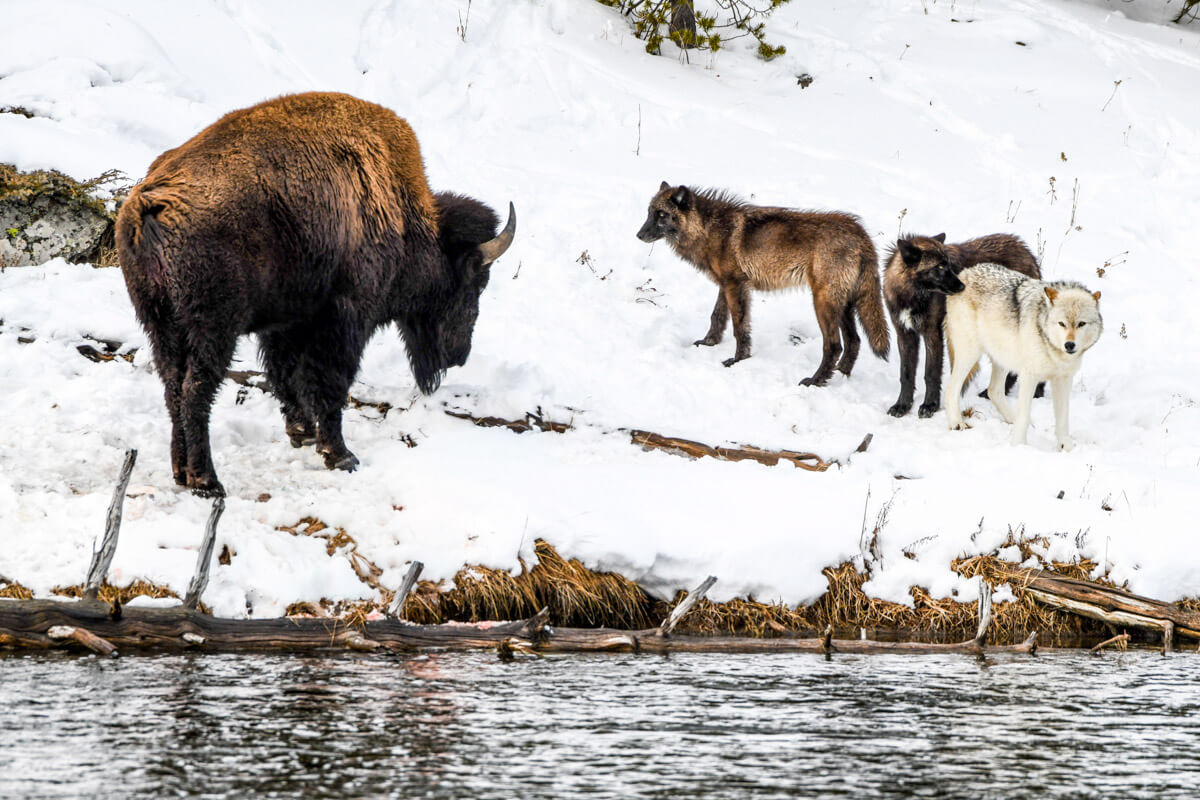
Wolves are skilled hunters, but catching a deer is not easy. Studies show that wolves only succeed about 10-20% of the time when they hunt deer. The rest of the time, deer escape.
Here’s a comparison of the main traits that affect their encounters:
| Trait | Deer | Wolf |
|---|---|---|
| Top speed | 30 mph (48 km/h) | 35 mph (56 km/h) |
| Agility | Very high | Moderate |
| Vision | 310° field | 250° field |
| Hunting style | Escape and hide | Pack coordination |
Non-obvious Insights: What Most People Don’t Notice
Most people think deer simply run away to survive, but there’s more to their strategy.
- Deer memorize escape routes. They remember the safest paths through their territory and practice these routes, especially near bedding areas.
- Wolves test herds for weakness. Deer often rotate their positions within a herd, so the same animal is not always on the outside, reducing the chance a wolf targets a weak or sick member.
- Fawns have almost no scent. This adaptation is so effective that even trained dogs sometimes have trouble finding hidden fawns.
When Deer Don’t Escape: What Happens Next?
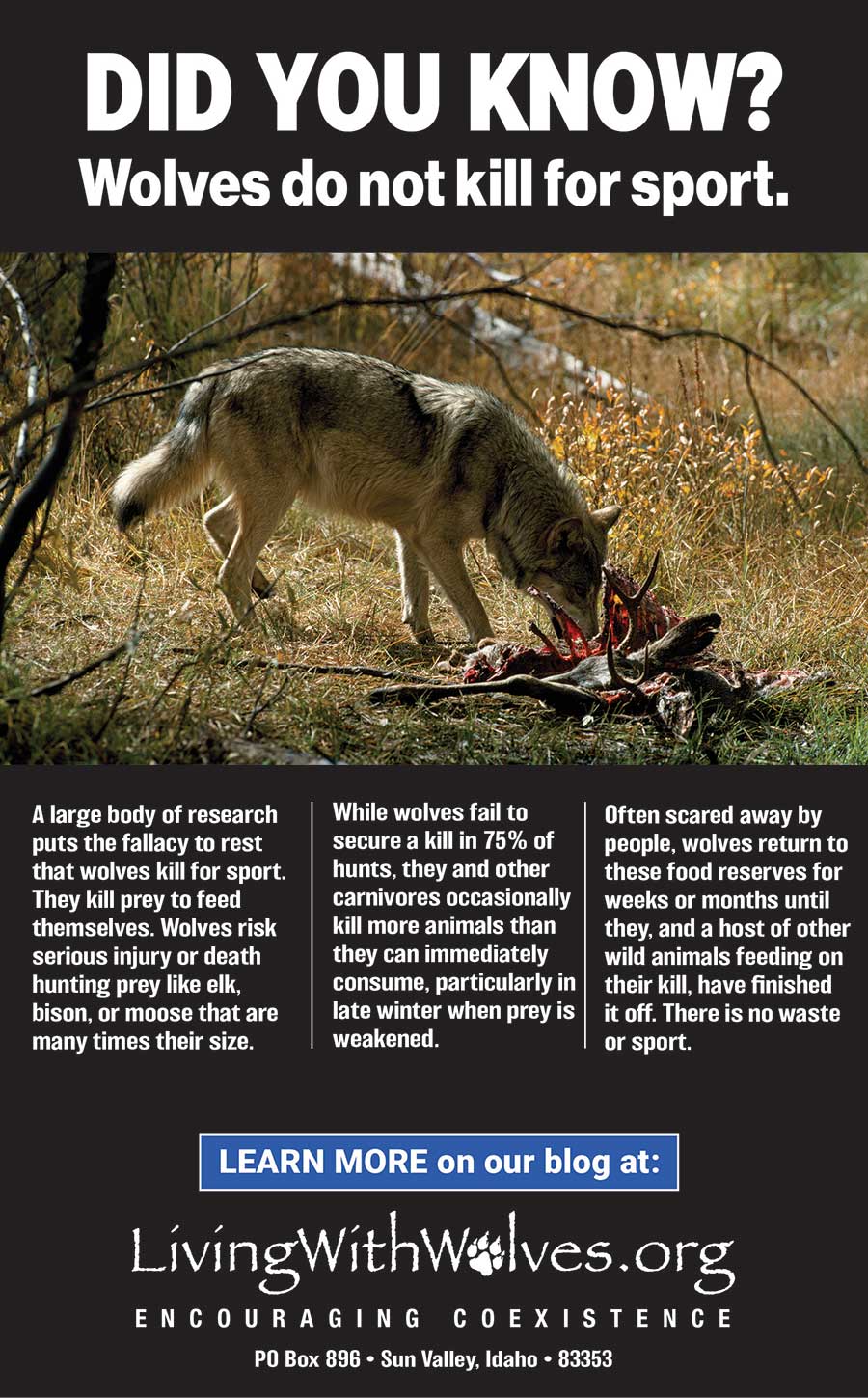
Despite all their defenses, some deer do get caught. Wolves tend to focus on the old, sick, or very young. This “natural selection” keeps deer populations healthy by removing the weakest animals. It also means wolves rarely threaten the overall deer population unless there are too many wolves or not enough food.
Human Influence: Changing The Balance
Human activity, such as hunting and land development, changes the way deer and wolves interact. In some areas, wolves have been removed, leading to deer overpopulation and damage to forests. In others, wolf numbers have increased, causing deer to become more cautious and shift their ranges.
Here’s a comparison of deer survival in areas with and without wolves:
| Area Type | Deer Population Growth | Forest Health |
|---|---|---|
| With wolves | Stable | Balanced |
| No wolves | Overpopulation | Overgrazed |
For a deeper look at the science behind predator-prey relationships, check out this Wikipedia article.
Frequently Asked Questions
How Do Deer Sense Wolves Nearby?
Deer use their strong sense of smell and excellent hearing to detect wolves. Their large ears pick up faint sounds, and their noses catch even a small amount of scent on the wind.
Why Do Deer Form Groups In Winter?
In winter, forming groups helps deer spot predators more easily. There are more eyes and ears looking for danger, and it’s harder for wolves to target a single deer in a crowd.
Can Deer Fight Back Against Wolves?
While rare, adult deer (especially bucks) may kick or use their antlers to defend themselves. However, their main defense is running and escaping, not fighting.
What Happens To Fawns During Wolf Attacks?
Fawns often stay hidden and rely on their lack of scent and camouflage. Mother deer may try to distract wolves away from their young by running in another direction.
Do Wolves Threaten Deer Populations?
Wolves usually take the old, weak, or young deer, which helps keep the deer population healthy. Only when wolf numbers are very high or food is scarce can they threaten the overall deer numbers.
Deer survive wolves not by being stronger, but by being alert, quick, and smart. Their combination of natural instincts, physical skills, and social cooperation keeps them one step ahead of danger. Watching how they adapt can teach us a lot about living with risk and change in the natural world.