
Every year, farmers and gardeners face a quiet but serious problem: deer eating crops. These graceful animals may look harmless, but they can destroy fields of vegetables, fruit, and young trees. Some people enjoy seeing deer near their homes, but for anyone growing food, deer can bring stress and real financial loss. Understanding why deer eat crops, which plants they like most, and how to protect fields is essential for anyone living near deer habitats.
Why Do Deer Eat Crops?
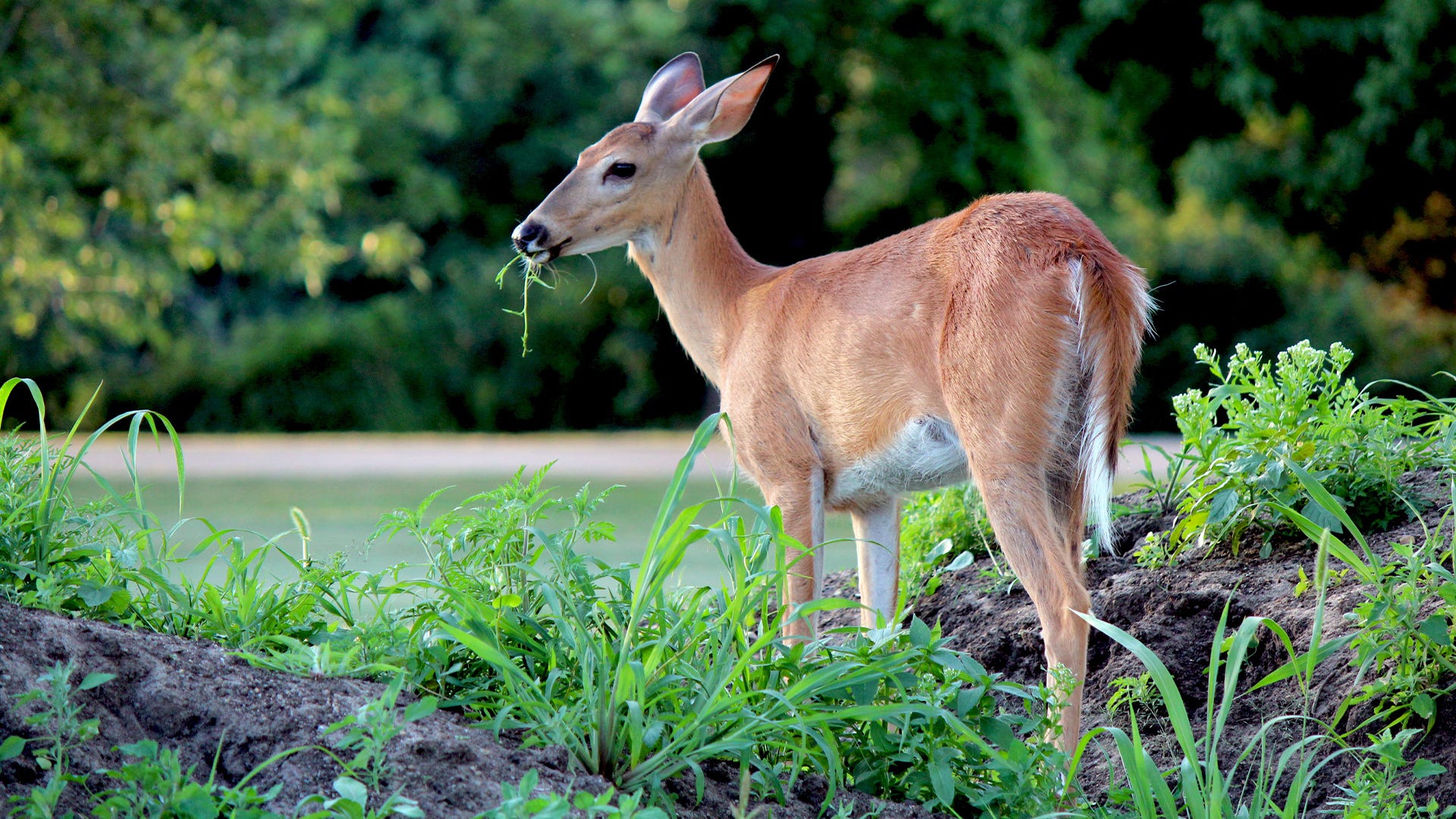
Deer are herbivores. This means they eat only plants. In the wild, their main foods are leaves, twigs, fruits, nuts, and grass. But as forests shrink and towns grow, deer often move closer to farms and gardens. Crops are easy to reach, and often taste better than wild plants. Fields offer fresh, tender plants that are rich in nutrition, making them a perfect meal for deer.
Food shortage, especially in winter or dry seasons, pushes deer to search harder for food. If their natural plants are gone, crops become the next best choice. Also, deer are smart and learn quickly. If one deer finds a good food source, others soon follow.
Which Crops Do Deer Eat?
Deer are not picky eaters, but they do have favorites. Some crops are more at risk than others. Here are some of the top targets:
- Corn – Deer love the sweet, soft kernels, especially when the plants are young.
- Soybeans – Tender leaves and pods attract deer at all stages of growth.
- Wheat – Early shoots and fresh heads are a deer’s favorite.
- Lettuce – Soft and juicy leaves are easy for deer to eat.
- Beans – Snap beans and other varieties are quickly eaten.
- Carrots – Deer eat the leafy tops and sometimes pull up the roots.
- Peas – Both vines and pods are attractive to deer.
- Apples – Deer eat both fallen and low-hanging fruit.
- Strawberries – Sweet fruit and tender leaves are a treat.
- Tomatoes – Deer bite into fruit and leaves, often wasting much of the crop.
- Cabbage – Soft heads and leaves are quickly eaten.
- Pumpkins – Deer nibble on vines, leaves, and young fruit.
Different areas may see different crops damaged, depending on what is grown and what wild plants are nearby.
How Much Damage Do Deer Cause?
Deer can cause surprising damage in a short time. In the United States, crop losses from deer are estimated at over $1 billion each year. On a single night, a group of deer can eat or trample large parts of a field. The damage is not only from eating. Deer may step on young plants or rub their antlers on tree trunks, killing the plants.
Here is a look at how much different crops can be affected:
| Crop | Average Loss (%) | Type of Damage |
|---|---|---|
| Corn | 10-30 | Eating tips, trampling |
| Soybeans | 15-40 | Leaf loss, pods eaten |
| Fruit Trees | 5-20 | Fruit eaten, bark rubbed |
In some small farms or gardens, deer may destroy nearly 100% of a crop if not protected.
Why Are Deer So Hard To Control?
Deer are smart, quiet, and can jump high fences. Their ability to adapt makes them very hard to keep away from crops. A few key reasons:
- High population – In many regions, deer numbers are higher than nature can support.
- No natural predators – In areas without wolves or mountain lions, deer populations grow quickly.
- Strong sense of smell – Deer can detect food from far away.
- Learn quickly – Once they find food, deer remember and return.
Deer also move in groups, so one brave deer can lead many others into a field.
:strip_icc()/BHG-Do-Deer-Eat-Tomato-Plants-513006947-130dd06e922d431d80bd61395018a12a.jpg)
Signs Of Deer Damage
Knowing if deer are eating your crops is the first step. Watch for these clues:
- Jagged bite marks on leaves, often 45-degree angles.
- Missing tops of young plants or vegetables.
- Hoof prints (split, heart-shaped tracks) in soft soil.
- Droppings – Small, dark pellets near damaged plants.
- Bark stripped from young trees (from antler rubbing).
Other animals may eat crops, but deer leave these clear signs.
How To Protect Crops From Deer
Protecting crops from deer is a challenge, but several methods can help. Some are simple, while others require more effort.
1. Fencing
A tall, sturdy fence is the most effective method. Deer can jump over 8 feet (2.4 meters), so fences must be high. Some farmers use electric fencing, which gives a mild shock and keeps deer away.
2. Repellents
There are sprays and powders made from strong smells or bitter tastes. Some use garlic, rotten eggs, or hot pepper. They must be reapplied after rain or every few weeks. Repellents work best for small gardens or short-term protection.
3. Scare Devices
Motion-activated lights, radios, or sprinklers can startle deer. Over time, deer may learn these are not dangerous, so it’s best to change devices often.
4. Plant Selection
Some crops and flowers are less tasty to deer. Planting onions, garlic, or marigolds around valuable crops can help. But hungry deer may eat almost anything if food is scarce.
5. Hunting And Population Control
In some areas, regulated hunting helps keep deer numbers in balance. This is often managed by local wildlife agencies.
Here is a quick look at the pros and cons of different methods:
| Method | Effectiveness | Cost | Easy to Use? |
|---|---|---|---|
| Fencing | Very High | High | Moderate |
| Repellents | Medium | Low | Easy |
| Scare Devices | Low-Medium | Low | Easy |
| Plant Selection | Low | Low | Easy |
Two Key Insights Most Beginners Miss
First, deer damage is not just eating. Trampling, rubbing, and even sleeping in fields can destroy crops. Protecting against only feeding is not enough.
Second, deer habits change with the season. In spring, they target new shoots. In late summer and fall, they focus on fruit and seeds. Protection methods should adjust as crops mature.
Real-world Example
A small apple orchard in the Midwest lost over 40% of its harvest to deer in just one month. The farmer tried scare devices but saw little improvement. Only after installing a 9-foot fence did the problem stop. This shows that while some methods work for small gardens, serious cases may need stronger solutions.
Deer, Crops, And The Environment
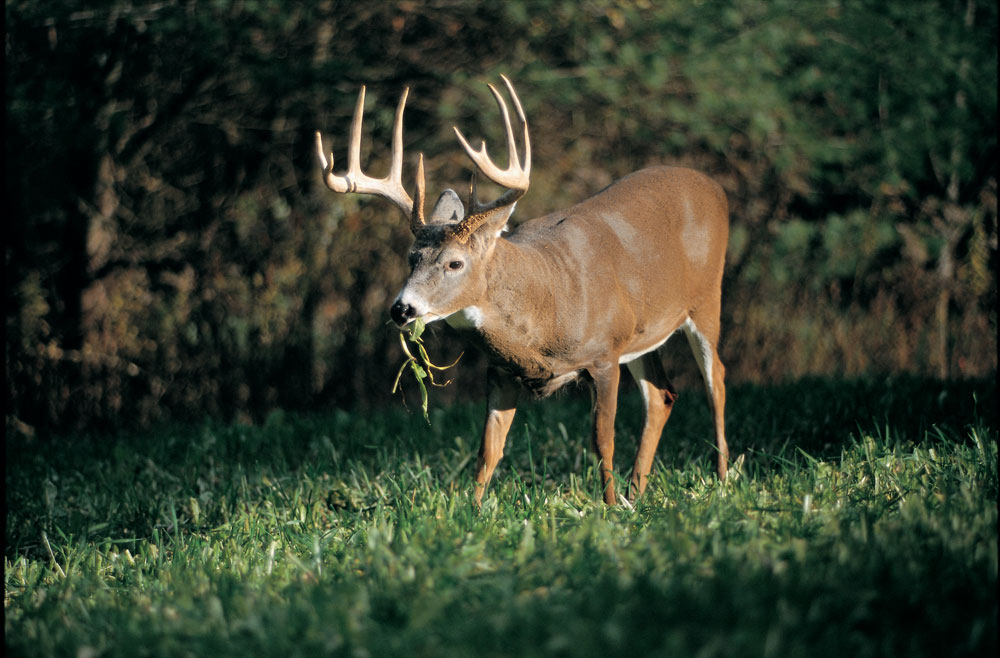
Balancing deer populations with farming needs is difficult. Too many deer can hurt forests and farms, but deer are also part of the natural ecosystem. Some experts suggest using both non-lethal and lethal methods for best results. For more on this, see this National Geographic article.
Frequently Asked Questions
Do Deer Eat All Types Of Crops?
Deer eat many kinds of crops, but they prefer soft, sweet, or young plants. Some crops, like onions or garlic, are less likely to be eaten.
How Can I Tell If Deer Are Eating My Crops?
Look for jagged bite marks, hoof prints, and small piles of droppings near damaged plants. Deer usually eat the tops and leaves, leaving stems behind.
What Is The Best Way To Stop Deer From Eating Crops?
A tall, strong fence is the most reliable method. Repellents and scare devices can help for small gardens or short-term needs.
Are There Crops That Deer Never Eat?
No crop is truly “deer-proof,” but some, like rhubarb, garlic, and hot peppers, are rarely eaten by deer. Hungry deer may still try anything.
Do Deer Cause More Damage At Certain Times Of Year?
Yes, damage is often worse in spring (new growth) and late summer/fall (fruit and seeds). Winter damage happens when wild food is scarce.
Deer are a natural part of many landscapes, but their hunger for crops is a real challenge. With the right knowledge and protection, you can reduce losses and enjoy your harvest. Stay alert, adapt your defenses, and remember: deer are clever, but preparation gives you the upper hand.