Deer are some of the most recognizable wild animals around the world. Many people imagine deer as brown, but the reality is more interesting. Their colors change with the seasons, their age, and where they live. Some even look completely different from what you expect.
Understanding the true color of deer can help you spot them in the wild, study animal behavior, or just satisfy your curiosity.
The Typical Color Of Deer
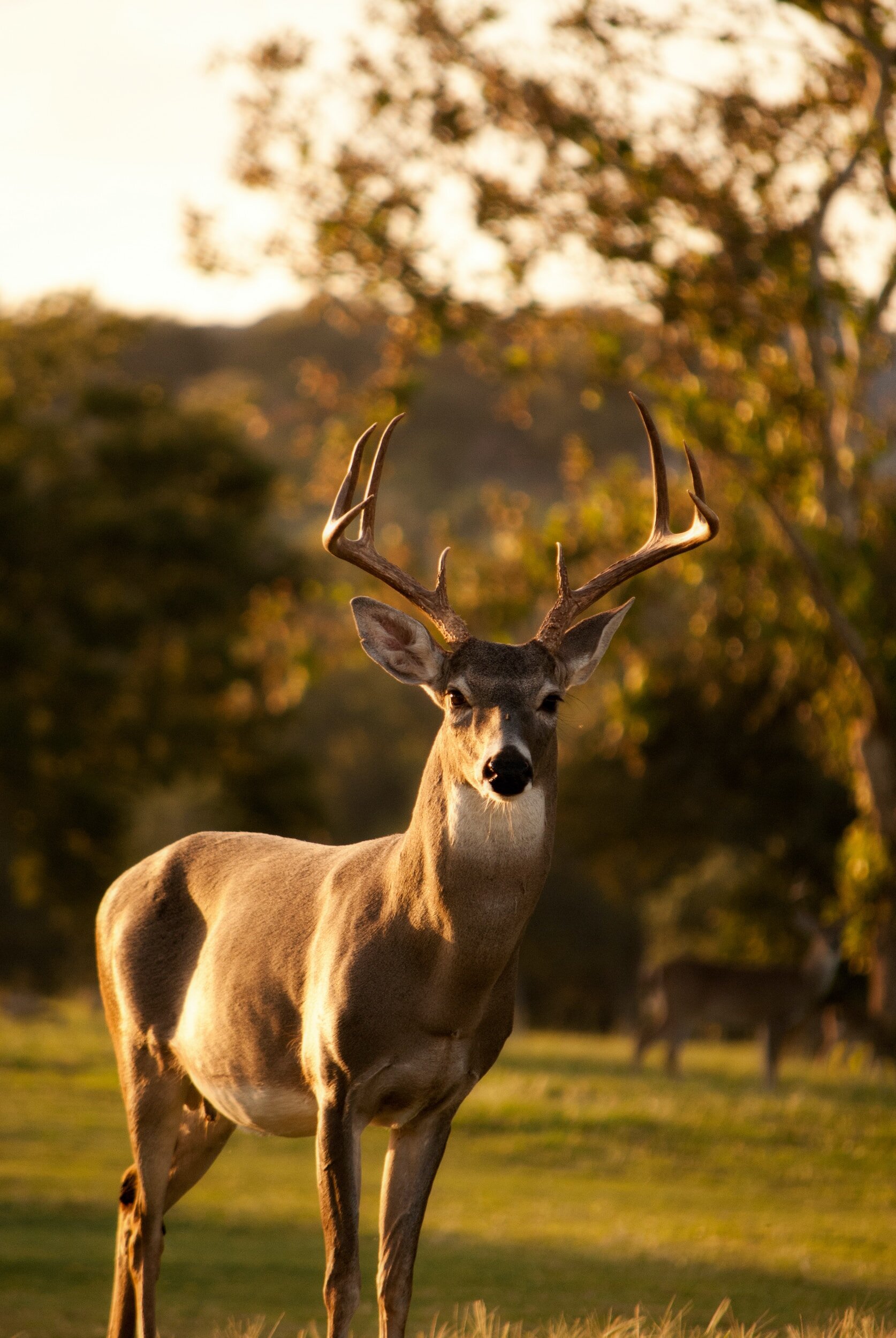
Most deer have a brown coat. This color is not just by chance. Brown blends well with forests, grasslands, and even snowy areas. But “brown” is a simple word for a complex range of shades. You may find deer in light tan, reddish-brown, or even grayish-brown coats, depending on the species and environment.
For example, the White-tailed deer—common in North America—often has a rich reddish-brown color in summer. In winter, their fur gets much grayer. This change helps them hide from predators as the seasons change.
Mule deer look similar but are usually a bit grayer than white-tailed deer. Their colors can shift from dark brown to almost slate gray in winter.
Why Do Deer Change Color?
Deer don’t change color the same way chameleons do. Instead, their fur grows in different colors as the seasons change. Summer fur is shorter and brighter, while winter fur is longer, thicker, and duller. This helps with both camouflage and temperature control.
Color Variations Among Deer Species
There are over 40 deer species worldwide. They live in many different habitats, from open plains to thick forests. Let’s look at a few well-known deer and their typical colors.
| Species | Summer Color | Winter Color |
|---|---|---|
| White-tailed Deer | Reddish-brown | Grayish-brown |
| Mule Deer | Tan to brown | Gray |
| Red Deer | Reddish-brown | Darker brown |
| Sika Deer | Dark brown with spots | Dark brown or blackish |
| Fallow Deer | Light brown with white spots | Darker brown, spots may fade |
Key insight: Some species, like the sika deer and fallow deer, keep their spots as adults. This is rare, since most deer lose their spots after they grow up.
Special Colors: White, Black, And More
While most deer are brown, rare color forms do exist:
- Albino Deer: These are pure white. Their noses and eyes are pink due to a lack of pigment. Albino deer are extremely rare—about 1 in 20,000.
- Leucistic Deer: They look white or pale but do not have the pink eyes of albinos. Leucism is a different genetic condition.
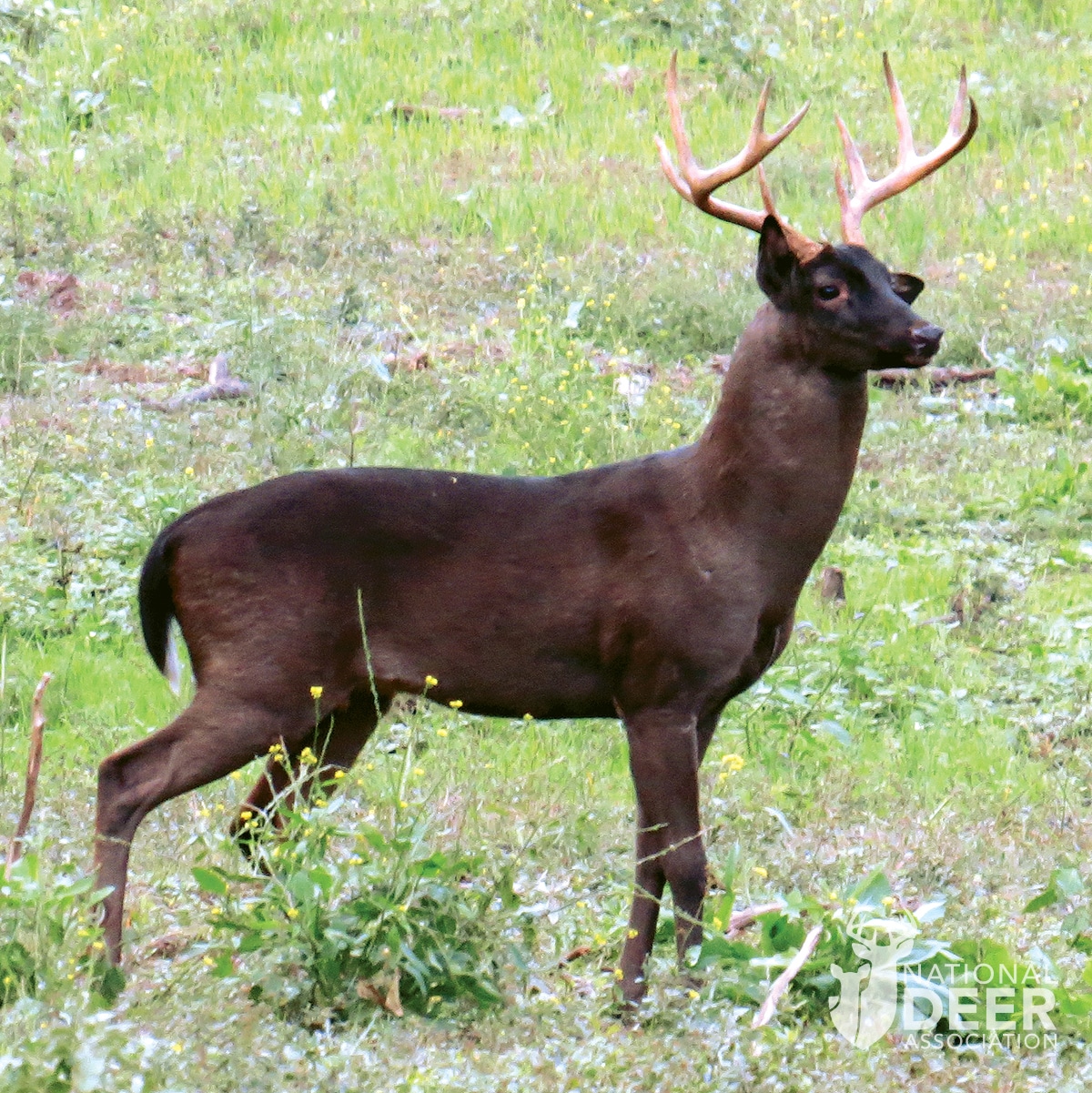
- Melanistic Deer: These are almost black, with fur much darker than normal. Melanistic deer are even rarer than albino deer.
These rare deer sometimes cause confusion in the wild. Hunters and wildlife watchers often share stories or photos of a “ghost deer” or “black deer. ” Seeing one is a once-in-a-lifetime event.
How Fawn Colors Differ
Baby deer, called fawns, look different from adults. Most fawns have a reddish-brown coat covered with white spots. The spots help them blend into the forest floor while their mother is away feeding. This pattern is so effective that even predators have trouble seeing them.
After 3–4 months, fawns lose their spots as they grow their first adult coat.

The Science Behind Deer Color
Deer hair is made of hollow fibers. These hairs trap air, which helps deer stay warm in cold weather. The hollow structure also affects how light hits their fur, sometimes making deer appear lighter or darker depending on the sun and shadows.
The color of a deer’s coat is controlled by genes. These genes decide how much melanin (the pigment that makes fur dark) is in each hair. More melanin means darker fur, and less means lighter fur.
How Environment Affects Deer Color
Deer living in the forest are usually darker. This helps them hide in the shadows. Deer that live in open fields or snowy places are often lighter. This is a classic example of camouflage in nature.
For instance, reindeer (also called caribou) in the Arctic have much lighter fur than red deer in European forests. The lighter color helps them blend into snowy landscapes.
Table: Deer Fur Color Based On Habitat
| Habitat | Common Fur Color | Example Species |
|---|---|---|
| Dense Forest | Darker brown/gray | Sambar Deer |
| Open Plains | Lighter brown/tan | Pronghorn (not a true deer) |
| Snowy Regions | Pale brown/white | Reindeer |
Non-obvious Insights About Deer Color
Many people think deer are always the same color, but that’s not true. Their color can change from year to year, based on nutrition and health. For example, a deer with a poor diet might have duller fur. Also, stress or disease can sometimes change fur color, making it patchy.
Another point most beginners miss: antlered species like moose and elk are also in the deer family but have very different colors. Moose, for example, are often very dark brown, almost black, especially in northern areas.
Why Deer Color Matters
Understanding deer color is not just about curiosity. Hunters, wildlife photographers, and nature lovers use this knowledge to spot deer more easily. Scientists use color patterns to study animal movement, genetics, and population health.
In some cultures, rare color forms like white deer are considered spiritual or magical. This adds to the fascination people have with these animals.
If you want to read more about the science of animal color and camouflage, visit Wikipedia’s Camouflage page for deeper information.
Frequently Asked Questions
What Is The Most Common Color For Deer?
The most common color for deer is brown, but the exact shade can be reddish-brown, grayish-brown, or tan depending on the species and season.
Do All Deer Have Spots?
No, only fawns (young deer) usually have white spots. Most adult deer lose their spots, but some species like the fallow deer and sika deer keep spots even as adults.
Can You Tell A Deer’s Age By Its Color?
Not exactly. While fawns are spotted and adults are not, the shade of brown does not reliably show age. The coat color mainly changes with seasons and health, not age.
Are White Or Black Deer A Different Species?
No, albino, leucistic, and melanistic deer are not new species. They are rare color variations caused by genetic changes within normal deer populations.
Why Do Some Deer Look Gray In Winter?
Deer grow a thicker, grayer coat in winter for better insulation and camouflage. This helps them blend in with the dull winter landscape and stay warm.
Deer colors are more complex than most people realize. From basic brown to rare white or black, deer use their colors to survive, hide, and thrive in the wild. Next time you see a deer, take a closer look—you might spot something new.