Many people think of deer as quiet, gentle animals, but their senses are powerful. One sense stands out: their ability to smell danger. Deer rely on their noses more than their eyes or ears to survive. Whether escaping predators or avoiding hunters, a deer’s sense of smell is its best defense. But how do deer actually smell danger? The answer is a mix of biology, behavior, and experience. This article explains how deer detect threats using scent, explores what makes their noses so effective, and shares some surprising facts even nature lovers may not know.
The Anatomy Of A Deer’s Nose
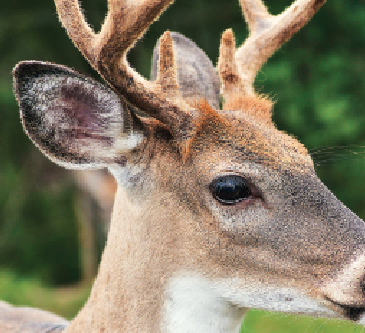
Deer have a complex nasal structure. Their noses are much more than simple sniffers. Inside, the nasal cavity is lined with millions of olfactory receptors. These are tiny sensors that detect scent molecules in the air. For comparison, humans have about 5 million olfactory receptors. Deer have over 300 million. This difference explains why deer can notice smells that people never detect.
The moist surface inside a deer’s nose helps trap scent particles. When a deer breathes in, air passes over this surface and delivers smells directly to the brain. The nose also has Jacobson’s organ (also called the vomeronasal organ). This extra sense helps deer analyze pheromones, which are special chemicals animals use to communicate.
How Deer Use Their Sense Of Smell
Smelling danger is not just about having a good nose. Deer use their sense of smell in many ways, often combining it with other senses for the best results.
Detecting Predators
The main way deer smell danger is by detecting the scent of predators. Wolves, coyotes, bears, and even humans all have a unique odor. Deer can pick up these smells from a great distance. If a coyote passed through the area hours before, a deer can still detect its scent on the wind.
Sensing Human Presence
Humans leave behind a strong scent, even if we cannot smell it ourselves. Sweat, deodorant, soap, and even clothing fibers all create a cloud of odor. Hunters often try to mask their scent, but deer can usually pick up even small traces.
This is why experienced hunters are careful about wind direction.
Warning Each Other
Deer use smell to communicate with the herd. When one deer smells danger, it releases special alarm pheromones. These chemicals alert other deer to possible threats. This warning system is fast and silent, making it hard for predators to notice.
Finding Safe Food And Water
Smell also helps deer decide if an area is safe. Before eating, deer often sniff the ground and plants. If they detect the odor of a predator or a human, they may avoid the spot. This behavior helps them stay safe while feeding.

Wind Direction: The Hidden Key
Wind plays a big role in how deer smell danger. Scent travels better with the wind. When the wind blows from a person toward a deer, the deer is likely to smell them before seeing or hearing them.
Here’s a quick look at how wind direction affects scent detection:
| Wind Direction | Deer’s Ability to Smell | Hunting Implication |
|---|---|---|
| Wind at deer’s face | Very strong | Deer detects threat early |
| Wind at deer’s back | Weak | Deer vulnerable from behind |
| Crosswind | Moderate | Unpredictable |
Hunters and wildlife photographers often study wind patterns before approaching deer. Even if you are silent and hidden, an unexpected wind gust can carry your scent to a deer and ruin your chances.
Scent Memory And Experience
Deer are not only good at smelling, but they also remember dangerous smells. If a deer survives an encounter with a predator or human, it will remember the scent for a long time. The next time it smells something similar, it will react faster.
Young deer learn from their mothers and other adults in the herd. If an older deer reacts to a dangerous scent, the young quickly follow. This social learning is one reason why deer populations remain so alert.
Factors Affecting A Deer’s Sense Of Smell
Many things can change how well deer smell danger. Some are natural, and some are caused by humans.
Weather Conditions
- Humidity: Damp air carries scent better than dry air. On humid days, deer can detect smells from farther away.
- Rain: Light rain helps scents stick to the ground, but heavy rain can wash them away.
- Temperature: Warm air rises, and so do scent molecules. On cool mornings, scent stays low and moves farther.
Age And Health
Older or unhealthy deer may not smell as well as younger, healthy ones. But even aging deer have a better sense of smell than most other animals.
Human Mistakes
Hunters often make the mistake of ignoring scent control. Wearing scented laundry detergent or touching gear with bare hands can leave strong odors. Deer quickly sense these mistakes.
How Deer Smell Compares To Other Animals
Deer are not the only animals with strong noses. But how do they compare? Here’s a quick side-by-side:
| Animal | Olfactory Receptors | Notable Scent Abilities |
|---|---|---|
| Deer | ~300 million | Detects danger, food, and social signals |
| Dog | ~220 million | Tracking, detection, companionship |
| Human | ~5 million | Limited, mostly for taste and environment |
As you can see, deer have more scent receptors than even the best hunting dogs.
Non-obvious Insights About Deer And Smell
- Scent Lingers Long After You Leave: Many people think deer only smell things in real time. In fact, deer can detect human scent left on grass, leaves, or branches for hours after a person passes by. Avoid touching plants if you want to avoid detection.
- Deer Can Smell Underground: Deer sometimes detect predators hiding in burrows or under leaf litter. Their noses can pick up these hidden threats, showing just how sensitive their sense of smell is.
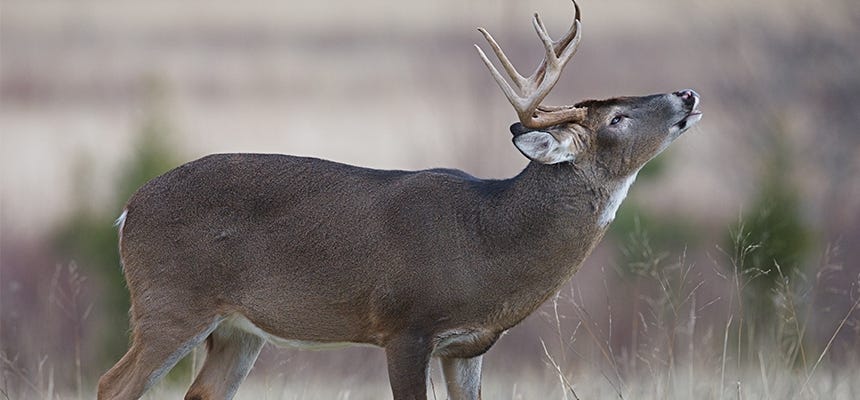
- Nasal Flare Is a Warning Sign: When deer flare their nostrils wide and stamp the ground, it means they are actively analyzing a scent. This body language is a clear sign that a deer suspects danger is near.
Protecting Deer From Human Threats
Understanding how deer smell danger can help us protect them. For example, land managers use scent barriers (like special plants) to keep deer away from roads or dangerous areas. Some wildlife experts also create “safe zones” by keeping human scent out, giving deer a place to rest without fear.
Conservation efforts often use knowledge about deer’s sense of smell to design better habitats. By respecting how sensitive deer are to scents, we can reduce accidents and keep wild herds healthy.
For more details on deer senses, see this Wikipedia page on deer.
Frequently Asked Questions
How Far Can Deer Smell Danger?
Deer can detect some scents from up to half a mile (about 800 meters) away, especially in good wind conditions. The exact distance depends on weather and the strength of the odor.
Do Deer Smell Better Than Dogs?
Deer have more olfactory receptors than dogs, making them even better at detecting certain scents in their environment. However, dogs are better at following specific scent trails.
Can Deer Smell Through Water Or Rain?
Light rain can help scents travel, but heavy rain washes away most odors. Deer can sometimes detect scents that have mixed with water, but it is harder.
Do Deer Get Used To Human Smells?
If deer often encounter humans without danger, they may become less sensitive to human scent. However, in most wild areas, deer remain very cautious.
How Do Hunters Avoid Being Smelled By Deer?
Hunters use scent-free soaps, wear clean clothing, and pay close attention to wind direction. Some also use cover scents like earth or pine to mask their odor.
Deer are nature’s masters of scent detection. Their powerful noses keep them safe from predators and humans alike. By respecting their sense of smell, we can better understand and protect these amazing animals.