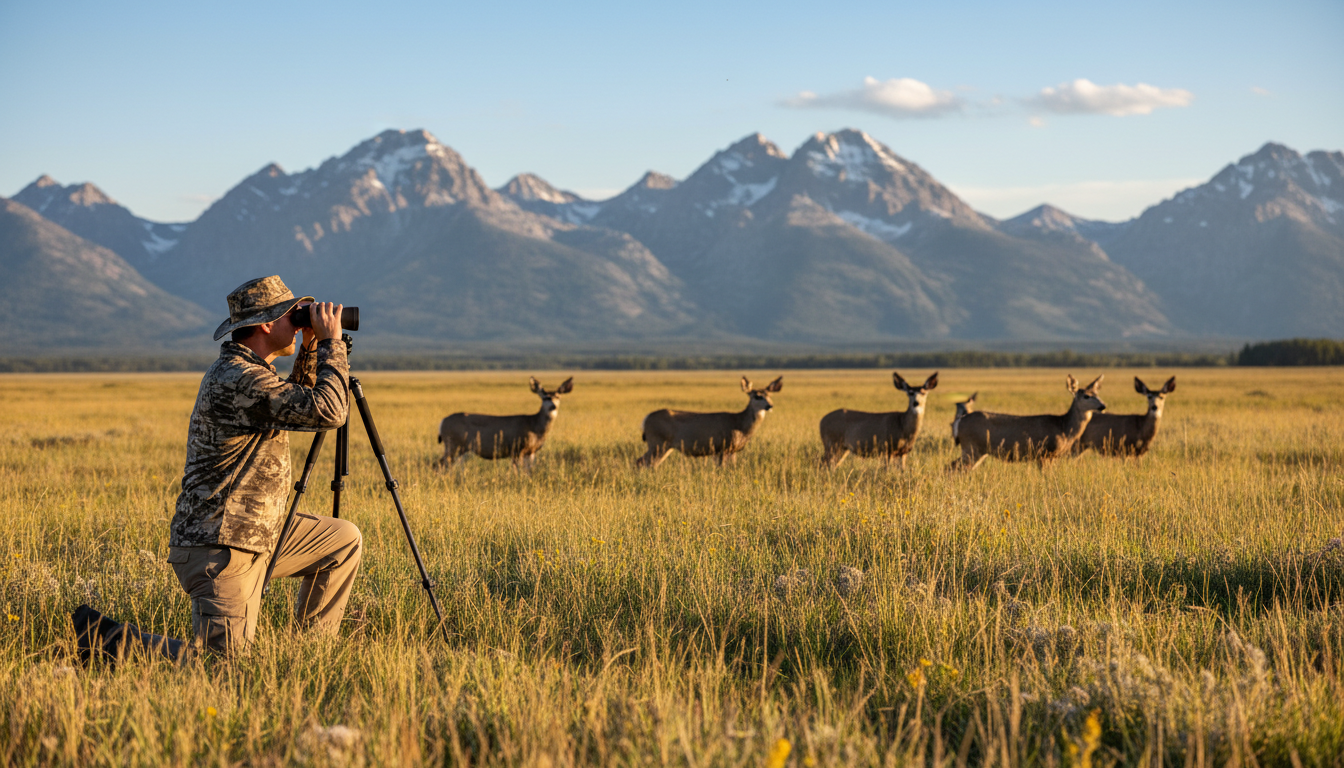
Watching deer in the wild is a peaceful and rewarding experience. These gentle animals inspire curiosity and remind us of nature’s beauty. However, observing deer safely takes more than simply walking into a forest. Deer are alert, sensitive, and easily frightened.
If you want to enjoy this hobby and protect both yourself and the animals, it is important to follow careful steps. This guide will show you how to safely watch deer, whether you are a beginner or looking to improve your skills.
Understanding Deer Behavior
Deer are naturally shy. They use their sharp senses—smell, hearing, and vision—to detect danger. When a deer feels threatened, it will quickly flee or hide. Understanding their daily routines and behavior helps you get closer without causing stress or harm.
Deer are most active during dawn and dusk. These times are called “crepuscular hours.” During midday, deer usually rest in sheltered areas. If you want to see them, plan your visit early in the morning or late in the afternoon.
Deer also use “trails” or clear paths in the woods. These trails lead to food and water. Look for hoof prints, droppings, or broken branches. These clues show where deer often walk.
Preparing For Your Deer-watching Trip
Preparation is the key to a safe and enjoyable experience. Here’s what you should do before heading out:
1. Research Local Wildlife Areas
Find public parks, nature reserves, or forests where deer are common. Follow all rules for the area.
2. Dress For The Environment
Wear neutral-colored clothing. Browns and greens help you blend with nature. Avoid bright colors, which may alert deer.
- Choose the Right Gear
- Binoculars: Essential for watching from a distance.
- Camera with zoom: For photos without getting too close.
- Quiet shoes: Soft-soled footwear reduces noise.
- Backpack: Carry water, snacks, and a map.
- Check the Weather
Deer move less during heavy rain or strong wind. Mild, cool days are best.
5. Inform Someone
Tell a friend or family member where you are going, especially if you visit remote areas.
Approaching Deer Safely
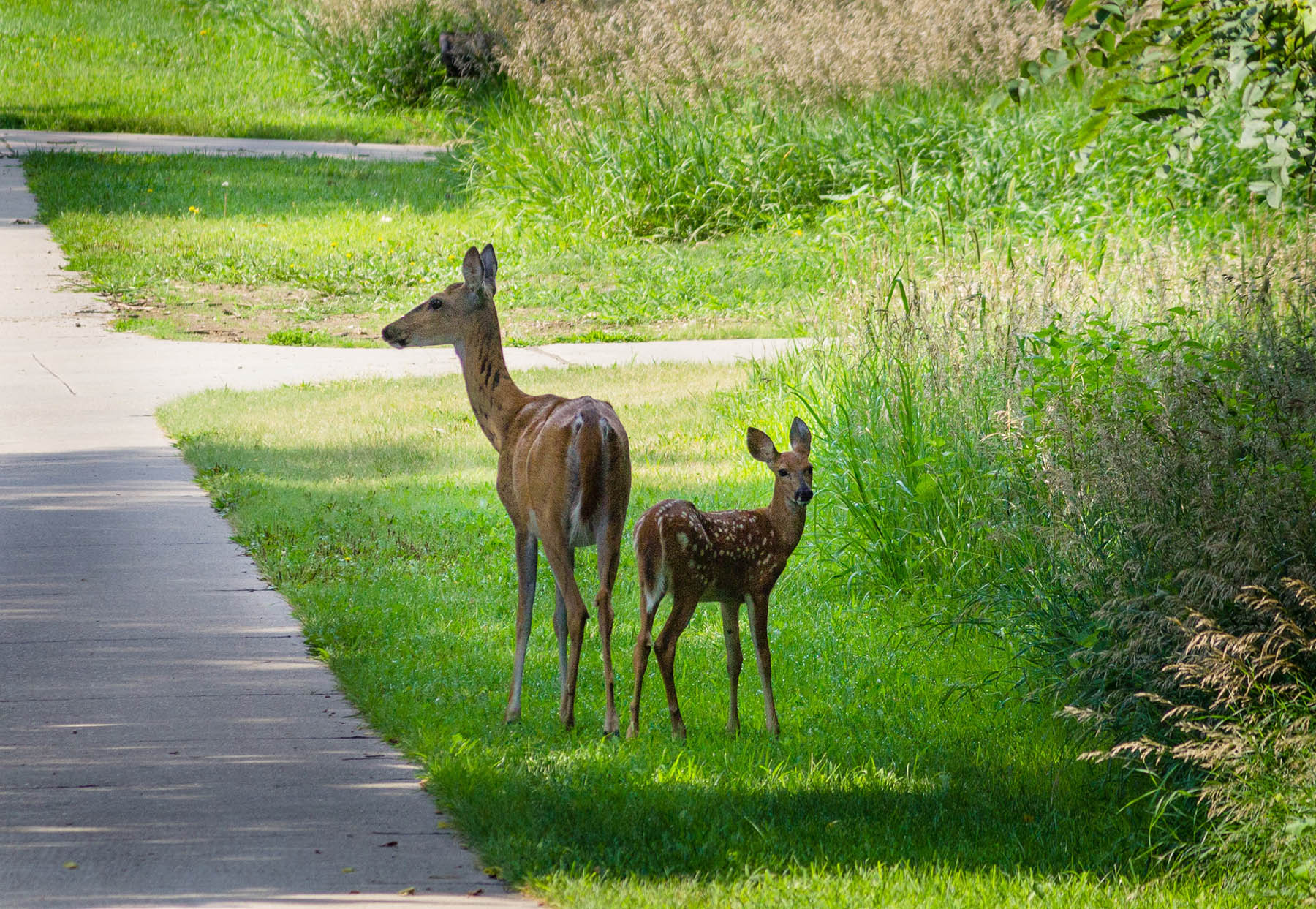
Moving closer to deer needs patience and skill. Here are steps to approach without disturbing them:
1. Walk Slowly And Quietly
Place each step carefully. Avoid stepping on dry leaves or twigs.
2. Stay Downwind
Deer have a strong sense of smell. Try to keep the wind blowing from the deer toward you.
3. Avoid Eye Contact
Looking directly into a deer’s eyes feels like a threat. Instead, glance sideways and keep your head low.
4. Use Natural Cover
Trees, bushes, and rocks help hide your shape. Move between cover slowly.
5. Stop Often
Pause every few steps. If a deer looks alert, freeze until it relaxes.
6. Keep A Safe Distance
Never try to touch or feed wild deer. Use binoculars to watch from 50 meters or more.
Here’s a comparison of safe and unsafe distances for watching deer:
| Distance | Deer Reaction | Safety Level |
|---|---|---|
| 10 meters or less | Flees or becomes aggressive | Unsafe |
| 20-50 meters | Alert but calm | Moderately safe |
| 50+ meters | Relaxed, natural behavior | Safe |
Keeping Yourself And Deer Safe
Safety is more than just keeping distance. There are extra steps you should take for both your well-being and the deer’s.
- Do Not Feed Deer
Human food can harm deer or change their natural behavior.
- Avoid Sudden Movements
Fast gestures can scare deer and cause them to run into dangerous areas.
- Stay Quiet
Speak softly or not at all. Avoid using cellphones or loud equipment.
- Watch for Ticks
Deer can carry ticks that spread Lyme disease. Wear long sleeves and pants. After your trip, check your skin and clothing for ticks.
- Respect Private Property
Never enter someone’s land without permission.
- Observe Seasonal Rules
During hunting season, wear a bit of orange for your safety, but keep it muted and small to avoid scaring deer.
Best Places And Times To Watch Deer
Some locations and seasons make deer watching more successful. Here are factors to consider:
1. Habitat
Deer like forests with open grassy areas. They also visit fields near forests in the early morning and evening.
2. Season
Late spring and early summer are best for seeing fawns. In autumn, deer are more active as they search for food.
3. Weather
Calm, cool days are ideal. Avoid hot afternoons or stormy weather.
Here’s a simple comparison of deer activity by time of day and season:
| Time of Day | Spring/Summer Activity | Autumn/Winter Activity |
|---|---|---|
| Dawn | High | Very High |
| Midday | Low | Low |
| Dusk | High | High |
Tips For A Better Deer-watching Experience
- Be Patient
Sometimes, you may wait a long time without seeing deer. Enjoy the sounds and sights of the forest.
- Use a Field Guide
A small book or app can help you identify local deer species and learn about their habits.
- Record Your Observations
Keep a journal or take notes. Over time, you’ll notice patterns in deer behavior.
- Bring a Friend
Watching with someone else increases safety and makes the trip more enjoyable.
- Leave No Trace
Take all trash with you. Respect plants and avoid damaging the habitat.
A common mistake is forgetting that deer use the same paths daily. Look for fresh tracks and you may find a good viewing spot. Also, some beginners move too quickly or wear bright clothes—two things that almost guarantee deer will run away.

What Beginners Often Miss
Many people do not realize the impact of their scent. Even if you move quietly, wearing strong perfumes or scented lotions can warn deer from far away. It’s best to use unscented soap before your trip.
Another detail is the use of blinds or hides. These are small shelters made from branches or camouflage material. Sitting inside a blind for 30–60 minutes increases your chances of seeing deer up close, as deer become used to the shelter and ignore it over time.
For more in-depth information on deer behavior, you can visit the Wikipedia Deer Page.
Frequently Asked Questions
What Should I Do If A Deer Approaches Me?
Stay still and calm. Do not try to touch or feed the deer. If it comes too close, back away slowly without sudden movements.
Can I Watch Deer In My Backyard?
Yes, if you live near wooded areas, you may see deer. Place a chair near a window or in the yard, stay quiet, and avoid feeding them.
Are Deer Dangerous To Humans?
Deer are usually not dangerous, but during mating season (rut), males can be more aggressive. Always keep a safe distance.
What Is The Best Time Of Year To Watch Deer?
Autumn and early spring are best. Deer are active as they search for food and prepare for seasonal changes.
Is It Safe To Bring Children Deer Watching?
Yes, but teach children to be quiet and move slowly. Supervise them closely and keep everyone together.
Watching deer is about patience, respect, and understanding nature. When you follow these tips, you protect the animals and enjoy a unique, peaceful experience. With practice, you will learn to spot deer more easily and notice their fascinating behaviors. Remember, the goal is to observe without disturbing—nature always rewards those who watch with care.