Every year, millions of Americans catch glimpses of deer in forests, meadows, and even backyards. These graceful animals are part of daily life in many states, and sometimes, they even cause traffic jams. But where are you most likely to find them? If you’re curious about which states have the most deer, you’re not alone. Hunters, wildlife lovers, and even drivers want to know where deer populations are the highest—and why. Let’s take a closer look at the states where deer truly dominate the landscape, what makes these places so attractive to deer, and why those numbers matter.
The States With The Largest Deer Populations
Deer are found in every state except Hawaii, but some states stand out for their huge numbers. The following states are known for their high deer populations, based on recent wildlife surveys and estimates.
| State | Estimated Deer Population | Main Species |
|---|---|---|
| Texas | 4,000,000+ | White-tailed |
| Pennsylvania | 1,500,000+ | White-tailed |
| Wisconsin | 1,500,000+ | White-tailed |
| Michigan | 1,700,000+ | White-tailed |
| Georgia | 1,200,000+ | White-tailed |
| Missouri | 1,000,000+ | White-tailed |
| Mississippi | 1,750,000+ | White-tailed |
| Alabama | 1,250,000+ | White-tailed |
| Illinois | 800,000+ | White-tailed |
| Minnesota | 900,000+ | White-tailed |
Texas is far ahead, with over 4 million deer. Most states in the top ten have at least 800,000 deer, mostly white-tailed, which are the most common species in North America.
Why Do These States Have So Many Deer?
Several factors make certain states perfect for deer.
- Abundant food: States with rich forests, fields, and crops provide plenty of food for deer.
- Mild winters: Harsh winters can reduce deer numbers. States with mild winters help more deer survive.
- Hunting regulations: States that carefully control hunting often have larger, healthier herds.
- Low predator numbers: In many high-deer states, there are fewer natural predators like wolves or mountain lions.
For example, Texas has a mix of woodlands, brush, and agricultural land, giving deer everything they need. Wisconsin and Michigan also have large forests and farmland, while Mississippi and Alabama have long growing seasons and less snow.
A Closer Look At The Top 5 States
Let’s break down the leading states for deer and see what sets them apart.
Texas
Texas leads the nation in deer numbers, thanks to its size and diverse habitats. From dense woods in the east to brushlands in the south, deer thrive almost everywhere. Many private lands manage for deer hunting, keeping populations high.
Michigan
Michigan has more than 1. 7 million deer. The Lower Peninsula is especially famous for its deer. Large forests, mild winters, and lots of farms mean plenty of food and shelter.
Pennsylvania
Pennsylvania’s mix of forests, mountains, and fields makes it ideal for deer. Many locals grow up hunting, and the state’s careful management keeps numbers high.
Wisconsin
Wisconsin’s forests and farms are home to more than 1. 5 million deer. The state is known for producing large bucks and has a strong hunting tradition.
Mississippi
Mississippi is a surprise to some, but its mix of forests, swamps, and farmlands supports one of the largest deer herds in the Southeast.
Deer Density: Where Are Deer Most Crowded?
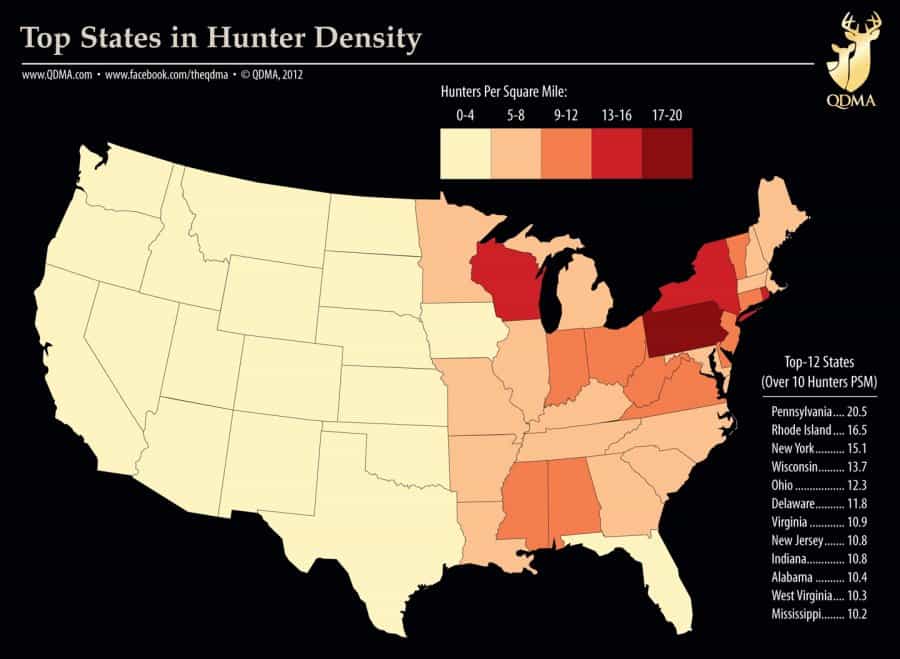
Some states may not have the most deer overall, but they have high deer density—meaning a lot of deer in a small area.
| State | Deer per Square Mile |
|---|---|
| Pennsylvania | ~30 |
| Mississippi | ~38 |
| Alabama | ~25 |
| Wisconsin | ~24 |
| Maryland | ~35 |
In places like Mississippi and Maryland, it’s common to spot several deer in just a short drive. High density can lead to more deer-car collisions and crop damage, so states must balance deer numbers.
Not Just White-tailed Deer: Other Species
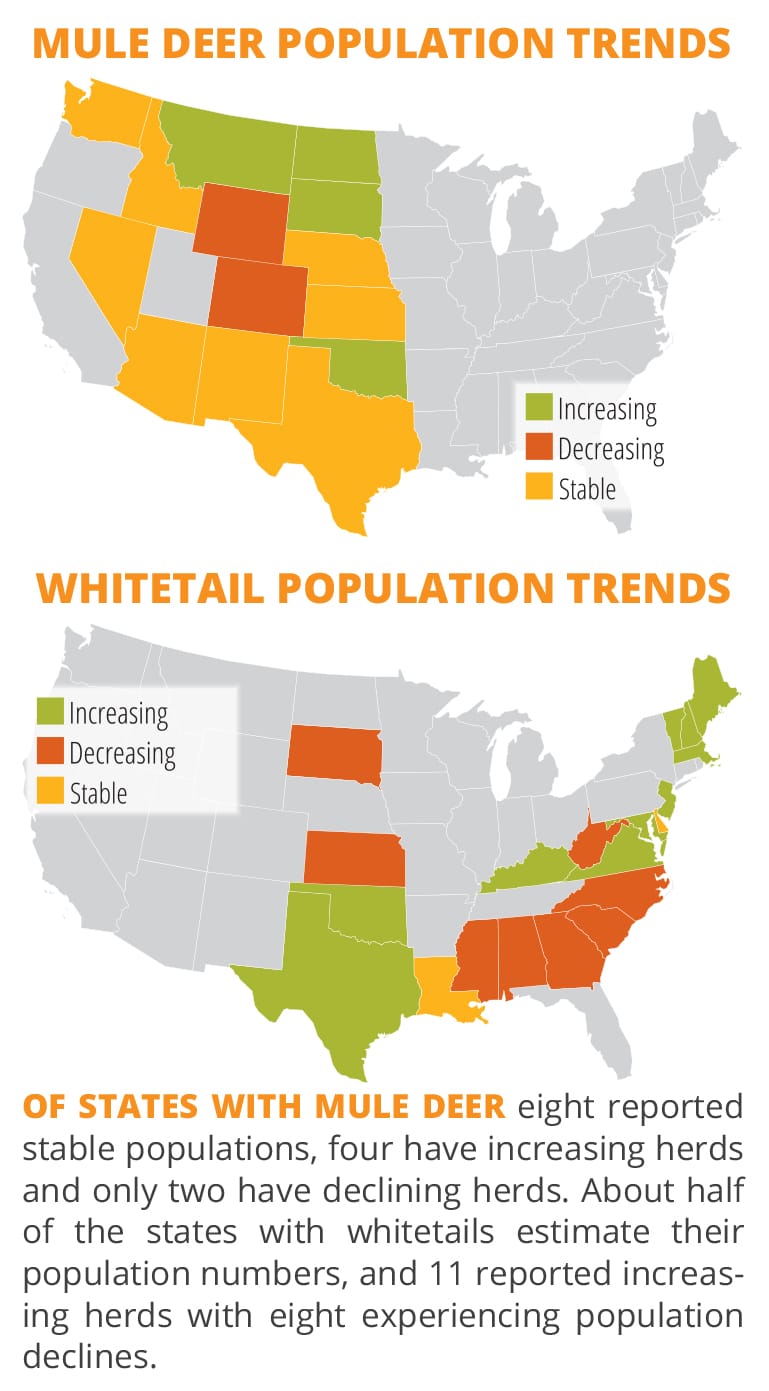
While white-tailed deer are the most common, some states also have mule deer and black-tailed deer. Western states like Colorado, Wyoming, and Montana have large numbers of mule deer, but their total populations are usually lower than the top white-tail states.
How Do States Count Deer?
Wildlife agencies use many methods to estimate deer populations:
- Aerial surveys: Counting deer from aircraft over forests and fields.
- Trail cameras: Cameras capture photos of deer at feeding spots.
- Hunter harvest reports: Hunters report how many deer they take each season.
- Spotlight counts: Workers count deer at night using strong lights.
No method is perfect, but using several together gives a good picture of deer numbers.
Non-obvious Insights About Deer Populations
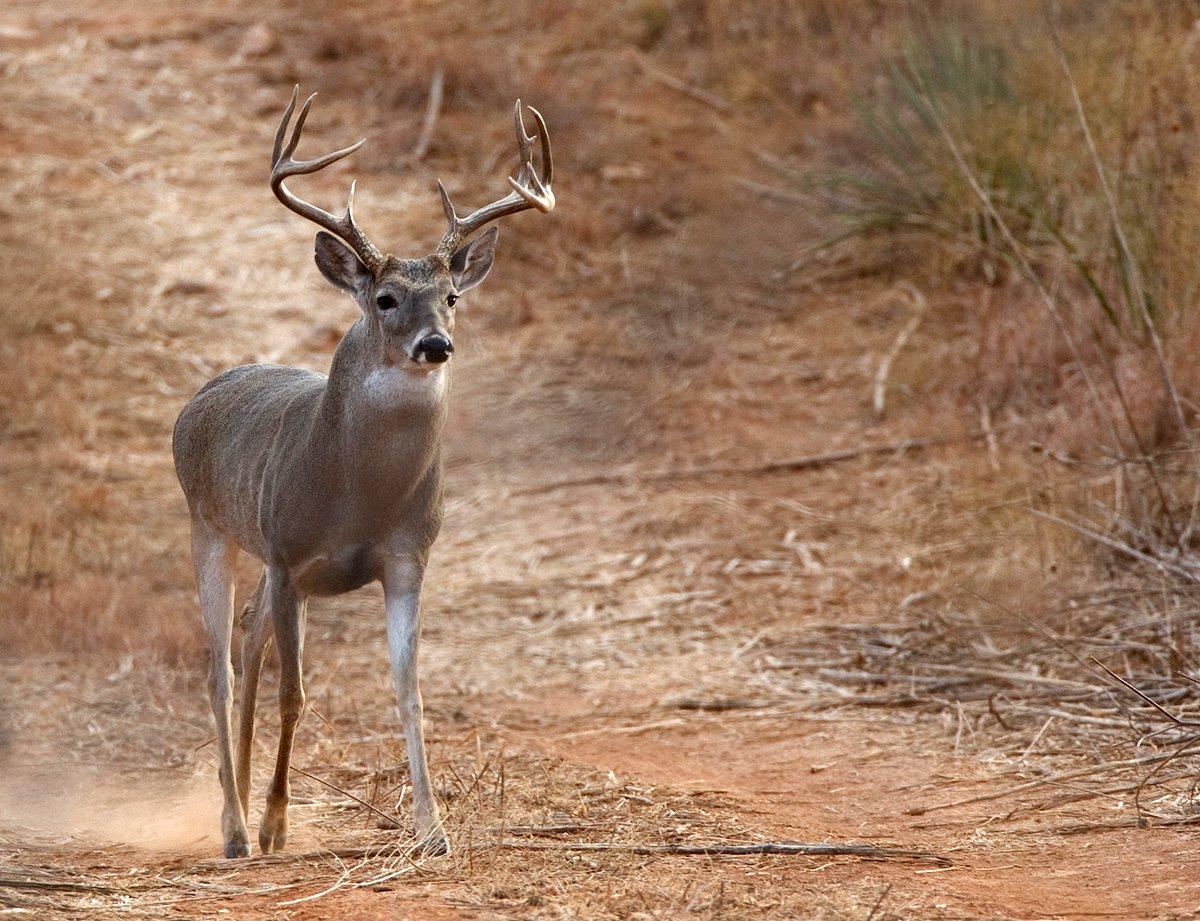
Many people think deer always do best in deep forests, but that’s not true. Deer actually prefer a mix of woods and open land, where they can find both cover and food.
Another point most beginners miss is that suburban areas can have very high deer densities. In places where hunting is restricted, deer move in and quickly multiply, often causing problems for gardens and cars.
Why Deer Populations Matter
Large deer populations are good for hunters and wildlife watchers, but too many deer cause problems. Over-browsing can damage forests, and more deer mean more car accidents. States must balance deer numbers for people, crops, and the deer themselves.
Comparing Top Deer States And Their Challenges
The states with the most deer face different challenges. For example:
- Texas: Managing deer across huge private lands.
- Michigan: Harsh winters in the Upper Peninsula kill many deer.
- Mississippi: Controlling herd size to protect crops.
- Pennsylvania: Balancing hunter interest with urban expansion.
All these states work hard to track their deer and adjust hunting rules to keep herds healthy.
Frequently Asked Questions
What State Has The Highest Deer Population?
Texas has the largest deer population, with over 4 million white-tailed deer, thanks to its big size and varied habitats.
Are There Any States Without Deer?
Yes, Hawaii does not have native deer species. All other states have at least some wild deer.
Why Are Deer Populations So High In Some States?
States with mild winters, lots of food, and careful hunting rules tend to have the highest deer numbers. Less hunting or fewer predators also play a role.
What Is The Difference Between Deer Density And Total Deer Numbers?
Total deer numbers show how many deer live in a state. Deer density means how many deer live in a certain area, like per square mile. A small state can have high density but fewer deer overall.
Where Can I Find The Most Up-to-date Deer Population Data?
You can find updated deer numbers on state wildlife agency websites and from sources like the Wikipedia page on white-tailed deer.
Whether you love to watch deer or just want to avoid them on the road, understanding where they live helps everyone. Knowing the top deer states can also guide your next hunting trip or nature walk. Deer are part of America’s wild heritage, and the states with the most deer show just how well these animals adapt and thrive.