Every year, as the leaves change color and temperatures drop, an ancient rhythm begins in forests and fields across the world. The mating season for deer, often called the rut, is a time of intense activity, competition, and change. Understanding when deer mate is not just interesting for hunters and wildlife watchers—it reveals secrets about animal behavior, survival, and even the health of ecosystems. Let’s explore the timing, patterns, and reasons behind deer mating, and what makes this season so special.
The Timing Of Deer Mating Season
Deer do not mate all year. The timing depends on their species and where they live. For the most common types, like white-tailed deer and mule deer, the rut usually happens in autumn. In North America, peak mating is from late October to early December.
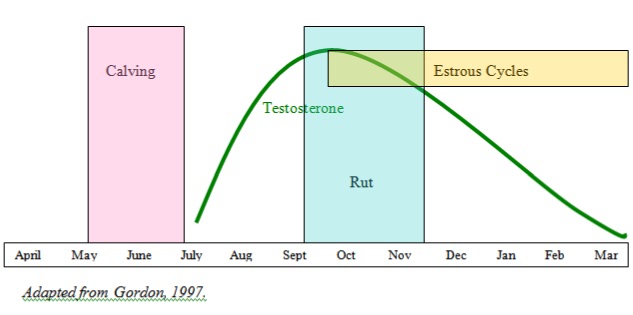
This timing is not random. It is linked to day length (photoperiod), which triggers hormones in the animals. As daylight hours get shorter, deer bodies prepare for mating. This ensures that fawns are born in late spring or early summer, when food is plentiful.
Key Mating Months By Species
Here’s a look at when different deer species mate:
| Species | Peak Mating Months | Location |
|---|---|---|
| White-tailed Deer | November | North America |
| Mule Deer | Late November – Early December | Western North America |
| Red Deer | September – October | Europe, Asia |
| Roe Deer | July – August | Europe |
| Sambar Deer | Varies | Asia, India |
Notice that roe deer are different—they mate in midsummer but delay embryo growth until winter, so fawns are still born in spring.
What Happens During The Rut?
Mating season for deer is more than just breeding. It is a time of increased movement, behavior changes, and sometimes fierce competition.
Behavioral Changes
Bucks (male deer) become much more active. They:
- Travel more to find does (female deer).
- Fight other bucks using their antlers to win mates.
- Make loud calls or grunts to show strength.
- Mark their territory with scent from glands.
Does also change behavior. They become more social and may group together, making it easier for bucks to find them.
Signs Of The Rut
You can often tell it is mating season when you see:
- Scrapes and rubs: Bucks make marks on trees with their antlers.
- Increased movement: Deer are less cautious and more visible.
- Aggressive behavior: Bucks may chase or fight other deer.
These signs are useful for hunters and photographers looking to spot deer.

Why The Timing Matters
It is not just tradition that deer mate in autumn. There are strong survival reasons.
Birth Timing
Deer need fawns to be born in late spring or early summer. At this time, the weather is warmer and food is abundant. Fawns have a better chance to survive and grow strong before the next winter.
Environmental Triggers
The main trigger is the photoperiod (length of day vs. night). This is more reliable than temperature, which can change a lot from year to year. By using day length, deer ensure their mating season is always at the right time, even if the weather is strange.
Deer Mating Season Around The World
Not all deer follow the same schedule. Climate, latitude, and species all play a role.
| Region | Typical Rut Season | Notes |
|---|---|---|
| North America (White-tailed) | October – December | Most common rut |
| Europe (Red/Roe Deer) | July – October | Roe deer rut earlier |
| Tropical Regions | Anytime, often rainy season | Less tied to seasons |
| Southern Hemisphere | April – July | Opposite to North America |
This means if you travel, you might see deer rutting at very different times.
Non-obvious Insights About Deer Mating
Many people think all deer mate in autumn, but some, especially in the tropics, can breed almost year-round if food and weather allow. Another surprising fact is that not all does get pregnant in the first rut. Sometimes, if a doe is not bred, she will come into heat again about 28 days later.
This gives a second chance for mating.
Also, young bucks do not usually win mates. The strongest, most mature males do most of the breeding. This helps keep the population healthy by passing on good genes.
Effects Of Mating Season On Deer Populations
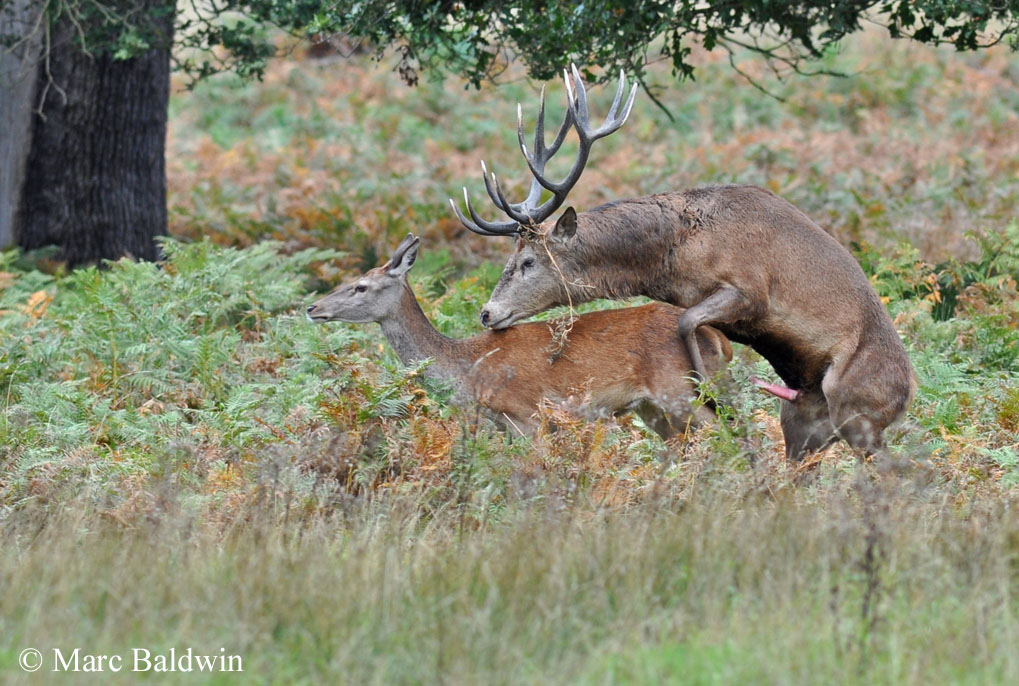
The rut is a stressful time for deer. Bucks often lose up to 20% of their body weight because they eat less and focus on chasing does. They may suffer injuries from fighting. However, the rut is important for controlling population and keeping herds strong.
For humans, the rut means more deer movement, which leads to higher chances of car accidents. In some places, most deer-vehicle crashes happen during mating season.
How Weather And Climate Change Affect Mating
Weather can change rut activity, but not the main timing. For example, a warm autumn may make deer move less during the day, but the rut will still happen. Scientists worry that climate change could shift the timing over many years, which might affect fawn survival if food is not ready when fawns are born.
Practical Tips For Observing Deer During Mating Season
If you want to watch deer during the rut, go out early in the morning or just before sunset. These are the most active times. Stay quiet, watch the wind direction, and use binoculars. Do not get too close—bucks can be unpredictable and aggressive.
Also, be extra careful driving in areas with deer signs, especially in autumn. Many accidents happen at dawn and dusk.
Frequently Asked Questions
When Is The Peak Rut For White-tailed Deer?
The peak rut for white-tailed deer in North America is usually in November. This can vary by region but is most often between the second and third week of the month.
How Long Does The Deer Mating Season Last?
The main rut usually lasts about 2-3 weeks, but some mating can continue for up to a month. Some does that are not bred may come into heat again, causing a smaller, second rut.
Do All Deer Species Mate At The Same Time?
No, different species have different rut times. For example, roe deer in Europe mate in summer, while white-tailed deer mate in autumn. Tropical deer may breed at any time.
What Are Signs That Deer Are Mating Nearby?
Look for scrapes on the ground, bark rubbed from trees, groups of does, and bucks chasing or fighting. Increased movement and loud vocalizations are also common.
Can Climate Change Affect Deer Mating Season?
Yes, long-term climate changes may slowly shift the rut’s timing. If the seasons change too much, it could affect when fawns are born and their survival. For more on this, see the research at National Wildlife Federation.
Each autumn, the deer rut is a reminder of nature’s timing and balance. Whether you are a wildlife enthusiast or simply curious, watching the behaviors and changes during this season opens a window into the hidden world of deer. By understanding when and why deer mate, we connect more deeply to the rhythms of the natural world.