
Spotting elk in the wild is a thrilling experience. But telling a male elk from a female elk can confuse even seasoned nature lovers. If you want to improve your wildlife identification skills or are simply curious, learning to distinguish between the two is useful and rewarding. There’s much more to it than just looking for antlers. This guide will walk you through the most important differences, share real-life examples, and give you tips that many beginners overlook.
Why Distinguish Male And Female Elk?
Understanding how to identify male (bull) and female (cow) elk is more than a fun fact. Hunters must follow strict laws about which elk they can harvest, wildlife photographers need to caption photos correctly, and hikers can avoid risky situations by recognizing elk behavior. Knowing these differences also helps scientists and nature lovers monitor herds and study elk populations.
Antlers: The Most Obvious Difference
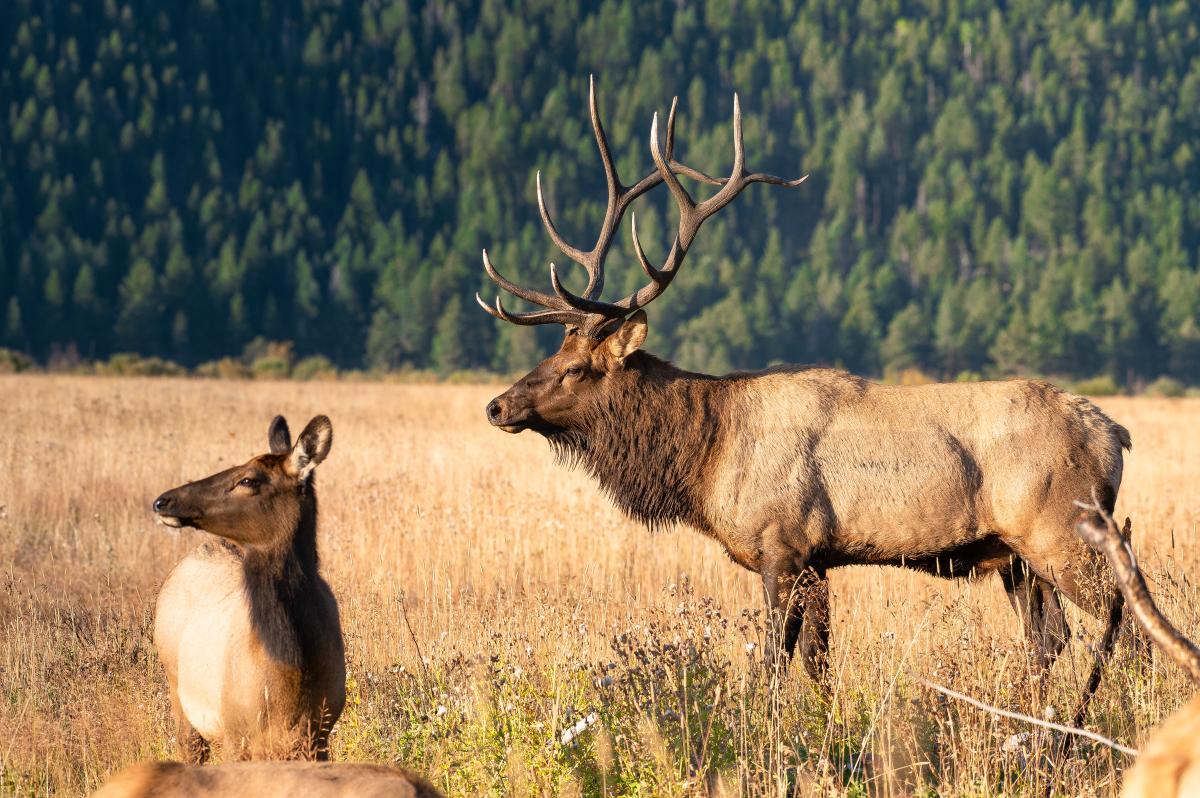
The easiest way to tell a male elk from a female is by looking at the antlers. Male elk, called bulls, grow large antlers every year. Female elk, known as cows, almost never have antlers.
| Feature | Bull Elk (Male) | Cow Elk (Female) |
|---|---|---|
| Antlers | Large, branched, shed yearly | Very rare (almost always none) |
| Antler Size | Up to 4 feet long, 40+ pounds | — |
Bulls begin growing antlers in spring. By late summer, antlers are fully formed and can reach up to four feet long. Cows do not grow antlers, so if you see a group of elk, and only one or two have antlers, those are the bulls.
Non-obvious insight: Young bull elk, called spikes, may have small, straight antlers that are easy to miss from far away. Don’t assume an elk with small antlers is a female.
Size And Body Shape
Male elk are generally larger and heavier than females. This is true even outside the rutting (mating) season.
| Measurement | Bull Elk (Male) | Cow Elk (Female) |
|---|---|---|
| Height at Shoulder | 4.5–5 feet (137–152 cm) | 4–4.5 feet (122–137 cm) |
| Weight | 700–1,100 lbs (320–500 kg) | 500–600 lbs (225–270 kg) |
| Body Build | More muscular, thick neck | Slender, smaller neck |
A bull’s neck is especially thick during fall. Cows are more slender and have a gentler slope to their bodies.
Pro tip: Size can be difficult to judge when elk are far away or in groups. Compare elk standing side by side for a clearer sense of scale.
Coloration And Coat
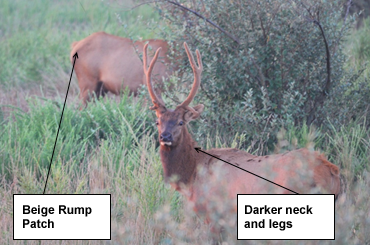
Both male and female elk have similar overall coloring: a light brown body, darker neck, and a pale rump. However, bulls often appear darker during the rut due to wallowing in mud or urine to attract females.
- Bulls: Sometimes look dirty or stained around the neck and shoulders.
- Cows: Usually appear cleaner and lighter, especially outside the rut.
Young elk, called calves, have spots for their first few months, which fade as they grow.

Head Shape And Features
Male and female elk have different facial structures. Bulls have a broader, blockier face and their skull is larger to support heavy antlers. Cows have a more delicate, narrow head.
Look for these features:
- Bulls: Large forehead, thicker nose bridge, more pronounced brow ridges.
- Cows: Slimmer face, gentle nose slope, less pronounced brow.
From the side, the differences may be subtle, but a careful look can help.
Behavior And Social Structure
Observing elk behavior can reveal gender differences, especially during the fall rut (mating season).
- Group Dynamics:
- Bulls often travel alone or in small bachelor groups outside of the rut.
- Cows and calves stay in larger herds for protection.
- Vocalizations:
- Bulls bugle—a loud, high-pitched call—during the rut to attract cows and warn other bulls.
- Cows communicate with soft mews or barks, especially to call their calves.
- Aggression:
- Bulls display aggressive postures, antler wrestling, and marking territory during fall.
- Cows are more likely to flee from threats and rarely show aggressive postures unless defending calves.
Non-obvious insight: During winter, both bulls and cows may form mixed herds. In these cases, rely more on antler and size differences.
Tracks And Signs
If you can’t see the elk directly, tracks and other signs can give clues.
- Track Size:
Bull elk tracks are bigger, often over 5 inches long. Cow tracks are slightly smaller.
- Urine Spots:
During rut, bull elk sometimes urinate on their legs and ground, leaving a stronger smell and stained fur.
- Antler Sheds:
Finding a shed antler in late winter or early spring means a bull was in the area.
Antler Growth And Shedding Cycle
Understanding the antler cycle helps with identification at different times of the year.
- Spring/Summer:
Bulls grow velvet-covered antlers.
- Fall:
Antlers are hard and polished for the rut.
- Winter (Jan–Mar):
Bulls shed their antlers and are “antlerless” for a few months.
If you see an elk without antlers in late winter, it could be a bull or a cow. Look at body size and head shape for more clues.
Calves: How To Tell Young Elk Apart
Calves (young elk under one year) are difficult to sex visually. Both male and female calves look similar, and antler buds are not visible for several months. Only close observation, such as during veterinary checks or with high-powered binoculars, can reveal subtle differences.
Seasonal Changes
Some differences between males and females are clearer during specific seasons.
- Late Summer/Early Fall (Rut):
Bulls are at their largest, with full antlers, swollen necks, and aggressive behavior.
- Winter:
Bulls may have shed antlers; look for size and head shape.
- Spring:
Bulls begin antler growth, but stubs may be hard to spot from far away.
Vocalizations
During the rut, bull elk make a unique bugling call. This high, eerie sound travels long distances and is used to attract females and warn other males.
- Bulls: Bugle, grunt, and display.
- Cows: Mew, bark, and communicate with calves.
Listening carefully to elk sounds can help you identify them when visibility is poor.
Common Mistakes In Identifying Elk
Many beginners rely only on antlers. This can lead to mistakes:
- Assuming all antlerless elk are cows: Bulls shed antlers in winter.
- Judging by size alone: Young bulls can be similar in size to adult cows.
- Not considering time of year: Bulls look different in each season.
Tip: Always use a combination of features—antlers, size, group behavior, and calls.
Practical Examples
Imagine you are watching a group of elk in Yellowstone National Park:
- You see a large elk with big, branched antlers bugling loudly—this is a bull.
- Nearby, a group of smaller, antlerless elk huddle together and move as a unit. These are cows and possibly calves.
- In winter, you spot a single, very large antlerless elk with a thick neck and broad face—likely a bull that has shed his antlers.
Table: Quick Reference Guide
Use this summary as a quick field reference:
| Characteristic | Bull Elk (Male) | Cow Elk (Female) |
|---|---|---|
| Antlers | Yes (except late winter–spring) | No |
| Neck Size | Thick, muscular | Thin, slender |
| Body Size | Larger, up to 1100 lbs | Smaller, up to 600 lbs |
| Group Behavior | Often alone or small groups | Larger herds with calves |
| Vocalization | Bugle, grunt | Mew, bark |
Field Tips For Accurate Identification
- Bring binoculars or a spotting scope to observe details from a distance.
- Watch elk behavior, not just appearance.
- Take notes or photos for later comparison.
- Study elk in different seasons to see how features change.
Advanced tip: Learn to recognize the ivories (small canine teeth) in elk. Both sexes have them, but only visible up close. Not useful for field ID, but interesting for enthusiasts.
Resources For Further Learning
For more on elk biology and identification, visit the Wikipedia page on Elk. It offers scientific details, history, and links to research.
Frequently Asked Questions
How Big Are Elk Antlers?
Bull elk antlers can reach up to 4 feet in length and weigh over 40 pounds. The number of branches (tines) varies, with mature bulls often having six or more on each side.
Can A Female Elk Ever Have Antlers?
It is extremely rare. Some females may develop small, deformed antlers due to hormone imbalances, but this is unusual and not reliable for identification.
Do Elk Calves Look Different From Adults?
Yes. Calves are smaller, have white spots on their reddish-brown coats, and stay close to their mothers for protection. Their spots fade as they grow.
When Do Elk Shed Their Antlers?
Bull elk shed their antlers in late winter to early spring, usually between January and March. New antlers begin growing soon after.
Can You Tell Male And Female Elk Apart By Their Tracks?
Bull elk tracks are usually larger and deeper due to their weight, but there is overlap. Track size can help, but it’s best used with other clues like antlers and body size.
Spotting the differences between male and female elk is a skill that improves with practice. Focus on antlers, size, group behavior, and the season for the most accurate identification. With patience and careful observation, you’ll soon be able to tell them apart confidently, making your outdoor adventures even more rewarding.