
Can Elk Carry Chronic Wasting Disease?
Chronic Wasting Disease (CWD) is a growing concern for wildlife managers, hunters, and people who care about wild animals. The idea that elk, those strong and graceful animals found in North America, might carry this disease is worrying. CWD is not just any sickness—it’s a brain disease that slowly kills animals like elk, deer, and moose. People who love the outdoors or eat wild game want to know: Can elk really carry chronic wasting disease, and what does it mean if they do?
In this article, you’ll get clear answers about how CWD affects elk, how the disease spreads, and what this means for wildlife and people. You’ll also learn about the signs of the disease, what science says, and what can be done to slow its spread.
If you have questions, you’ll find practical, well-explained answers—even to things that most guides miss. Let’s look closer at the real risks, facts, and what you need to know.
What Is Chronic Wasting Disease?
CWD is a fatal brain disease that affects deer, elk, moose, and reindeer. It’s part of a group called prion diseases, which also include mad cow disease. Unlike bacteria or viruses, prion diseases are caused by misfolded proteins that build up in the brain and nervous system. Over time, these proteins destroy brain tissue, causing animals to lose weight, act strangely, and eventually die.
How Does Cwd Work?
CWD prions change normal proteins in an animal’s body into harmful ones. This process is slow but deadly. The disease can take more than a year to show signs, which makes it hard to catch early. Once an animal shows symptoms, it always dies.
Why Is Cwd Different?
Unlike many other diseases, CWD can stay in the environment for years—even after the infected animal is gone. Prions are very hard to destroy. Normal cleaning methods, like bleach or heat, do not work well against them. This makes CWD a unique and persistent problem.
How Do Elk Get Chronic Wasting Disease?
Yes, elk can carry chronic wasting disease. In fact, elk are one of the main animals affected by CWD in North America.
Ways Elk Become Infected
- Contact with Infected Animals: Elk can get CWD by touching saliva, urine, or feces from an infected animal. Herd animals like elk often feed or rest together, so the disease spreads easily.
- Contaminated Environments: Prions in soil or on plants can infect elk long after the sick animal has left. Elk may pick up the disease while grazing.
- From Mother to Calf: There is evidence that CWD can pass from a mother elk to her baby before birth, although this is less common.
Where Has Cwd Been Found In Elk?
CWD first appeared in captive deer in the 1960s in Colorado. It was later found in wild elk in Colorado and Wyoming during the 1980s. Today, CWD has been found in wild and farmed elk in many U.S. states and Canadian provinces. The map below shows the areas affected.
| Region | Wild Elk CWD Cases | First Detected |
|---|---|---|
| Colorado | Yes | 1981 |
| Wyoming | Yes | 1985 |
| Montana | Yes | 2017 |
| Alberta, Canada | Yes | 2002 |

Signs Of Chronic Wasting Disease In Elk
CWD is tricky because elk can look healthy for many months while spreading the disease. But as the sickness gets worse, clear signs appear.
Common Symptoms
- Weight loss (wasting away)
- Drooling or excessive saliva
- Unsteady walking
- Lowered head and blank stare
- Separation from the herd
- Lack of fear of humans
- Trouble swallowing or eating
Elk with advanced CWD may appear confused or weak. Sometimes, hunters notice that sick elk let people get very close, which is not normal.
How Long Does It Take For Symptoms To Show?
CWD can be in an elk’s body for 16 to 36 months before symptoms appear. During this time, the elk can spread prions to other animals and the environment, making early detection hard.
How Cwd Spreads Among Elk
The way CWD spreads is one reason it is so hard to control. Elk live in groups and move over large areas, which helps the disease move too.
Main Spread Methods
- Direct Animal Contact: Elk touch noses, share food, or groom each other.
- Environmental Contamination: Prions left in soil or water can infect new elk years later.
- Movement of Captive Elk: CWD can spread when people move farmed elk from one place to another.
Why Is Cwd Hard To Stop?
Prions last a long time in nature. Even after all elk are removed from an area, new animals can still get sick from the soil or plants. Plus, because elk can carry the disease without looking sick, managers often do not know there is a problem until it is widespread.
The Impact Of Cwd On Elk Populations
CWD is always fatal for elk, but the effect on whole populations depends on how many elk get sick and how fast the disease spreads.
Population Decline
In areas with high CWD rates, elk numbers can drop. For example, studies in Wyoming showed that herds with CWD had up to 19% fewer elk calves each year compared to healthy herds. Over time, fewer young elk means fewer adults in the future.
Changes In Behavior
CWD also changes how elk behave. Sick elk often leave their group, which can make them more likely to be hunted or attacked by predators. This changes the natural balance of ecosystems.
Effects On Hunting And Economy
Many people hunt elk for food or sport. CWD can make people worry about eating elk meat, which lowers hunting rates. This affects local economies that depend on hunting and outdoor tourism.
Can People Get Cwd From Elk?
As of now, there are no confirmed cases of people getting CWD from elk or other animals. However, scientists still do not know everything about prion diseases, and research continues.
Safety Of Eating Elk Meat
The U.S. Centers for Disease Control and Prevention (CDC) says that people should not eat meat from elk or deer that look sick or test positive for CWD. Cooking does not destroy prions, so safe handling is important.
What About Other Animals?
Experiments show that some animals, like monkeys, can get sick if they eat infected meat. Because of this, experts say it is best to be careful, even if the risk to humans seems low now.

How Is Cwd Detected In Elk?
Detecting CWD is a challenge because elk do not show symptoms right away. Still, there are ways to test for the disease.
Testing Methods
- Post-mortem Tests: The most common way is to test the brain or lymph nodes after the animal dies.
- Live Animal Tests: There are some tests for live elk, such as using tissue from the tonsil or rectum, but these are less common and not always perfect.
Surveillance Programs
Wildlife agencies in North America run programs to test wild and captive elk. Hunters are often asked to bring in elk heads for free testing, especially in areas where CWD is known or suspected.
| Testing Method | When Used | Accuracy |
|---|---|---|
| Brain tissue test | After death | Very high |
| Lymph node test | After death | High |
| Tonsil/rectal biopsy | Live animals | Moderate |
What Is Being Done To Control Cwd In Elk?
Stopping CWD is hard, but wildlife agencies are taking steps to slow its spread.
Management Strategies
- Testing and Removal: Sick or positive animals are removed from herds to lower the spread.
- Feeding Bans: In some places, feeding wild elk is banned so that large groups do not gather and spread disease.
- Movement Controls: Rules limit the movement of live elk or elk parts from areas with CWD.
- Education: Hunters and landowners are taught how to handle elk safely and report sick animals.
Challenges In Control
CWD is tough to fight because prions stay in the environment and infected elk look healthy for a long time. Complete removal of the disease from the wild is not possible with current methods, but these strategies can slow its progress.
Two Insights Many People Miss
- CWD Prions Survive Extreme Conditions: Prions can stay infectious in soil for at least 16 years. This means that even if all elk are removed from an area, new elk can still get sick long after. Many guides skip this point, but it explains why CWD is so persistent.
- Healthy-Looking Elk Can Spread CWD: It’s not just visibly sick elk that matter. Most CWD spread comes from elk that look and act normal. They shed prions in saliva, urine, and feces long before they show symptoms.
Comparing Cwd In Elk, Deer, And Moose
Elk are not the only animals with CWD problems. Here’s how CWD affects elk compared to deer and moose.
| Species | Incubation Time | First Detected | Common Symptoms |
|---|---|---|---|
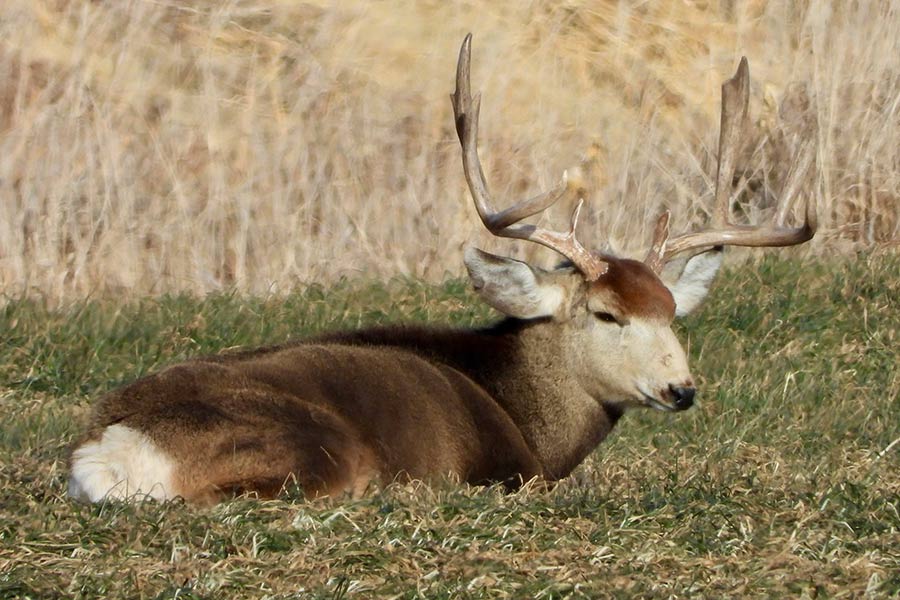
| Elk | 16-36 months | 1981 (wild) | Weight loss, drooling |
| Deer | 18-24 months | 1967 | Stumbling, weight loss |
| Moose | 12-24 months | 2005 | Weakness, isolation |
What Hunters And Landowners Should Know
If you hunt or own land with elk, there are practical steps you can take:
- Test Elk Meat: Always test elk from CWD areas before eating.
- Avoid High-Risk Parts: Do not eat the brain, spinal cord, eyes, spleen, or lymph nodes.
- Wear Gloves: When field dressing elk, use gloves and wash tools after.
- Report Sick Elk: Tell local wildlife officials if you see elk acting oddly.
Hunters play a key role in finding new CWD cases and protecting healthy herds.
The Future Of Elk And Cwd
Scientists are working hard to find better ways to test for and control CWD. There is research into vaccines and new treatments, but nothing can cure or stop CWD yet. The best hope is to slow down the spread and protect elk populations for the future.
If you want to learn more, see the Wikipedia page on Chronic Wasting Disease for more details.
Frequently Asked Questions
What Animals Can Get Chronic Wasting Disease?
CWD affects elk, deer, moose, and reindeer. Other animals, like cattle and sheep, do not get CWD naturally in the wild.
Can Humans Catch Cwd From Elk Meat?
There are no proven cases of humans getting CWD from elk. Still, health agencies recommend not eating meat from sick or CWD-positive elk.
How Long Can Cwd Prions Survive In The Environment?
CWD prions can last over 16 years in soil, making them very hard to remove from the environment.
What Should I Do If I See A Sick Elk?
Report the animal to your local wildlife agency. Do not handle it without gloves, and do not eat the meat.
Is There A Cure Or Vaccine For Cwd In Elk?
No, there is no cure or vaccine for CWD right now. Scientists are working on solutions, but prevention is still the best approach.
Chronic wasting disease is a serious challenge for elk and other wildlife. Understanding how elk carry and spread CWD is the first step to protecting these animals and the people who enjoy them. With good science, careful action, and informed hunters, there is hope to slow this disease and keep elk strong for future generations.