
What Is Elk Meat Like?
If you’ve ever wondered what elk meat is like, you’re not alone. Many people have heard of elk, but few have tasted it. Elk is a large wild animal, part of the deer family, and lives in North America and parts of Asia.
As more people look for healthy and sustainable meat options, elk is getting attention. But what does it taste like? How does it compare to beef or venison? Is it easy to cook? Let’s explore the world of elk meat in detail and see why it’s becoming a favorite for adventurous eaters and health-conscious people.
Taste And Flavor Profile
Elk meat stands out for its unique flavor. It’s often described as richer and more flavorful than beef but less gamey than venison. If you imagine the taste of beef with a touch of sweetness and earthiness, that’s close to elk. Many people say elk has a slightly sweet and clean taste. It does not have the strong wild flavor that some other wild meats have.
One reason for this milder taste is the elk’s diet. Wild elk eat grasses, leaves, and herbs, which give their meat a pure, natural flavor. Farmed elk, which are raised for commercial meat, are usually fed a controlled diet, so their meat can taste even more mild.
Elk is also known for its lean texture. It’s softer than beef and can be more tender if cooked right. If overcooked, it can become tough, but when prepared carefully, it’s juicy and satisfying. People who try elk for the first time are often surprised by how pleasant and approachable the flavor is.
Texture And Appearance
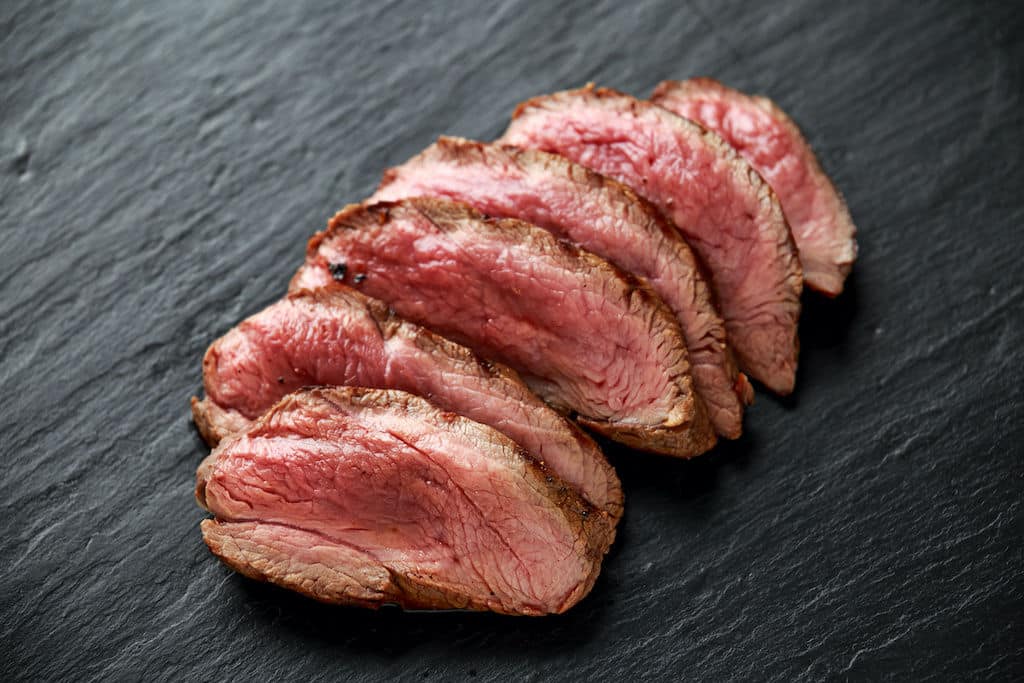
When you look at elk meat, you’ll notice it’s deep red in color. It’s even darker than beef, which might surprise you. This deep red color comes from the higher iron content. Elk meat has very little fat marbling, so you won’t see the white streaks that are common in beef.
The texture of elk is fine-grained and firm. Because it’s so lean, it’s not greasy or oily. When cooked rare or medium-rare, elk is tender and moist. If you cook it well-done, it can become dry, so it’s best to keep elk a little pink inside.
A common mistake is to treat elk like beef and cook it for too long. Remember, less fat means it cooks faster, and you need to watch the temperature closely.
Nutritional Value
Elk meat is known for its excellent nutrition. It’s often recommended for people who want high protein without much fat.
Here’s a comparison of elk meat with beef and chicken per 100 grams:
| Meat | Calories | Protein (g) | Fat (g) | Iron (mg) |
|---|---|---|---|---|
| Elk | 137 | 22.7 | 2.0 | 3.5 |
| Beef (lean) | 217 | 26.1 | 11.8 | 2.6 |
| Chicken (skinless) | 165 | 31.0 | 3.6 | 1.1 |
As you can see, elk is lower in calories and fat than beef, and it has more iron. It’s also a good source of vitamin B12, zinc, and phosphorus. For people watching their cholesterol or fat intake, elk is a smart choice.
A less obvious benefit is that elk is rarely raised with hormones or antibiotics, especially when wild-hunted. This makes it appealing to those who want cleaner meat.
How Elk Meat Compares To Other Meats
Understanding elk meat is easier when you compare it to other meats. Here’s a quick overview:
| Meat | Flavor | Leanness | Texture |
|---|---|---|---|
| Elk | Mild, slightly sweet | Very lean | Fine, tender |
| Beef | Rich, hearty | Varies (more fat) | Firm, juicy |
| Venison (deer) | Gamey, earthy | Very lean | Coarse, can be tough |
| Lamb | Strong, grassy | Medium fat | Soft, fatty |
Some people think elk will taste very “wild,” but it’s actually smoother than venison. It’s closer to beef than many expect, but with a unique twist. Elk’s leanness makes it healthier, but you need to cook it carefully.
Cooking With Elk Meat
Cooking elk is a bit different from cooking beef or pork. The main rule: don’t overcook. Because elk is so lean, it dries out fast if you cook it too long.
Best Cooking Methods
- Grilling: Elk steaks are great on the grill. Cook them quickly over high heat and aim for rare or medium-rare.
- Searing and Roasting: Sear elk on the stove for a crust, then finish in the oven. This works well for larger cuts like tenderloin.
- Slow Cooking: For tougher cuts, like shank or shoulder, slow cooking in a stew or braise makes the meat tender and flavorful.
- Ground Elk: You can use ground elk for burgers, chili, or tacos. Add a little fat (like bacon or beef fat) to keep it moist.
Cooking Tips
- Marinate: Marinating elk can add moisture and flavor. Try a simple marinade of olive oil, garlic, and herbs.
- Use a thermometer: Elk is best at an internal temperature of 130–140°F (54–60°C).
- Rest the meat: Let elk sit for 5–10 minutes after cooking to keep juices in.
- Don’t add too much salt: Elk is naturally flavorful, so you don’t need heavy seasoning.
- Slice against the grain: This keeps the meat tender.
Common Mistakes
- Cooking too long: Elk dries out quickly. Always aim for medium-rare.
- Not adding fat: Adding a little oil or butter can help keep elk juicy.
- Ignoring the cut: Some cuts are best for quick cooking, others for slow braising. Know what you have.
Where To Buy Elk Meat
Elk is not as common as beef, but it’s getting easier to find. You can buy elk meat in several ways:
- Online stores: Many online butchers ship frozen elk across the US and Canada.
- Specialty grocers: Some high-end supermarkets and health food stores offer elk.
- Farmers’ markets: In regions where elk are raised, local markets may sell it.
- Hunting: In some places, you can legally hunt elk for personal use.
Before buying, look for labels like “grass-fed,” “no antibiotics,” or “wild-caught. ” These mean higher quality. Check if the elk is farm-raised or wild, as this can affect the flavor and price.
Sustainability And Environmental Impact
Elk is often called a sustainable meat. Wild elk live naturally and eat local plants, so they don’t need much human input. Even farmed elk are usually raised on open land, with less need for grain or water than cattle.
Compared to beef, raising elk uses less land and produces less methane gas. Wild elk hunting is carefully managed by laws to protect the species. This means elk populations are not over-hunted, and hunting fees help pay for conservation.
Choosing elk can be a way to eat meat with less impact on the planet. But, always buy from trusted sources that follow good practices.
Health Benefits Of Eating Elk Meat
Elk offers several health benefits:
- High in protein: Helps build muscle and keeps you full.
- Low in fat: Good for heart health and weight control.
- Rich in iron and B vitamins: Supports energy and blood health.
- No hormones or antibiotics (most of the time): Cleaner for your body.
Some athletes and people with special diets (like keto or paleo) choose elk for its lean, high-protein profile. It can be a good option for people who want red meat without the extra fat.

Who Should Try Elk Meat?
Elk is a good choice for:
- Adventurous eaters: If you like trying new flavors, elk offers something special.
- Health-conscious people: Low fat and high nutrients make it a smart pick.
- People with food allergies: Elk is less likely to cause reactions than common meats.
- Athletes: The high protein and iron can help with fitness goals.
However, if you have kidney disease or need to limit protein, talk to your doctor first.
Cost Of Elk Meat
Elk is more expensive than beef or pork. Prices can range from $20 to $40 per pound for steaks or tenderloin. Ground elk is a bit cheaper, around $10 to $15 per pound.
Why is it so expensive? Elk are harder to raise and need more space. There’s also less supply, so prices stay high. Wild-hunted elk is even more costly due to limited availability.
Still, many people think the flavor and health benefits are worth the extra cost. If you’re on a budget, try ground elk or stew cuts instead of steaks.
Non-obvious Insights
Most people don’t realize that elk meat’s flavor changes with the season. Elk hunted in the fall (after feeding on grasses and herbs all summer) tends to be sweeter and richer. Early spring elk can taste slightly different, with a lighter flavor.
Another lesser-known fact: elks’ age and gender matter. Younger elk (under three years) produce the most tender meat. Older males, especially during mating season, can have a stronger, tougher taste. If you’re buying from a store, you usually get young farmed elk, but if you hunt or buy wild, ask about the animal’s age.
For more information about elk and their habits, check out the Wikipedia page on Elk.
Frequently Asked Questions
What Does Elk Meat Taste Like Compared To Beef?
Elk meat is milder than venison and has a slightly sweet, clean taste. It is less fatty and a little more earthy than beef. Many people find it richer and more flavorful, but not as strong as wild game.
Is Elk Meat Healthier Than Beef?
Yes, elk meat is lower in fat and calories and higher in iron and protein than beef. It’s a good choice for people watching their weight or cholesterol. It also contains more vitamins and minerals per serving.
Can You Substitute Elk For Beef In Recipes?
You can use elk in most beef recipes, but remember elk cooks faster because it’s leaner. Add a little fat or moisture when making burgers or meatloaf to prevent dryness.
Where Can I Buy Elk Meat?
Elk meat is available online, in specialty stores, and at some farmers’ markets. In some regions, you can also hunt elk for personal use, but make sure to follow local laws.
How Should I Cook Elk Meat For Best Results?
Cook elk to rare or medium-rare for best flavor and tenderness. Use a meat thermometer and remove it from heat at 130–140°F (54–60°C). Let it rest before serving, and don’t overcook, as it dries out quickly.
Elk meat offers a wonderful combination of flavor, nutrition, and sustainability. Whether you’re an experienced cook or just curious to try something new, elk is a rewarding choice that brings a taste of the wild to your plate.