How Long Do Elk Live? Understanding the Lifespan of These Majestic Animals
When you see a large, powerful elk moving through the forest or standing in a field, you might wonder about its life story. How long do elk live? What factors shape their lifespan? These questions are important for hunters, wildlife watchers, students, and anyone curious about nature. In this article, you’ll find a detailed look at the lifespan of elk, the many things that affect how long they survive, and why understanding their life cycle matters for wildlife management and conservation.
Typical Lifespan Of Elk
The average lifespan of elk depends on whether they live in the wild or in protected areas. In the wild, most elk live between 8 and 12 years. Some lucky individuals reach up to 15 years, but this is rare. In contrast, elk living in captivity—such as in wildlife reserves or zoos—can live longer, sometimes up to 20 years.
This difference is mostly because captive elk are protected from predators and harsh weather, and they get regular food and medical care. Wild elk face natural dangers from the moment they are born, which shortens their average lifespan.
Lifespan Breakdown By Sex
Male and female elk have slightly different lifespans. Cow elk (females) often live longer than bull elk (males). Cows can sometimes reach 15 years in the wild, while bulls usually do not live as long. Most bulls rarely make it past 10 to 12 years. This happens because males face more dangers, especially during the breeding season when they fight each other for mates.
Key Stages In An Elk’s Life
Elk go through several important stages in their lives. Each stage has its own challenges and survival rates.
Calves
Elk calves are born in late spring or early summer. At birth, they weigh about 30 to 40 pounds (13-18 kg). The first few months are the riskiest time for any elk. Calves are weak and easy for predators like bears, wolves, and coyotes to catch.
Around 30% to 50% of all calves die before their first birthday.
Yearlings
If a calf survives its first year, it becomes a yearling. Yearlings are stronger and more aware of danger. Still, they face threats from harsh winters and predators. Yearling survival rates are better than calves, but not all make it to adulthood.
Adults
Adult elk are usually between two and eight years old. These years are the healthiest and safest, especially for cows. Adult elk have learned how to find food, avoid predators, and survive winters. This is also when they breed and raise their own calves.
Seniors
Elk older than eight years are considered seniors. As elk age, their teeth wear down, making it harder to eat tough foods in winter. Seniors are also more likely to die from disease, injury, or harsh weather. Very few elk reach old age in the wild, but they play an important role in the herd.
Factors Affecting Elk Lifespan
Many things can change how long an elk lives. Some factors are natural, while others are caused by humans.
Predation
Predators are a major threat, especially for calves and older elk. Wolves, bears, and mountain lions are the main predators in North America. Calves are the most common prey, but sick or old adults can also be hunted. In areas with more predators, elk lifespan tends to be shorter.
Hunting
Humans are also a big part of elk survival. Legal hunting is allowed in many places to control elk populations. Most hunters target bull elk, which is one reason males often have shorter lives than females. Overhunting can reduce average elk age in an area, while strict regulations can help more elk live longer.
Disease
Elk can get sick from parasites, bacteria, and viruses. Chronic wasting disease (CWD) is a serious problem in some elk populations. It attacks the brain and is always deadly. Other diseases, like brucellosis, can also affect elk but are less common.
Harsh Weather
Deep snow, cold winters, and lack of food can kill elk. In severe winters, elk may not find enough to eat and can die from starvation or exhaustion. Old, weak, or very young elk are most at risk.
Accidents
Natural accidents—like falling, getting stuck, or drowning—also kill some elk every year. These are rare, but they do happen, especially to young or old animals.
Habitat Quality
Where elk live matters a lot. Places with good food, water, and shelter help elk survive longer. If humans build roads or cities in elk habitat, it can make life harder for them. Conservation efforts often focus on protecting or improving habitat to help elk live longer, healthier lives.
Elk Lifespan In Different Regions
Elk live in many places across North America and Eurasia. Lifespans can change depending on the region.
North America
In the Rocky Mountains, elk usually live longer because there is plenty of space and food. In states like Wyoming, Montana, and Colorado, wild elk can often reach 10-12 years. In parts of the Pacific Northwest and Canada, elk face more rain and cold but still have good survival rates.
Eurasia
Eurasian elk, often called red deer, are closely related to North American elk. In the wild, red deer have lifespans similar to North American elk—usually 10 to 13 years. In protected parks, they can live up to 18-20 years.
Comparison By Habitat
Here is a simple comparison of elk lifespan in different settings:
| Region | Wild Elk Average Lifespan | Captive Elk Average Lifespan |
|---|---|---|
| Rocky Mountains (USA/Canada) | 10-12 years | 16-20 years |
| Pacific Northwest (USA) | 8-11 years | 15-18 years |
| Eurasia (Red Deer) | 10-13 years | 18-20 years |
Survival Rates By Age
Not all elk survive to old age. The survival rate changes with age and is different for calves, yearlings, and adults.
| Life Stage | Survival Rate (%) |
|---|---|
| Calves (0-1 year) | 50-70% die |
| Yearlings (1-2 years) | 80-90% survive |
| Adults (2-8 years) | 90% survive annually |
| Seniors (8+ years) | Survival drops below 80% |
Comparing Elk Lifespan To Other Deer
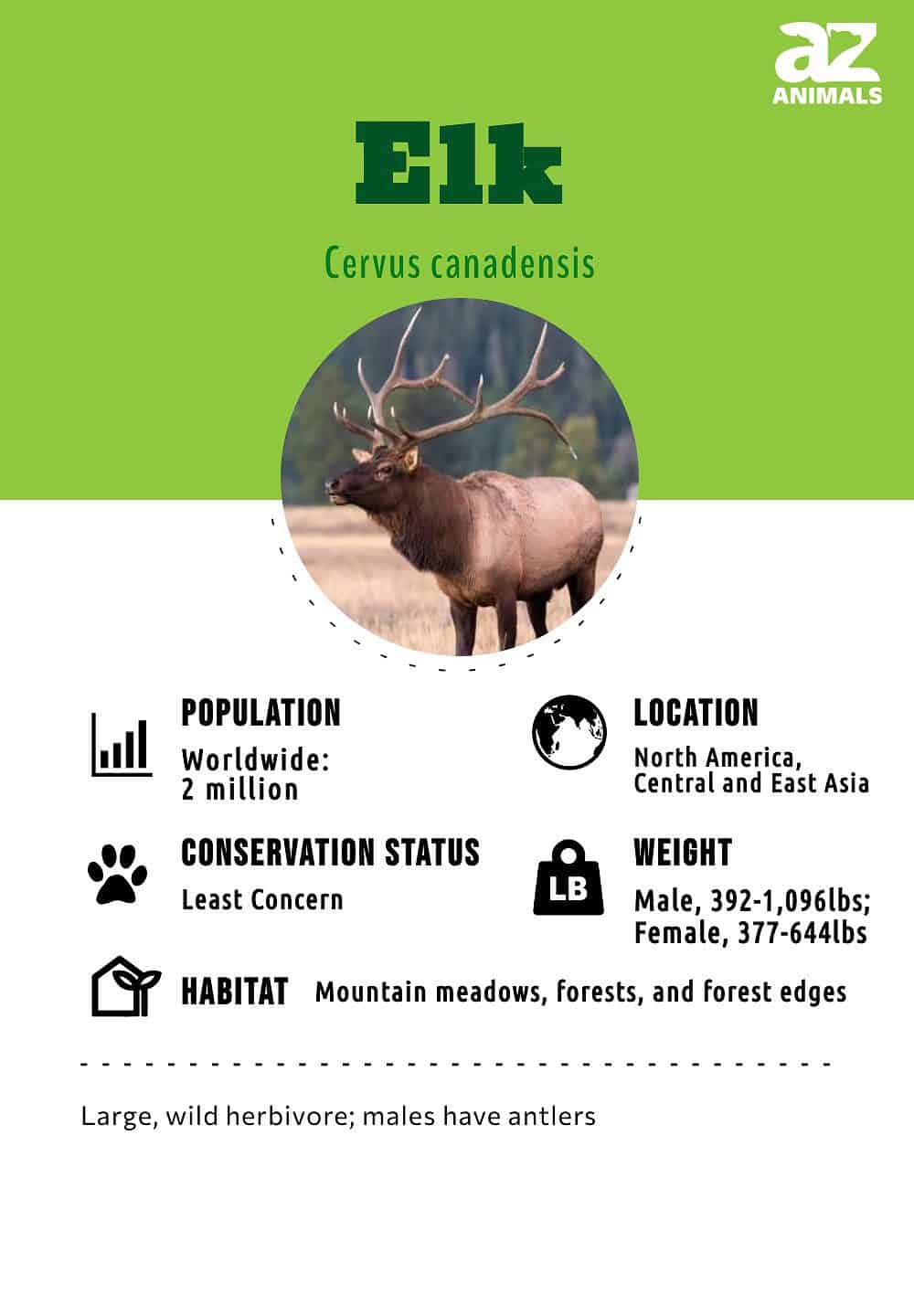
Elk are one of the largest deer species, but their lifespan is not the longest among deer. Here’s how they compare with other common members of the deer family:
| Species | Wild Lifespan | Captive Lifespan |
|---|---|---|
| Elk | 8-12 years | 16-20 years |
| White-tailed Deer | 4-7 years | 10-15 years |
| Moose | 10-15 years | 20-25 years |
| Red Deer | 10-13 years | 18-20 years |
Non-obvious Insights About Elk Lifespan
One thing beginners often miss is that elk populations can have a very young age structure even in healthy herds. This means most elk you see are not old; they are usually between two and six years old. This is because of natural dangers and hunting.
Another point is that antler size does not always mean an elk is old. Some bulls grow large antlers at a young age if they have good food and genetics. Hunters and wildlife watchers sometimes think a bull with big antlers is very old, but that is not always true.
Why Elk Lifespan Matters
Understanding how long elk live helps wildlife managers make smart decisions. If herds have too many old or young elk, it can change how the herd grows. When managers know the average lifespan, they can set better hunting rules and protect important habitat.
For people who enjoy watching elk or taking photos, knowing about elk lifespan helps you understand what you see. Seeing a very old elk is rare and special.
How Humans Influence Elk Survival
People change elk lifespan in several ways:
- Hunting regulations: Good rules protect female elk and set limits on how many bulls can be taken.
- Habitat protection: Saving forests, meadows, and migration paths helps elk survive tough winters and raise more calves.
- Reducing disease spread: Managing disease outbreaks, especially chronic wasting disease, helps herds stay healthy.
- Roads and fences: Roads can lead to car accidents with elk. Fences can block migration and cause injury, especially to calves.
Some areas build wildlife crossings over roads or limit hunting in certain seasons. These actions can increase the number of elk that reach old age.
What Makes An Elk Old?
In the wild, an elk over 10 years is considered old. These elk may have worn teeth, rough coats, and slower movements. Old bulls often lose dominance in the herd and may wander alone. Old cows may stop having calves.
In captivity, elk can live up to 20 years, but natural signs of aging still appear.
Surprising Facts About Elk Lifespan
- The oldest wild elk ever recorded lived to about 20 years, but this is extremely rare.
- In some national parks, elk live longer because hunting is not allowed, and predators are less common.
- In Europe, red deer (close relatives of elk) have set records of living over 25 years in captivity.
Frequently Asked Questions
How Long Do Elk Live In The Wild?
Elk in the wild usually live 8 to 12 years. Some may reach 15 years if they avoid predators, disease, and harsh winters. Females often live longer than males.
How Long Do Elk Live In Captivity?
In zoos or wildlife reserves, elk can live up to 20 years. This is because they get steady food, medical care, and are protected from predators and harsh weather.
Do Male Or Female Elk Live Longer?
Female elk (cows) usually live longer than male elk (bulls). Most bulls die before age 12, while cows can sometimes reach 15 years or more in the wild.
What Is The Biggest Threat To Elk Lifespan?
Predators are the main threat to young elk, while hunting, disease, and harsh weather affect adults. For captive elk, disease and old age are the main causes of death.
How Can We Help Elk Live Longer?
Protecting habitat, setting smart hunting rules, and controlling disease outbreaks can help elk populations stay healthy and allow more elk to reach old age. You can learn more about elk conservation at the National Wildlife Federation.
Elk are amazing animals with complex lives. By understanding how long elk live and the challenges they face, we can make better decisions to enjoy, protect, and respect these wild creatures for many years to come.