
Spotting elk antlers on the ground can feel like searching for treasure in the wild. For many outdoor lovers, finding a shed antler is more exciting than seeing the animal itself. These natural finds, called “sheds,” are dropped by elk every year, and each one tells a small story about the animal that wore it.
Whether you’re a beginner or someone who’s been hiking for years, learning to spot elk antlers can turn a simple walk into a rewarding adventure. Let’s explore what it really takes to find elk antlers, and how you can improve your chances.
Understanding Elk Antler Shedding
Before you head out, it helps to know when and why elk drop their antlers. Elk shed their antlers once a year, usually between late winter and early spring. Most bulls (male elk) will lose their antlers from February through April, though the exact timing can depend on age, health, and location. In some areas, you might find fresh sheds as late as May.
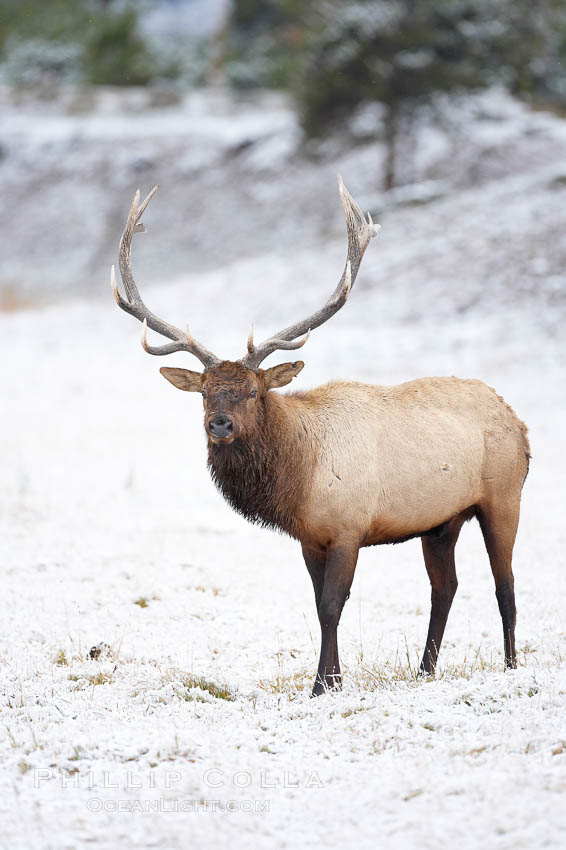
Elk antlers are made of bone and grow quickly each summer. After the breeding season (the rut) ends in fall, hormone levels drop, and the antlers become loose. Eventually, they fall off, leaving the bull to grow a new set next year.
Knowing this cycle can help you time your search for the best results.
Where To Look For Elk Antlers
Finding elk antlers is not only about luck—it’s about being in the right place at the right time. Here’s what to focus on:
1. Elk Winter Ranges
During winter, elk often move to lower elevations to escape deep snow and find food. These areas, called winter ranges, are prime spots for antler searching. Look for south-facing slopes, open meadows, and forest edges where elk feed and rest.
2. Bedding Areas
Elk spend a lot of time lying down to conserve energy in winter. Bedding areas are often on gentle slopes, under trees, or near ridges. You can spot these places by looking for flattened grass or patches of ground with elk hair.
Antlers often fall off as the elk stands up or lies down.
3. Feeding Zones
Open fields, meadows, and clear cuts where elk graze are good places to look for sheds. Elk may drop antlers while walking, feeding, or even sparring with other bulls. Pay attention to trails leading to and from feeding spots.
4. Travel Corridors
Elk use the same paths to move between bedding and feeding areas. These travel corridors often have heavy tracks and signs like droppings or chewed branches. Searching along these routes can increase your chances of finding antlers.
5. Water Sources
Like all animals, elk need water. Streams, ponds, and riverbanks are common places for elk activity. While not the highest-probability spots, checking near water can sometimes lead to a lucky find, especially if the terrain is rough and an antler gets knocked off.
How To Spot Elk Antlers: Key Techniques
You might walk right past an antler if you don’t know what to look for. Here are proven techniques to help you spot them:
1. Train Your Eyes
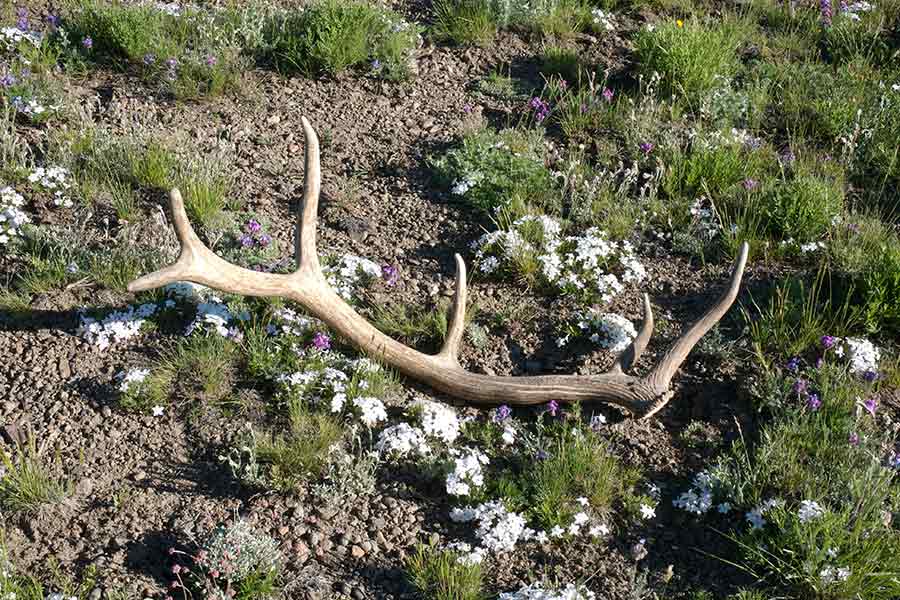
Antlers can blend in with sticks, grass, and snow. Practice looking for antler shapes—curves, points, and tines sticking up. Some people call this “antler eye.” Scan the ground ahead of you, not just your feet.
2. Use Light And Shadows
Early morning or late afternoon light casts long shadows that can help antlers stand out. The white tips or shiny surfaces can reflect sunlight, making them easier to see. Try walking with the sun behind you to catch these glints.
3. Move Slowly And Methodically
Walk slowly and scan carefully. Take a few steps, stop, and look around at different angles. Sometimes, an antler is visible only from a certain direction. Zigzag through likely areas to cover more ground.
4. Get To Higher Ground
Looking from a hill or ridge can give you a better view of the terrain. Sometimes you’ll see a tine or main beam poking out of the grass from above that you’d miss at ground level.
5. Focus On Recent Sign
Fresh elk tracks, droppings, and rubs (where elk scrape trees with their antlers) mean elk have been nearby. Search these areas more carefully, as recent activity increases your odds.
6. Don’t Overlook Obstacles
Antlers often get caught on logs, bushes, or rocks. Don’t just search open spaces—look under branches, around fallen trees, and inside thickets. Sometimes the best finds are just out of plain sight.
What Elk Antlers Look Like On The Ground
It’s easy to mistake a stick or root for an antler. Here are features to help you tell the difference:
- Color: Freshly shed antlers are brown with creamy white tips. Older sheds turn gray or even green from weather and moss.
- Texture: Antlers have a smooth, hard feel. The base (burr) is knobby, while the tines are more pointed and shiny.
- Shape: Look for curves, forks, and points. Elk antlers are larger and more sweeping than deer antlers, with multiple tines (usually 4-7 per side).
- Size: A mature elk antler can be 3 to 5 feet long and weigh over 10 pounds.
Here’s a quick comparison of elk antlers versus other common finds:
| Feature | Elk Antler | Deer Antler | Stick/Root |
|---|---|---|---|
| Color | Brown/White | Gray/Brown | Brown/Gray |
| Texture | Smooth, hard | Smoother, smaller | Rough, fibrous |
| Weight | Heavy (5-10 lbs) | Lighter (1-3 lbs) | Light to medium |
| Shape | Curved, multi-tined | Forked, smaller | Straight, irregular |
Essential Gear For Antler Hunting
You don’t need much to get started, but a few items can make your hunt more comfortable and successful:
- Sturdy boots: Elk country can be rough and muddy.
- Backpack: For carrying found antlers, water, snacks, and gear.
- Gloves: Protect your hands from thorns or sharp antler points.
- GPS or smartphone: Mark where you find sheds for future trips.
- Binoculars: Spot distant shapes in open areas.
- Map and compass: Never rely only on your phone in remote areas.
Some experienced shed hunters use trekking poles to move brush aside or check thick cover without bending over.
Safety And Ethics While Shed Hunting
It’s exciting to look for antlers, but safety and respect for wildlife come first. Here are some key points:
- Follow local laws: Some areas restrict shed hunting during certain months to avoid stressing animals. Always check the rules.
- Respect private property: Never cross fences or gates without permission.
- Leave no trace: Pack out trash and avoid damaging plants or disturbing wildlife.
- Be careful in rough terrain: Watch your footing, especially on steep slopes, snow, or near water.
One thing beginners often forget is that late winter and early spring are tough times for elk. If you chase or disturb them, it can harm their health. Give animals plenty of space and keep noise to a minimum.
Common Mistakes To Avoid
- Rushing: Walking too quickly means you miss antlers hidden under grass or brush.
- Ignoring weather: Rain, snow, or bright sunlight can make antlers harder to see.
- Focusing only on open areas: Many antlers are dropped in thick cover or near obstacles.
- Hunting too early or late: Antlers may not have dropped yet, or others may have already picked them up.
- Not marking finds: If you don’t record where you’ve searched, you might repeat unproductive areas.
A less obvious mistake is failing to look for paired antlers. If you find one, the matching side is often close—sometimes within 100 yards. Search carefully nearby.
Advanced Tips For Finding More Antlers
Even if you’re experienced, there are ways to boost your success:
- Study elk behavior: Learn their habits, migration routes, and seasonal changes in your area.
- Network with locals: Other hunters, hikers, or wildlife officers often know good spots.
- Go after storms: Strong wind or snow can knock loose antlers to the ground.
- Use maps and satellite images: Tools like Google Earth help you find likely winter range and travel corridors.
- Keep a journal: Record dates, locations, weather, and results to find patterns over time.
Here’s a simple comparison of searching in different types of terrain:
| Terrain Type | Antler Visibility | Effort Required | Best Time |
|---|---|---|---|
| Open Meadow | High | Low to Moderate | Morning/Evening |
| Thick Forest | Low | High | Midday (better light) |
| Hillsides | Medium | Moderate | Anytime |
What To Do After You Find An Antler
Finding An Elk Antler Is Exciting, But What Next?
- Take photos: Document your find with clear pictures.
- Check for legality: In some places, you need a permit to collect or sell antlers.
- Clean the antler: Remove dirt with water and a brush. For a deeper clean, use mild soap.
- Store properly: Keep antlers in a cool, dry place to prevent cracking or mold.
- Share your story: Many hunters and hikers enjoy sharing their finds online or with friends.
Some people use antlers for decoration, crafts, or even as dog chews. Others just keep them as a memory of their adventure.
Two Insights Beginners Often Miss
- Antlers are often chewed by rodents: Mice, squirrels, and porcupines love to gnaw on shed antlers for minerals. Sometimes only the base or a few tines remain, so don’t dismiss chewed pieces—they’re still a great find.
- Public land gets picked over quickly: If you’re searching in a popular area, consider hiking farther from roads and trails. The best finds often come from remote places where fewer people go.
Conservation And The Bigger Picture
Elk antlers are more than a trophy—they are part of the ecosystem. Rodents and other animals use the calcium and nutrients in antlers for survival. Collecting a few sheds is fine, but taking too many can impact local wildlife. Always follow local guidelines and think about your impact.
If you want to learn more about elk biology and conservation, the National Park Service has excellent resources.
Frequently Asked Questions
How Long Do Elk Antlers Stay On The Ground?
Elk antlers can last for years if left undisturbed, but most are chewed by rodents or weathered down within one or two seasons. In wet areas, they break down faster.
When Is The Best Time To Look For Elk Antlers?
Late winter to early spring (February to April) is the best time, right after elk shed their antlers. Searching too early means the antlers may not have dropped yet.
Can You Sell Elk Antlers?
Yes, in many places you can sell shed antlers, but some states or countries have rules. Always check local laws before selling.
How Can You Tell The Difference Between Elk And Deer Antlers?
Elk antlers are larger, have more tines, and a sweeping shape. Deer antlers are smaller and more forked. The base of an elk antler is also much bigger.
Is It Legal To Collect Elk Antlers Everywhere?
No, some areas protect antlers or restrict collecting to certain seasons to protect wildlife. Always check with local wildlife agencies for current rules.
Finding elk antlers on the ground is a mix of skill, patience, and respect for nature. With the right approach, every trip outdoors can bring the excitement of discovery and a deeper connection to the wild world.