Elk are among the world’s most impressive wild animals. Their size, antlers, and majestic presence have captured human imagination for centuries. But if you’ve ever wondered, “What is the largest elk species? ”—the answer leads to a fascinating world of animal biology, history, and conservation.
Every continent has stories of giant elk, but true facts often surprise even wildlife enthusiasts. Let’s look closer at which elk species really claim the crown for size, how they compare, and what makes them unique.
Understanding Elk: The Basics
The word elk means different things in different places. In North America, “elk” usually refers to Cervus canadensis, also known as the wapiti. In Europe and Asia, “elk” often means the animal North Americans call the moose (Alces alces). This confusion sometimes leads to myths about size and range.
For this article, we focus on the Cervus genus—the true elk or wapiti species—and not moose. But we’ll briefly compare them for clarity.
The Largest Elk Species: Roosevelt Elk
Among all recognized elk, the Roosevelt elk (Cervus canadensis roosevelti) is the largest living subspecies. Native to the dense rainforests of the Pacific Northwest, especially in the United States and Canada, Roosevelt elk stand out for their body mass, antler size, and adaptability.
Physical Characteristics
Roosevelt elk are massive. Adult bulls (males) can reach:
- Weight: 700 to 1,100 pounds (320 to 500 kg), with some rare individuals exceeding 1,200 pounds (545 kg)
- Height at shoulder: 3.5 to 5 feet (1.1 to 1.5 meters)
- Body length: Up to 8 feet (2.4 meters) from nose to tail
Females (cows) are smaller, typically weighing between 575 and 625 pounds (260 to 285 kg).
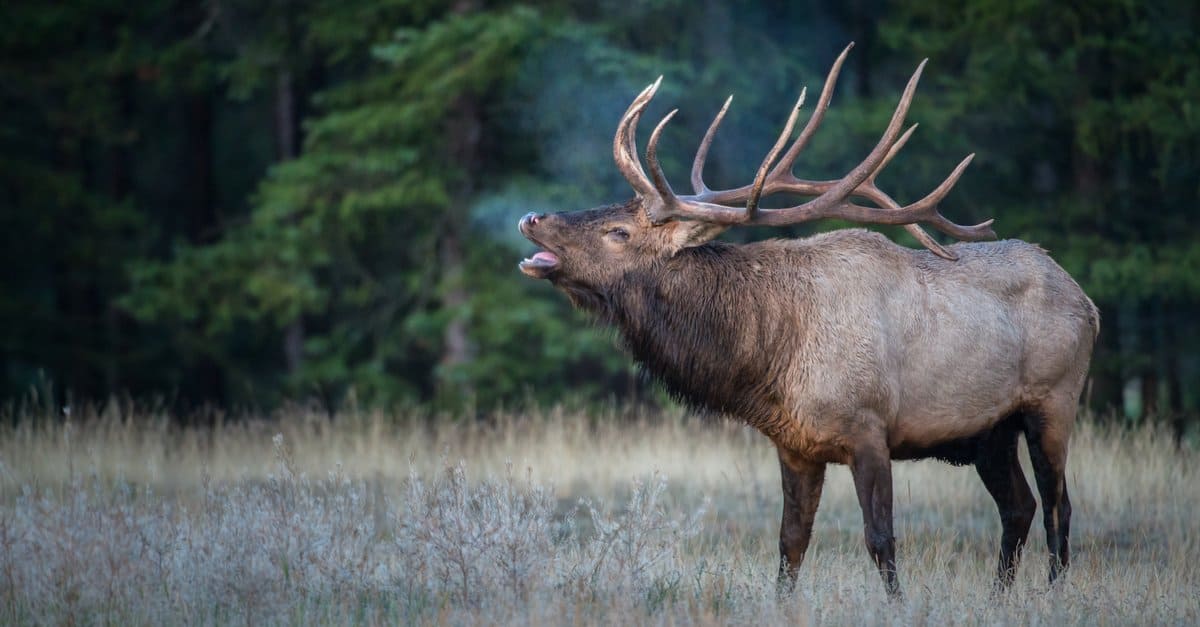
Their coats are dark brown, with a lighter-colored rump patch. Antlers of mature bulls can stretch up to 4 feet (1. 2 meters) in length, though their antlers are often heavier and more massive than those of other elk, rather than just long.
Habitat And Range
Roosevelt elk live mainly in:
- Coastal forests of Oregon and Washington (USA)
- Northern California
- Parts of British Columbia (Canada)
- Some reintroduced populations in Alaska
They prefer thick forests, river valleys, and meadows. The temperate rainforest climate allows them to find food year-round, contributing to their large size.
Diet And Behavior
Roosevelt elk are grazers and browsers. They eat:
- Grasses
- Shrubs
- Tree bark and leaves
They move in herds and are most active in the early morning and late afternoon.
Why Are They The Largest?
The coastal climate, rich vegetation, and mild winters of the Pacific Northwest create perfect conditions for growth. Unlike elk in harsh, snowy climates, Roosevelt elk rarely face food shortages, allowing them to reach their full genetic potential.
How Roosevelt Elk Compare To Other Elk Subspecies
Today, there are several recognized subspecies of elk, each with unique traits. Here’s how Roosevelt elk compare to others.
| Subspecies | Average Bull Weight (lbs) | Shoulder Height (ft) | Main Range |
|---|---|---|---|
| Roosevelt Elk | 850–1,100 | 4.5–5 | Pacific Northwest (USA/Canada) |
| Rocky Mountain Elk | 700–1,000 | 4–5 | Western US, Canada |
| Tule Elk | 400–700 | 3.5–4.5 | Central California |
| Manitoban Elk | 600–1,000 | 4–5 | Central Canada, North Dakota |
Roosevelt elk are heavier on average than all other subspecies. Rocky Mountain elk can have longer antlers, but their bodies are not as massive.
Antler Size
Elk are famous for their antlers. Here’s a quick comparison:
| Subspecies | Average Antler Length (ft) | Antler Mass |
|---|---|---|
| Roosevelt Elk | 3.5–4 | Very heavy |
| Rocky Mountain Elk | 4–5 | Less massive, more spread |
| Tule Elk | 2.5–3 | Light |
| Manitoban Elk | 3.5–4 | Moderate |
Insight: Many people believe the biggest antlers always mean the biggest elk. In fact, antler size depends on age, genetics, and food—not just body size. Roosevelt elk have the heaviest antlers, but Rocky Mountain elk may have longer or wider racks.
A Brief Look At Extinct Giants: The Irish Elk
No discussion about the largest elk is complete without mentioning the Irish elk (Megaloceros giganteus). This extinct species, sometimes called the “giant deer,” lived across Eurasia during the last Ice Age.
Size And Features
- Weight: Up to 1,500 pounds (680 kg)
- Shoulder height: Over 7 feet (2.1 meters)
- Antler span: Up to 12 feet (3.6 meters) wide
These prehistoric deer were not true elk (they belonged to a different genus), but their size and antlers were unmatched by any living deer or elk today.
Why The Irish Elk Is Not The Largest Elk Today
Despite its name, the Irish elk is not closely related to modern elk or wapiti. Scientists believe it was more similar to the fallow deer. The Irish elk went extinct about 7,700 years ago, likely due to climate change and hunting by early humans.

Roosevelt Elk Vs. Moose: Clearing Up The Confusion
Because of language differences, many people compare elk and moose. In Europe, the word “elk” means “moose. ” But in North America, “elk” means wapiti.
Size Comparison
| Animal | Average Bull Weight (lbs) | Shoulder Height (ft) | Antler Span (ft) |
|---|---|---|---|
| Moose (Alces alces) | 900–1,600 | 5–6.5 | 5–6.5 |
| Roosevelt Elk | 850–1,100 | 4.5–5 | 3.5–4 |
Moose are larger than all elk species and have broader antlers shaped like paddles, not points. However, moose are not considered true elk.
Notable Roosevelt Elk Records
Some Roosevelt elk have reached legendary proportions. For example:
- The world record Roosevelt elk antlers, taken in Oregon, measured over 419 inches in total Boone & Crockett score.
- The heaviest recorded Roosevelt elk weighed over 1,300 pounds (590 kg), though such sizes are rare.
These records show the impressive potential of this species. However, most wild Roosevelt elk are smaller than these record-holders.
Insider tip: Mature bulls only carry their largest antlers for a short time. After the breeding season, they shed antlers and regrow them each year. This cycle means not all big bulls are easy to identify outside the fall.
Conservation Status And Challenges
Roosevelt elk were once threatened by overhunting and habitat loss. Today, their populations are more stable, thanks to conservation efforts.
Key Conservation Facts
- Protected in many national and state parks, including Olympic National Park (Washington) and Redwood National and State Parks (California)
- Reintroduced to areas in Alaska and British Columbia
- Still face threats from habitat loss, road accidents, and poaching
Non-obvious insight: Roosevelt elk need large, undisturbed forests with access to river valleys. They are sensitive to human disturbance, especially during calving and rutting seasons.
Role In Ecosystems
Roosevelt elk help shape their environment. Their grazing and browsing open up meadows, create habitat for other species, and spread seeds. Healthy elk populations support predators like wolves and bears.
Roosevelt Elk In Culture And History
Native American tribes have long respected Roosevelt elk for their meat, hides, and antlers. Early European settlers admired their size and strength.
The subspecies is named after President Theodore Roosevelt, a passionate conservationist who helped protect their habitat. Today, Roosevelt elk symbolize wild America’s beauty and resilience.
How To Identify A Roosevelt Elk In The Wild
If you’re lucky enough to visit the Pacific Northwest, here’s how to spot a Roosevelt elk:
- Size: Noticeably larger and bulkier than other deer or elk
- Color: Dark brown body, lighter tan rump
- Antlers: Heavy, relatively short compared to Rocky Mountain elk
- Habitat: Dense, moist forests, especially near rivers or meadows
Look for tracks, droppings, and rubbed trees where bulls polish their antlers. Remember to keep a safe distance—elk are wild and can be dangerous if startled.
Largest Elk Species In Other Regions
While Roosevelt elk are the largest in North America, other regions have notable elk populations:
- Rocky Mountain elk: Common in the western United States and Canada. Slightly smaller but with longer antlers.
- Manitoban elk: Found in central Canada and the northern US. Large but less massive than Roosevelt elk.
- Tule elk: Smallest North American subspecies, found only in California.
- Asian wapiti: Found in Russia, Mongolia, and central Asia. Sizes vary, but none match the Roosevelt elk for mass.
Important note: Some extinct subspecies, like the Eastern elk and Merriam’s elk, were also very large but disappeared due to human activity.
The Future Of The Roosevelt Elk
Protecting the largest elk species means safeguarding old-growth forests, keeping rivers clean, and reducing conflicts with people. Conservationists monitor populations, study migration routes, and work with local communities to keep elk and humans safe.
Climate change adds new challenges, such as altering food supplies and increasing disease risks. Ongoing research and cooperation are crucial for the survival of these giants.
For more information on elk and their conservation, you can visit the Wikipedia page on Roosevelt elk.
Frequently Asked Questions
What Is The Largest Elk Species Alive Today?
The Roosevelt elk is the largest living elk species by body mass. Bulls can weigh over 1,100 pounds and stand up to 5 feet at the shoulder.
Are Moose And Elk The Same Animal?
No. In North America, moose (Alces alces) are much larger than elk and have different antler shapes. In Europe, “elk” is the word for moose, which can cause confusion.
Where Can I See Roosevelt Elk In The Wild?
You can see Roosevelt elk in the Pacific Northwest, especially in Olympic National Park (Washington), Redwood National and State Parks (California), and parts of British Columbia.
How Are Roosevelt Elk Different From Rocky Mountain Elk?
Roosevelt elk are bulkier and heavier, with shorter but thicker antlers. Rocky Mountain elk are slightly taller, have longer antlers, and live in more open, mountainous areas.
Did The Irish Elk Really Exist, And Was It Bigger Than Today’s Elk?
Yes, the Irish elk was real and much larger than modern elk, with antlers that could reach 12 feet wide. But it was not a true elk and has been extinct for thousands of years.
Elk hold a special place in the world’s wild places. The Roosevelt elk, largest of its kind, stands as a symbol of nature’s power and the importance of conservation. Learning about these giants is the first step in making sure they remain part of our forests for generations to come.