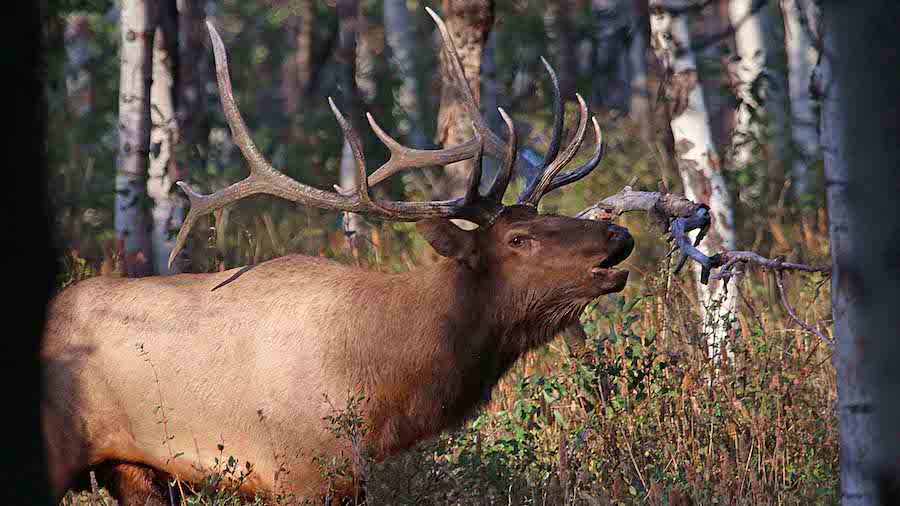
Can Elk Be Domesticated?
Most people imagine elk as wild animals roaming forests and open fields, rarely interacting with humans. But the idea of domesticating elk sparks curiosity. Could these majestic creatures ever live alongside humans as cattle or horses do? This question is more complex than it first appears. To fully understand if elk can be domesticated, we need to look at their biology, history, behavior, and what it truly means to domesticate an animal.
What Does “domestication” Mean?
Domestication is not the same as taming. Tamed animals are trained to accept humans, but they still keep their wild instincts and can return to the wild. Domesticated animals, like cows and dogs, have been bred over many generations to live with humans and serve human needs.
To be considered truly domesticated, an animal must:
- Tolerate close human contact over many generations
- Reproduce well in captivity
- Show changes in behavior and body shape compared to wild ancestors
- Be able to be managed and bred by people
Elk have been kept in captivity and tamed in some cases, but does that mean they can be domesticated? Let’s dig deeper.
Elk Biology And Natural Behavior
Understanding why certain animals become domesticated starts with their natural behaviors. Elk, also called wapiti, are one of the largest species in the deer family. They live in North America and parts of Asia.
Elk are:
- Large, powerful animals: Bulls can weigh 700 pounds or more
- Social but wary: They live in herds but are always alert for danger
- Migratory: In the wild, elk move great distances with the seasons
- Territorial during mating season: Males can be aggressive and unpredictable
These traits already present some challenges for domestication. Animals that are easily startled, aggressive, or require large areas to roam are harder to domesticate.
History Of Elk And Human Interaction
Throughout history, humans have tried to use elk for various purposes. Native peoples in North America hunted elk for meat, hides, and antlers. In the 20th century, some ranchers began raising elk for velvet antlers, meat, and even as exotic livestock. However, elk farming is rare compared to cattle or sheep farming.
Attempts to domesticate elk have been limited and, in most cases, not fully successful. Elk are still considered wild animals, even when raised on farms. They do not show the same behavioral changes seen in truly domesticated animals.
Comparing Elk To Domesticated Animals
Why were animals like cows, sheep, and horses successfully domesticated, but not elk? A side-by-side comparison helps clarify the main differences.
| Trait | Elk | Cattle | Sheep |
|---|---|---|---|
| Size | Very large | Large | Medium |
| Social structure | Herd, but wary | Herd, docile | Herd, docile |
| Breeding in captivity | Difficult | Easy | Easy |
| Temperament | Unpredictable | Calm | Calm |
| Migration need | Strong | Low | Low |
From the table, elk are less suited to close human management due to their size, temperament, and strong migratory instincts.
Challenges Of Domestication
Several key factors make elk difficult to domesticate:
1. Reproduction In Captivity
Elk are slow to breed in captivity. Females often become stressed, which lowers their reproductive rates. Calves can also be hard to raise by hand, and elk mothers are easily disturbed, sometimes even abandoning their young.
2. Aggression And Safety
During the rut (mating season), male elk become extremely aggressive. They may attack other elk, fences, or even humans. Managing these animals requires strong barriers and great caution.
3. Escape Artists
Elk are excellent jumpers and runners. Fences for elk must be at least 8 feet tall, much higher than for cattle or sheep. Even with these barriers, elk sometimes escape, which is both a safety risk and a financial loss for farmers.
4. Diet And Grazing
Elk have specialized grazing needs. They prefer a mix of grasses, leaves, and sometimes bark. If their diet is not right, they do not thrive in captivity.
5. Disease And Parasites
Elk can spread or catch diseases from other livestock, especially if kept in close quarters. Managing their health is more complex than with truly domesticated species.
Modern Elk Farming
Despite the challenges, elk are sometimes raised on farms, mainly in North America, New Zealand, and parts of Asia. Farmers raise elk for:
- Velvet antlers: Harvested for use in traditional Asian medicine
- Meat: Leaner and considered a delicacy in some markets
- Breeding stock: Sold to other farms or for wildlife management
However, these elk are not truly domesticated; they are captive wild animals. They require strong fencing, careful handling, and often sedation for procedures like antler removal.
Elk Farming Vs. Cattle Farming
A direct comparison shows why elk farming remains a niche.
| Aspect | Elk Farming | Cattle Farming |
|---|---|---|
| Ease of management | Difficult, requires special skills | Well-understood, easier |
| Fencing requirements | High, expensive | Moderate, cheaper |
| Market demand | Small, specialty | Large, global |
| Animal temperament | Wary, sometimes aggressive | Mostly docile |
Elk are more challenging and less profitable to raise compared to cattle.
Why Haven’t Elk Been Domesticated?
The story of elk and domestication reveals important insights. Here are reasons why elk have not followed the path of cattle or sheep:
- Behavioral traits: Elk remain wary and alert, even after generations in captivity.
- Breeding: They have a longer reproductive cycle and do not breed as easily in captivity.
- Aggression: Males are dangerous during the rut, making handling risky.
- Migration: Elk need large areas and do not adapt well to confinement.
- Human selection: There has not been strong, long-term selection for docility and other domestic traits in elk.
A critical but less obvious insight: the process of domestication takes thousands of years and requires constant selection for traits that make animals easier to handle and breed in captivity. Humans domesticated cattle, sheep, and goats in the ancient world because these animals already had some natural traits that made domestication possible—elk simply do not.
The Difference Between Taming And Domestication
Many people confuse taming with domestication. It is possible to tame individual elk—especially if raised from a young age. These elk may accept food from humans or even show some affection. But this does not change their wild genetics. If released, they quickly return to wild behavior.
True domestication changes an animal’s DNA over generations. For example, dogs are domesticated wolves, but their behavior, body shape, and needs are very different from wild wolves.
Elk In Captivity: What’s Possible?
Elk can be kept in wildlife parks, game farms, and breeding centers. With careful management, they can be raised for antlers or meat. Some zoos have successfully kept elk for public display.
However, these elk still need:
- Large enclosures
- Tall fencing
- Low-stress handling
- Special diets
Even after many generations, captive elk can be unpredictable, especially during mating season. They are not safe or practical as pets or for small family farms.
Ethical And Environmental Considerations
Trying to domesticate elk also raises ethical and environmental questions:
- Welfare: Elk kept in small spaces may become stressed or unhealthy.
- Escape and hybridization: Escaped farm elk can breed with wild elk, spreading diseases or changing wild populations.
- Biodiversity: Focusing on raising elk for profit could reduce their wild numbers and harm natural ecosystems.
Responsible wildlife management is key to protecting elk populations and their habitats.
Two Insights Beginners Miss
- Domestication is a long genetic process: Many think keeping elk in captivity for a few generations is enough. In reality, true domestication requires centuries of selective breeding for specific traits—something never done with elk at scale.
- Elk have unique social needs: Unlike cattle, elk are shaped by their need to migrate and avoid predators. Even in fenced areas, they often show stress behaviors like pacing or fence-walking, which affects their health and productivity.
Could Elk Be Domesticated In The Future?
It is not impossible—but it would take many generations of careful breeding for docility, easy reproduction, and reduced aggression. The cost and effort would be enormous, with no guarantee of success. There is also less economic incentive compared to cattle or sheep, which already fill most human needs for meat, hides, and milk.
Some scientists argue that it is better to focus on conserving wild elk populations and their natural habitats rather than trying to force domestication.
Real-world Examples
- In New Zealand, elk (often called wapiti) have been crossbred with red deer to create bigger, more productive animals for venison and velvet antler production. These hybrids are still not truly domesticated, but they are better suited to farm life than pure elk.
- In North America, elk ranches exist, but the animals remain skittish and unpredictable, and escapes are a recurring problem.
- Russia and China have also experimented with elk farming, but with similar results: Elk remain difficult to handle and require intense management.
For a deeper look into domestication, the famous book “Guns, Germs, and Steel” by Jared Diamond explores why some animals, but not others, became domesticated. Read more at Wikipedia: Domestication.
Frequently Asked Questions
Can Elk Be Kept As Pets?
No, elk are not suitable as pets. They are large, powerful, and unpredictable, especially during mating season. Even tamed elk can become dangerous.
Is Elk Meat Safe And Legal To Eat?
Yes, elk meat is lean, nutritious, and sold in some markets. Regulations depend on your country or state, and farmed elk must be raised and processed according to local laws.
How Long Do Elk Live In Captivity?
Elk can live 15–20 years in captivity if well cared for. However, stress and poor management can shorten their lifespan.
What Is Velvet Antler, And Why Do People Farm Elk For It?
Velvet antler is the soft, growing antler tissue harvested from male elk before it hardens. It is used in traditional medicines, especially in Asia, believed to have health benefits.
Can Elk And Deer Interbreed?
Elk can crossbreed with some types of deer, such as red deer, producing hybrids. However, they do not naturally breed with smaller deer species like white-tailed or mule deer.
Elk are fascinating animals, but true domestication remains out of reach for now. Their wild spirit, complex needs, and challenging behavior make them better suited to the forests and mountains than the farmyard. For most people, the best way to appreciate elk is to see them in the wild, where they truly belong.