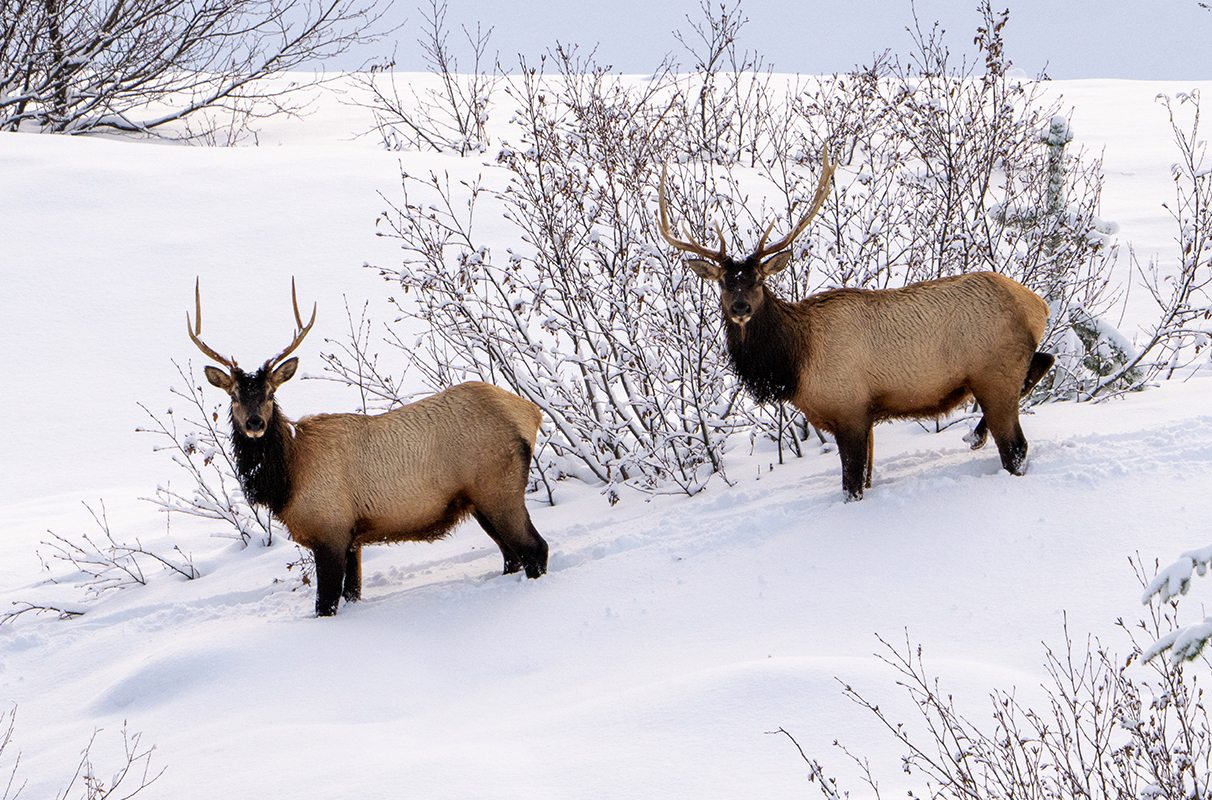
Winter in the wild is a test of survival. For large animals like elk, snow brings new challenges every year. But elk are not easily defeated by ice and cold. Their bodies, behaviors, and instincts have evolved to handle even the toughest winters.
Understanding how elk deal with snow helps us appreciate the clever ways nature adapts to harsh climates.
Elk And Their Winter World
Elk, also called wapiti, live in regions where winter snow is common—like the Rocky Mountains and northern forests. Deep snow can cover food, make walking hard, and bring freezing temperatures. Yet, millions of elk survive, and even thrive, through months of snow and ice.
The secrets lie in their bodies, their movements, and their social habits.
Physical Adaptations For Snow
Insulating Fur
One of the elk’s most powerful tools is its thick winter coat. As fall begins, elk grow a second layer of fur called the undercoat. This undercoat is made of fine, woolly hairs that trap warm air against the skin. Over this, longer guard hairs keep moisture and wind away.
The result is impressive: studies show an elk’s winter fur can be so effective that snow sits on their back without melting, proving how well it holds in heat. This insulation helps elk conserve energy and avoid hypothermia even in temperatures that drop below -30°C (-22°F).
Large Body Size
Elk are among the largest members of the deer family. A big body loses heat more slowly than a small one, thanks to the surface area to volume ratio. Elk cows (females) weigh around 225 kg (500 lbs), and bulls (males) can reach 320 kg (700 lbs) or more. This mass gives them a better chance of staying warm when the snow piles up.
Specialized Hooves
Walking in snow is tough, but elk have wide, hard hooves that spread their weight. This acts like a natural snowshoe, letting them “float” more easily on top of snow instead of sinking deeply with every step. These hooves can also dig through snow to reach buried plants.
Fat Reserves
Before winter, elk eat as much as possible to build up fat reserves. This fat acts as stored energy. When deep snow covers food, elk can survive for weeks using these reserves, slowly losing weight but staying alive until spring returns.
Behavioral Strategies
Migration To Lower Elevations
One of the most effective ways elk deal with snow is by migrating. As snow deepens in the mountains, elk move to lower valleys where snow is thinner and food is easier to find. Some herds travel over 100 miles (160 km) each year. These migrations are so regular that scientists can predict where elk will spend winter.
Following Wind And Sun
Elk are smart about choosing where to feed. They look for wind-blown slopes and south-facing hillsides. The wind and sun keep these areas less snowy, exposing grass and shrubs. By focusing on these places, elk waste less energy digging for food.
Trail Creation
When snow is deep, elk often travel in single file, creating “trails” through the snow. The first animal does the hardest work, breaking the path. Others follow, using the packed snow to walk more easily. This teamwork saves energy for the whole herd.
Group Living
Elk gather in larger groups during winter. Group living offers several benefits:
- Easier trail-making through snow
- Better protection from predators like wolves
- More eyes to find food and danger
Selective Feeding
Elk change their diet in winter. In summer, they eat grasses and forbs. But when snow covers the ground, they switch to woody plants, like aspen twigs, willow, and bark. These foods are less nutritious but easier to find above the snow.
How Snow Depth Affects Elk
Snow is not just a cold inconvenience. It shapes almost every part of an elk’s winter life. The deeper the snow, the harder it is for elk to move and eat. Scientists often measure snow depth when studying elk survival rates.
Here’s a look at how different snow depths affect elk:
| Snow Depth | Elk Mobility | Food Access | Energy Cost |
|---|---|---|---|
| 10 cm (4 in) | Easy walking | Most food accessible | Low |
| 30 cm (12 in) | Slower movement | Some grass buried | Moderate |
| 60 cm (24 in) or more | Very difficult | Mostly buried | High |
When snow is above 60 cm, elk spend much more energy just moving and finding food. This is why migration and fat reserves are so crucial for survival.
Predators And Snow: A Double Challenge
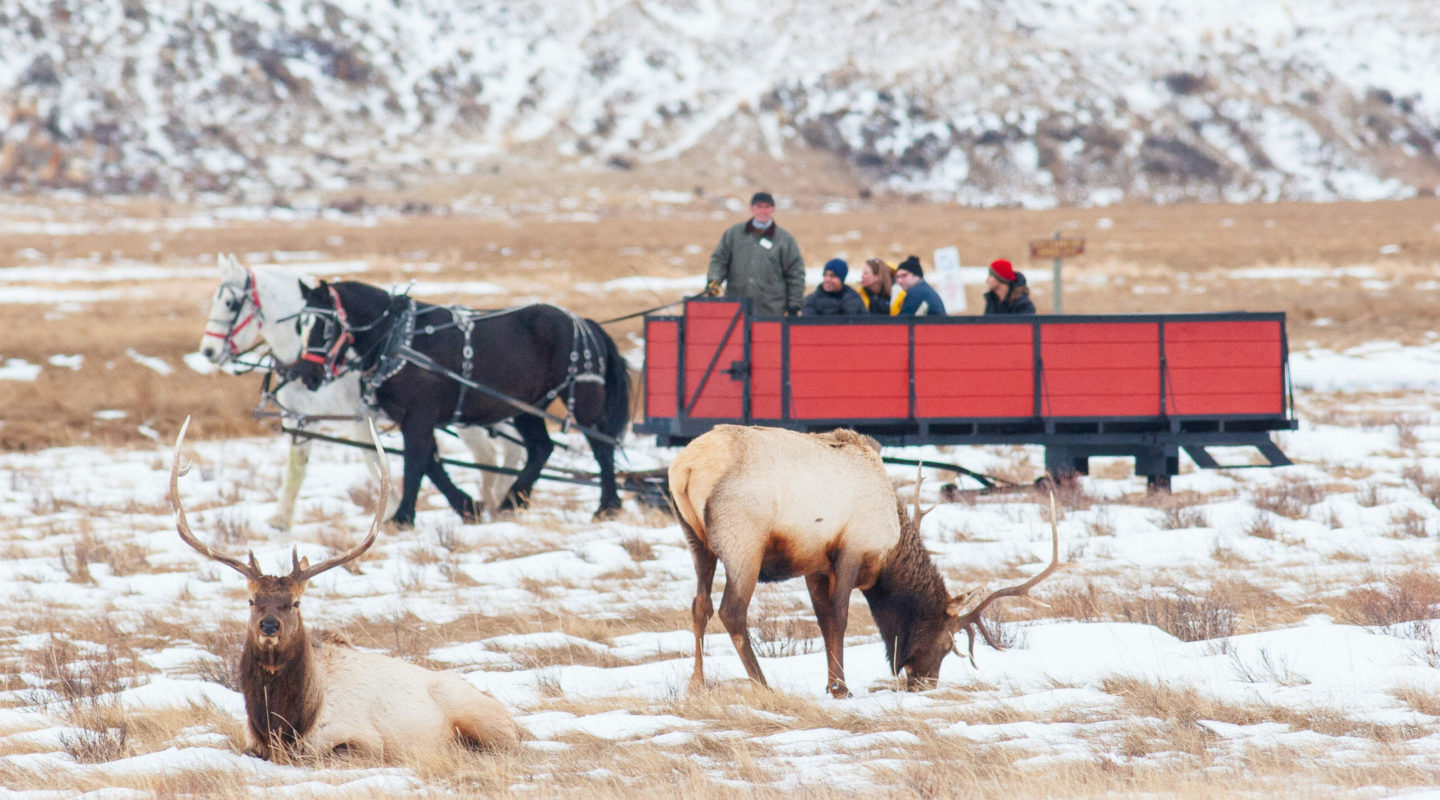
Winter is not just about snow for elk—it’s also the season when predators, like wolves, find it easier to hunt. Deep snow slows elk but not always their hunters. Wolves have narrower bodies and large feet, letting them travel over snow more efficiently.
Let’s compare elk and wolf movement in snow:
| Animal | Snow Adaptation | Winter Survival Tactic |
|---|---|---|
| Elk | Wide hooves, fat reserves, migration | Group defense, trail-making |
| Wolf | Large paws, light body, endurance | Pack hunting, targeting weak elk |
Predation is a real threat, especially for calves and older elk. Deep snow can trap elk, making them easier targets. This is one reason elk prefer to stay in large groups and open areas where they can spot danger.
Energy Management: The Balancing Act
Every winter, elk must balance energy intake (food) and energy use (movement, warmth). Too much movement wastes fat. Too little food leads to starvation. Elk have developed careful strategies to manage this balance:
- Minimizing movement: Elk often bed down for much of the day, standing up only to feed or move to a new area.
- Using trails: By sticking to established paths, elk avoid the hardest work of breaking new snow.
- Feeding at dawn and dusk: Elk prefer to eat when temperatures are slightly warmer, reducing the energy spent staying warm.
- Choosing sheltered spots: Bedding under trees or on south-facing slopes helps avoid wind and extreme cold.
It’s not unusual for elk to lose 10–20% of their body weight by spring. Healthy elk can survive this loss, but those that enter winter with little fat are at higher risk.
Human Impact On Elk In Snow
Humans have changed elk winter survival in many ways. Roads, fences, and cities can block migration paths, forcing elk to stay in snowy areas with poor food. In some regions, wildlife agencies provide supplemental feeding to keep elk from starving.
However, feeding elk can create problems:
- Disease spread: Large groups at feeding sites can spread illnesses like brucellosis.
- Loss of natural behaviors: Relying on humans may weaken instincts over generations.
- Predator attraction: Feeding sites can attract wolves and cougars.
The best way to help elk is often to protect migration corridors and winter habitats, not just provide food.
Non-obvious Insights About Elk And Snow
While most people understand that elk migrate and have thick fur, there are some less obvious facts about how they handle snow:
- Elk can sense snow hardness: Not all snow is equal. Crusty or icy snow is harder to walk on and can cut elk legs. Elk often test the snow with their hooves before walking far.
- Older elk lead migration: Experience matters. Mature cows often lead herds to the safest wintering grounds, passing knowledge from generation to generation.
- Calves are more vulnerable: Young elk struggle in deep snow more than adults. Herds may move more slowly to help calves keep up, even if it means finding less food.
- Antlers help break branches: Bull elk sometimes use their antlers to knock down higher twigs and branches, giving themselves and others access to food above the snow.

Climate Change And The Future Of Elk In Snow
Climate change is altering snow patterns across elk habitats. Warmer winters can mean less snow some years, but more ice storms and unpredictable weather. This affects migration timing and food sources.
Interestingly, some elk populations are now staying at higher elevations longer, because snow is arriving later. But sudden storms or “rain on snow” events can create ice layers that are even harder for elk to break through than snow.
Conservation groups and scientists are closely monitoring these changes. Protecting flexible migration routes and healthy habitats will be key for elk survival in the decades ahead.
For more on elk, snow, and their ecological role, check out this Wikipedia article.
Frequently Asked Questions
How Do Elk Find Food Under Deep Snow?
Elk use their strong hooves to paw through snow and reach grass or plants below. When snow is too deep or icy, they switch to eating twigs, bark, and branches from trees and shrubs that stick above the snow.
Do Elk Ever Freeze To Death In Winter?
It’s rare for healthy elk to freeze, thanks to their insulating fur and fat reserves. Most winter deaths come from starvation, predation, or exhaustion, not direct cold.
Why Do Elk Migrate During Winter?
Elk migrate to lower elevations or valleys to escape deep snow and find easier food. Migration is a natural way to balance energy needs and avoid harsh conditions.
Can Elk Walk On Top Of Snow Like Some Animals?
Elk can walk on softer snow better than many animals because of their wide hooves. But they still sink in deep or soft snow, making movement hard. They often follow packed trails to save energy.
How Does Snow Affect Elk Herds?
Snow makes elk group together more closely for protection and efficiency. Herds help break trails, watch for predators, and find the best feeding spots. Deep snow can also slow herds down and make survival harder for calves and weaker members.
Winter will always test elk, but their blend of physical strength, smart behavior, and ancient instincts keeps them alive in the snow. Watching how elk deal with these challenges is a reminder of the power and beauty of adaptation in the natural world.