Watching elk in the wild is a special experience. These impressive animals, with their tall antlers and deep bugling calls, are a favorite for nature lovers and wildlife photographers. But elk are also large, powerful, and unpredictable. To watch elk safely, you need more than curiosity—you need respect, preparation, and knowledge.
This guide covers everything you need to know to enjoy elk watching safely, whether you’re a beginner or have watched wildlife before.
Understanding Elk Behavior
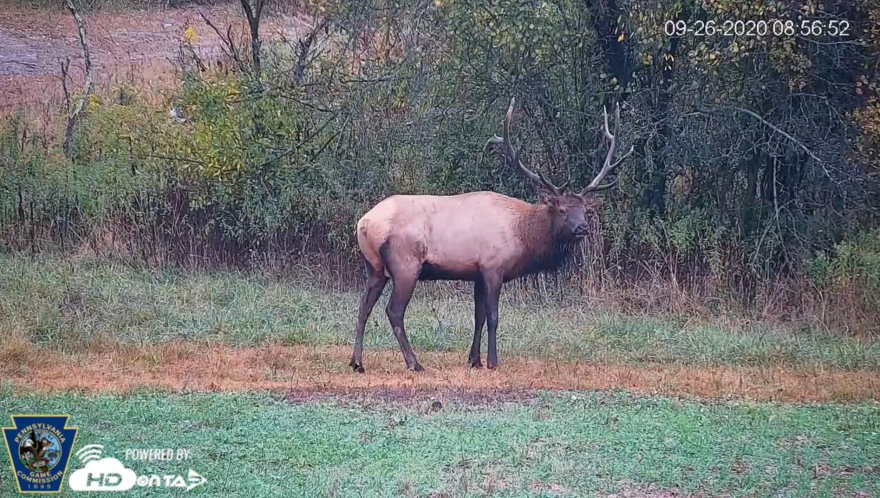
Before heading out, it helps to know how elk behave. Elk are usually calm but can become aggressive, especially during the fall rut (mating season) or when protecting their young. Bulls (male elk) fight for mates in autumn, which makes them more dangerous.
Cows (female elk) are protective of calves in spring and early summer. Elk have strong senses and will notice human presence easily.
Elk live in herds and often move at dawn and dusk. They prefer open meadows near forests, where they can find food and cover. Understanding these habits helps you find elk—and stay safe.
Choosing The Right Location
Elk live in North America, mainly in the Rocky Mountains, Pacific Northwest, and some eastern states. National parks like Yellowstone and Rocky Mountain National Park are famous places to see elk.
Here’s a comparison of top elk-watching locations:
| Location | Best Season | Accessibility |
|---|---|---|
| Yellowstone National Park | Fall (rut), Spring | Easy (roads, tours) |
| Rocky Mountain National Park | Fall, Early Winter | Moderate (some walking) |
| Great Smoky Mountains National Park | Spring, Fall | Easy (many viewing spots) |
| Pacific Northwest (Washington, Oregon) | Winter, Spring | Varied (some remote areas) |
Pick a place that matches your comfort level. Parks with guided tours are best for beginners, while remote areas are better for experienced wildlife watchers.
Best Times For Elk Watching
Elk are most active at dawn and dusk, which are the best times to watch them. In fall, you can hear the unique bugling calls of bulls. Spring is ideal for seeing calves with their mothers.
Elk move more during cool weather. Hot days often make them rest in shady spots, harder to see. Check local park guidelines for seasonal tips.
Essential Gear For Safe Elk Watching
The right gear makes elk watching safer and more comfortable. Here’s what you should bring:
- Binoculars or Spotting Scope: Get a closer look without getting too close.
- Camera with Zoom Lens: For safe, high-quality photos.
- Field Guide: Helps identify elk and other wildlife.
- Comfortable Clothing: Dress in layers; weather can change quickly.
- Sturdy Footwear: Trails may be rocky or muddy.
- Sunscreen and Hat: Protection from sun exposure.
- Water and Snacks: Stay hydrated and energized.
- First Aid Kit: Useful for any outdoor activity.
- Map or GPS: Cell service is often poor in elk country.
- Flashlight or Headlamp: For early morning or late evening viewing.
Don’t forget a notebook to record your observations or questions.
Keeping A Safe Distance
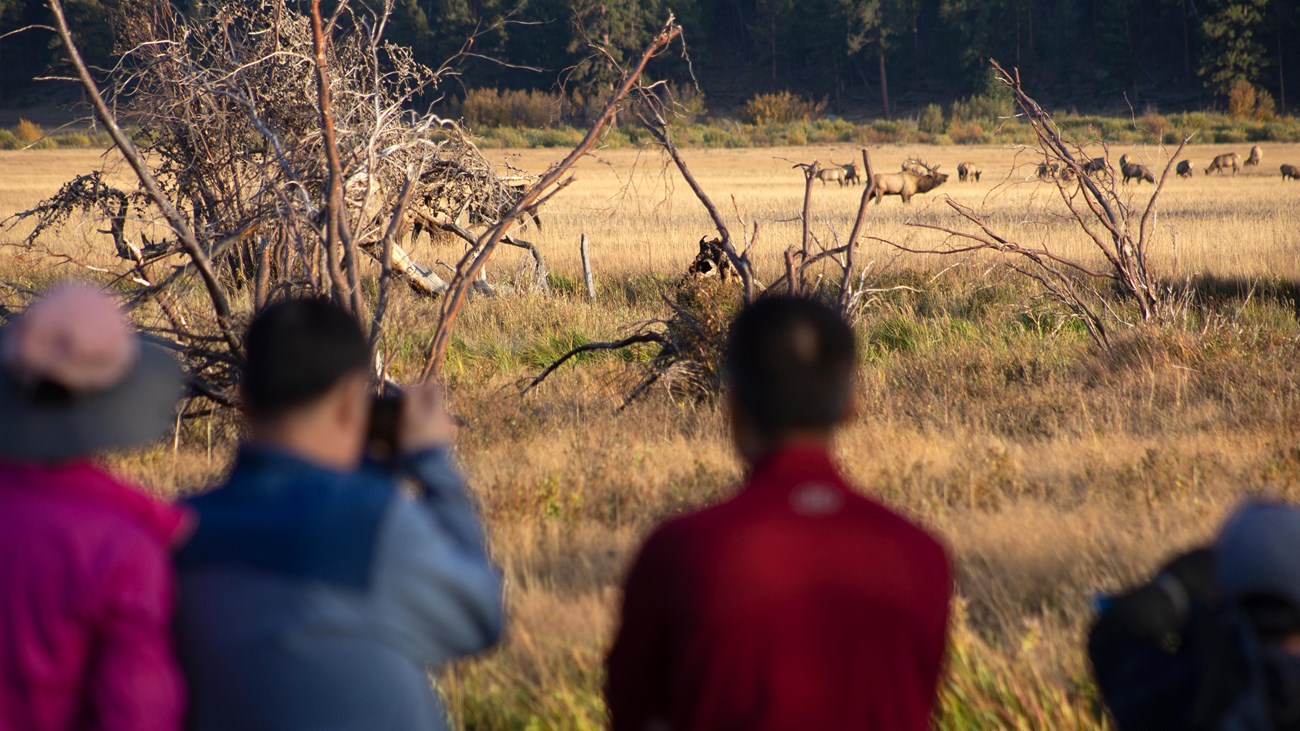
The most important rule: never approach elk. Wildlife experts recommend staying at least 100 yards (91 meters) away from elk. This is about the length of a football field. If elk notice you, you’re probably too close.
Use this simple table to help judge safe distance:
| Wildlife | Minimum Distance | Special Notes |
|---|---|---|
| Elk | 100 yards (91 meters) | More during rut or with calves |
| Bison | 75 yards (68 meters) | Can charge suddenly |
| Bears | 100 yards (91 meters) | Never approach |
Always use binoculars or a zoom lens for a closer look. Never try to feed or touch elk. Elk can run faster than a human and may charge if they feel threatened.
Understanding Elk Warning Signs
Elk will give warnings if you are too close or if they feel threatened. Watch for these signs:
- Stomping their feet
- Lifting their head and staring directly at you
- Flattening their ears
- Raising their rump hair
- Making loud calls or grunts
- Pawing the ground
If you see any of these behaviors, back away slowly and calmly. Do not run or make loud noises.
How To Behave Around Elk
Elk are wild animals, not pets or zoo animals. Respect their space and behave quietly:
- Speak softly or stay silent.
- Move slowly and avoid sudden gestures.
- Stay on marked trails or viewing areas.
- Never block an elk’s path or approach from behind.
- Watch for elk crossing roads, especially in the early morning or late evening.
If you’re with children or pets, keep them close and quiet. Dogs should be on a leash, or better yet, left at home—elk may see them as a threat.
Safety Tips For Different Seasons
Elk behavior changes throughout the year. Here’s how to stay safe in every season:
Fall (rut Season)
This is when bull elk compete for mates. Bulls can be aggressive and unpredictable. Give elk extra space during this time, and avoid places where many bulls gather.
Spring (calving Season)
Cows are protective of their young. Never approach a calf, even if it seems alone. The mother is usually nearby and may charge if she feels her calf is in danger.
Winter
Elk gather in larger herds and move to lower elevations. Snow and ice make travel harder for you and the elk. Stick to safe paths and avoid disturbing resting herds.
Summer
Elk seek shade and water during hot days. If you see elk near water sources, observe from a distance so you don’t disturb their access to water.
Ethical Elk Watching
Safe elk watching also means ethical elk watching. Your actions can affect elk health and behavior.
- Stay on marked trails to avoid damaging elk habitat.
- Do not call, feed, or try to attract elk with food or sounds.
- Pack out all trash, including food wrappers.
- Use wildlife-safe viewing platforms when available.
- Educate others in your group about elk safety.
Some parks have rules to protect wildlife. Breaking these rules can harm elk and lead to fines or bans.
Elk Watching With Groups
Watching elk with a group can be fun and safer, but it also brings extra responsibility. Keep your group together and quiet. Assign a group leader to watch for elk and warn others if you’re getting too close.
If you’re part of a guided tour, follow the guide’s instructions carefully—they know how to keep everyone safe and respect the elk.

Photographing Elk Safely
Photographers often want the perfect shot, but safety always comes first. Use a telephoto lens (at least 200mm) to get close-up photos from far away. Find natural cover and stay low to avoid startling elk.
Avoid using flash, as it can scare animals. Take your time and wait for elk to move naturally into good light. Respect other photographers’ space and avoid blocking trails.
Common Mistakes To Avoid
Many elk watchers make the same mistakes, which can be dangerous for both humans and elk:
- Getting too close for a better view or photo
- Feeding elk (illegal in most places)
- Blocking elk paths with cars or people
- Running if an elk acts aggressive (move away slowly instead)
- Making loud noises or throwing objects to get elk attention
Even if elk seem tame in parks, they are always wild animals.
Two Insights Most People Miss
- Elk may use roads and parking lots: In parks, elk sometimes walk through developed areas looking for food or mates. Don’t let this fool you into thinking they are tame. Stay back, even in parking lots or picnic areas.
- Elk tracks and signs help you find them: Look for tracks, droppings, or chewed tree bark. These signs show where elk have been recently. Patience and careful observation can help you spot elk without disturbing them.
Local Rules And Resources
Every park or region may have its own rules. Always check visitor centers or official websites before your trip. Rangers can tell you about current elk locations, recent calf births, or areas to avoid.
For more detailed information, you can visit the Yellowstone National Park Elk Page.
Frequently Asked Questions
What Should I Do If An Elk Approaches Me?
If an elk gets close, stay calm and do not run. Back away slowly and put something solid (like a tree or car) between you and the elk if possible. Avoid eye contact and give the elk a clear escape path.
Can I Watch Elk Safely With Children?
Yes, but extra care is needed. Teach children to stay quiet and close to adults. Never let children run toward elk or wander off. Keep children at your side and explain the importance of distance.
Is It Safe To Watch Elk During The Rut?
It is safe if you keep a greater distance—at least 100 yards, more if possible. Bulls are more aggressive during the rut, and fights can break out quickly. Use binoculars and stay in your car or a safe viewing area if possible.
What Should I Bring For An Elk-watching Trip?
Bring binoculars, a camera with zoom, layered clothing, sturdy shoes, water, snacks, a map, and a first aid kit. If you plan to be out before sunrise or after sunset, bring a flashlight or headlamp.
Are Elk Dangerous To Humans?
Elk are usually not dangerous if you respect their space. But if you get too close, especially during rut or calving season, they may charge or attack. Always follow safety guidelines and stay alert.
Watching elk in the wild is a memory you’ll treasure. With these tips, you can enjoy the experience while keeping yourself, your group, and the elk safe. Remember: patience, distance, and respect are the keys to safe elk watching.