What Do Elk Eat?
Elk are some of the largest wild animals in North America and Eurasia. With their impressive antlers and herd behavior, they capture the imagination of anyone lucky enough to spot them in the wild. But have you ever wondered what keeps these powerful creatures fueled throughout the year?
The diet of elk is more interesting and complex than many people realize. If you want to understand how elk survive in changing seasons and challenging environments, knowing what elk eat is a great place to start.
The Basics Of An Elk’s Diet
Elk are herbivores, which means they eat only plants. But unlike some grazers that eat the same thing every day, elk are opportunistic feeders. This means their diet changes with the seasons and what is available in their habitat. Elk need a lot of food—an adult can eat 8-15 pounds (3.6–6.8 kg) of vegetation per day, and sometimes even more in the winter as they try to keep warm.
The main types of food elk eat include:
- Grasses
- Forbs (flowering plants that are not grasses)
- Woody plants (twigs, bark, leaves, and buds from shrubs and trees)
- Mosses and lichens (especially in harsh winters)
Let’s explore these categories and see how elk choose their meals during different times of the year.
Seasonal Diet: How Elk Eating Habits Change
Elk do not eat the same foods all year. Their menu changes based on what is easy to find and what helps them stay healthy.
Spring And Early Summer
After a long winter, elk are hungry and need to recover lost weight. In spring, fresh grasses and forbs start growing. Elk love these new plants because they are rich in protein and nutrients.
- Grasses: Bluegrass, wheatgrass, fescue, and brome are favorites.
- Forbs: Dandelion, clover, lupine, and wild strawberries are common choices.
Spring is also the time when pregnant females need extra nutrition for their calves, so they seek out the most nutrient-packed plants.
Late Summer And Fall
In late summer, grasses become less nutritious as they dry out. Elk switch to more forbs and start to eat woody plants.
- Shrubs: Willow, aspen shoots, and serviceberry are popular.
- Tree leaves and twigs: Aspen and birch leaves are eaten when available.
During fall, elk must build up fat for winter, so they eat as much as possible. This season is called the “hyperphagia” phase, where eating becomes their main focus.
Winter
Winter is the hardest time for elk. Snow covers most grasses and forbs, so elk rely more on woody plants, bark, and even tree needles.
- Twigs and branches: From willow, aspen, and dogwood.
- Bark: Especially from young trees when food is scarce.
- Evergreen needles: Like pine and fir, though these are a last resort due to low nutrition.
In tough winters, elk may also eat mosses and lichens, especially in northern forests.
Main Food Categories Explained
To understand what elk eat, it helps to look at their food groups in more detail.
Grasses
Grasses are the most important food for elk in spring and early summer. They are easy to digest and full of nutrients.
Common grasses elk eat:
- Bluegrass
- Timothy
- Wheatgrass
- Fescue
- Brome
Grasses help elk recover from winter and prepare for calving season. But by late summer, grasses become tough and less tasty, so elk look for other foods.
Forbs
Forbs are non-woody flowering plants. They are often high in protein and minerals. Elk love forbs like:
- Clover
- Dandelion
- Lupine
- Wild geranium
- Vetch
Forbs are important for young elk (calves) and pregnant females because they help with growth.
Shrubs And Woody Plants
When other foods are not available, elk eat shrubs, twigs, and tree bark. They like:
- Willow
- Aspen
- Dogwood
- Sagebrush
- Serviceberry
Woody plants are not as easy to digest, but they are available in winter when food is scarce.
Mosses And Lichens
In very cold places or during long winters, elk sometimes eat mosses and lichens. These are not their favorite foods but can help them survive when nothing else is available.
How Elk Choose Their Food
Elk are smart eaters. They look for food that is:
- Easy to reach: Elk avoid digging deep in the snow if they can find shrubs or tree branches above the snow.
- Nutritious: They prefer foods with high protein and energy, especially in spring and fall.
- Safe: Elk avoid plants that are toxic or cause stomach problems.
Young elk watch and learn from adults what is safe to eat. This helps them avoid dangerous plants.
Regional Differences In Elk Diet
Elk live in many places, from forests and mountains to open plains. Their food choices change with their location.
North America
In the Rocky Mountains and western forests, elk eat:
- Grasses in meadows
- Willow and aspen in river valleys
- Sagebrush in drier areas
In open plains, grasses make up most of their diet. In forests, elk eat more shrubs and tree bark, especially in winter.
Eurasia
In Europe and Asia, elk (often called “wapiti” or “red deer” in some regions) eat:
- Birch and willow twigs
- Shrubs and grasses in open forests
- Mosses and lichens in boreal forests
Some elk in Eastern Europe feed on crops like oats and barley if they live near farms.
Nutritional Needs Of Elk
Elk need a balanced diet to stay healthy, grow, and reproduce. They need:
- Protein: For muscle growth and milk production.
- Carbohydrates: For energy, especially in winter.
- Minerals: Like calcium and phosphorus for strong bones and antlers.
- Vitamins: For immune system and overall health.
If elk do not get enough nutrition, they can lose weight, have fewer calves, or even die during harsh winters.
How Elk Digest Their Food
Elk are ruminants, like cows and deer. They have a four-chambered stomach that lets them digest tough plants.
Here’s how it works:
- Elk eat quickly and swallow food with little chewing.
- Food goes into the first stomach chamber (the rumen).
- Later, elk “cough up” the food (called cud) and chew it more.
- The chewed cud goes through the rest of the stomach chambers for full digestion.
This system lets elk get nutrients from fibrous plants that many other animals cannot eat.
What Elk Do Not Eat
It’s just as important to know what elk avoid. Elk do not eat:
- Meat or animal products
- Heavily toxic plants (like poison hemlock, if they can recognize it)
- Rotten or moldy plants
Sometimes elk may eat crops like alfalfa or corn, especially in farm areas, but this can cause stomach problems if eaten too much.

Impact Of Elk Feeding On The Environment
Elk play a big role in shaping their environment through their eating habits. By eating certain plants, elk can:
- Control the growth of shrubs and young trees
- Help maintain open meadows and grasslands
- Affect what plants and animals live in an area
But if elk populations become too large, they can overgraze and harm the land. This is why wildlife managers sometimes control elk numbers to keep the ecosystem healthy.
How Elk Find Food In Deep Snow
Winter can be a life-or-death challenge for elk. When snow is deep:
- Elk look for south-facing slopes where snow melts first.
- They use their hooves to scrape away snow for grasses underneath (this is called “cratering”).
- They eat higher shrubs and tree branches above the snow line.
Sometimes, elk will move long distances to find better food, especially if snow is too deep or icy in one area.
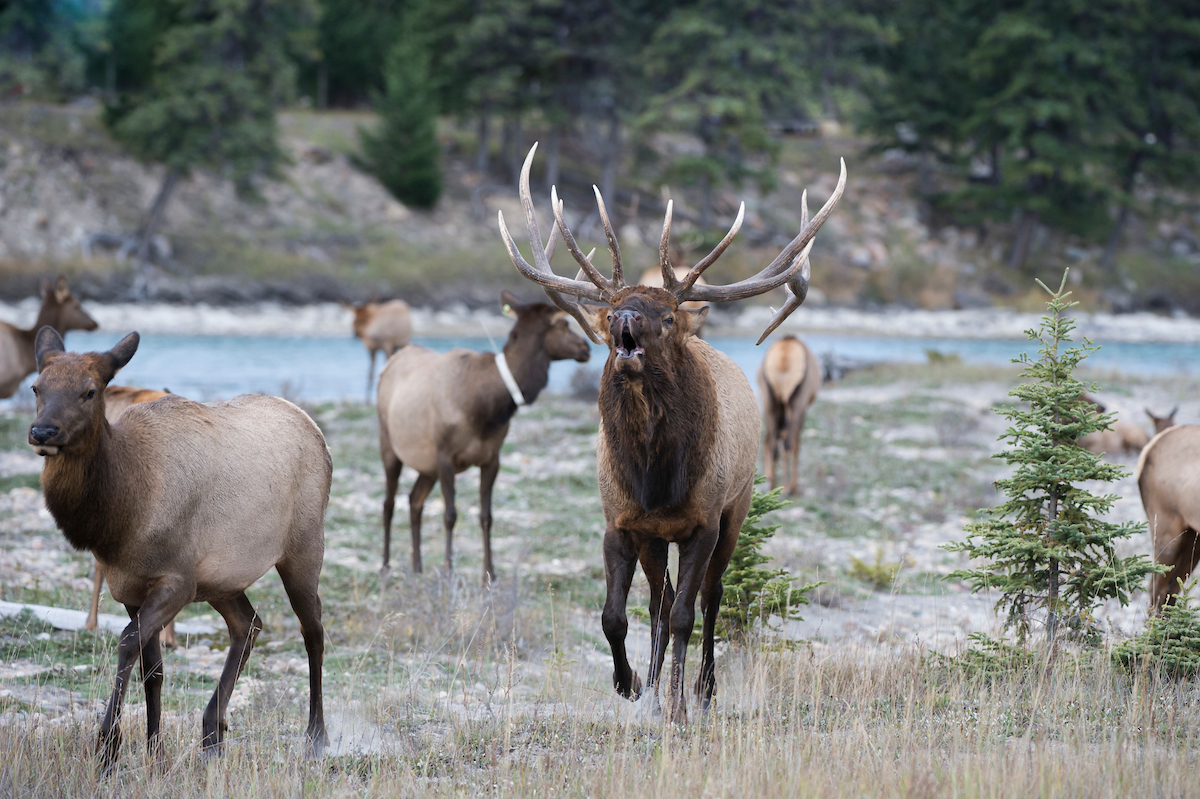
Elk Feeding Compared To Other Deer
Elk are not the only large herbivores in their habitat. How does their diet compare to others like deer or moose?
| Animal | Main Foods | Preferred Habitat |
|---|---|---|
| Elk | Grasses, forbs, shrubs, tree bark | Forests, meadows, plains |
| White-tailed Deer | Leaves, twigs, fruits, nuts | Woodlands, fields |
| Moose | Aquatic plants, willow, birch | Wetlands, boreal forests |
As you can see, elk have a more flexible diet than moose, but eat more grasses than white-tailed deer.
Interesting Insights: What Most People Miss
Many people think elk just eat grass, but this is only part of the story. Here are two facts beginners often miss:
- Elk can change their diet quickly. If a wildfire burns an area, elk will start eating new growth or even different plant species that appear after the fire.
- Mineral licks are important. Elk often visit salty or mineral-rich soil (called “licks”) to get nutrients they cannot find in plants. These sites can be vital for antler growth and calf development.
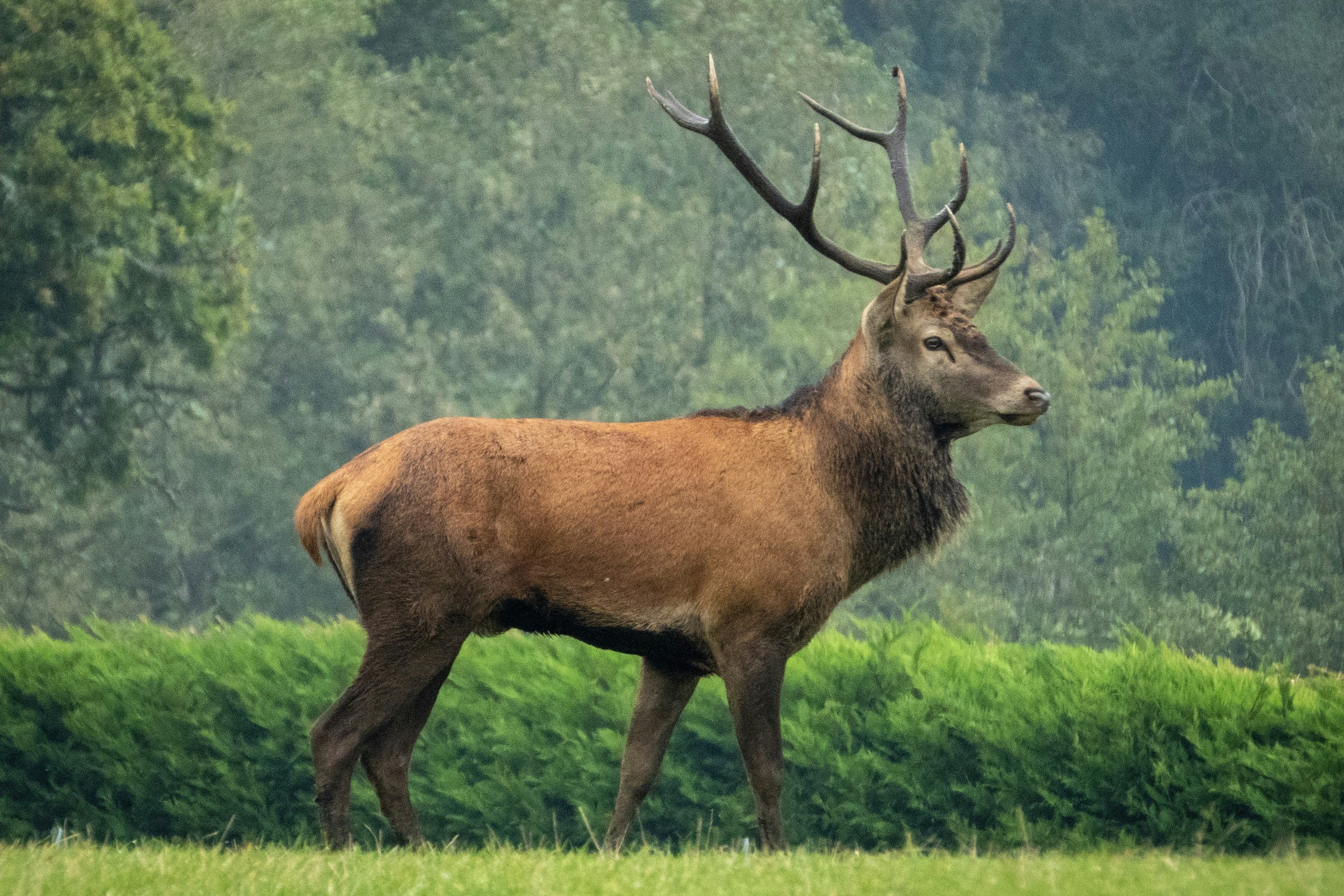
Elk And Human Food Sources
Elk sometimes eat crops like alfalfa, corn, or hay if they live near farms. This can lead to conflict with farmers because elk can damage fields and stored food. Wildlife managers use fences, scare devices, or controlled hunting to limit problems.
Example: A Year In The Life Of An Elk’s Diet
To understand what elk eat across the seasons, here’s a simple timeline:
| Season | Main Foods |
|---|---|
| Spring | Fresh grasses, forbs, wildflowers |
| Summer | Grasses, forbs, some shrubs |
| Fall | Woody plants, leaves, bark |
| Winter | Twigs, bark, evergreen needles, lichens |
This table shows how elk adapt their diet to the changing seasons.
Frequently Asked Questions
What Is The Main Food Of Elk?
The main food for elk is grasses, especially in spring and early summer. Elk also eat forbs and shrubs when grasses are not available.
Do Elk Eat Tree Bark?
Yes, elk eat tree bark in winter when other foods are hard to find. They prefer young trees like aspen, willow, and birch.
Can Elk Eat Human Crops?
Elk sometimes eat crops like alfalfa, corn, and hay if they are near farms. This can cause problems for farmers.
How Do Elk Survive In Deep Snow?
In deep snow, elk look for shrubs and tree branches above the snow and use their hooves to scrape snow away from hidden grasses. They may also move to areas with less snow.
What Is A Mineral Lick, And Why Do Elk Visit Them?
A mineral lick is a place where soil or water has lots of minerals like salt, calcium, or magnesium. Elk visit these sites to get nutrients that help with antler growth and overall health.
Elk are amazing survivors, able to find food in tough conditions and keep whole ecosystems in balance. If you want to learn more about elk diets and habits, check out this detailed resource from the Wikipedia: Elk. Understanding what elk eat gives us a deeper appreciation for these majestic animals and the wild places they call home.