
Most people picture winter as a time when wild animals hide away and sleep for months. You might wonder if elk, those tall and beautiful members of the deer family, do the same. In cold regions of North America and Eurasia, elk face harsh winters with deep snow, scarce food, and bitter winds.
But do elk hibernate like bears or groundhogs? The answer is more interesting than a simple yes or no.
Understanding how elk survive winter can teach us about their amazing adaptations, their role in nature, and the challenges they face from changing climates. Let’s dive deep into the world of elk and discover what really happens when the snow begins to fall.
What Is Hibernation?
Before we talk about elk, let’s get clear on what hibernation means. Hibernation is a special state where some animals slow down their body processes in winter. Their heart rate drops, breathing slows, and body temperature falls. This helps them save energy when food is hard to find.
Classic examples of hibernators include:
- Bears: Sleep deeply for months, waking only rarely
- Ground squirrels: Enter true hibernation with body temperature near freezing
- Bats: Hang upside down and barely move for weeks
Hibernation is very different from simply sleeping more. It is a deep, controlled shutdown of the body. Not all animals that rest more in winter are true hibernators.
Do Elk Hibernate?
The short answer: No, elk do not hibernate. They remain awake and active throughout the winter months. Even in the coldest weather, elk do not enter the deep, sleep-like state of true hibernators.
But this does not mean winter is easy for elk. Instead of hibernating, elk use other strategies to survive. Their bodies and behaviors are perfectly adapted to winter’s challenges. Let’s explore how elk manage to live through months of snow and ice.
How Elk Survive Winter Without Hibernating
Elk have developed several tools and behaviors to make it through harsh winters. Here’s how they do it:
1. Thick Winter Coats
As autumn arrives, elk grow a dense winter coat. This coat has two layers:
- Guard hairs: Long, hollow hairs that trap air and repel water
- Underfur: Soft, wooly hair that holds heat close to the skin
This double coat acts like a natural winter jacket. It keeps elk warm even in temperatures far below freezing.
2. Reduced Activity
Elk do not hibernate, but they reduce their activity in winter. They move less and rest more to conserve energy. For example, elk may spend long hours lying down in sheltered spots, using less energy than when they are walking or running.
3. Group Living
In winter, elk often gather in large herds. These groups offer protection from predators and help break paths through deep snow. Standing close together also helps elk share body warmth.
4. Changing Diet
Summer food is easy for elk—rich grass, leaves, and herbs. In winter, these foods disappear. Elk switch to eating woody plants, bark, and dried grasses. Their stomachs can digest tough, low-nutrient food that many other animals cannot eat.
5. Migration
Some elk populations migrate to escape the worst winter conditions. They move from high mountain areas to lower valleys where the snow is shallower and food is easier to find.
Here’s a comparison of elk migration and hibernation:
| Adaptation | Elk | True Hibernators (e.g., Bears) |
|---|---|---|
| Body temperature drop | No significant change | Yes, big drop |
| Physical activity | Reduced, but still active | Almost none |
| Feeding during winter | Continues searching for food | Does not eat |
| Migration | Common in some areas | Rare or none |
6. Fat Storage
Before winter, elk eat as much as possible. They build up fat reserves under their skin. This fat is used for energy during the months when food is scarce. Most elk lose weight in winter, but the fat helps them survive until spring.
Why Elk Don’t Hibernate
You might wonder why elk don’t just hibernate to avoid the hard winter. There are a few reasons:
- Size and metabolism: Elk are large animals (adults can weigh 225-470 kg or 500-1,000 lbs). Large animals lose heat slower and can survive on stored fat better than small animals.
- Rumen digestion: Elk are ruminants, like cows. Their four-part stomachs digest tough plant material slowly. True hibernation would stop this process and could cause health problems.
- Predator pressure: Staying alert and mobile helps elk avoid wolves, mountain lions, and other predators during winter.
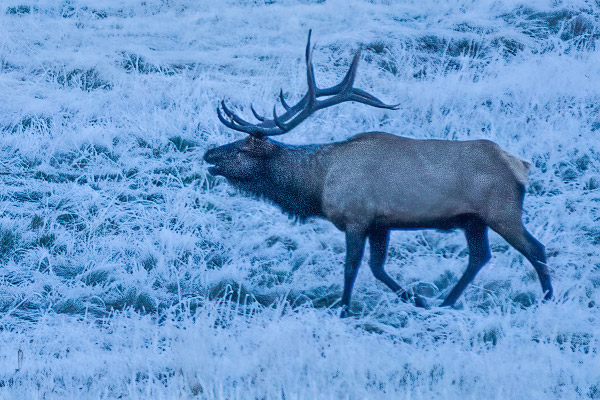
Elk Winter Behavior: Daily Life In The Cold
Let’s look at what a typical winter day might look like for an elk:
- Morning: Elk rise at dawn and begin searching for food in open meadows or along forest edges. They dig through snow with their hooves to find grass or eat twigs.
- Midday: When the sun is higher and temperatures rise a little, elk rest in sheltered spots. South-facing slopes are popular, as they get more sunlight.
- Afternoon: Elk feed again before night falls. More eating means more heat and energy for cold nights.
- Evening/Night: Elk gather in groups to sleep or rest, often in areas protected from wind.
This daily pattern helps elk balance energy use and food intake. They stay active enough to avoid starvation, but not so active that they burn all their stored fat.
How Elk Compare To Other Deer Species
Elk are not alone in staying awake all winter. Most deer species, such as white-tailed deer, mule deer, and moose, also do not hibernate. Each species uses slightly different strategies:
| Species | Hibernation | Winter Survival Strategy |
|---|---|---|
| Elk | No | Fat storage, migration, group living |
| Moose | No | Thick fur, feeding on woody plants |
| White-tailed deer | No | Use dense cover, feed in short bursts |
| Caribou (Reindeer) | No | Long migrations, dig for lichen under snow |
The only large mammals that truly hibernate are bears, and even their hibernation is lighter than that of small rodents.
The Science Behind Elk Winter Survival
Researchers have studied elk to learn how their bodies handle cold and hunger. Some interesting findings:
- Elk can lose up to 20% of their body weight over winter and still survive.
- Their winter coat is so effective that snow will often rest on their backs without melting, showing how little heat escapes.
- Elk’s heart rates drop in winter, but not as low as true hibernators.
Scientists use tracking collars and remote cameras to study elk movement and health. This research helps wildlife managers protect elk and their habitats.
Risks And Challenges: When Winter Gets Too Harsh
Most winters, elk survive well. But extreme weather, deep snow, or late spring can be deadly:
- Starvation: If snow is too deep or ice crusts over the ground, elk cannot reach food. Starvation can kill many, especially calves and old animals.
- Predators: Weak elk are easier targets for wolves and cougars.
- Human impact: Roads, fences, and development can block elk migration routes, making it harder to find food.
Wildlife managers sometimes help by creating “elk feeding areas” where hay or pellets are given during very bad winters. However, this is controversial and not a long-term solution.

Elk And Climate Change
As winters become warmer and less predictable due to climate change, elk may face new problems:
- Less snow can make food more available but may also lead to more freeze-thaw cycles, creating dangerous ice layers.
- Warmer winters may bring more parasites and diseases.
- Migration patterns may need to change, which can be hard if habitats are broken up by people.
Understanding how elk survive without hibernating helps us see how climate shifts could affect them.
Two Non-obvious Insights About Elk Winter Survival
- Elk don’t just rely on body fat; they also shrink their muscles to save energy. Scientists found that elk will break down some muscle tissue during the hardest part of winter, not just fat. This is a last resort to keep vital organs working when fat runs low.
- Snow can be both friend and foe. Deep, soft snow makes it hard to move and find food, but a layer of snow also insulates the ground, keeping roots, grasses, and even some insects alive for elk to find. In some cases, snow even protects elk from predators that cannot move as easily.

Why Understanding Elk Winter Behavior Matters
Knowing that elk do not hibernate, but use smart adaptations, helps us manage wild herds better. It also helps ranchers, hunters, and nature lovers reduce conflicts with elk and support healthy populations. By studying how elk handle winter, scientists can make better decisions about land use, migration corridors, and conservation.
If you want to explore more about elk biology and hibernation, the Wikipedia Elk page offers more detail.
Frequently Asked Questions
Do Elk Hibernate Like Bears?
No, elk do not hibernate. They stay awake and active all winter. Unlike bears, elk continue to move, search for food, and avoid predators during cold months.
What Do Elk Eat In Winter?
Elk eat mainly woody plants, bark, twigs, and dried grasses in winter. They use their strong jaws and special stomachs to digest tough foods that many animals cannot eat.
How Do Elk Stay Warm In Freezing Temperatures?
Elk stay warm with a double-layered winter coat. The outer guard hairs keep water out, while the soft underfur traps heat. Elk also gather in groups and pick sheltered spots to rest.
Why Don’t All Animals Hibernate?
Hibernation is useful for small animals with high energy needs and no way to find food in winter. Large animals like elk can move and find enough food, so they don’t need to shut down their bodies for months.
Can Elk Die During Harsh Winters?
Yes, harsh winters can be deadly for elk. Deep snow, ice, or very cold weather can lead to starvation or make elk easier targets for predators. Calves and old elk are at highest risk.
Elk do not sleep away the winter. Instead, they face the snow and cold head-on, using their bodies, brains, and group power to survive. Their story shows the beauty and challenge of life in the wild, and why understanding elk is important for anyone who cares about nature.