
The sight of a large elk herd moving through a forest or across an open meadow is unforgettable. Elk are one of North America’s most majestic animals, famous for their impressive antlers and haunting bugle calls. But have you ever wondered which states have the most elk?
If you’re a hunter, wildlife enthusiast, or just curious about nature, knowing where elk populations thrive can be both fascinating and practical. Some states are true elk strongholds, while others have only small, scattered herds. Let’s explore where you’ll find the greatest numbers of elk in the United States, why these populations thrive, and what makes each state unique when it comes to these iconic animals.
Understanding Elk Populations In The Us
Elk once lived across most of North America, but their numbers dropped sharply in the 1800s due to overhunting and habitat loss. Today, thanks to careful management and conservation, elk have made a strong comeback in many states. However, their distribution is not even—some states have vast herds, while others only have a few hundred animals.
Factors like habitat, climate, and state wildlife policies play a big role in elk numbers.
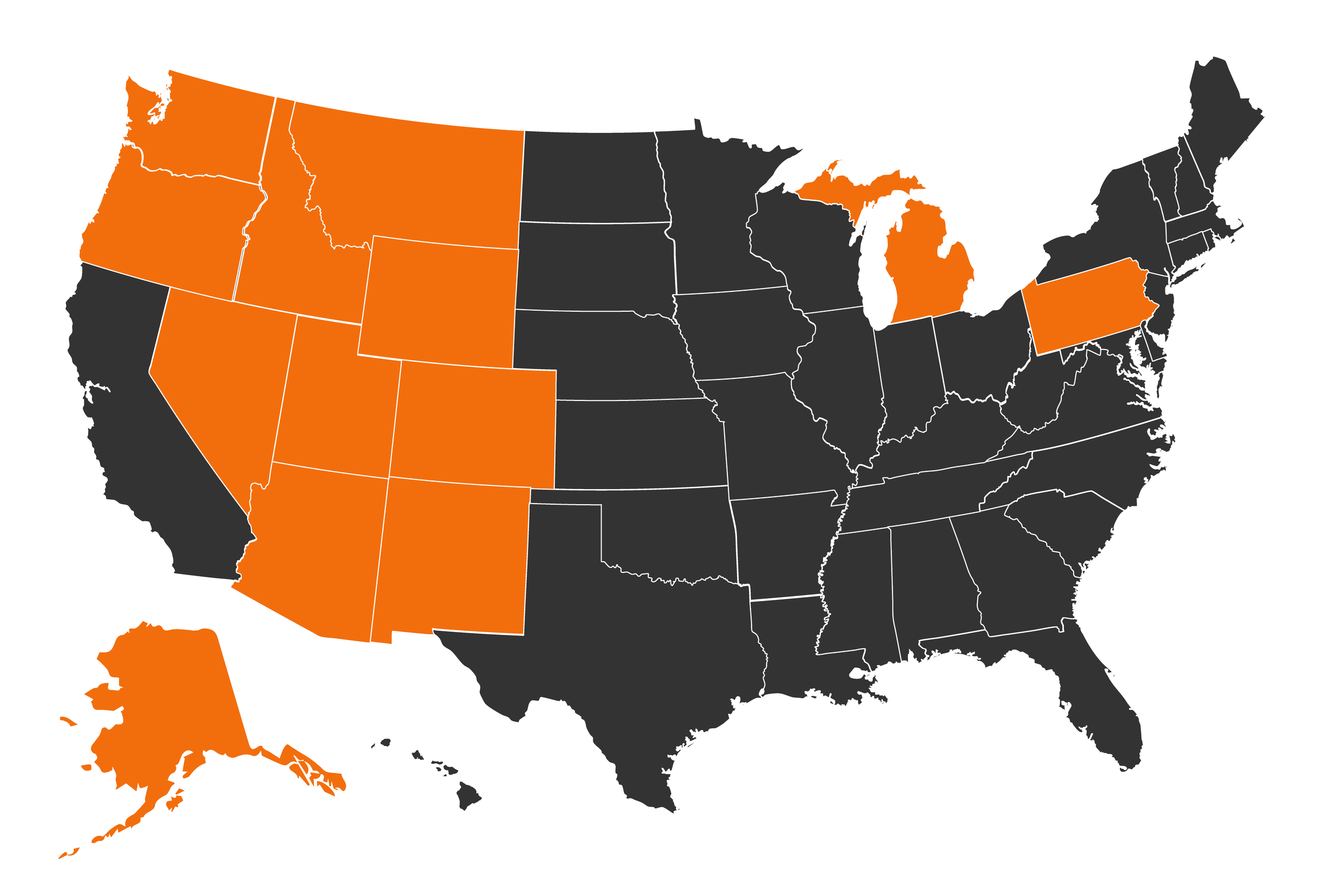
Elk are mostly found in the western United States, especially in the Rocky Mountain region. However, successful reintroduction projects have helped elk return to some eastern states. Let’s look at where elk are most common today.
States With The Most Elk
Here are the states with the largest elk populations, ranked from highest to lowest. The numbers below are based on recent wildlife agency reports, but actual counts can change from year to year.
| Rank | State | Estimated Elk Population | Notable Herd Areas |
|---|---|---|---|
| 1 | Colorado | ~280,000 | Rocky Mountains, San Juan, Flat Tops |
| 2 | Montana | ~150,000 | Bitterroot, Upper Yellowstone, Missouri Breaks |
| 3 | Oregon | ~125,000 | Blue Mountains, Cascade Range |
| 4 | Idaho | ~120,000 | Clearwater, Panhandle, Salmon Region |
| 5 | Wyoming | ~110,000 | Yellowstone, Bridger-Teton, Bighorn |
| 6 | Utah | ~80,000 | Wasatch, Fishlake, Book Cliffs |
| 7 | New Mexico | ~70,000 | Gila, Sangre de Cristo, Jemez Mountains |
| 8 | Arizona | ~45,000 | Kaibab, White Mountains, Mogollon Rim |
| 9 | Washington | ~60,000 | Yakima, Blue Mountains, Olympic Peninsula |
| 10 | Nevada | ~17,500 | Ruby Mountains, Schell Creek |
Colorado: The Elk Capital
Colorado has the largest elk population in North America, with an estimated 280,000 animals. The state’s wide variety of mountain habitats, protected lands, and strong wildlife management make it the top destination for elk. Hunters and wildlife watchers come from all over the world to see Colorado’s famous herds.
One interesting fact is that Colorado’s herds are so large that wildlife managers actually encourage hunting to keep numbers balanced. Overpopulation can lead to problems like overgrazing and disease. If you want to see elk in the wild, Rocky Mountain National Park and the San Juan Mountains are excellent places.
Montana: Wild And Open Spaces
Montana is famous for its vast wilderness, and elk thrive here. The state’s population is around 150,000, spread across huge national forests and remote areas. The Bitterroot Valley and the Upper Yellowstone are known for massive herds, and elk are a key part of local culture and tradition.
Montana manages its herds for both healthy numbers and trophy bulls, making it a top spot for hunters. Large areas of public land make access easier, but the state’s unpredictable weather and rugged terrain mean that elk here are truly wild and challenging to find.
Oregon: A Tale Of Two Elk
Oregon is unique because it has two types of elk: Rocky Mountain elk and Roosevelt elk. The state’s total elk population is about 125,000. Rocky Mountain elk live mostly in eastern Oregon, while the larger Roosevelt elk are found in the coastal forests.
Herds in the Blue Mountains are especially well known. Oregon’s diverse habitats—from dry grasslands to thick rainforests—allow elk to thrive in different environments. For wildlife fans, the state’s varied elk are a big draw.
Idaho: The Heart Of Elk Country
With about 120,000 elk, Idaho is another top elk state. The Clearwater and Panhandle regions are home to some of the largest herds. Idaho’s rugged mountains and deep forests offer perfect conditions for elk.
One thing that sets Idaho apart is its focus on maintaining a balance between predators like wolves and healthy elk populations. This is a complex challenge, but it has helped keep both species on the landscape. Elk hunting and viewing are important parts of Idaho’s outdoor life.
Wyoming: Yellowstone’s Giants
Wyoming’s elk herds are famous worldwide, partly because of Yellowstone National Park. The state has around 110,000 elk, and the Yellowstone herd is one of the best-studied in the world.
Elk in Wyoming migrate long distances between summer and winter ranges. The state’s mix of protected parks and large ranches helps keep herds healthy. If you want to see wild elk in a truly wild setting, few places are better than Wyoming.
Utah: Conservation Success
Utah’s elk population has grown to around 80,000, thanks to strong habitat work and management. The state’s herds are found mostly in the Wasatch and Fishlake areas, where open forests and mountain meadows provide food and cover.
Utah is known for producing some of the largest bull elk in the world. Limited hunting tags mean that animals can grow old and reach impressive sizes. For hunters, drawing a Utah elk tag is like winning the lottery.
New Mexico: High Desert Herds
New Mexico is home to about 70,000 elk, most of them in the Gila, Sangre de Cristo, and Jemez mountains. These herds live in a mix of forests and high desert, and are famous for producing large bulls.
One thing that surprises many people is how well elk do in New Mexico’s dry climate. Careful management and water projects have helped herds grow. New Mexico also uses a lottery system for hunting tags, making elk hunting here highly prized.
Arizona: Dry Land, Big Bulls
Arizona might not seem like elk country, but it supports about 45,000 elk. Most herds are found in the Kaibab Plateau, White Mountains, and along the Mogollon Rim. Arizona’s elk were reintroduced in the early 1900s after the original herds disappeared.
Thanks to good management and protected forests, Arizona now has some of the biggest bull elk in the world. The state’s hunting lottery is famous for producing trophy animals, but viewing opportunities are also excellent.
Washington: Coastal And Mountain Elk
Washington has around 60,000 elk, including both Roosevelt and Rocky Mountain types. The Olympic Peninsula is famous for its Roosevelt elk, while the Yakima and Blue Mountains hold large Rocky Mountain herds.
Elk in Washington face challenges from habitat loss and disease, but strong management has kept populations stable. The state’s mix of rainforests and mountains makes it a special place for elk.
Nevada: Elk’s Comeback Story
Nevada’s elk population is smaller, with about 17,500 animals, but it’s a success story. Elk disappeared from Nevada in the 1800s, but reintroduction efforts began in the 1980s. Now, the Ruby Mountains and Schell Creek are home to healthy herds.
Elk are expanding into new areas, and the population is growing every year. Nevada manages elk carefully, with limited hunting opportunities and a focus on healthy herds.
States With Smaller Elk Populations
A few other states have small but growing elk populations thanks to reintroduction programs. Here are some examples:
- Kentucky: Over 13,000 elk, the largest herd east of the Mississippi River.
- Tennessee: Around 400 elk, mostly in the Cumberland Plateau.
- Pennsylvania: About 1,200 elk, mainly in the north-central part of the state.
- North Carolina and Virginia: Small herds, but numbers are rising.
These states are proof that elk can return and thrive when given the chance.
Comparing Elk Numbers: Top 10 States
Here’s a side-by-side look at the top 10 states for elk numbers:
| State | Elk Population | Type of Elk |
|---|---|---|
| Colorado | ~280,000 | Rocky Mountain elk |
| Montana | ~150,000 | Rocky Mountain elk |
| Oregon | ~125,000 | Rocky Mountain, Roosevelt elk |
| Idaho | ~120,000 | Rocky Mountain elk |
| Wyoming | ~110,000 | Rocky Mountain elk |
| Utah | ~80,000 | Rocky Mountain elk |
| New Mexico | ~70,000 | Rocky Mountain elk |
| Washington | ~60,000 | Rocky Mountain, Roosevelt elk |
| Arizona | ~45,000 | Rocky Mountain elk |
| Nevada | ~17,500 | Rocky Mountain elk |
What Makes A State Good Elk Habitat?
Elk need large areas of mixed forest, grassland, and water. States with big public lands, like national forests and parks, are ideal. Climate matters too—elk do best in cooler mountain areas with winter snow and summer grazing.
A few factors that help elk populations grow:
- Protected areas: National parks and wilderness keep elk safe from development.
- Good management: Regulated hunting and habitat work control numbers and reduce disease.
- Limited predators: In some areas, fewer wolves or mountain lions mean more elk survive.
- Restoration efforts: In the East, reintroduction projects have brought elk back.
One insight many beginners miss is the importance of migration routes. Elk need to move between summer and winter ranges, so states with connected wild lands support bigger herds.
Common Mistakes When Interpreting Elk Population Data
It’s easy to think that more elk means better hunting or wildlife viewing, but that’s not always true. Herds can be spread out, and access can be difficult. Also, some states report high numbers, but much of the herd may be on private land.
Another thing to remember: population estimates can change due to harsh winters, disease, or drought. Checking with each state’s wildlife agency is the best way to get the latest information.
Elk Conservation And Challenges
Even in top elk states, herds face threats like habitat loss, vehicle collisions, and diseases such as chronic wasting disease (CWD). States invest in research, land protection, and education to keep elk healthy for the future.
Elk also compete with livestock for food and can damage crops, leading to conflicts with ranchers. Balancing elk numbers with human needs is an ongoing challenge.
For more about elk conservation and population trends, see the Wikipedia page on elk.
Frequently Asked Questions
What State Has The Largest Elk Herd?
Colorado has the largest elk herd in the United States, with about 280,000 animals. Its mix of mountains, forests, and public lands creates perfect elk habitat.
Are There Elk In The Eastern United States?
Yes, but in much smaller numbers. States like Kentucky, Pennsylvania, and Tennessee have reintroduced elk, and some herds are growing. Kentucky has the biggest herd east of the Mississippi River.
How Do States Count Elk Populations?
Wildlife agencies use aerial surveys, ground counts, and sometimes GPS collars to estimate elk numbers. These methods give a good estimate but are not exact.
Where Can I See Elk In The Wild?
Some top places to see elk include Rocky Mountain National Park in Colorado, Yellowstone National Park in Wyoming/Montana, and the Blue Mountains in Oregon.
Why Are Elk Numbers Higher In Western States?
Western states have larger wild areas, less development, and more public land than eastern states. The climate and forests of the West are also ideal for elk.
Final Thoughts
Elk are a true symbol of wild America. States like Colorado, Montana, and Oregon lead the way with the biggest herds, but elk are making a comeback in other places too. If you want to experience the thrill of seeing or hearing elk, start with these top states—but remember, every elk herd is a story of conservation and the wild spirit of the land.