Elk and deer are often confused because they look similar and live in many of the same areas. However, these two animals are not the same, and their differences go beyond just size. Understanding the difference between elk and deer is important for nature lovers, hunters, and anyone curious about wildlife. This article will guide you through their main differences, from appearance to behavior, habitat, and even their role in culture. By the end, you will see elk and deer in a new light and easily tell them apart in the wild.
Physical Differences
One of the most noticeable differences is how elk and deer look. While both belong to the Cervidae family, their bodies have clear distinctions.
Size And Weight
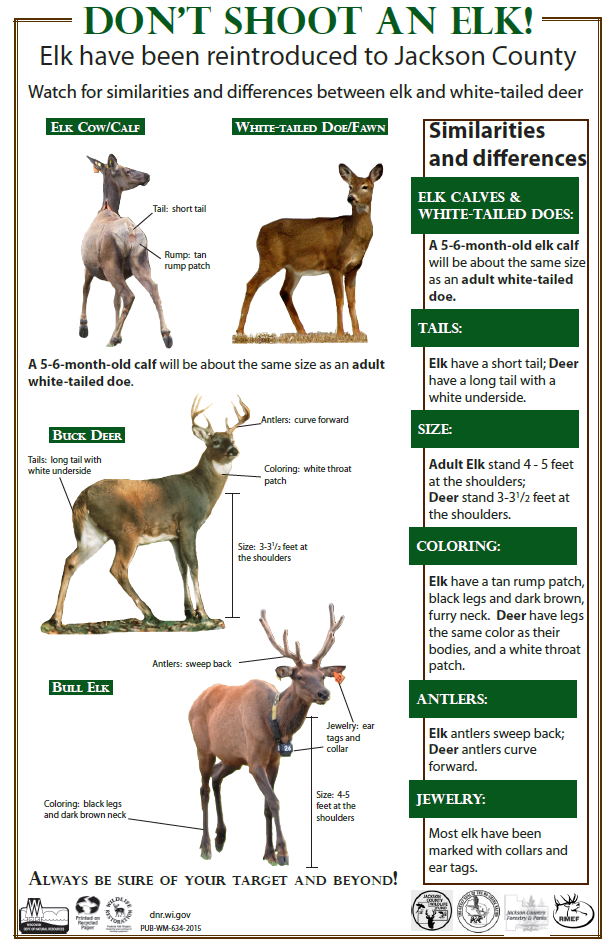
Elk are much larger than most deer species. An adult male elk, called a bull, often stands about 4.5 to 5 feet tall at the shoulder and can weigh between 600 to 1,000 pounds. Female elk (cows) are a bit smaller.
In comparison, a white-tailed deer—the most common type in North America—stands 3 to 3.5 feet at the shoulder and weighs 100 to 300 pounds. Even the largest deer, like the mule deer, rarely reach the size of an elk.
Body Shape
Elk have a stockier build, with long legs and a thick neck, especially in males. Their bodies are elongated and powerful, built for moving over open terrain. Deer look more slender and delicate, with shorter legs and a more compact body. Their shape helps them move easily through forests and thick brush.
Coat Color
Elk have a distinctive light brown body with a darker brown neck and head. One unique feature is their pale yellow rump patch, which stands out from the rest of their body. Their coats can look shaggy, especially in winter.
Deer, especially the white-tailed kind, have a reddish-brown coat in summer that turns grayish in winter. The white tail is easy to spot when they run, as they lift it as a warning signal.
Antlers
Both male elk and deer grow antlers, but the shape and size are different.
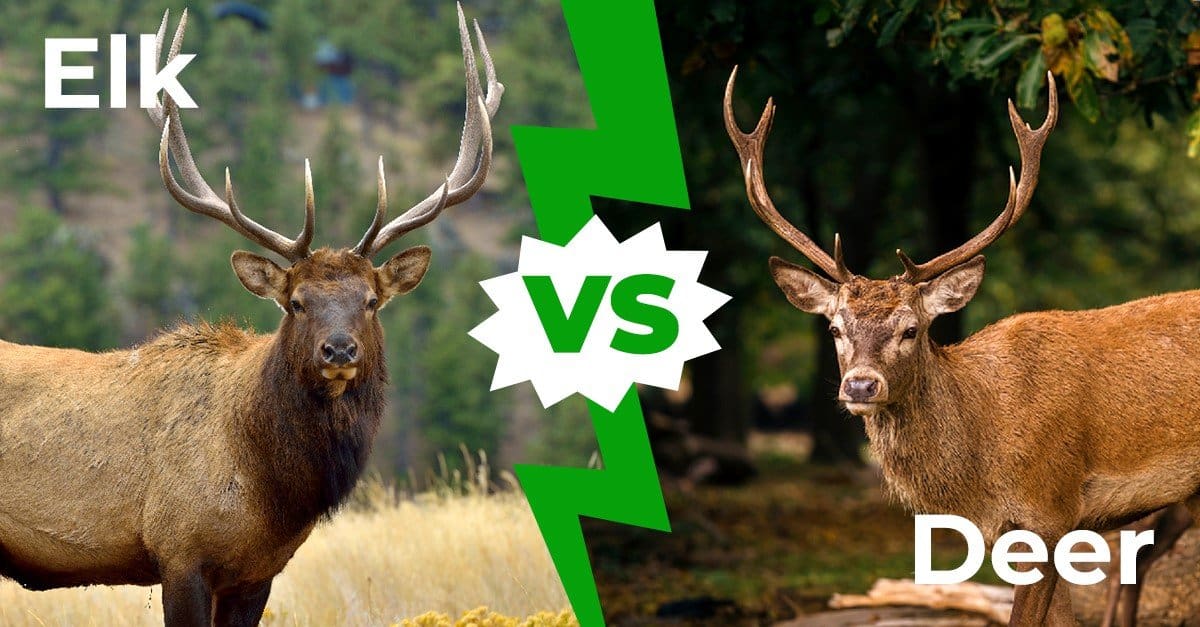
- Elk antlers are large and sweep backward, sometimes reaching over 4 feet in length. They tend to have a single main beam with many upward points.
- Deer antlers are smaller and branch forward, forming a basket shape. The points (called tines) are usually shorter and more numerous in proportion to the main beam.
Antler growth and shedding happen yearly in both species, but elk antlers are a true symbol of size and strength.
Behavior And Social Structure
Understanding how elk and deer behave is another clear way to see their differences.
Herd Size
Elk are highly social and often travel in large groups, especially females and young calves. Herds can have dozens or even hundreds of elk during migration or in open areas.
Deer are more solitary or live in small family groups. White-tailed deer might be seen alone or with just a few others, especially outside the breeding season.
Vocalizations
Elk are famous for their bugling call, a loud, high-pitched sound made by males during the mating season to attract females and warn other males. It is one of the most unique sounds in North American forests.
Deer make softer sounds, including snorts, grunts, and bleats. Their calls are less dramatic but help them communicate with each other quietly.
Mating Rituals
During the rut (mating season), elk bulls fight fiercely, using their large antlers to push and wrestle for dominance. They gather harems—groups of females they defend from rivals.
Deer bucks also fight for females, but their battles are usually shorter and less dangerous. Often, they rely more on displays and short chases than full battles.
Habitat And Range
Where elk and deer live also sets them apart.
Geographic Range
Elk were once widespread across North America, Europe, and Asia. Today, they are mostly found in the western United States, parts of Canada, and eastern Asia. Some reintroduction projects have brought them back to the east.
Deer, especially white-tailed deer, are found in almost all of North America, from Canada to Central America. They adapt well to different environments, including forests, fields, and even suburban areas.
Preferred Habitat
Elk prefer open woodlands, grasslands, and mountain meadows. They need large areas for grazing and migration.
Deer are more comfortable in dense forests, thickets, and mixed woodlands. Their smaller size helps them hide from predators in thick cover.
Migration
Elk often migrate long distances between summer and winter ranges. They move up into mountains in summer and down to valleys in winter to find food.
Most deer, especially in areas with mild winters, do not migrate far. They stay within a smaller home range, sometimes just a few square miles.
Diet And Feeding Habits
Both elk and deer are herbivores, but their feeding styles are different.
Elk Diet
Elk are mainly grazers. They eat grasses, sedges, and forbs. In winter, they will also browse shrubs, tree bark, and twigs when grass is covered by snow.
Deer Diet
Deer are browsers. They prefer leaves, twigs, fruits, and nuts from trees and shrubs. They will also eat some grass, but they rely more on woody plants, especially in winter.
Feeding Behavior
Elk feed in open meadows and can spend hours grazing. Their strong jaws and teeth are adapted to chew tough grasses.
Deer feed more carefully, moving slowly and picking choice leaves or buds. Their delicate mouths are made for selecting the most nutritious parts of plants.
Life Cycle And Reproduction
Both animals have similar life cycles but with key differences.
Mating Season
Elk mate in September and October. Bulls gather harems and defend them, sometimes fighting violently. After mating, cows carry the young through winter and give birth in late spring or early summer.
Deer mate a bit later, usually in November. Bucks chase does and mate with several in a season. Fawns are born in late spring.
Gestation And Offspring
Elk have a gestation period of about 240 to 262 days (8 months). Cows usually give birth to one calf, sometimes twins.
Deer have a shorter gestation, about 200 days (6-7 months). Does often have twins, especially if food is plentiful.
Raising Young
Elk calves are well-camouflaged and hide in tall grass for the first few weeks. Their mothers stay nearby but keep them hidden from predators.
Deer fawns also use camouflage, lying still in the underbrush. Does visit them a few times a day for feeding, leaving them hidden most of the time.
Predators And Threats
Both elk and deer face natural predators and other dangers.
Common Predators
Elk are hunted by wolves, bears, cougars, and humans. Adult bulls are less likely to be attacked due to their size, but calves are vulnerable.
Deer face coyotes, wolves, mountain lions, bobcats, and humans as their main predators. Fawns are especially at risk.
Human Impact
Both animals face habitat loss from development, road accidents, and hunting. Overhunting in the past reduced their numbers, but careful management has helped populations recover in many areas.
One insight people often miss is that disease is a serious threat, especially for elk. Chronic wasting disease can spread quickly in large herds, while deer face similar risks but usually in smaller outbreaks.
Role In Ecosystem
Elk and deer play important roles in their environments.
Grazing And Browsing
Elk help shape grasslands and open forests by grazing. Their feeding patterns can keep meadows open, supporting other animals and plants.
Deer, as browsers, affect the growth of shrubs and young trees. In large numbers, they can change the forest’s structure, sometimes harming plant diversity.
Prey And Food Web
Both species are key prey for large carnivores. Their presence supports healthy predator populations and helps balance ecosystems.
A less obvious role is that elk and deer move seeds as they travel, spreading plants and supporting forest regeneration.
Differences In Tracks And Signs
For those tracking wildlife, knowing the difference in tracks helps identify which animal passed by.
Elk Tracks
Elk tracks are large and rounded, about 4-5 inches long. The toes are broad, and the stride is wide.
Deer Tracks
Deer tracks are smaller and more pointed, usually 2-3 inches long. Their stride is shorter, reflecting their smaller size.
Other signs, like scat (droppings), also differ. Elk droppings are larger and oval, while deer droppings are smaller and more pellet-shaped.
Cultural Significance
Elk and deer are both important in human culture, but in different ways.
Elk In Culture
Elk feature in Native American stories and are a symbol of strength and endurance. Their antlers are used for decoration and crafts. Many U. S. states have elk as official symbols or in their history.
Deer In Culture
Deer are a symbol of gentleness and grace in many cultures. They appear in myths, art, and even in modern-day Christmas stories as reindeer.
Hunting both animals has shaped traditions and conservation efforts, leading to protected areas and wildlife management.
Quick Comparison Table
To make the differences clear, here’s a summary:
| Feature | Elk | Deer |
|---|---|---|
| Size | 600–1,000 lbs; 4.5–5 ft tall | 100–300 lbs; 3–3.5 ft tall |
| Coat Color | Light brown with pale rump | Reddish-brown (summer), grayish (winter) |
| Antlers | Large, sweep backward | Smaller, branch forward |
| Diet | Mainly grasses (grazers) | Leaves, twigs, fruit (browsers) |
| Herd Size | Large groups | Small groups or solitary |

Antlers: Elk Vs. Deer
Let’s look closer at how antlers differ, as it’s a common way people try to tell these animals apart.
| Aspect | Elk Antlers | Deer Antlers |
|---|---|---|
| Growth Direction | Sweep backward | Branch forward |
| Length | Can exceed 4 feet | Usually under 2 feet |
| Main Beam | Single, thick beam | Often forked, thinner |
| Number of Points | 6–8 per side typical | 4–6 per side common |
Range And Habitat Comparison
Habitat choice is another strong clue to help you decide if you’re looking at an elk or a deer.
| Region | Elk | Deer |
|---|---|---|
| North America | West, mountains, meadows | All regions, adaptable |
| Europe & Asia | Limited (red deer as cousin) | Widespread (roe deer, red deer) |
| Preferred Habitat | Open woodlands, grasslands | Forests, thickets, fields |
Two Insights Beginners Miss
- Elk and deer do not always share the same diseases or parasites. For example, elk are more likely to spread chronic wasting disease when in large herds, while deer can have different parasites that rarely affect elk. This matters for wildlife health and management.
- Antler shape is influenced by diet and habitat. In areas with poor nutrition, both elk and deer may grow smaller or less-branched antlers. This means that size alone is not always a perfect way to tell them apart—look for overall shape and animal size as well.
Observing Elk And Deer In The Wild
If you want to see elk or deer, visit national parks like Yellowstone (for elk) or any wooded area in the eastern U.S. (for deer). Early morning or dusk are the best times. Use binoculars and move quietly. Remember: elk are less likely to be near towns, while deer can live even in suburban backyards.
For more in-depth information on elk and deer, visit the Wikipedia page on Cervidae.
Frequently Asked Questions
What Is The Main Difference Between Elk And Deer?
The main difference is size and appearance. Elk are much larger, with a light brown body and big antlers that sweep backward. Deer are smaller, with reddish or grayish coats and antlers that branch forward.
Are Elk And Deer Related?
Yes, both are in the Cervidae family, which includes all deer species. However, elk and common deer (like white-tailed deer) are different species with separate behaviors and habitats.
Can Elk And Deer Live In The Same Area?
Sometimes, especially in parts of North America, their ranges overlap. However, elk prefer open meadows, while deer stay in forests. They rarely compete directly for food.
Do Both Male And Female Elk And Deer Have Antlers?
Only male elk and deer grow antlers, except for reindeer (caribou), where both sexes have them. Female elk and deer do not have antlers.
Which Is More Dangerous, Elk Or Deer?
Both are usually shy, but elk can be more dangerous if threatened, especially during mating season. Bulls may charge if you get too close. Deer are less aggressive but can kick or run if scared.
Understanding the difference between elk and deer makes hikes, wildlife watching, and even reading stories about these animals more interesting. Next time you see a large brown animal in the woods, you’ll know exactly what you’re looking at—and appreciate the special role each plays in nature.