
Every year, as the seasons change, wild animals begin their ancient journeys. For some creatures, migration is a way of life. Among the most impressive travelers in North America is the elk—a large member of the deer family with a reputation for long migrations. But do elk really migrate? If so, why, where, and how far do they go? Understanding elk migration gives us a window into their survival, the health of wild landscapes, and even challenges for people living nearby. Let’s explore the fascinating world of elk migration, what science has discovered, and why it matters today.
What Is Elk Migration?
Migration means moving from one place to another, often across long distances. For elk, migration is usually a seasonal journey. They travel between summer ranges (where food is plentiful and temperatures are mild) and winter ranges (where snow is less deep and survival is easier). This movement is not random; it follows patterns created by nature over thousands of years.
Most elk in North America live in the western United States, Canada, and parts of Asia. In these regions, weather and food supply change dramatically with the seasons. Elk migration is a strategy to deal with these changes. By moving, elk can find the best food, avoid deep snow, and reduce risk from predators.
Why Do Elk Migrate?
Elk migration is driven by a need for food, shelter, and safety. Here’s a closer look at the main reasons:
- Food Availability: In summer, mountain meadows are full of fresh grass and plants. Elk go higher up to eat these nutritious foods. In winter, snow covers the high country, so elk move to lower valleys where it’s easier to find grass and shrubs.
- Avoiding Deep Snow: Deep snow makes it hard for elk to walk and find food. By moving to lower elevations, they avoid wasting energy and can survive cold months more easily.
- Predator Avoidance: While migration does not eliminate predators, it can help elk avoid places where wolves or cougars are most active at certain times of year.
- Calving Grounds: Female elk (cows) seek safe, quiet areas to give birth in spring. Migration helps them reach these special calving grounds, away from dangers.
- Tradition and Instinct: Elk learn migration routes from their mothers. These routes are followed year after year, sometimes for generations.
How Far Do Elk Migrate?
Elk are famous for covering impressive distances. Migration length depends on location, climate, and herd traditions.
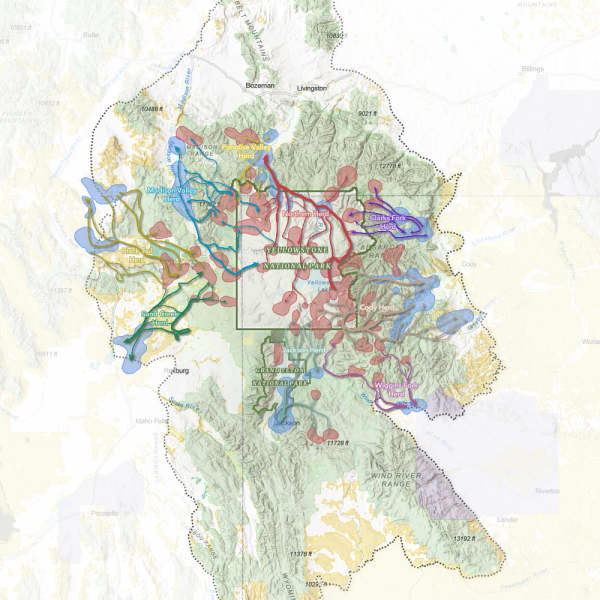
- In the Greater Yellowstone Ecosystem, some elk travel over 100 miles (160 km) between summer and winter ranges.
- In the Rocky Mountains, migrations can be shorter—sometimes just 20-40 miles (32–64 km).
- In more mild climates, elk may not migrate at all, or only move a short distance.
Scientists use GPS collars to track elk. These studies show that elk are among the longest land mammal migrants in North America.
Comparison Of Elk Migration Distances
| Region | Average Distance (miles) | Maximum Distance (miles) |
|---|---|---|
| Greater Yellowstone | 60-70 | 100+ |
| Rocky Mountains | 20-40 | 60 |
| Pacific Northwest | 10-30 | 40 |
When Do Elk Migrate?
Migration timing is closely tied to seasons and weather. Elk usually migrate twice a year:
- Spring Migration: As snow melts in late April or May, elk move to higher elevations for fresh green food.
- Fall Migration: When temperatures drop and snow begins to fall (usually October–November), elk return to lower valleys.
But elk are flexible. If an early snowstorm hits, they may leave the mountains sooner. If spring comes late, they may stay in the valleys longer. This flexibility helps them survive in a changing environment.

Where Do Elk Migrate?
Elk migration routes are shaped by mountains, rivers, forests, and valleys. These pathways, called corridors, connect summer and winter habitats. Some famous migration corridors include:
- Greater Yellowstone Ecosystem: Elk here move between Yellowstone National Park and surrounding valleys in Wyoming, Montana, and Idaho.
- Jackson Hole Herd: Travels between Grand Teton National Park and the National Elk Refuge.
- Banff and Jasper (Canada): Elk migrate along the foothills and river valleys of the Canadian Rockies.
Some herds cross highways, ranches, and even towns during their journey, leading to challenges for both elk and people.
Example: Yellowstone Elk Migration
In Yellowstone, elk spend summer eating lush plants in high meadows. As snow builds, they head for the National Elk Refuge or private lands in valleys. This journey can cover over 100 miles. Along the way, they cross rivers and sometimes must navigate roads or fences.
How Do Elk Find Their Way?
Elk migration is a mix of instinct, memory, and learning. Young elk follow their mothers and herd leaders. Over time, they remember landmarks such as rivers, mountains, and forests. Scientists believe elk also use the sun, stars, and even the Earth’s magnetic field to help guide them.
One surprising fact: if a migration route is blocked (by a fence, road, or building), elk may not easily find a new path. This is because migration is learned, not just instinctive. If a route is lost for several years, the tradition can disappear from a herd.
Elk Migration Vs. Other Deer Species
Not all deer migrate. Here’s a quick comparison of elk migration with other common deer in North America:
| Species | Migration Distance | Migration Reason |
|---|---|---|
| Elk | Up to 100+ miles | Seasonal food, snow depth |
| White-tailed Deer | 0–20 miles (usually non-migratory) | Food scarcity, harsh winters |
| Mule Deer | Up to 150 miles (some herds) | Seasonal food, snow depth |
Elk and mule deer are the most famous migrators. White-tailed deer usually stay in the same area all year, moving only if food is very scarce.
Migration Challenges And Threats
Elk migration faces more risks today than ever before. Here are some key challenges:
- Habitat Loss: Cities, farms, and roads can cut off migration corridors. When these paths are blocked, elk struggle to reach food or safe calving areas.
- Fencing: Long fences (especially those over 4 feet high) can stop elk herds, leading to injuries or deaths.
- Traffic and Highways: Busy roads create dangerous crossings. Every year, some elk are hit by cars.
- Climate Change: Warmer temperatures change snow patterns and plant growth. Elk may have to adjust their migration timing, and sometimes find less food.
- Human Disturbance: More hikers, hunters, and tourists in wild places can stress elk, causing them to abandon traditional routes.
- Disease: When elk are crowded into small winter ranges, disease can spread easily.
Example: The Importance Of Corridors
Wildlife corridors are strips of land that allow animals to move safely between habitats. Protecting these corridors is key for elk survival. In Wyoming, the state has protected some migration routes, creating highway crossings and limiting new fences. This helps elk complete their journey.

How Scientists Study Elk Migration
Understanding elk migration is not simple. Biologists use several methods:
- GPS Collars: Modern collars send elk location data to satellites. Scientists track elk movements in real time.
- Aerial Surveys: Planes and drones help count elk herds and map their routes.
- Camera Traps: Motion-sensitive cameras along migration routes provide photos and videos of moving herds.
- DNA Analysis: Collecting hair or scat can show how related different herds are, and how they use the land.
These studies help wildlife managers make better decisions about land use and conservation.
Why Elk Migration Matters
Elk migration is more than a natural wonder. It is crucial for healthy ecosystems and even local communities.
- Ecosystem Health: As elk move, they spread seeds and fertilize land. This helps plants grow and supports other wildlife.
- Hunting and Tourism: Elk migrations support hunting traditions and wildlife viewing, both important for rural economies.
- Cultural Value: For many Native American tribes, elk migration is a symbol of the natural world’s cycles.
Losing migration routes can damage whole landscapes, not just elk populations.
Surprising Insights About Elk Migration
Most people know the basics of elk migration, but here are a few less obvious facts:
- Partial Migration: Not all elk in a herd migrate. Some stay in one place, while others travel far. This mix helps elk adapt to changing conditions.
- Delayed Migration: In some years, elk wait to migrate until snow is very deep—sometimes risking starvation. This behavior is not fully understood, but may relate to herd leadership or weather patterns.
- Learned Paths: Elk must learn migration routes from older animals. If a herd loses its leaders, young elk may never migrate at all.
These insights show elk migration is more complex than a simple seasonal walk.
Conservation Efforts For Migrating Elk
To keep elk migration alive, people are working to protect key routes and habitats. Here’s what’s being done:
- Protecting Corridors: Organizations buy or set aside land so elk can move safely.
- Wildlife Crossings: Special overpasses or underpasses let elk cross highways without risk.
- Fence Removal or Modification: Lowering fences or making them wildlife-friendly allows elk to pass.
- Landowner Partnerships: Ranchers and farmers work with wildlife agencies to keep migration paths open.
- Education and Research: Teaching the public about migration helps build support for conservation.
These steps help ensure elk migration continues for future generations. For more information on current projects, see the National Geographic.
Frequently Asked Questions
How Do Elk Know When To Migrate?
Elk sense changes in daylight, temperature, and snow depth. When days get shorter and snow falls, they start moving. Herd leaders guide the group, and young elk learn by following.
Do All Elk Migrate?
No, not all elk migrate. In some areas with mild winters and good food, elk may stay year-round. In harsher climates, most of the herd will migrate, but a few may remain behind.
What Happens If Migration Routes Are Blocked?
If a route is blocked by fences, roads, or development, elk may not be able to reach food or safe areas. This can lead to starvation, more conflicts with people, and lower herd survival rates.
How Long Does Elk Migration Take?
Migration can take a few days to several weeks, depending on distance, weather, and obstacles. Some elk move quickly, while others travel slowly, stopping to eat along the way.
Are There Any Famous Elk Migrations?
Yes, the Jackson Hole elk herd in Wyoming and the Yellowstone elk migrations are among the most famous. These journeys attract scientists, tourists, and photographers from around the world.
The story of elk migration is both ancient and urgent. It connects wild landscapes, local communities, and the changing seasons. By understanding and protecting elk migration, we help keep nature’s balance alive—for elk, for people, and for the future.