Are Elk Dangerous?
If you have ever walked through a forest in North America, you might have wondered about the large, majestic animals known as elk. Their size and antlers can be impressive, but do they pose a real danger to humans? Some people think elk are gentle giants, while others worry they could be aggressive. The truth is more complex. Understanding elk behavior, their reactions to people, and the situations where they may become dangerous is important for anyone who spends time in elk country. Whether you are a hiker, camper, hunter, or simply curious, knowing the facts about elk safety could make all the difference.
What Are Elk?
Elk are one of the largest members of the deer family. An adult bull elk (male) can weigh between 700 and 1,100 pounds (320-500 kg), while cows (females) are smaller, often 500 to 600 pounds (225-270 kg). They live in forests, meadows, and mountains across North America and parts of Asia. Elk are social animals, usually seen in groups called herds.
Elk are herbivores. They eat grasses, leaves, and bark. They are important for their ecosystems, helping to shape the landscape by what they eat. Elk are also a popular animal for wildlife watchers and hunters.
Are Elk Aggressive By Nature?
Most of the time, elk are not aggressive. They prefer to avoid humans and will run away if given the chance. However, like many wild animals, elk can become dangerous in certain situations. Their large size and strong legs mean they can cause serious injuries if they decide to defend themselves or their young.
Elk are especially unpredictable during some periods of their lives. Understanding these moments can help you stay safe.
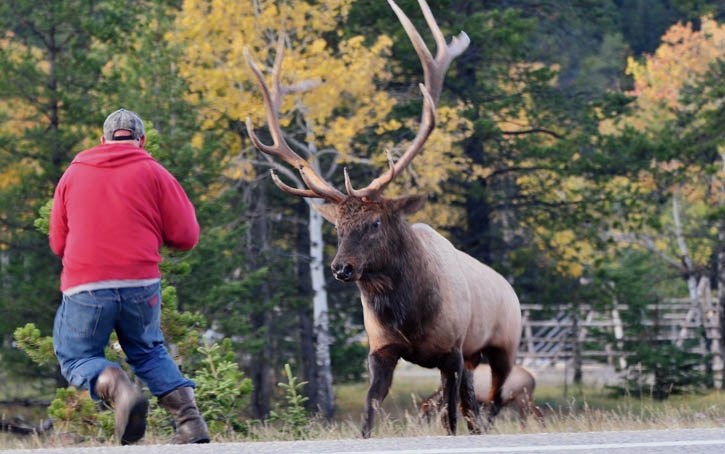
When Are Elk Most Dangerous?
There are specific times of year and situations when elk are more likely to act aggressively. These moments are important to recognize:
1. Mating Season (rut)
The rut is the elk’s mating season, usually between September and October. During this time, bull elk compete for females by displaying their strength and sometimes fighting with their antlers. Bulls are more likely to see humans as threats or rivals in this period.
- Bulls may charge or attack if they feel challenged.
- The risk is highest if you come between a bull and his herd of cows.
2. Calving Season
Calving happens in late spring and early summer. Female elk (cows) give birth to calves and are very protective.
- Cows will defend their calves fiercely.
- If you get too close to a calf, even by accident, the mother may attack.
3. When Elk Are Cornered
Any elk, male or female, can be dangerous if they feel trapped or cannot escape.
- If you block their path or surprise them, they might react aggressively.
- Dogs can make elk feel threatened and trigger defensive behavior.
4. When People Feed Or Approach Elk
Elk that are used to humans often lose their natural fear. In places like national parks, some elk may approach people for food.
- Feeding elk is illegal in many places and makes them more dangerous.
- Habituated elk can become bold and unpredictable.
5. During Winter
Elk can become stressed in winter due to cold and lack of food. They need to save energy and may become more defensive.
- Approaching elk in deep snow can cause them to panic and act out.
How Do Elk Attack?
Elk do not have claws or sharp teeth, but they have other ways to defend themselves or attack.
- Kicking: Elk have powerful back legs. A kick can break bones or cause serious injury.
- Charging: Bulls may lower their heads and run toward a threat, using their antlers to strike.
- Stomping: A cow may stomp with her front hooves if you are near her calf.
Most attacks are defensive, not because the elk wants to hunt humans, but because they feel threatened.
Real-life Examples Of Elk Attacks
While elk attacks on humans are rare, they do happen. In national parks like Yellowstone and Banff, there are reports each year of people being charged or even injured by elk.
- In 2018, a woman in Colorado was knocked down and kicked by a cow elk while walking her dog. She survived but needed medical attention.
- In Banff National Park, several people have been charged by bulls during the rut because they got too close for a photo.
Most incidents could have been avoided by keeping a safe distance and respecting the elk’s space.
Comparing Elk To Other Wildlife
It’s helpful to compare elk to other large animals people might meet in the wild.
| Animal | Average Weight | Average Aggression Level | Danger to Humans |
|---|---|---|---|
| Elk | 700–1,100 lbs | Low to Moderate | Occasional, mostly defensive |
| Moose | 800–1,500 lbs | Moderate to High | Higher, especially during rut |
| Bear | 200–1,000 lbs | Moderate | Rare but can be severe |
| Deer (White-tailed) | 100–300 lbs | Low | Rare |
As the table shows, elk are not as aggressive as moose or bears, but their size means they still pose a risk, especially if surprised or threatened.

Warning Signs Of Aggressive Elk
Elk usually show signs before they attack. Learning to recognize these signals can help you avoid trouble.
- Staring directly at you: Elk may fix their gaze if they feel threatened.
- Ears laid back: This often means annoyance or aggression.
- Pawing the ground: A sign the elk is about to charge.
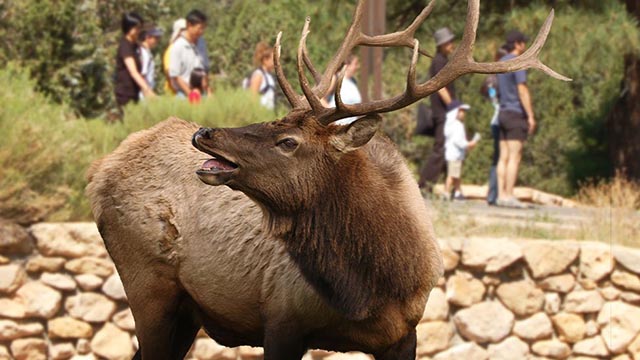
- Raising their head and antlers: Bulls may do this during the rut to look bigger.
- Loud vocalizations: Bugling, grunting, or snorting can be warning sounds.
Never ignore these signals. If you see them, back away slowly and give the animal space.
How To Stay Safe Around Elk
Most problems with elk happen because people get too close or act in ways the elk see as threatening. Here are smart ways to reduce your risk:
- Keep your distance. Stay at least 25 yards (23 meters) away from elk at all times. During the rut or calving season, give even more space.
- Never feed elk. Feeding wild animals makes them lose their fear and become more dangerous.
- Observe quietly. Sudden movements or loud noises can startle elk.
- Keep pets leashed. Dogs can provoke elk, especially cows with calves.
- Do not block their path. Make sure elk have a clear way to escape.
- Stay alert during high-risk seasons. Be extra careful in fall and spring.
If you are in a park or other public place, follow local rules and guidelines. Rangers often post warnings when elk are aggressive.
What To Do If An Elk Charges
Even with caution, sometimes elk charge unexpectedly. Here is what you should do:
- Do not run in a straight line. Try to put a large object, like a tree or car, between you and the elk.
- Make yourself small. Crouch down if you cannot get away. This shows you are not a threat.
- Protect your head and neck if you fall. Use your arms to shield yourself.
- Move away slowly when the elk stops showing aggression.
Remember, most elk charges are “bluff charges” meant to scare you off. However, take every charge seriously and never test your luck.
Myths And Misunderstandings About Elk
People often have the wrong ideas about elk. Here are some common myths:
- Myth: Elk are always friendly and safe to approach.
- Fact: Elk can be unpredictable, especially during rut or calving.
- Myth: Only bull elk are dangerous.
- Fact: Cows with calves can be just as aggressive.
- Myth: If an elk is used to people, it is safe to pet or feed.
- Fact: Habituated elk are often the most dangerous because they lose their natural fear.
How Elk Behavior Changes In Different Areas
Elk living near towns or parks see humans more often and may be less afraid. This can increase risk, because these elk might approach people for food or come closer than wild elk usually would.
Elk in remote areas are usually more cautious and will run away when they see humans. However, in both cases, the animals can be dangerous if they feel threatened.
Statistics: How Often Do Elk Injure People?
Elk attacks on humans are rare, but they do happen. In Yellowstone National Park, there are about 1 to 2 reported elk attacks on people each year. Many more incidents go unreported because they do not cause injury.
Elk are responsible for more injuries in parks than bears or wolves, mainly because more people get close to them for photos. Most injuries are minor, but some can be serious, especially if the person is knocked down or trampled.
| Animal | Average Reported Injuries per Year (Yellowstone) | Common Cause |
|---|---|---|
| Elk | 1–2 | Getting too close |
| Bison | 3–4 | Approaching for photos |
| Bear | 0–1 | Surprise encounters |
This data shows that elk are not the most dangerous animal, but they do cause real injuries when people are careless.
Non-obvious Insights For Staying Safe
- Elk Antlers Are Not Just for Show: Many people think antlers are only for fighting other elk. In reality, bulls may use them to defend against threats, including humans, during the rut. Even without antlers, a cow can be just as dangerous using kicks and stomps.
- Photography Increases Risk: People often get hurt while trying to take close-up photos. Even if an elk seems calm, getting close for a better picture can trigger aggression, especially if you block their view or path.
What To Do If You See An Injured Elk
If you find an elk that looks injured or sick, do not approach it. Injured animals are more likely to see you as a threat and may react aggressively. Instead, contact local wildlife authorities or park rangers. They have the training to help safely.
How To Tell If An Area Has Elk
Knowing if elk are nearby helps you stay alert. Look for these signs:
- Large hoof prints in mud or snow
- Droppings that look like oval pellets
- Rub marks on trees where bulls have scraped their antlers
- Herds grazing in open meadows at dawn or dusk
If you see these signs, be more cautious and keep your distance.
Responsible Behavior Around Elk
Being responsible is not just about your safety. It also protects the elk. When people harass, feed, or get too close to elk, it can lead to the animals being removed or even killed for public safety. Respecting elk helps everyone enjoy nature safely.
For more information about elk behavior and safety, you can visit the National Park Service Elk Page.
Frequently Asked Questions
How Fast Can An Elk Run?
Elk can run up to 40 miles per hour (64 km/h) for short distances. They use this speed to escape predators or threats, including humans who get too close.
Are Elk More Dangerous Than Moose?
Elk are less aggressive than moose overall. Moose are known to attack more often, especially during their rut. However, elk can still be very dangerous if provoked.
Can Elk Swim?
Yes, elk are strong swimmers. They often cross rivers and lakes, especially during migration. Seeing elk in water is common in many parts of North America.
What Should I Do If I See A Calf Alone?
Do not approach the calf. The mother is usually nearby and may attack if she thinks you are a threat. Leave the area quietly and quickly.
Are Elk Protected Animals?
In many areas, elk are protected by law. Hunting rules, national parks, and wildlife reserves help manage elk populations. Always check local rules before interacting with or photographing elk.
Spending time in elk country can be an amazing experience, but it is important to remember that these impressive animals demand respect. By keeping your distance, watching for warning signs, and never feeding or startling elk, you can enjoy wildlife safely and help protect these beautiful creatures for future generations.